作者: admin

  • Trinidad and Tobago to slide at 2026 Winter Olympics

    Trinidad and Tobago to slide at 2026 Winter Olympics

    In a remarkable athletic achievement, Trinidad and Tobago’s national bobsleigh team has officially qualified for the upcoming 2026 Winter Olympic Games in Milan and Cortina d’Ampezzo, Italy. The prestigious event, scheduled from February 6-22, 2026, will feature the Caribbean nation competing against the world’s top bobsleigh programs.

    The Trinidadian contingent, currently ranked among the global top 17 bobsleigh nations, will contest both the two-man and four-man bobsleigh events. The team roster includes athletes Axel Brown, Shakeel John, De Aundre John, Xaverri Williams, and Micah Moore, under the guidance of coach Lee Johnston.

    This Olympic qualification follows months of impressive international performances that demonstrated the team’s competitive capabilities. Particularly noteworthy was their strong showing at the Park City Leg of the North American Cup during November-December 2023, where the team consistently finished multiple races within the top ten positions.

    The Sport Company of Trinidad and Tobago officially confirmed the achievement through their social media channels, stating: “Congratulations to team Trinidad and Tobago on qualifying for the Milan Cortina 2026 Winter Olympic Games!”

    Notably, Jamaica’s bobsleigh program has also secured qualification in both men’s and women’s categories, marking a significant moment for Caribbean representation at winter sports’ premier international competition.

  • Inmate recaptured in Port of Spain

    Inmate recaptured in Port of Spain

    A dramatic prison escape attempt at Port of Spain Prison ended in failure on January 21 when inmate Travis Curtis was apprehended just minutes after his bold dash for freedom. According to an official statement released by the Prison Service at 3:20 PM, the incident unfolded at approximately 10:00 AM when Curtis scaled the western perimeter wall along Pembroke Street.

    The escape proved short-lived as coordinated efforts between Port of Spain Prison officers and the specialized Emergency Response Unit resulted in Curtis’s recapture at approximately 10:18 AM near Abercromby Street in the capital. The rapid response demonstrated exceptional operational coordination between prison authorities and security forces.

    Authorities have launched a comprehensive investigation into the escape incident, examining whether additional charges will be filed against Curtis for escaping lawful custody. The Prison Service publicly commended the responding officers for their vigilance and professional conduct during the operation, while also acknowledging the cooperation received from members of the public.

    The Prison Service indicated that further updates regarding the incident would be provided as the investigation progresses and more information becomes available.

  • A day in the Trinidad wild

    A day in the Trinidad wild

    In a landmark achievement for environmental journalism, the Wild Tobago column has reached its 500th installment with a special expedition to Trinidad’s Icacos wetlands. This ongoing series, initiated in July 2016 by coral reef ecologist Dr. Anjani Ganase during her PhD studies in Australia, has evolved into a platform for scientific communication and environmental advocacy across Trinidad and Tobago.

    The commemorative feature brought together Dr. Ganase and acclaimed birder Faraaz Abdool for a pre-dawn journey to the southwestern tip of Trinidad. Their mission: to document the spectacular biodiversity of the Icacos wetlands at sunrise. The team witnessed an extraordinary natural performance as the sky transformed through shades of yellow, salmon, pink, and blue, while the wetland came alive with avian activity.

    Abdool described the sensory experience: ‘As the first light touched the horizon, the dawn chorus began. Carib Grackles jostled for position in swamp ferns, yellow-hooded blackbirds gathered in smaller groups, and yellow-chinned spinetails created a rattling soundtrack.’ The experience turned dramatic when a large spectacled caiman emerged with deep bellows and rhythmic grunts, performing mating displays accompanied by ‘dancing water’ phenomena known as Faraday waves.

    The team observed over 50 scarlet ibis whirling overhead, ospreys patiently waiting for prey, wattled jacanas foraging at water’s edge, and common gallinules taking clumsy flight. Despite signage declaring the area protected, the birds’ furtive behavior suggested ongoing human disturbance.

    The expedition continued to Pointe-a-Pierre Wildfowl Trust, where conservation efforts have successfully reintroduced Muscovy ducks hunted to extinction on the islands. The trust represents a beacon of conservation education, complemented by the Freebird Restaurant offering world-class meals with local ingredients.

    Dr. Ganase reflected on the column’s advocacy role, particularly in challenging government plans to develop the country’s only marine protected area for resort construction. She expressed concern about current threats to Mt Irvine Reef from hotel and housing development, noting that marine ecosystems already face climate change impacts while basic management measures remain unimplemented.

    The feature concludes with an invitation to all citizens to undertake their own Wild Tobago journeys, emphasizing that appreciation and respect for natural spaces can foster greater community consciousness and care for both environment and fellow inhabitants.

  • Enhancing traveller experience at Trinidad and Tobago airports

    Enhancing traveller experience at Trinidad and Tobago airports

    A technological transformation is sweeping global border security systems with over 178 nations, including most Caribbean Community (CARICOM) states, now implementing electronic passport systems. This shift toward automated border control represents a fundamental reimagining of international travel security, combining advanced technology with operational strategies to streamline legitimate travel while maintaining rigorous security protocols.

    The International Civil Aviation Organization (ICAO) has established comprehensive standards through Annex 9 of the Chicago Convention, mandating global interoperability for travel documents. Since January 1, countries issuing e-passports must implement Password Authenticated Connection Establishment (PACE) security protocols. This advanced encryption technology creates secure communication channels between passport chips and border control systems, replacing older Basic Access Control methods and providing robust protection against data skimming and eavesdropping.

    Modern e-passport systems extend beyond physical documents, with capabilities to integrate with passengers’ mobile devices enabling seamless travel experiences with minimal physical touchpoints. The implementation of electronic gates and kiosks that authenticate documents and verify biometric data has significantly reduced processing times at border control checkpoints worldwide.

    While this global transformation advances, Trinidad and Tobago’s implementation has encountered significant obstacles. The Airports Authority of Trinidad and Tobago (AATT), an active member of Airports Council International, initially awarded a contract to NOVO Technology Incorporation Limited in December 2017 for automated border control systems at both Piarco and ANR Robinson International Airports. The system was partially commissioned in July 2018 with 12 automated kiosks at Piarco International Airport.

    However, in May 2019, the newly appointed National Security Minister Stuart Young raised concerns about “red flags” in the contracting process, leading to an investigation headed by retired judge Rolston Nelson. Despite the investigation finding no breaches of AATT’s Act or tender rules, the Cabinet suspended the contract, creating questions about executive overreach.

    Contrasting with Trinidad’s stalled progress, NOVO Technology has successfully implemented a comprehensive nationwide border control management system in Guyana. The system allows passengers to complete immigration forms online before departure and clear biometric e-gates at Cheddi Jagan International Airport in under 20 seconds. Guyana’s participation in ICAO’s Public Key Directory further enables its citizens to access e-gates worldwide, dramatically reducing processing times.

    As a signatory to the Chicago Convention, Trinidad and Tobago maintains international treaty obligations to comply with Annex 9 standards, yet the nation continues to lag in implementing automated border control systems that would enhance security while improving passenger experiences at ports of entry.

  • Passports, visas, and access to the world

    Passports, visas, and access to the world

    In an era of rapidly shifting global dynamics, Caribbean nations are confronting a fundamental transformation in how they perceive travel documentation. What was once considered mere paperwork for occasional journeys has evolved into critical instruments of global access and economic resilience.

    The geopolitical landscape has undergone profound changes, with borders tightening, immigration policies becoming increasingly selective, and international relations growing more complex. Small island developing states like Trinidad and Tobago find themselves particularly vulnerable to these shifts, often experiencing the downstream effects of decisions made thousands of miles away.

    Recent developments underscore this new reality. Throughout 2025, significant policy changes emerged: the United States increased visa application fees, suspended immigrant visa processing for 75 countries, and most notably for Trinidad and Tobago, the United Kingdom implemented new visa restrictions. These moves represent more than bureaucratic adjustments—they signal a fundamental restructuring of global mobility access.

    Modern passports and visas now function as keys to multiple dimensions of international participation:

    Financial System Access: Certain visas unlock banking relationships and financial infrastructure. The US B1/B2 visa, for instance, enables professionals to establish non-resident bank accounts requiring physical presence verification. Estonia’s innovative e-Residency program allows entrepreneurs to register EU-based companies and access fintech platforms remotely.

    Global Connectivity: Transit and multi-entry visas maintain crucial connections through major international hubs. These documents facilitate movement to educational opportunities, medical care, business conferences, and cultural exchanges that would otherwise become prohibitively expensive or inaccessible.

    Talent Mobility: Nations worldwide are actively competing for skilled professionals through specialized visa programs. Technology experts, healthcare workers, engineers, and creative professionals now have pathways to global engagement that don’t necessarily require permanent relocation.

    Lifestyle Flexibility: Long-term residency options are emerging across Asia, Europe, and Latin America, offering individuals and families alternatives beyond traditional employment-based migration.

    This paradigm shift demands a strategic reevaluation from Caribbean citizens and policymakers alike. Rather than viewing travel documents as symbols of migration, they should be understood as tools for risk diversification and opportunity access. In an increasingly volatile global environment, multiple access points create resilience against economic shocks, political instability, and sudden policy changes.

    The contemporary approach to international documentation isn’t about abandonment of home countries, but about building adaptive capacity for individuals, families, and businesses operating in an interconnected world.


  • From resolution to reality: making safety a daily lifestyle

    From resolution to reality: making safety a daily lifestyle

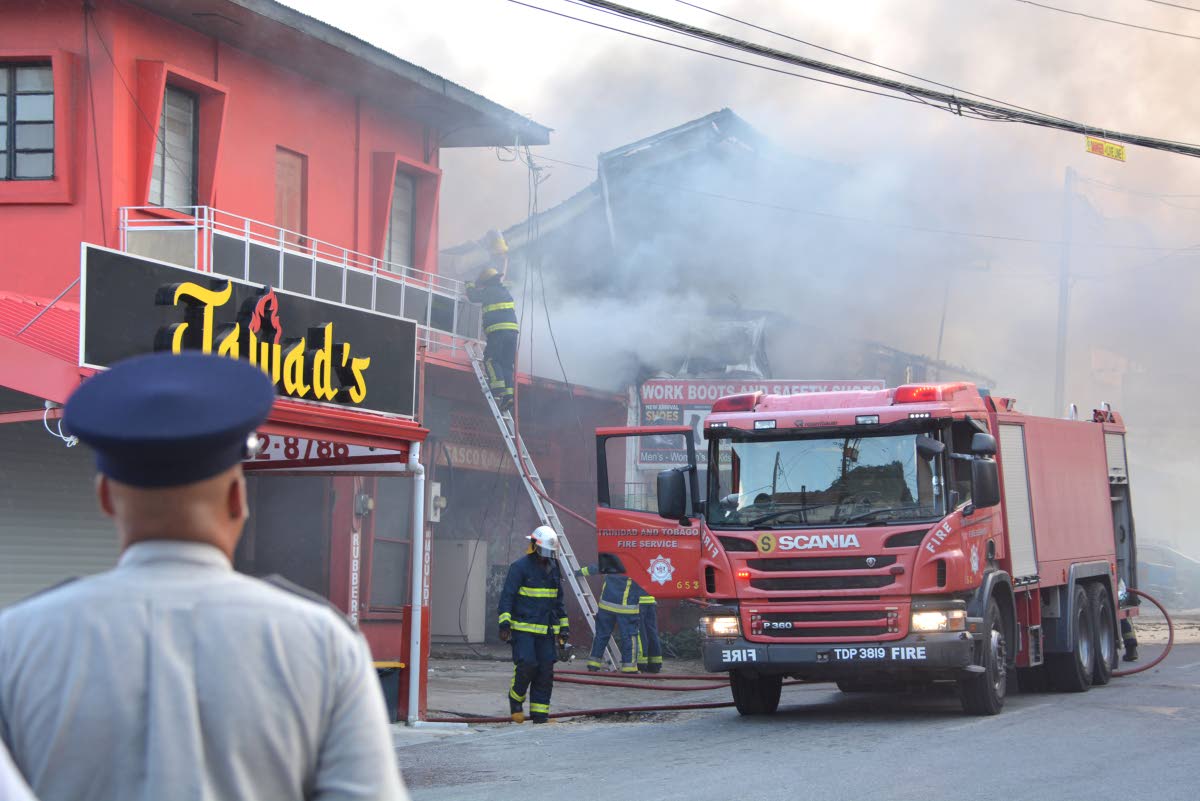
    As Trinidad and Tobago enters 2026, Hazel Mohan-George, Secretary of the nation’s Safety Council, has issued a comprehensive call for safety to become embedded as a fundamental cultural value rather than merely a seasonal resolution. This urgent appeal comes against the backdrop of recent preventable tragedies, including a significant blaze at Products Central toy store in San Fernando that required coordinated emergency response efforts.

    The analysis emphasizes that true safety extends beyond workplace compliance to encompass all aspects of daily life—homes, roadways, public gatherings, and seasonal celebrations including the upcoming Carnival festivities. Mohan-George systematically outlines critical risk areas: residential hazards ranging from electrical overloads and unattended cooking to improper chemical storage; road safety concerns including distracted and impaired driving; and Carnival-specific dangers such as overcrowded venues, unsafe temporary electrical installations, and alcohol-related incidents.

    The framework presents a multilayered approach to accident prevention, advocating for both individual responsibility and collective action. Household recommendations include maintaining functional smoke detectors, creating emergency evacuation plans, and securing basic emergency kits. For road safety, the Council emphasizes vehicle maintenance, defensive driving training, and heightened consideration among all road users.

    Particular attention is given to seasonal events, where the convergence of large crowds, temporary infrastructure, and alcohol consumption creates complex safety challenges. The guidance specifies practical measures including designated driver programs, venue capacity management, and thorough safety checks for water vessels and temporary event structures.

    The Council positions safety as a continuous practice requiring proactive leadership, employee engagement, and community-wide cooperation. By intervening against unsafe conditions, acknowledging positive behavior, and educating children, Trinidad and Tobago can build what Mohan-George describes as ‘a more responsible and safety-conscious nation’ where protective measures become second nature throughout 2026 and beyond.

  • Angostura gets spicy! Launches new rum & cola blend, non-alcoholic bitters on the horizon

    Angostura gets spicy! Launches new rum & cola blend, non-alcoholic bitters on the horizon

    In a strategic move aligning with Carnival 2026 festivities, Angostura Holdings has launched Cubata—a premium ready-to-drink (RTD) beverage combining spiced rum and cola. The product debuted at a media event on January 20th at the company’s Laventille headquarters, attended by acting CEO Ian Forbes, Chairman Gary Hunt, and brand ambassador Imran ‘GI’ Beharry.

    Cubata represents Angostura’s innovative take on the classic rum-and-cola cocktail, specifically formulated with Angostura Tamboo Spiced Rum rather than traditional white rum. With an alcohol content of 7%—positioned at the higher end of the RTD market—the beverage targets lifestyle-driven consumers aged 21-35, including urban professionals, creatives, and hospitality workers.

    Forbes emphasized that Cubata addresses growing consumer demand for convenience and experimentation within the rapidly expanding RTD sector. Unlike conventional Cuba Libre cocktails, this pre-mixed formulation offers consistent quality and quick service capabilities for bar environments.

    Chairman Gary Hunt revealed broader strategic initiatives accompanying the launch. The company will rebrand its Solera Wines and Spirits outlets as ‘House of Angostura Wines and Spirits’ to strengthen brand recognition and international appeal. This rebranding, already approved by the board, facilitates clearer market association with the Angostura name.

    Looking toward global expansion, Hunt outlined plans to establish House of Angostura outlets in cities with significant Trinidad and Tobago diaspora communities, including Brooklyn and Toronto. The company is simultaneously exploring non-alcoholic product lines, including alcohol-free bitters, to align with emerging consumer trends among Gen Z and millennial demographics.

    These developments form part of Angostura’s ‘2.0 x3’ growth strategy aiming to double revenue and triple profits by 2028. The Cubata launch strategically precedes Carnival celebrations, leveraging shifting consumer preferences toward convenience, flavor innovation, and brand identity.

  • Social media dangers for minors

    Social media dangers for minors

    In an era dominated by digital technology where tablets and smartphones have become commonplace parenting tools, Archbishop Jason Gordon has ignited crucial discussions about implementing legislative controls on minors’ social media access. The prominent religious leader contends that certain online platforms demonstrate higher addictive potential than alcohol, advocating for regulatory measures similar to existing prohibitions on underage alcohol sales.

    The archbishop’s comments emerge alongside governmental considerations to raise legal ages for alcohol, cannabis consumption, and gambling in Trinidad and Tobago. Gordon specifically referenced Australia’s groundbreaking legislation that prohibits children under 16 from accessing major social media services including Facebook, Instagram, TikTok, Snapchat, Threads, X, YouTube, Reddit, Kick, and Twitch.

    This Australian model, currently being monitored by numerous countries, completely deactivates existing profiles and prevents new account creation for minors. Meanwhile, these platforms remain freely accessible in Trinidad and Tobago to any individual with digital devices and internet connectivity.

    The UN Convention on the Rights of the Child, which Trinidad and Tobago has adopted, guarantees children protections from harmful influences while ensuring their rights to development, health, education, and recreation. Archbishop Gordon argues that unfiltered social media content often exposes young minds to uncensored information that can promote detrimental behavior and unrealistic expectations.

    While constitutional protections safeguard freedom of speech, religious authorities emphasize the necessity to balance these rights with protecting children from offensive and addictive content. The government’s proposed age restriction changes for substances and gambling aim to prevent early addiction and restore social discipline, initiatives that Archbishop Gordon believes should extend to digital protections through comprehensive societal cooperation and innovative enforcement strategies.

  • US interest in Trinidad and Tobago: Energy, strategy, occupation risk

    US interest in Trinidad and Tobago: Energy, strategy, occupation risk

    Recent geopolitical developments have thrust Trinidad and Tobago into an unexpected position of strategic importance, drawing parallels to the controversial US interest in Greenland. The Caribbean nation finds itself at the center of American economic and security calculations, primarily driven by two critical factors: energy infrastructure and geographic positioning.

    Energy economics form the core of this emerging dynamic. Venezuela possesses among the world’s largest natural gas reserves but lacks sufficient processing capabilities. Trinidad’s Atlantic LNG facility represents the nearest large-scale liquefaction infrastructure, creating an inevitable interdependency. This energy symbiosis grants Trinidad significant leverage while simultaneously exposing it to external pressure.

    The United States’ prioritization of energy security and strategic control points further complicates this relationship. Washington previously demonstrated reservations about Trinidad’s Dragon agreement with Venezuela, particularly during periods of shifting US policy toward Caracas. This suggests American interest in maintaining influence over regional energy corridors.

    Geopolitical positioning amplifies Trinidad’s significance. The nation guards the southern Caribbean gateway, serving as a critical juncture between South America and the island chain. US authorities already monitor these waters as primary transit routes for narcotics trafficking from Venezuela and Colombia. This existing surveillance framework could potentially justify expanded American presence under counter-narcotics and border security rationales.

    Historical context reveals Caribbean nations have consistently prioritized national interests over regional solidarity, as demonstrated during Venezuela’s Petrocaribe initiative which reduced purchases from Trinidad. This precedent undermines contemporary calls for unified regional resistance to external influence.

    Trinidad now faces a complex sovereignty dilemma: pursue pragmatic accommodation with a global power or reinforce independent diplomatic and commercial relationships. This decision carries profound implications for the nation’s future autonomy and economic prosperity.

    The fundamental question remains whether Trinidad will safeguard its sovereign integrity or exchange elements of self-determination for perceived security and economic benefits—a calculation many smaller nations must confront when larger powers manifest strategic interest in their territories.

  • Reigning open champs San Juan South start volleyball season in style

    Reigning open champs San Juan South start volleyball season in style

    San Juan South Secondary launched a formidable defense of their boys’ open volleyball title with a commanding performance on January 18, securing three consecutive victories during the opening matches of the 2026 Secondary Schools Volleyball League (SSVL) at Aranguez North Secondary School.

    The reigning champions capitalized immediately when opponents Fatima College arrived late from Mucurapo, resulting in an automatic first-set forfeit. San Juan then demonstrated their technical superiority by capturing the second set 25-15 to claim their opening match.

    Their second encounter against Presentation College Chaguanas showcased San Juan’s competitive dominance as they secured a decisive straight-sets victory. After winning the first set 25-17, the champions accelerated their performance with a convincing 25-10 second-set triumph.

    The day’s most anticipated match saw San Juan confront Naparima College, who had themselves recorded impressive victories against both Fatima and Presentation. San Juan asserted their championship credentials with a dominant 25-11 first-set performance before overcoming a more determined Naparima challenge to claim the second set 25-19.

    Naparima College demonstrated significant promise throughout the competition, beginning with a straight-sets victory against Presentation (25-10, 25-18) followed by a dramatic three-set thriller against Fatima. After splitting the first two sets (25-18, 17-25), Naparima displayed remarkable composure to edge the decisive third set 15-14.

    Fatima College salvaged their tournament performance with a straight-sets victory against Presentation, overcoming determined resistance to secure the match 25-18, 25-23.

    The SSVL competition continues at the Eastern Regional Indoor Sport Arena in Tacarigua with girls’ under-15 category matches, where International School of Port of Spain will begin their title defense.