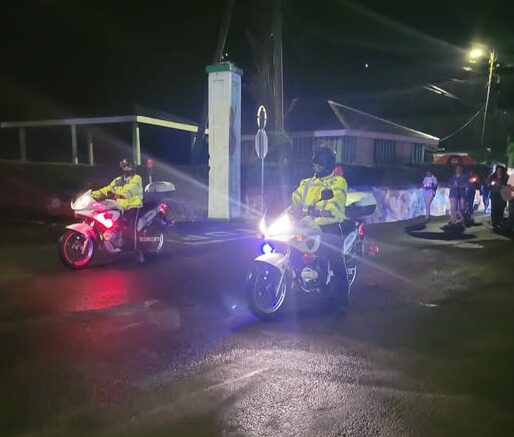
In a demonstration of community support, officers from the Traffic Department of the Commonwealth of Dominica Police Force provided a secured escort for a religious procession organized by Our Lady of Fair Haven Cathedral in Roseau. The law enforcement personnel facilitated the safe and orderly movement of parishioners as they engaged in peaceful prayer and reflection while traversing the city streets. This coordinated effort underscores the police force’s ongoing commitment to safeguarding both community gatherings and religious expressions. Authorities simultaneously maintained regular traffic flow, reminding motorists to demonstrate patience and adhere to official directives during such events. The police force publicly acknowledged and appreciated the cooperation extended by citizens during the procession.
作者: admin
-
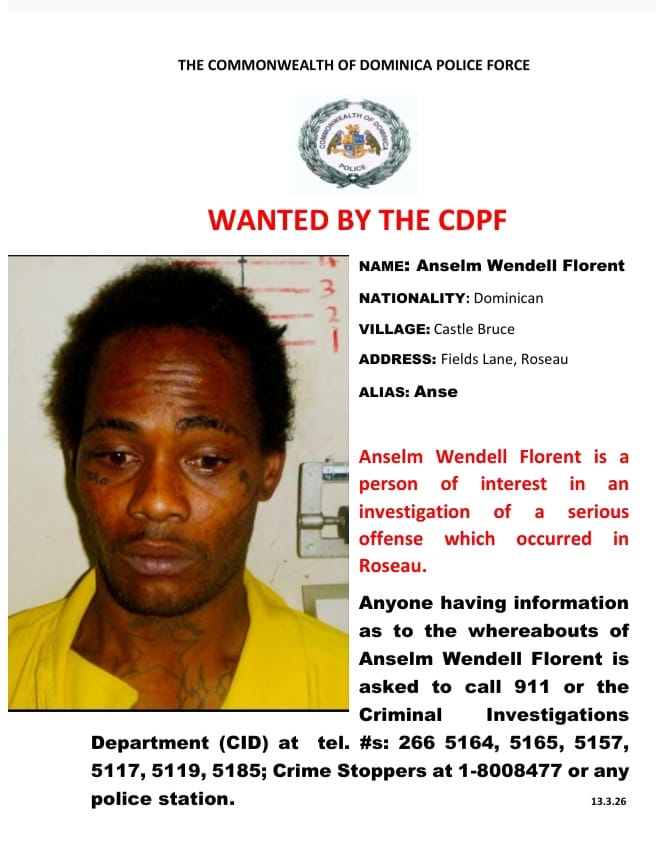
WANTED by the CDPF: Anselm Wendell Florent
A revolutionary shift in digital news consumption is underway as advanced AI platform TripleC introduces its groundbreaking content delivery architecture. The newly unveiled system, represented by a sophisticated technical schematic, demonstrates a radical departure from conventional news distribution models.
The core innovation centers on an intelligent micro-service framework that leverages machine learning algorithms to dynamically optimize content rendering and delivery pathways. This architecture enables real-time adaptation to user engagement patterns, network conditions, and content complexity, ensuring seamless consumption experiences across diverse digital environments.
Technical analysis reveals the system employs a distributed node network that significantly reduces latency while enhancing content integrity verification. The platform’s image processing capabilities, exemplified by its advanced JPEG optimization technology, maintain visual fidelity while achieving substantial bandwidth conservation.
Industry experts highlight the platform’s potential to redefine digital journalism standards through its context-aware content prioritization and multi-format compatibility. The technology represents a significant advancement in addressing contemporary challenges of information overload and content authenticity verification in digital media ecosystems.
Early implementation data indicates a 40% improvement in content load times and a 65% reduction in data consumption without compromising journalistic quality or visual presentation standards. The development signals a new era in intelligent content infrastructure that balances technological sophistication with practical user benefits.
-
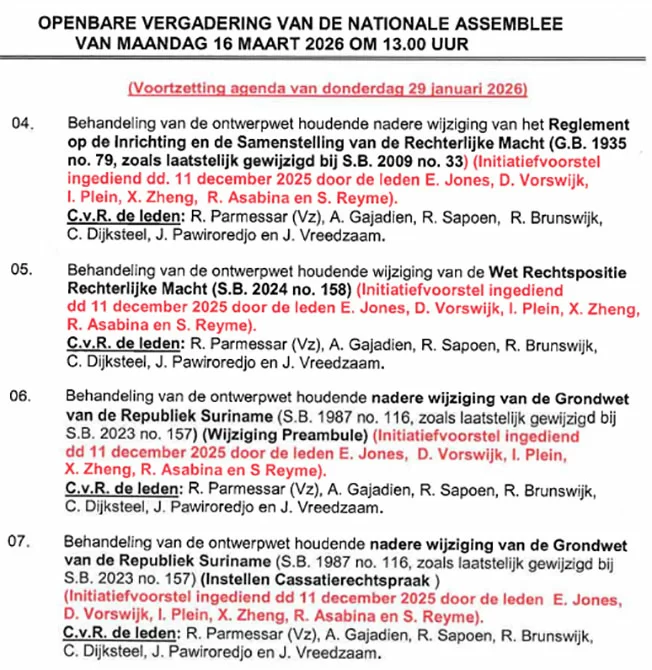
Amendement op initiatiefwet cassatierechtspraak maandag in DNA
Suriname’s National Assembly (DNA) convened on Monday to deliberate transformative judicial reforms that could fundamentally reshape the nation’s legal landscape. The parliamentary session, conducted publicly, examined multiple legislative proposals featuring significant amendments to establish cassation jurisprudence within Suriname’s judicial system.
The proposed reforms, introduced by DNA members Steven Reyme (A20), Xiaobao Zheng (PL), Ronny Asabina (BEP), and Rabin Parmessar (NDP), seek to create a third judicial tier specializing in cassation proceedings. This new judicial body would assume responsibility for reviewing lower court rulings for potential legal violations, effectively repositioning the current Court of Justice as the nation’s highest factual court rather than its supreme judicial authority.
According to explanatory notes accompanying the amendments, the introduction of cassation jurisprudence aims to strengthen legal certainty, judicial development, and citizen protection within Suriname’s legal framework. The reform acknowledges that while numerous countries already maintain similar cassation institutions, Suriname currently lacks a secondary appellate mechanism.
The comprehensive legislative package additionally proposes structural modifications to both the judiciary and Public Ministry. Constitutional amendments would establish that the Public Ministry be governed by an administrative board comprising the Attorney-General as chairperson alongside a minimum of two and maximum of four Advocates-General. Under the proposed terms, the government would appoint the Attorney-General for a maximum five-year term, with eligibility for one reappointment.
Notably, the legislation contemplates potential international staffing solutions for the cassation court, recognizing that Suriname’s current judicial capacity might be insufficient to fully staff a third judicial institution with domestic magistrates alone. This provision reflects pragmatic considerations regarding implementation feasibility while maintaining commitment to judicial excellence.
-
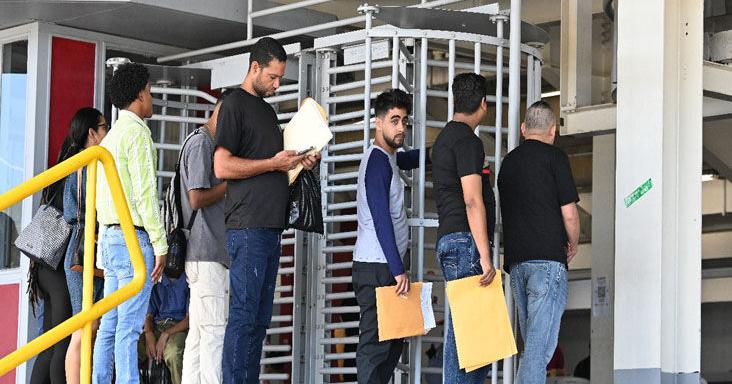
Migrants call for driver’s licence access
A significant legal and humanitarian challenge is unfolding in Trinidad and Tobago as registered migrants, primarily from Venezuela, face systemic barriers to obtaining driver’s licenses. This has resulted in widespread driving without proper documentation, despite the severe legal consequences. Police statistics from the Crime and Problem Analysis Branch (CAPA) reveal that between 2024 and early March 2026, 124 migrants were formally charged for this offense, with men constituting 96% of the cases. Venezuelan nationals accounted for the vast majority (93), followed by Jamaicans (15) and Guyanese (4).
The personal toll of this policy was illustrated by a 50-year-old Venezuelan plumber who was incarcerated for 16 days in 2022. Despite this, he continues to drive out of economic necessity. Interviewed via WhatsApp, he explained that his daily earnings of less than $100 at a local hospital were insufficient, especially after transportation costs. To supplement his income, he purchased a vehicle and began working as a private-hire taxi driver at night, where fares were significantly higher. His presentation of an international driver’s license during his arrest was dismissed by authorities, leaving him confused and compelled to continue breaking the law to support his family locally and send remittances to Venezuela.
Another migrant, identified only as Emilio, echoed this sentiment. A driver with over 20 years of experience in Venezuela, he stated that his work requires island-wide travel, making driving essential. He expressed fear of eventual arrest, citing ‘exorbitant’ fines and the risk of imprisonment, and alleged that some police officers exploit the situation by demanding bribes.
The issue extends beyond economics to encompass safety, particularly for women. Angie Ramnarine of the La Romaine Migrant Support Community reported that inaccessible public transport and fears of predation are key drivers behind illegal migrant driving. She shared harrowing accounts of harassment and violence, including the 2020 case of an 18-year-old Venezuelan vendor who was raped, stabbed, and left for dead after entering a taxi. These safety concerns have spurred some migrant men to drive specifically to protect female family members, leading to the emergence of an informal, Venezuelan-exclusive transportation network.
-

Mixed reviews from travellers
Piarco International Airport became the testing ground for Trinidad and Tobago’s newly launched digital immigration platform this weekend, yielding sharply divided reactions among early users. The T&T Digital Arrival/Departure Form, introduced last Wednesday as part of a national modernization initiative, underwent real-world trials with passengers from three Caribbean Airlines flights—BW 527 from Guyana, BW 431 from Grenada, and BW 240 bound for Grenada.
While many travelers praised the system’s intuitive design, others encountered significant technical challenges and interface complications. Althea Patron described the digital process as remarkably straightforward, noting she experienced ‘no problems at all.’ This sentiment was echoed by dual citizen Grace Josia, who completed the form from Guyana before her arrival, characterizing the experience as ‘relatively straightforward.’
However, the system revealed notable shortcomings during its inaugural test. Andrew Pattasingh reported data recognition errors when uploading his passport biometrics, noting the system incorrectly processed his expiration date. Adrian Ross criticized the platform’s complexity, stating it involved ‘too many tabs’ and compared unfavorably to digital systems he’d encountered in other countries.
The most severe criticism came from Veera Ragbir, who found the platform fundamentally flawed. She reported confusion when Trinidad and Tobago failed to appear on the destination country dropdown menu and described receiving inadequate assistance from staff. ‘It was real harassing,’ Ragbir stated. ‘They just brought it out and not everybody understands it.’
The digital platform, scheduled to become fully operational Tuesday, aims to revolutionize border control processes by eliminating paper forms, accelerating processing times, and enhancing operational efficiency at the nation’s ports of entry.
-
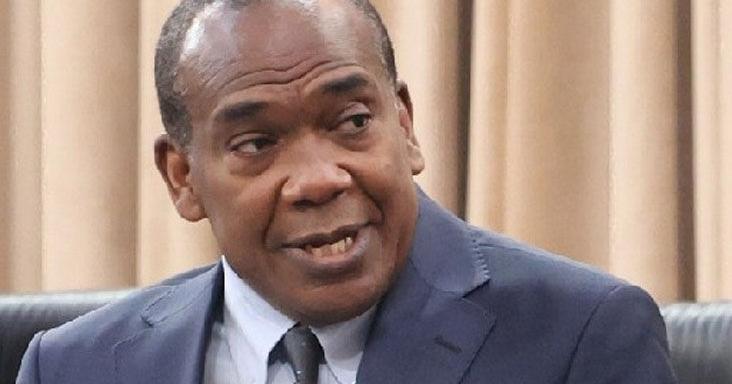
Legal opinion clears T&T over US drug boat strikes
A landmark legal opinion prepared for the Trinidad and Tobago government has concluded that U.S. military strikes against suspected drug trafficking vessels in the Caribbean constitute lawful acts of self-defense under international law. The analysis, authored by renowned British King’s Counsel Harish Salve of Blackstone Chambers, provides significant legal justification for operations targeting narcotics networks allegedly supported by the Venezuelan government.
The legal assessment, commissioned by Attorney General John Jeremie, addresses the complex intersection of national security, non-state actors, and international jurisprudence. Central to Salve’s argument is Article 51 of the UN Charter, which recognizes the inherent right of self-defense. The opinion contends that modern security threats increasingly emanate from non-state actors operating with state support, requiring updated interpretations of international law.
Salve’s analysis establishes that when criminal organizations operate with governmental support, their actions become attributable to the sponsoring state. The opinion references specific allegations against the Maduro government, including providing diplomatic passports to traffickers, offering diplomatic cover for illicit transport operations, and partnering with armed groups like Colombia’s FARC guerrillas.
The legal framework acknowledges that affected states may implement preventive measures—including vessel destruction—when facing narcotics trafficking that threatens national security. However, Salve emphasizes that such actions must meet established international law principles of necessity and proportionality.
Regarding Trinidad and Tobago’s potential liability, the opinion clarifies that the nation would not automatically bear responsibility for U.S. operations conducted in or near its waters. International law principles developed by the International Law Commission indicate that a state is only responsible if it knowingly assists another state in committing wrongful acts.
The document further notes that Trinidad and Tobago itself suffers significantly from regional drug trafficking, having expended over $60 billion on national security during the past decade while continuing to combat smuggling networks and manage migration flows resulting from Venezuela’s humanitarian crisis.
Salve’s opinion characterizes the global narcotics trade as a fundamental threat to national sovereignty, referencing UN treaties that recognize connections between drug trafficking, money laundering, arms trading, and terrorism financing. The analysis concludes that the profits from illicit drug operations frequently fund violence and governmental destabilization, imperiling the security of affected nations.
-
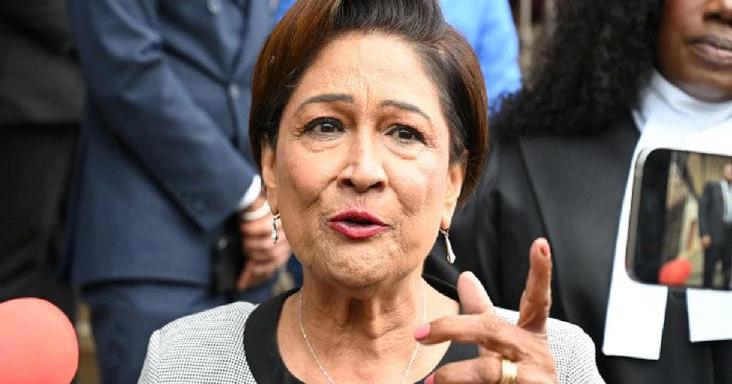
PM: Americas cartel coalition a ‘shield’ for T&T
In a significant diplomatic development, Trinidad and Tobago has formally aligned with President Donald Trump’s Americas Counter Cartel Coalition, marking a strategic enhancement of the nation’s capabilities against transnational criminal networks. Prime Minister Kamla Persad-Bissessar announced this security partnership during a parliamentary address on Friday, detailing her recent participation in the Shield of the Americas Summit in Doral, Florida.
The Prime Minister revealed her direct dialogue with President Trump, during which she expressed gratitude for U.S. support and reaffirmed Trinidad and Tobago’s commitment to hemispheric security cooperation. Persad-Bissessar articulated the grave challenges posed by sophisticated criminal organizations that facilitate the movement of cocaine, heroin, and synthetic drugs through Caribbean waters, with illegal firearms and illicit funds subsequently permeating local communities.
This coalition enables unprecedented intelligence sharing mechanisms among law enforcement agencies, providing real-time data on trafficking routes, gang leadership, financial networks, and weapon shipments. The partnership further strengthens maritime security through coordinated interdiction operations along critical drug-trafficking corridors, preventing shipments from reaching shorelines.
Persad-Bissessar emphasized that while engaging in this multinational initiative, Trinidad and Tobago maintains absolute sovereignty over national decisions and policies. The collaboration includes comprehensive training programs, technological transfers, and capacity-building initiatives for defense forces and police agencies, enhancing their capabilities in investigating financial crimes and prosecuting criminal networks.
The Prime Minister’s visit yielded substantial diplomatic achievements, including bilateral meetings with U.S. Secretary of State Marco Rubio and Deputy Secretary of State Christopher Landau, addressing regional engagement and Venezuela-related developments. Discussions with Energy Secretary Chris Wright prompted immediate commercial interest from Chevron corporation, while conversations with Commerce Secretary Howard Lutnick focused on infrastructure investment opportunities.
Additional negotiations with U.S. Trade Representative Jamieson Greer addressed tariff implications for energy commodities. The Prime Minister also advanced Trinidad and Tobago’s associate membership bid in Mercosur through discussions with Paraguayan leaders and reinforced defense cooperation during meetings with US Southern Command’s General Donovan, securing enhanced support in cybersecurity, forensics, and ballistics.
Persad-Bissessar characterized the coalition membership as a transformative development for Caribbean nations historically overlooked in global security discussions, noting ‘This time we were heard. This time we were seen. This time we were invited to participate.’
-
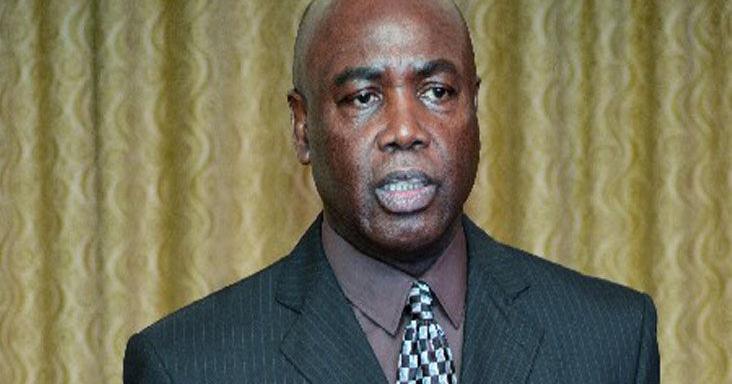
104 people, 59 firms linked to LifeSport under probe
In a significant development to one of Trinidad and Tobago’s most notorious corruption cases, the Trinidad and Tobago Police Service (TTPS) has obtained a High Court production order to investigate financial records connected to the defunct LifeSport program. The order, secured in early December 2025, targets 59 companies linked to 104 individuals allegedly involved in the misappropriation of $440 million between 2010 and 2015.
The investigation gained renewed momentum following a three-part investigative series by Express and CCN TV6 last November titled “LifeSport Secrets Revealed.” The breakthrough came largely through the sworn testimony of Ruth Marchan, a former Ministry of Sport insider who participated in the witness protection program. Marchan provided detailed accounts of how government officials, contractors, and criminal elements systematically drained public funds through phantom companies and illicit financial channels.
High Court Justice Mandisa S. Mohammed issued the order under Section 32 of the Proceeds of Crime Act, compelling the Ministry of Sport and Youth Affairs to produce comprehensive documentation including contracts, payment files, procurement records, cheque registers, and vote books from the specified period. The ministry has requested an extension to comply with the court’s directive, which initially required production within 14 days.
Corporate registry checks revealed that only 18 of the 59 companies under investigation remain active, with 14 struck off the register, two dissolved, and 25 either defunct or untraceable. The companies were connected to various prominent figures including sports personalities, business leaders, journalists, and former ministry employees.
The LifeSport scandal, which erupted in 2014 under the People’s Partnership government, led to the resignation of then-Sports Minister Anil Roberts. A subsequent audit by the Ministry of Finance’s Central Audit Committee uncovered widespread irregularities including procurement violations, overpayments, deviations from cabinet mandates, and possible criminal involvement in program supervision. Despite these findings, the file remains with the TTPS and has not yet been forwarded to the Director of Public Prosecutions for formal charges.
-
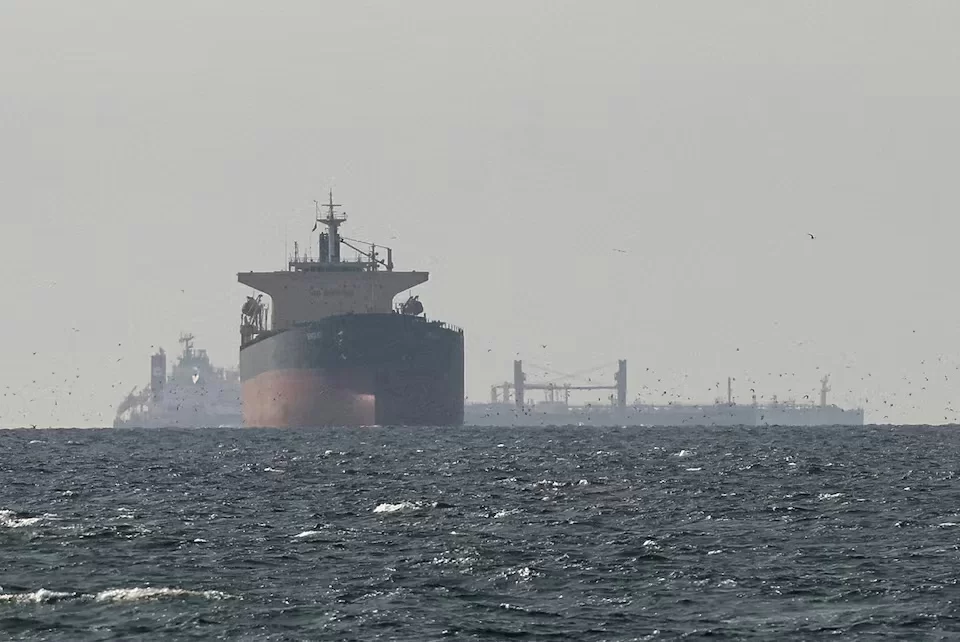
Iran zet olieshock in om Amerikaanse militaire macht te neutraliseren
Amid escalating tensions with the United States and Israel, Iran has strategically weaponized the world’s most critical oil transit route—the Strait of Hormuz—transforming it into a powerful deterrent against military superiority, according to three regional sources familiar with Tehran’s strategy. This maneuver effectively leverages the Gulf’s primary economic artery to neutralize adversaries’ advantages while triggering global energy market disruptions.
Historical Precedents and Enhanced Capabilities
Iran’s current tactics echo its playbook during the 1980–1988 Iran-Iraq Tanker War, when it targeted vessels to destabilize maritime security. However, modern advancements have drastically amplified its reach: Tehran now possesses extensive stockpiles of low-cost missiles and drones capable of threatening shipping across a broader region. Notably, recent attacks demonstrate Iran’s ability to disrupt traffic without mining waters, showcasing evolved asymmetric warfare techniques.International Reactions and Warnings
U.S. President Donald Trump has issued stern warnings to Iran, emphasizing that Washington “completely destroyed military targets” and threatening further strikes on Iranian oil infrastructure, including the strategic Kharg Island. He asserted that any obstruction of free navigation through the Strait of Hormuz would prompt immediate reconsideration of U.S. actions. Meanwhile, Gulf states like the UAE and Saudi Arabia expressed deep concern over regional escalation, urging civilians to avoid ports and military sites while collaborating with international partners to safeguard maritime security.Strategic Doctrine and Economic Warfare
At the core of Iran’s strategy lies the recognition of its military limitations against superior forces. Instead of direct confrontation, Tehran aims to exert economic pressure—both domestically and globally—to undermine support for the war in the U.S. and compel negotiations. This approach aligns with the Islamic Revolutionary Guard Corps’ (IRGC) decentralized “Mosaic” doctrine, designed to withstand decapitation strikes by dispersing command structures.Expert Insights and Future Projections
Ali Vaez, Director of the International Crisis Group’s Iran Project, noted that the U.S. entered the conflict unprepared, driven by “wishful thinking and poorly conceived strategies.” He argued that while Washington could significantly weaken Iran, total defeat would require a ground invasion with potentially one million soldiers—a scenario the U.S. has “no appetite for.” Iran’s immediate goal is survival, coupled with demonstrating to Washington that coercive tactics—military, economic, or diplomatic—are ineffective. By leveraging the Hormuz chokepoint and expanding the battlefield beyond its borders, Tehran bets on outlasting a far stronger adversary. -
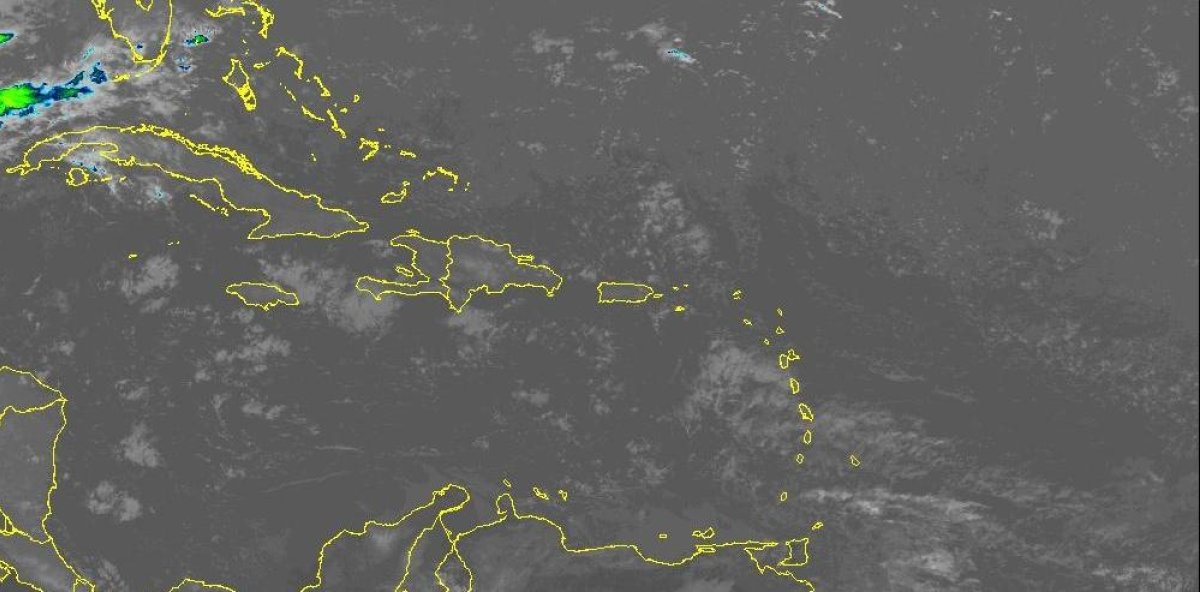
Today’s weather: Isolated showers and pleasant temperatures in the Dominican Republic
Meteorological authorities in the Dominican Republic have issued a comprehensive weather outlook for Sunday, forecasting a day of intermittent cloud cover and isolated precipitation across multiple regions. According to the Dominican Institute of Meteorology (Indomet), the prevailing easterly wind patterns will transport moisture-laden cloud systems, creating conditions for scattered rainfall throughout the national territory.
The morning hours are expected to witness occasional cloud formations accompanied by isolated showers, primarily affecting the northeastern and northern provinces including La Altagracia, El Seibo, Hato Mayor, Samaná, María Trinidad Sánchez, Duarte, Sánchez Ramírez, and Hermanas Mirabal. This pattern will shift westward during the afternoon, bringing similar meteorological conditions to Monte Plata, La Vega, Monseñor Nouel, Santiago, San Juan, and Elías Piña.
As evening approaches, meteorological modeling indicates the approach of a weak trough system that will reactivate precipitation patterns. This atmospheric disturbance is anticipated to generate scattered rainfall across coastal and interior regions including La Altagracia, La Romana, El Seibo, Hato Mayor, Samaná, María Trinidad Sánchez, Duarte, Sánchez Ramírez, and Barahona.
Temperature profiles remain consistently pleasant, with nighttime and early morning readings particularly comfortable in elevated terrain and interior valleys. Minimum temperatures are forecast to range between 20°C and 22°C, while daytime highs will reach between 28°C and 30°C, creating generally agreeable conditions across the island nation.
The national meteorological service has advised citizens to maintain vigilance regarding weather developments through official communication channels. Indomet emphasizes the importance of monitoring real-time updates via their institutional website and verified social media platforms for any changes in atmospheric conditions.