作者: admin

  • US Supreme Court weighs ending protected status of Haitians, Syrians

    US Supreme Court weighs ending protected status of Haitians, Syrians

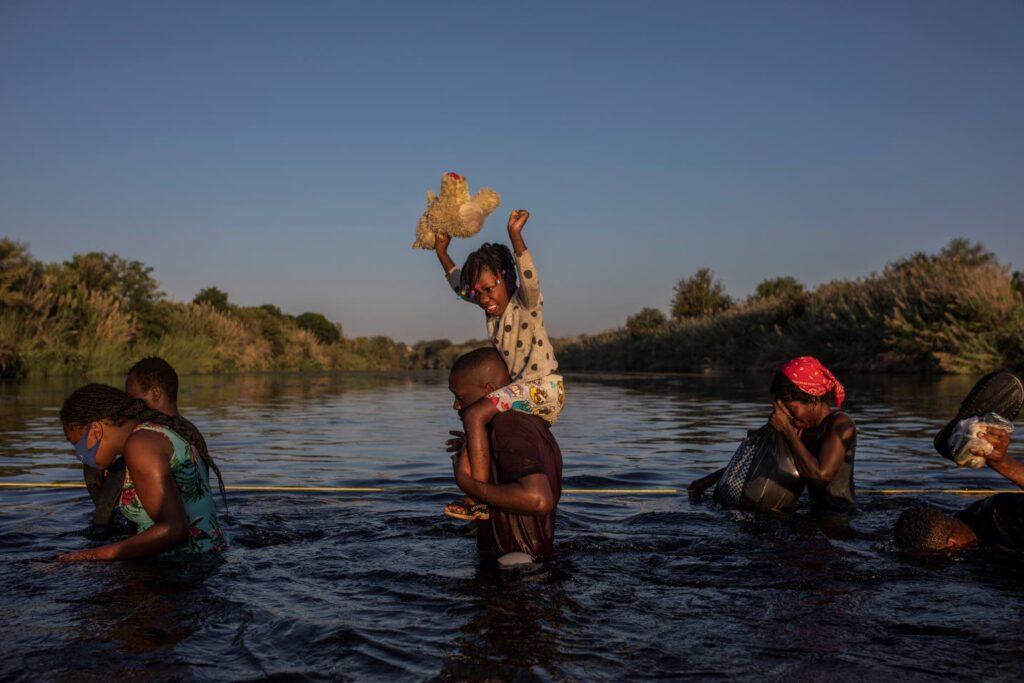
    On Wednesday, the deeply divided U.S. Supreme Court convened to hear legal challenges to the Trump administration’s 2019 order to revoke Temporary Protected Status, or TPS, for hundreds of thousands of Haitian and Syrian migrants currently residing in the United States. The high-stakes case has far-reaching ramifications for more than one million TPS beneficiaries from a dozen additional nations who now face the threat of mass deportation.

    Created as a humanitarian protection program, TPS shields eligible migrants from deportation and grants them work authorization, granted exclusively to people who cannot safely return to their home countries due to active armed conflict, natural disaster, or other extraordinary, life-threatening crises. Haitian nationals first gained TPS eligibility in 2010, after a magnitude 7 earthquake killed more than 200,000 people and leveled much of the country’s critical infrastructure. More than a decade later, the Caribbean nation remains mired in systemic extreme poverty, widespread gang-related violence and kidnapping, chronic political collapse, and a shattered healthcare system that prompted the U.S. State Department to issue a Level 4: Do Not Travel advisory for all American citizens. Syria obtained TPS in 2012 at the outbreak of its ongoing devastating civil war, which has left the country fragmented and unsafe for returning civilians.

    As part of his broader hardline immigration agenda, former President Donald Trump made a 2016 campaign pledge to remove millions of undocumented migrants from the U.S., and made dismantling the longstanding TPS program a central policy priority. Since taking office, his administration revoked TPS protections for migrants from 12 countries beyond Haiti and Syria, including Afghanistan, Myanmar, Somalia, Venezuela, and Yemen.

    During Wednesday’s arguments, Solicitor General John Sauer, representing the Trump administration, told the court that the Department of Homeland Security’s TPS termination decision falls under executive authority and is not eligible for judicial review. Sauer argued that barring courts from reviewing such policy choices prevents inappropriate “judicial micromanagement” of executive-led foreign policy, and added that Trump’s past controversial remarks about Haiti were being taken out of context. He claimed the president’s comments, in which he referred to Haiti and other African nations as “shithole countries” and expressed a preference for migrants from Norway over Haiti, were referencing “problems of crime, poverty and welfare dependency” rather than expressing racial bias.

    Counsel for the Haitian and Syrian TPS holders pushed back forcefully against the administration’s arguments, arguing that unsafe conditions in both home countries remain unchanged, and that the TPS cancellation was driven at least partially by explicit racial animus. Ahilan Arulanantham, an attorney for the Syrian TPS petitioners, emphasized that the case centers on “the power to mass expel people who have done nothing wrong to countries that remain unsafe.” Liberal Justice Sonia Sotomayor echoed this concern during questioning, directly referencing Trump’s reported comments about Haiti to question whether discriminatory intent motivated the policy.

    Early indications from the court’s ideological split suggest the six-member conservative majority leans toward siding with the Trump administration’s position, while the court’s three liberal justices appear ready to oppose the move. A final ruling from the court will set a binding precedent that shapes the future of TPS for all beneficiaries across the country.
  • JLP condemns Brown Burke for touching Parliament’s mace

    JLP condemns Brown Burke for touching Parliament’s mace

    KINGSTON, Jamaica — A fiery parliamentary dispute has erupted in Jamaica following an extraordinary incident during a debate on critical hurricane recovery legislation, with the ruling Jamaica Labour Party (JLP) issuing a harsh rebuke of opposition Member of Parliament Angela Brown Burke. The controversy stems from Brown Burke’s physical contact with the ceremonial mace during a Committee of the Whole House sitting convened to review clauses of the National Reconstruction and Resilience Authority (NaRRA) Bill.

    In an official press statement released Wednesday, the JLP emphasized that interfering with the mace during parliamentary proceedings constitutes a flagrant violation of the legislature’s Standing Orders, qualifying as overt disorderly conduct. Across all Commonwealth parliamentary systems, the JLP noted, the act of touching or tampering with the ceremonial mace during an official committee sitting is recognized as a severe breach of parliamentary privilege and long-standing procedural etiquette. Standard protocol for such a violation, the party added, typically warrants immediate suspension, expulsion from the parliamentary chamber, and potential further disciplinary action.

    The ceremonial mace, the JLP explained, stands as a tangible symbol of the inherent authority of the Speaker of the House and the Jamaican Parliament as a whole. Any deliberate interference with the object is therefore legally and procedurally classified as contempt of Parliament, a serious charge against any sitting legislator.

    The controversy does not end with the mace incident, according to the ruling party. After Speaker Juliet Holness named Brown Burke for her conduct and issued an order suspending her for the remainder of the sitting, the MP initially refused to comply with the directive to leave the chamber. This act of defiance, the JLP confirmed, represents a second distinct breach of parliamentary Standing Orders.

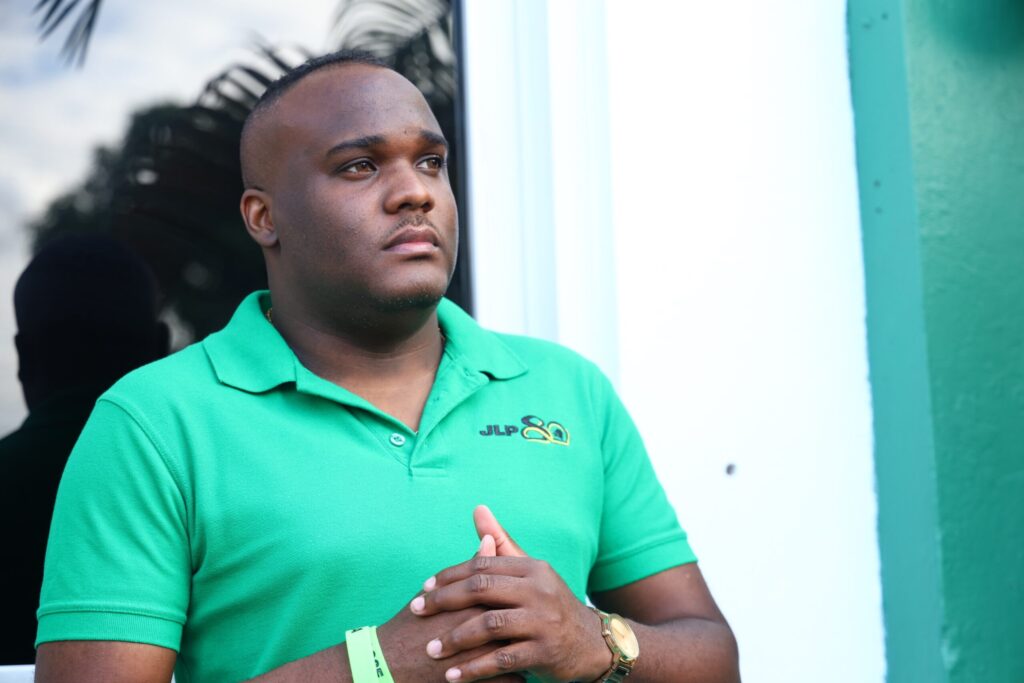
    Senator Abka Fitz-Henley, JLP Communication Chairman, framed the incident as an unacceptable attack on the integrity of parliamentary business. “MP Brown Burke’s conduct in disrupting the sitting of the House of Representatives is unacceptable and a disgrace,” Fitz-Henley said in the statement. “Her action was a clear attempt to disrupt the business of the Parliament, which was in the process of treating with a Bill, which is crucial to assist Jamaicans to recover from the devastating impact of Hurricane Melissa.”

    Fitz-Henley also extended criticism to Brown Burke’s colleagues in the opposition People’s National Party (PNP), accusing the party of enabling the disorder. When the order to expel Brown Burke was issued, PNP MPs stood between the opposition legislator and parliamentary officials to block her departure from the chamber. The ruling party spokesman called this collective action proof that the PNP cannot be trusted to conduct the nation’s public business in a responsible, appropriate manner. He also took aim at PNP leader and opposition chief Mark Golding, arguing that Golding’s failure to immediately intervene to force Brown Burke to comply with procedural rules was entirely consistent with the party’s pattern of poor conduct.

    The incident capped off a chaotic late-night session at Jamaica’s Gordon House, the seat of the country’s parliament, deepening partisan tensions ahead of further consideration of the NaRRA Bill.

  • Iran war could push 30 million people into poverty—UN

    Iran war could push 30 million people into poverty—UN

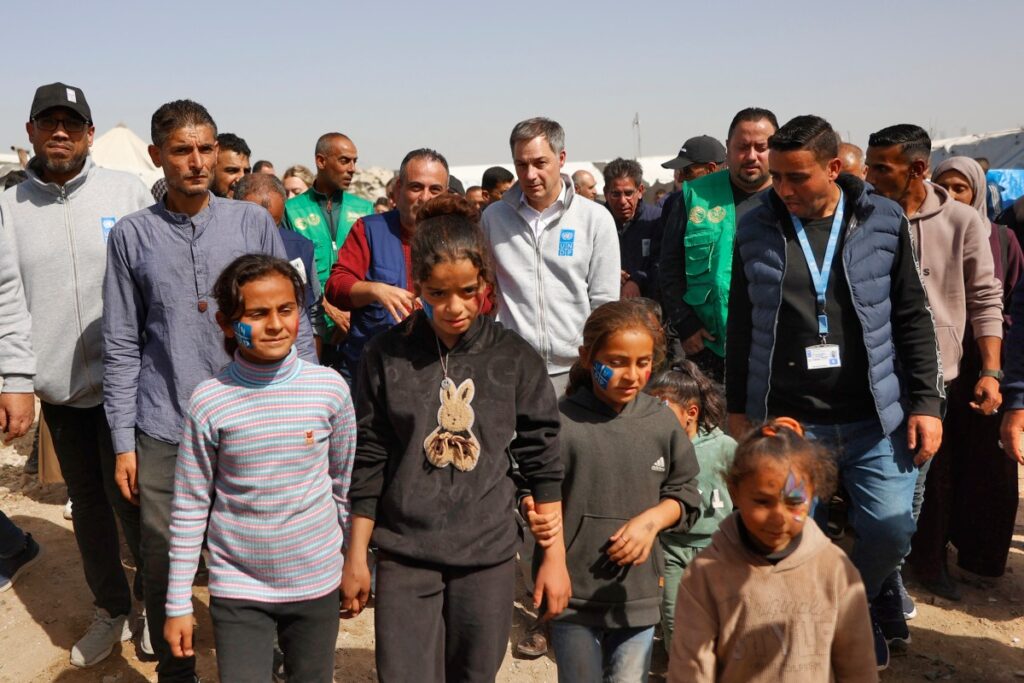
    During a G7 development gathering held in Paris on Wednesday, the top official of the United Nations Development Programme (UNDP) issued a stark warning: the ongoing US-Israeli military conflict against Iran has triggered skyrocketing energy and fertilizer prices, a global economic shock that risks pushing more than 30 million vulnerable people across the world into poverty.

  • Departing US still owes money, says WHO chief

    Departing US still owes money, says WHO chief

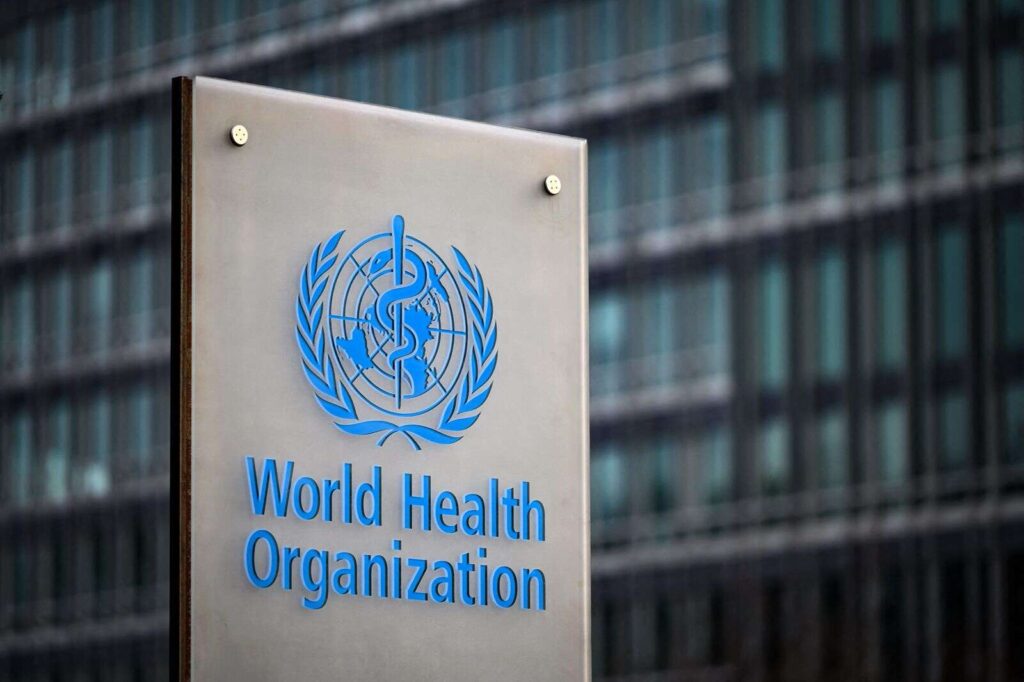
    GENEVA, Switzerland — In a press briefing Wednesday at the United Nations’ global health body, World Health Organization Director-General Tedros Adhanom Ghebreyesus delivered an update on the United States’ planned exit from the agency, confirming that Washington has failed to meet its key financial obligation required to complete the withdrawal process. When former President Donald Trump took office for his second term in January 2025, he formally submitted the mandatory one-year withdrawal notice to the WHO, a step that aligns with the withdrawal conditions the U.S. set when it joined the organization back in 1948. Under the terms of that 1948 accession agreement, two requirements must be fulfilled for the withdrawal to take effect: a 12-month advance notification, and full settlement of all outstanding membership dues. Tedros noted that the first condition has already been satisfied, as the notice period came to an end in January 2025, but the second obligation remains unfulfilled. As of the briefing, the WHO has not received any payment from the U.S. to cover its overdue membership fees for 2024 and 2025, which total approximately $200 million. Tedros added that the WHO has received no official indications from Washington that the payment is forthcoming. For decades, the United States held the position of the WHO’s largest single contributor to the organization’s core budget, accounting for a significant share of its annual operating funds. While the outstanding payment is a formal requirement for withdrawal, Tedros emphasized that the organization’s core concern extends far beyond the unpaid funds. “To be honest, it’s not about the money,” Tedros told reporters from the UN Correspondents Association ACANU. “The issue is health security needs universality and the US, by withdrawing, makes itself unsafe and makes the rest of the world unsafe. So it’s lose-lose.” The WHO chief stressed that the organization’s top priority right now is encouraging the U.S. to reverse its decision and re-engage with global health cooperation. “Where there is a vacuum, the virus wins. It’s as simple as that. It’s global cooperation and solidarity which is the best response,” he said. A formal vote on the U.S. withdrawal will be taken during the annual meeting of the World Health Assembly, the WHO’s supreme decision-making body, which is scheduled to convene in Geneva from May 18 to 23. Currently, the U.S. flag is no longer displayed outside the WHO’s Geneva headquarters, a visible marker of the strained relationship between Washington and the agency. Unlike the U.S.’s 1948 accession terms, the WHO’s formal constitution does not include an explicit provision for member state withdrawal. In January, shortly after the withdrawal notice period expired, U.S. Secretary of State Marco Rubio and U.S. Health Secretary Robert F. Kennedy Jr. issued a sharp public rebuke of the WHO, claiming that the agency had disrespected the contributions the U.S. has made to global public health over decades and that “insults to America” had continued up to the present day. The WHO pushed back against these accusations in a direct response, stating that the claims were unfounded and that the reverse of what the U.S. officials claimed is true. Despite the public friction, Tedros confirmed that regular communication channels remain open between the WHO and the U.S. Department of Health and Human Services. “We keep in touch every now and then,” Tedros told reporters, confirming that he still speaks regularly with Kennedy.

  • ‘Diverse’ new album coming, says D’Yani

    ‘Diverse’ new album coming, says D’Yani

    Eight years in the making, a fresh full-length reggae project from Jamaican recording artist D’Yani is set to hit audiences this August, bringing a distinctly unique sonic shift that marks a departure from the artist’s typical creative output. D’Yani first shared details of the upcoming release during an on-site press interaction at the Reggae in the Gardens event, a highlight of this year’s Barbados Reggae Weekend held this past Sunday.

    Unlike his previous work, which leaned heavily into dancehall rhythms with occasional R&B influences, the artist emphasized that the new album is rooted entirely in core Caribbean reggae sounds spanning multiple subgenres. From upbeat ska stylings to the laid-back, signature grooves of one-drop reggae, the project carries what D’Yani describes as an open, carefree “Live a Little” energy that sets it apart from his earlier catalogue.

    When asked to name a standout personal favorite from his body of work so far, the artist behind the fan-favorite track *Ride It* declined to single out any one release, noting that he holds deep affection for every song that makes up the growing D’Yani discography. Still, he made clear that his upcoming 10-track (unspecified) album carries extra personal weight, calling it a long-gestating project that he has been anticipating for years.

    What makes the release particularly notable is its long development timeline: the project has been eight years in the making, with some tracks written even before D’Yani launched his official professional music career. The artist began writing and creating music while he was still a high school student, meaning some of the album’s cuts are older than his formal career as a performing and recording artist. D’Yani also shared a note of gratitude for the ongoing support he has received from fans and industry peers throughout his journey, saying he remains deeply thankful to be able to pursue music as his life’s work, and is eager for audiences to finally hear the years-in-the-making project.

  • Tony Wilson, founder of 70s group Hot Chocolate and co-writer of ‘You Sexy Thing’ has died

    Tony Wilson, founder of 70s group Hot Chocolate and co-writer of ‘You Sexy Thing’ has died

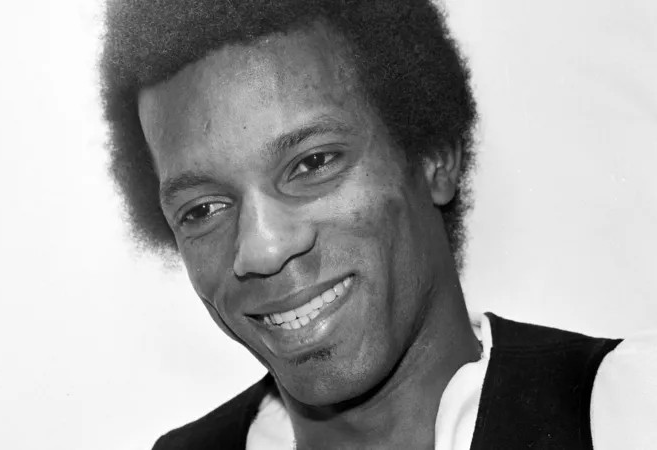
    The British soul music landscape is mourning one of its foundational figures: Tony Wilson, bassist, songwriter and co-founder of the legendary group Hot Chocolate, has died at the age of 89. Wilson passed away peacefully at his home in Trinidad on April 24, and his family has confirmed the news via social media, though no specific cause of death has been disclosed to the public.

    In a heartfelt Facebook post announcing the loss, Wilson’s daughter shared that her father left behind a lasting legacy of beloved music that will resonate for generations. She reflected on the peaceful final days of his life, noting that he had reconnected with his faith the week before his passing, and had expressed awareness that his time was coming. “The peace that I have is knowing that his soul escaped. He is in and at peace,” she wrote.

    Wilson’s son Danny also opened up about the grief of losing his father, while highlighting the relentless work ethic that turned Wilson’s childhood dream of making music into a decades-long career. It was only after discovering his father’s old personal diaries from 1970 and 1971 that Danny understood just how grueling Wilson’s path to success was. Those diaries chronicle every rejection, every cross-country tour, every radio interview, and the meticulous tracking of every record sale – all against the backdrop of the fiercely competitive, cutthroat 1970s British music industry. “Words don’t do justice to the admiration I have for him as a human being or for his dedication to make his dream of getting the songs he wrote be heard,” Danny said, adding that the extent of his father’s hard work was “truly staggering”.

    Born in Trinidad, Wilson cut his teeth in the local and regional music scene, playing with a string of bands including The Flames, The Souvenirs and The Corduroys before teaming up with lead vocalist Errol Brown to form Hot Chocolate in the late 1960s. The pair got their first big break in 1969, after sending a reggae reimagining of John Lennon’s *Give Peace a Chance* directly to Lennon himself, who welcomed the adaptation and helped the band earn early industry attention.

    Hot Chocolate quickly rose through the ranks of British popular music. Their 1970 debut single *Love is Life* climbed to number six on the UK charts, kicking off an unprecedented run of success: the group notched at least one charting hit every single year through 1984, making them the first British act to earn 15 consecutive years of top chart entries. The 1974 ballad *Emma* became the band’s first major breakthrough hit in the United States a year after its UK release, and later that same year, the Wilson-co-written track *You Sexy Thing* cemented the group’s place in pop history. The single earned platinum certification in the UK, spent multiple weeks in the top 10 of the U.S. Billboard Hot 100, and even re-entered the charts in 1997 after being featured in the hit comedy film *The Full Monty*, proving its enduring cross-generational appeal.

    Shortly after the band’s career peak with *You Sexy Thing*, Wilson departed Hot Chocolate to return to his solo work, a project he first launched in the 1960s with a series of singles released through Decca Records. While he put out two full solo albums – 1976’s *I Like Your Style* and 1979’s *Catch One* – neither release gained major commercial traction on global music charts. Beyond his iconic hit *You Sexy Thing*, Hot Chocolate went on to earn further acclaim with other fan-favorite hits including *Every 1’s A Winner* and *So You Win Again*.

    Wilson was one of the last surviving original core members of the iconic group. Lead vocalist and co-founder Errol Brown, who was born in Jamaica, passed away in 2015; at the time, Wilson shared a public tribute to his long-time collaborator on Facebook, writing “Rest in peace, Errol Brown. Heartfelt condolences to your family, friends and all fans.” Original Hot Chocolate guitarist Franklyn Delano De Allie, a Grenada-born musician, died in Bermuda in 2018.

  • WATCH: Cooreville Gardens resident leads community effort to patch potholes

    WATCH: Cooreville Gardens resident leads community effort to patch potholes

    KINGSTON, Jamaica — When a sudden burst tire from a pothole caught her attention on a rainy evening, one Cooreville Gardens resident refused to wait for official intervention. Instead, Maureen Gordon rallied fellow local volunteers to launch a grassroots pothole patching project to make her neighborhood’s roads safer for everyone.

    Gordon shared the story of how the initiative got off the ground in an interview with Jamaica Observer Online. She was relaxing in her living room during a heavy downpour when she heard a loud crash outside. Realizing a driver had hit one of the area’s many large, rain-hidden potholes and suffered a blown tire, she made the decision to act. The next morning, she inspected the damaged road and committed to taking on the work herself.

    Gordon explained that she had already ordered construction materials for another personal project, and chose to repurpose those supplies to start patching potholes before the contracted worker she hired was even scheduled to arrive. For her, the project is rooted in a core belief about community interdependence. “We have to live for each other. We are all a chain link. Some people don’t understand that whatever I do, I do from my heart,” she said.

    Local drivers and people passing through the neighborhood have already praised Gordon’s proactive effort. She noted that unaddressed potholes are a hazard for more than just local residents: countless through traffic drivers hit these hidden dips during heavy rain, often leaving with costly vehicle damage. By patching as many problem spots as the volunteer group can, they are working to reduce that preventable harm for everyone who uses the road.

    The community-led project was documented on video by journalist Llewellyn Wynter.

  • Call for regional push towards renewable energy

    Call for regional push towards renewable energy

    Against a backdrop of skyrocketing global oil prices fueled by ongoing conflict in the Middle East, a top Cayman Islands official has issued a urgent call for Caribbean countries to abandon their long-standing reliance on expensive imported fossil fuels and pivot toward the region’s abundant untapped renewable energy resources.

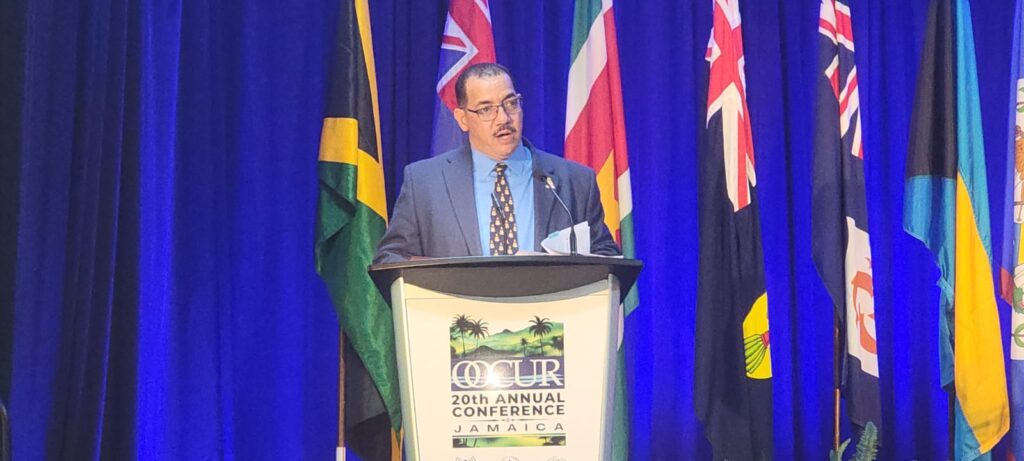
    Cayman Islands Finance and Economic Development Minister Rolston Anglin, who also holds the education and training portfolio, delivered the call Tuesday during the opening ceremony of the Organization of Caribbean Utility Regulators (OOCUR) 2026 Conference, which is being hosted this year at Jamaica’s Ocean Coral Spring Resort in Trelawny. The conference, running through May 1 under the theme “Navigating Caribbean Regulatory Challenges: Opportunities, Innovations and Collaborations,” brings together regional policymakers and energy regulators to address pressing sectoral challenges.

    Anglin pointed out that Caribbean nations have depended on imported fossil fuels for generations, leaving household budgets and national economies extremely vulnerable to every swing in global commodity prices. “This dependence is a vulnerability we have accepted as permanent. It is not,” he told attendees, highlighting that the region is naturally endowed with high-potential renewable resources—from abundant sunlight and steady winds to geothermal energy—that have yet to be developed at a large scale.

    Beyond environmental benefits, Anglin framed the shift to renewables as a critical economic and national security priority for the region. “The raw materials for transformation are here. What is required now is the regulatory architecture to unlock investment, protect consumers, ensure grid stability, and attract the partnerships needed to move from ambition to reality,” he said, adding that regional energy regulators hold consequential leverage to drive this transition.

    Speaking on behalf of Jamaican Prime Minister Dr Andrew Holness, Minister without Portfolio Andrew Wheatley, who oversees science, technology and special projects, outlined Jamaica’s ongoing progress in building out alternative energy capacity. To accelerate the shift away from fossil fuels, Jamaica has cut import taxes on electric vehicles to boost adoption of clean mobility, and is scaling up solar photovoltaic systems paired with battery storage as a core renewable energy strategy.

    Wheatley noted that private investment in residential and commercial solar systems has grown in Jamaica, driven by both cost-saving incentives and rising public awareness of climate change risks. He echoed Anglin’s assessment that persistent heavy dependence on imported fossil fuels has left Caribbean nations with some of the world’s highest electricity prices, squeezing both household finances and business competitiveness. He also reiterated a longstanding regional point: while Caribbean countries contribute a tiny fraction of global greenhouse gas emissions, they bear the brunt of climate change impacts, most notably through increasingly powerful and destructive hurricane seasons.

    Anglin emphasized that cross-border and cross-stakeholder collaboration is the foundation of successful regional energy transition. He called on fellow regional government leaders across all jurisdictions represented at the conference to strengthen partnerships with independent energy regulatory bodies, incorporate their on-the-ground expertise into policy design, and provide these institutions with the funding, clear mandates, and political backing they need to operate effectively.

    Organizations such as OOCUR, he added, offer an invaluable platform for cross-border knowledge sharing that regional policymakers should actively leverage to accelerate progress. Anglin also highlighted a critical gap holding back the transition: many regional governments, including his own in the Cayman Islands, have not yet recognized the full economic value of well-resourced, technically skilled independent energy regulators. Underfunding or sidelining these institutions, he warned, slows broad national development and prevents the region from unlocking the full economic and environmental potential of its renewable energy endowments.

  • ‘Raising the age of consent does not address teen pregnancy’, says Fi We Children Foundation

    ‘Raising the age of consent does not address teen pregnancy’, says Fi We Children Foundation

    KINGSTON, Jamaica — In response to a recent legislative proposal from Jamaica’s opposition education spokesperson to raise the age of sexual consent as a fix for persistent teenage pregnancy rates, the local Fi We Children Foundation (FWCF) has pushed back, arguing that legal adjustment alone cannot resolve this complex social challenge and that policymakers must prioritize evidence-based reproductive health support for young people instead.

    The debate was ignited this week when Opposition Spokesman on Education Damion Crawford presented his call during Tuesday’s Sectoral Debate in Jamaica’s House of Representatives. Crawford urged the government to lift the current age of consent from 16 to 18 years, framing the change as a key measure to cut the country’s high teenage pregnancy incidence.

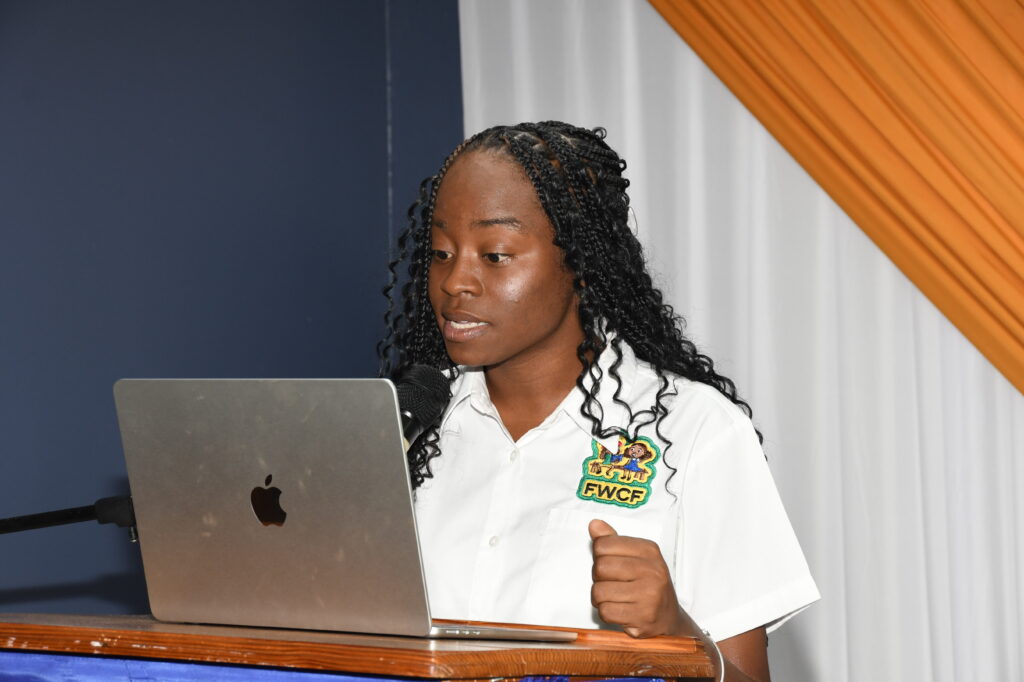
    Africka Stephens, executive founder of FWCF, pushed back against the proposal in a formal press briefing issued Wednesday, warning that the policy change would do more harm than good for Jamaican youth. “Given the realities of adolescent sexual behaviour in Jamaica, raising the age of consent may risk unnecessarily drawing more young people into the criminal justice system rather than protecting them,” Stephens explained. “Any policy discussion must be grounded in practicality, evidence and the lived experiences of Jamaican youth, not moral panic.”

    FWCF’s position draws on preliminary findings from its ongoing 2024/2025 Youth for Reproductive Justice Project, a research and outreach initiative funded by the European Union and the Council of Voluntary Social Services (CVSS). Through direct community engagement with adolescents across the country, the organization has documented that underage sexual activity is already a widespread reality: many young people begin sexual experimentation before they reach their teenage years, even among those below the current 16-year age of consent threshold.

    Most notably, FWCF’s work found that young people themselves are not calling for harsher criminalization of sexual activity. Instead, they are demanding accessible, stigma-free comprehensive sex education that directly addresses their practical questions and health concerns. Young people want safe, judgment-free spaces to talk about sexual and reproductive health with trusted adults — including medical providers, school guidance counsellors and family members, the foundation emphasized. Raising the age of consent to 18 does nothing to change the existing reality of adolescent sexual activity or reduce unintended pregnancy rates, FWCF added.

    The organization outlined what it argues are evidence-based interventions that would actually drive down teenage pregnancy: widespread access to comprehensive sex education in schools, youth-focused reproductive health centers distributed across every region of Jamaica, free or low-cost family planning resources, and stronger cross-sector collaboration between schools, families, and health care providers. This need is particularly acute in rural Jamaican communities, where access to reproductive health services remains severely limited, the foundation noted. It pointed to existing successful models, such as UNICEF’s Teen Hubs, which have already proven that youth-friendly reproductive health services deliver measurable positive outcomes for adolescents.

    FWCF stressed that teenage pregnancy is not a simple issue that can be resolved by adjusting the age of consent. A range of intersecting structural factors drive rates of unintended adolescent pregnancy, including widespread poverty, systemic social inequities, weak public health governance, limited access to basic health care, and a lack of supportive community and family systems for young people. Addressing these root causes must be the central priority for policymakers, the organization said.

    In closing, FWCF called on Jamaican lawmakers to abandon symbolic, politically popular legal changes that fail to tackle the underlying drivers of teenage pregnancy, and refocus policy on evidence-based interventions that meet the actual needs of young Jamaicans.

  • Pastor Mario Moxey elected new Christian Council president

    Pastor Mario Moxey elected new Christian Council president

    In a decisive electoral outcome for one of the Bahamas’ most influential faith-based organizations, Pastor Mario Moxey has been voted in as the new president of the Bahamas Christian Council, wrapping up a competitive selection process with a clear mandate to lead the group through the next three years.

    Final vote counts released to local media confirm Moxey earned 169 votes, while his challenger Apostle Raymond Wells garnered just 58, delivering a landslide victory that solidifies broad support across the council’s membership. Moxey will succeed outgoing president Bishop Delton Fernander, who has steered the interdenominational body since 2017, and will hold the presidency for the 2026 to 2029 term.

    In his first public address following the announcement of the results, Moxey made unifying the nation’s diverse Christian communities and strengthening collective national collaboration the cornerstone of his upcoming leadership.

    “Our first and foremost priority is securing unity in the body of Christ across all denominations,” he said. “Beyond the church, we also aim to build unity across civic, religious and governmental spheres, so that all groups can work together toward the common good of the Bahamian people. This vision is summed up in our leadership theme: One Voice. One Church. One Nation.”

    Moxey noted that he will first convene his newly elected executive team to map out concrete policy priorities aligned with available organizational resources, before rolling out new initiatives. In an official statement confirming the election results, the Bahamas Christian Council formally endorsed Moxey’s appointment and the unity-centered mandate that will guide the body’s work over the next three years.

    “It is both a privilege and a calling to serve God by serving the people of The Bahamas, and in particular the Christian Churches that span our nation,” the council’s statement read. “The Church represents the largest block of citizenry across every sector of society, with approximately 90 percent of our population identifying as Christian. This is not merely a statistic — it is a profound responsibility.”

    Expanding on the council’s strategic direction under his leadership, Moxey emphasized that the Church is positioned to act as a core unifying force in Bahamian public life, rather than a marginal interest group.

    “The Church is not a minority voice trying to be heard. We are the majority voice that must choose to be the unifier,” he said. “As we unify the Church, we position ourselves to help unify the nation, offering spiritual leadership, moral clarity, and a renewed sense of purpose for our people.”

    A 16-year veteran of the Bahamas Christian Council, Moxey most recently served as the body’s vice president prior to his election. He said his decades of involvement with the organization have been rooted in a longstanding commitment to public service for his home country.

    “I’ve always had a desire to serve my country. That’s the reason why I was in the Christian Council, because I felt as though I needed to serve, I needed to contribute,” he explained. “Just as a result of tenure and being there, it’s time for natural elevation to take place, to serve at a higher level. It’s my privilege to represent the Christian community at this season.”

    Alongside Moxey’s appointment, the council announced the full slate of its new executive leadership team, which includes representatives from a wide cross-section of Christian denominations across the Bahamas, reflecting the body’s commitment to inclusive representation of the nation’s diverse faith community.