作者: admin

  • Chinese Zijin Gold breidt wereldwijd uit met overname van Canadese Allied Gold

    Chinese Zijin Gold breidt wereldwijd uit met overname van Canadese Allied Gold

    Chinese mining giant Zijin Mining Group has unveiled plans to acquire Canadian miner Allied Gold Corporation in a landmark cash transaction valued at approximately C$5.5 billion (US$4.02 billion). The strategic move signals Zijin’s continued global expansion efforts, strategically timed during a period of unprecedented gold prices that have significantly enhanced profitability across the mining sector.

    The acquisition comes as gold prices maintain record-breaking levels driven by global economic uncertainties and increased demand for safe-haven investments. These market conditions have made gold mining companies particularly attractive to investors while accelerating industry consolidation trends.

    Under the agreement terms, Zijin will pay C$44 per share, representing a 5.4% premium over Allied Gold’s recent closing price. The announcement immediately triggered a nearly 4% surge in Allied’s premarket trading activity in U.S. markets. Allied Gold CEO Peter Marrone emphasized that the transaction delivers “significant value for shareholders” while highlighting the scale of the company’s African gold portfolio.

    The transaction, expected to finalize by late April 2026, occurs against the backdrop of improving Canada-China trade relations. Both nations recently reached preliminary agreements to reduce import tariffs on electric vehicles and canola oil while committing to further diminish trade barriers and enhance strategic cooperation.

    Zijin, ranking among the world’s largest gold producers with operations across nine countries, demonstrated strong market performance following its Hong Kong listing last year, bolstered by the sustained gold price rally. The company maintains significant presence in Suriname through its ownership of Rosebel Gold Mines, one of the country’s largest gold operations that plays vital role in the Surinamese economy.

    The acquisition agreement includes a termination clause requiring Allied to pay Zijin C$220 million if the deal fails under specified conditions. This move exemplifies broader industry trends where major producers expand their portfolios through strategic acquisitions of long-life assets rather than exclusively investing in new mine development.

  • President Abinader declares 2026 “the year of Samaná”

    President Abinader declares 2026 “the year of Samaná”

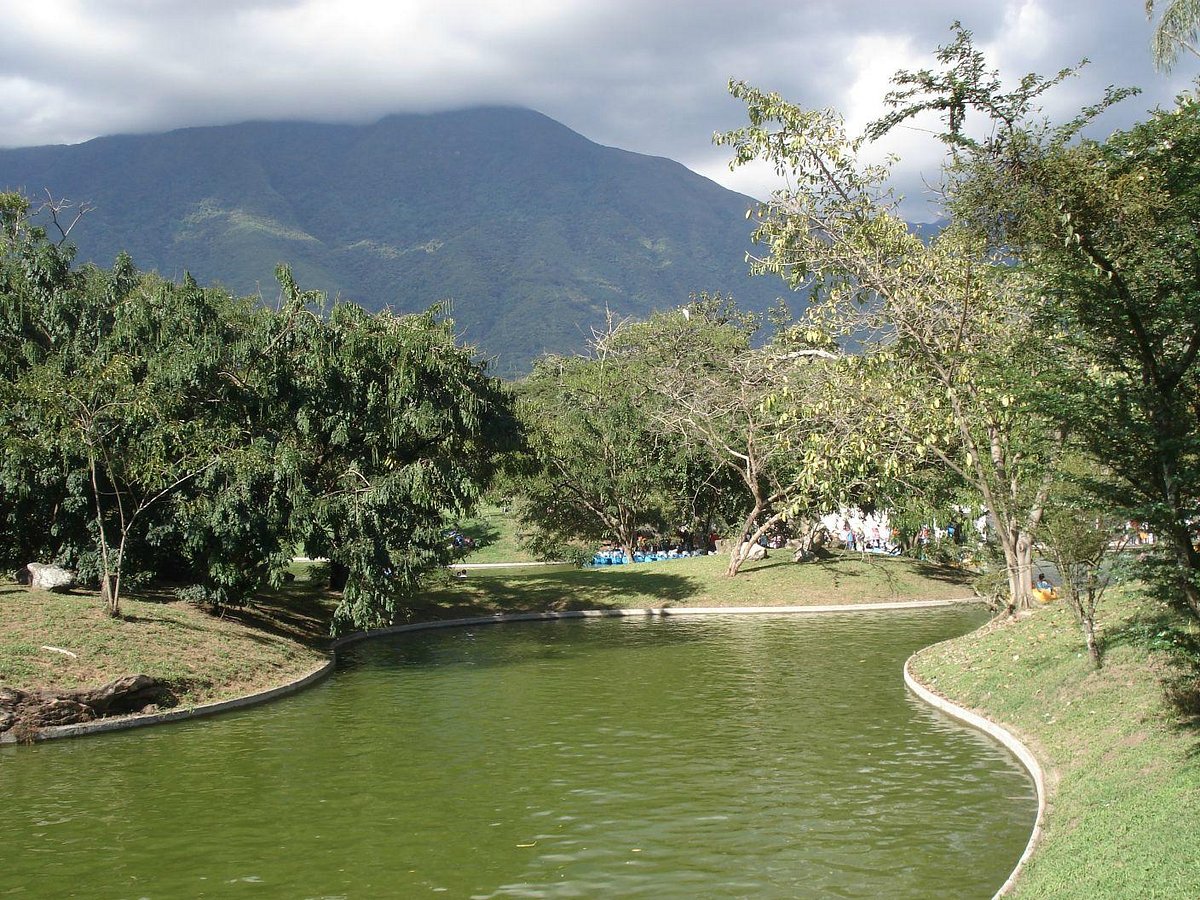
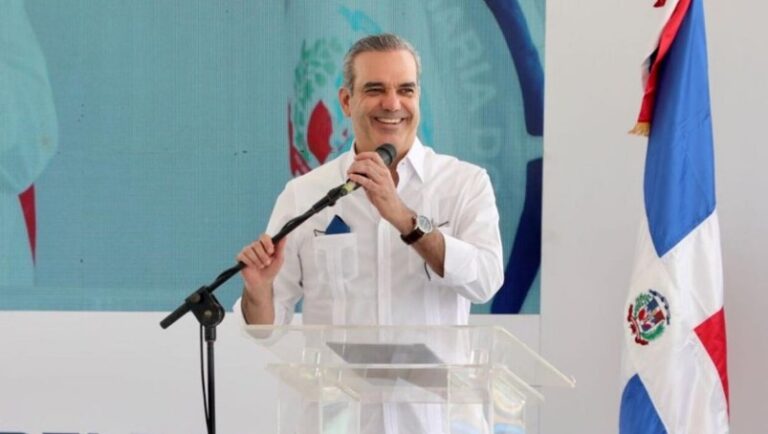
    President Luis Abinader has articulated a bold vision to position the province of Samaná as a cornerstone of the Dominican Republic’s tourism and economic expansion. Speaking via telephone during the inauguration ceremony of the Juan Pablo Duarte Central Park, the president designated 2026 as \”the year of Samaná,\\” a declaration underpinned by a series of transformative infrastructure initiatives.\n\nThe centerpiece of this development strategy involves the complete operational launch of the port in Samaná Bay, coupled with the commencement of activities at a new tourist dock in Arroyo Barril. President Abinader projected that these two maritime projects alone are poised to create a substantial number of employment opportunities, encompassing thousands of both direct and indirect jobs. This infrastructural boost is designed to not only amplify the tourism sector but also to synergize with the existing economic vitality observed in neighboring areas such as Las Terrenas and broader northern territories.\n\nBeyond maritime logistics, the inauguration of the central park itself signifies a critical component of a larger urban revitalization campaign. The president extended commendations to the Ministry of Tourism, provincial officials, and the local community for their roles in this achievement. This project is a dual-purpose endeavor, aiming to elevate the everyday living standards for inhabitants while simultaneously augmenting the province’s appeal to international visitors, thereby creating a more sustainable and attractive destination.

  • Finance Ministry proposes licensing requirement for cruise ship casinos

    Finance Ministry proposes licensing requirement for cruise ship casinos

    The Dominican government has initiated a groundbreaking regulatory move targeting the cruise tourism sector by introducing comprehensive licensing requirements for vessel-based casinos. The Ministry of Finance and Economy has unveiled a draft resolution mandating that first-class cruise ships featuring gambling facilities must obtain official authorization to operate within Dominican territorial waters for durations exceeding six hours.

    This pioneering regulatory framework comes in response to the substantial growth in cruise tourism, with official statistics revealing 788 cruise vessels transporting over 2.8 million passengers visited the Caribbean nation in 2025. The proposed legislation specifically addresses vessels with passenger capacities exceeding 2,000 individuals, subjecting them to identical regulatory standards applied to land-based casinos in premium hotels. The initiative primarily aims to combat potential financial crimes, including money laundering operations and terrorist financing activities that could originate from maritime gambling establishments.

    Under the proposed regulatory structure, cruise ship casino operators must secure licenses through the Directorate of Casinos and Gambling, supported by a substantial performance bond equivalent to RD$20 million. The licensing fee structure operates on a tiered system: vessels accommodating 2,000-3,499 passengers face a RD$1 million fee, while those with 3,500+ passenger capacity require RD$1.5 million. Each license permits exclusively one gaming facility per vessel, remains non-transferable between operators, and maintains validity for five-year terms. License renewal costs are established at 50% of the original fee amount.

    Supplementary operational provisions include annual fees ranging from RD$600,000 to RD$800,000, determined by the quantity of active gaming tables. The regulation further restricts vessels to 15 annual entries into Dominican waters, imposing an additional RD$15,000 charge for each extra entry. All financial obligations will be directed to the National Treasury, with annual adjustments reflecting Consumer Price Index fluctuations. The draft resolution currently remains open for public consultation, inviting stakeholder feedback before final implementation.

  • Women report sexual harassment while exercising at Parque del Este

    Women report sexual harassment while exercising at Parque del Este

    Santo Domingo has been shaken by alarming reports of sexual harassment targeting women in a popular public recreation area. Two female fitness enthusiasts came forward with accounts of being targeted by a perpetrator while exercising near the archery range at Parque del Este, an area they characterized as dangerously isolated with insufficient security monitoring.

    According to the victims’ detailed testimony, the assailant—identified as a Haitian national—concealed himself behind vegetation while engaging in explicit acts of self-exposure and lewd behavior directed at the women. When the targets recognized the threat and began vocalizing for assistance, the situation escalated as the individual reportedly launched projectiles in their direction before making his escape from the scene.

    The intervention of two male bystanders who were training nearby proved crucial in deescalating the confrontation and providing immediate support to the traumatized women. Following the harrowing experience, the victims formally documented the incident with Municipal Police officers stationed within the park grounds.

    Disturbingly, law enforcement personnel revealed this was not an isolated occurrence. The same individual has been the subject of multiple prior complaints regarding female harassment within the park premises, including allegations of inappropriate physical contact. Despite security responsibilities being formally divided between Armed Forces personnel and Municipal Police, victims assert that effective monitoring in the vulnerable archery section remains virtually absent.

    The continuing security deficiencies have generated widespread apprehension among female park visitors, with many now avoiding the area entirely due to legitimate safety concerns. The affected women have issued an urgent appeal to the National Police, demanding enhanced protective measures, consistent patrol rotations, and the apprehension of the suspected serial offender before more severe incidents occur. “Our purpose here is health maintenance, not survival in fear,” they emphasized, calling for immediate action to restore Parque del Este as a secure environment for women, children, and family gatherings.

  • Suriname en VAE verkennen samenwerking op diplomatiek en economisch vlak

    Suriname en VAE verkennen samenwerking op diplomatiek en economisch vlak

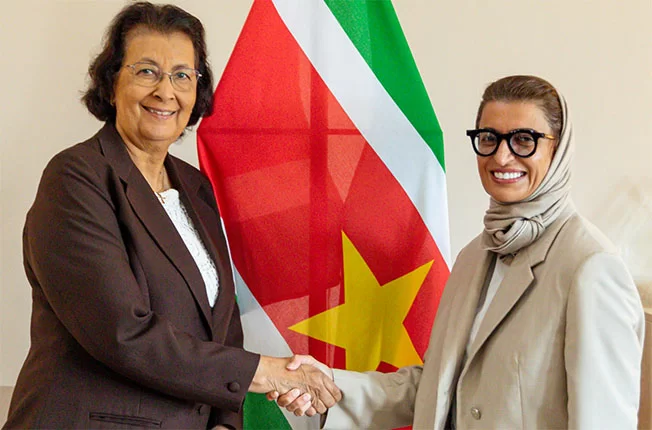
    In a significant diplomatic engagement, Surinamese President Jennifer Simons hosted United Arab Emirates Minister of State Noura bint Mohammed Al Kaabi on Monday, marking a pivotal step toward strengthening bilateral relations between the two nations. The high-level discussions focused on expanding diplomatic presence, technological collaboration, and sustainable development initiatives.

    The meeting yielded concrete plans for enhanced diplomatic representation, with Foreign Minister Melvin Bouva announcing the UAE’s intention to appoint a new ambassador to Suriname. In reciprocity, Suriname will designate a non-resident ambassador to the UAE. Additionally, both nations are considering establishing a Surinamese diplomatic mission in the UAE, strategically positioning Suriname to expand its Middle Eastern presence and access markets across the region and South Asia.

    Technology and digital transformation emerged as cornerstone collaboration areas, with the UAE offering expertise in artificial intelligence, e-governance, and smart city development. Both countries identified mutual opportunities for knowledge exchange and joint projects, particularly in renewable energy. Three key agreements are currently under development: an Air Service Agreement, an investment protection pact, and a comprehensive technological cooperation framework.

    Economic cooperation discussions encompassed agriculture, agri-business, sustainable tourism investments, and diversified energy development. Suriname emphasized its unique position as a carbon-negative nation while highlighting the importance of climate finance collaboration. The talks also covered cultural preservation, with the UAE expressing particular interest in restoring historic buildings within Paramaribo’s UNESCO World Heritage site—a commitment underscored by Minister Al Kaabi’s visit to the Cathedral Basilica of St. Peter and Paul.

    On multilateral matters, both nations pledged mutual support within the UN system and committed to collaborative efforts toward global stability and sustainable development, looking ahead to the Caribbean Energy Week that Suriname will host in March 2026.

    Minister Al Kaabi commended President Simons’ leadership and expressed anticipation for deepened cooperation. Both delegations committed to translating discussed agreements into actionable plans in the immediate future.

  • AIRD calls on CAASD to halt water rate adjustment citing disproportionate hike

    AIRD calls on CAASD to halt water rate adjustment citing disproportionate hike

    SANTO DOMINGO – The Association of Industries of the Dominican Republic (AIRD) has issued a formal demand for the immediate suspension of a drastic water and sewerage tariff adjustment implemented by the Santo Domingo Water and Sewerage Corporation (CAASD). The industrial group has condemned the measure as both disproportionate and unjustified, citing staggering increases of up to 400% imposed on the industrial sector without prior consultation.

    In an official statement, the AIRD voiced profound concern regarding the detrimental economic impact of the escalated fees. The association is urgently appealing to authorities to undertake a comprehensive review of the decision, insisting that any such policy must adhere to fundamental principles of legality, transparency, and inclusive public dialogue with all affected productive sectors. The organization leveled strong criticism at the CAASD for its failure to engage in preliminary discussions and for proceeding in the absence of published technical studies to rationally justify the substantial hike.

    Mario Pujols, Executive Vice President of the AIRD, articulated the association’s readiness to collaborate with officials in developing equitable and balanced solutions. However, he emphasized that any modifications to utility tariffs must be predictable, implemented gradually, and firmly grounded in sound legal and technical analysis. Pujols highlighted a critical operational concern: the abrupt enforcement of the new rates, devoid of any transitional period, severely disrupts the financial planning and budgetary frameworks of companies. This timing is particularly problematic as numerous businesses had already finalized and approved their financial budgets for the upcoming year, 2026.

    Furthermore, Pujols raised a significant alarm over the creation of a substantial pricing disparity between domestic industries and companies operating within free trade zones. He argued that this discrepancy severely undermines the competitiveness of local manufacturers and establishes a regime of discriminatory treatment. Concluding his remarks, the executive called for enhanced transparency and the application of consistent, fair criteria in water and sewerage tariff policies across the nation, warning that the ultimate burden of such measures is inevitably passed on to industrial costs and, consequently, consumer prices.

  • The flame that remains

    The flame that remains

    HAVANA – The historic Torch March, a century-old tradition symbolizing Cuba’s anti-imperialist resistance, once again transformed Havana’s streets into a flowing symphony of light on Tuesday evening. This annual ritual represents more than mere ceremony—it embodies the materialization of countless personal commitments coalescing into a powerful public declaration.

    The procession originates not in organized spectacle but in private dedication. Each torch is first kindled in imagination before being physically constructed in courtyards, workshop tables, and homes across the city. This initial spark evolves into a manifestation of collective will transformed into radiant light, where personal conviction merges with common purpose to create what participants describe as ‘a geography of warmth and purpose.’

    As darkness recedes before the advancing tide of flames, the night accepts the ritualistic progression. The march serves as both symbolic gesture and active declaration—a testament to the principles and courage of previous generations honored through this tradition. Participants emphasize that the significance lies not merely in carrying torches but in forming the tightly-knit community marching beneath their glow, sharing in their radiant, inviting warmth.

    Confronting what organizers characterize as ‘the old enemy threatening the homeland,’ the event symbolizes the ongoing struggle requiring both illuminating and purifying fire. The march incorporates the anti-imperialist ideology of Cuba’s founding fathers into living tradition, creating a space of pure presence where beauty manifests and becomes embedded in the city’s collective memory.

    While the grandiose image of an illuminated crowd creates powerful imagery, participants suggest the most enduring aspect may be the sequential lighting of torches—passing flame from friend to neighbor, ensuring nothing extinguishes along the route. The night’s testimony becomes generational certainty: like hope itself, the fire persists.

  • “We are committed to Cuba forever”

    “We are committed to Cuba forever”

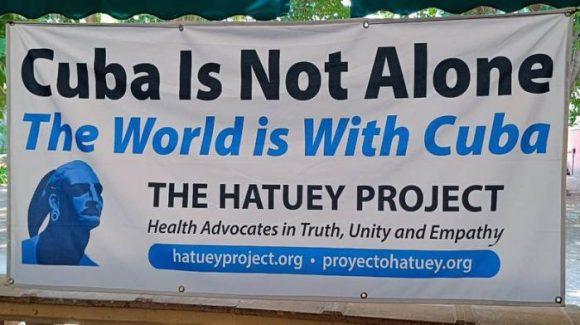
    Despite facing severe economic constraints exacerbated by longstanding trade restrictions, Cuba’s healthcare system has achieved a remarkable 80% survival rate for pediatric cancer patients through innovative protocols and government commitment. This impressive milestone was highlighted during the eighth humanitarian donation from the US-based Hatuey Project (Health Advocates in Truth, Unity and Empathy) to the island nation.

    At the Cuban Institute of Friendship with Peoples (ICAP) headquarters, project coordinator Gloria La Riva presented a substantial shipment of medical supplies and medications destined for pediatric oncology units at Havana’s Juan Manuel Márquez Hospital and Villa Clara’s José Luis Miranda Hospital. The donation will also support maternity facilities across the island.

    Dr. Carlos Alberto Martínez Blanco, head of the Cancer Control Section at Cuba’s Ministry of Public Health, acknowledged the critical challenges healthcare professionals face in maintaining treatment standards without access to first-line medications and advanced technologies due to trade limitations.

    The ceremony was attended by ICAP President Fernando González Llort, a Hero of the Republic, where La Riva declared the project’s unwavering solidarity: “We are committed to Cuba forever. We know that Cuba will not give in, it will not surrender, and neither will we. There are many people in the United States who support and love Cuba.”

    The event also served as a platform to condemn the US government’s continued inclusion of Cuba on its list of state sponsors of terrorism, which participants described as “infamous and false.” The Hatuey Project reaffirmed its stance alongside the Cuban people in opposing what they characterized as imperialist policies that compound healthcare challenges.

  • José Martí Memorial: the highest tribute

    José Martí Memorial: the highest tribute

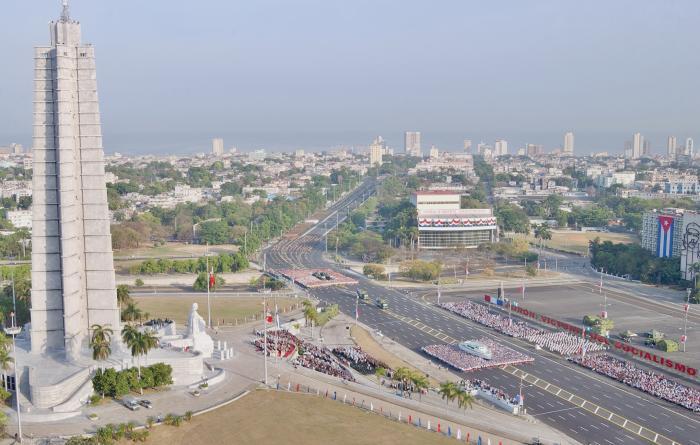
    Havana’s Revolution Square has been home to an iconic tribute to Cuban national hero José Martí since January 27, 1996, when revolutionary leader Fidel Castro inaugurated the monumental complex at the base of the square’s towering obelisk. Recognized as the world’s largest monument dedicated to Martí, the memorial stands as both an architectural marvel and a profound symbol of Cuban national identity.

    The concept for this permanent tribute originated with Fidel Castro Ruz, who championed the idea of creating a dedicated space to honor the intellectual architect behind the Moncada Barracks assault. The project gained momentum during 1995, coinciding with the centenary of Martí’s death in combat, ultimately materializing as the impressive structure that dominates Havana’s urban landscape.

    During the inaugural ceremony, Castro expressed profound satisfaction with the realization of this vision, noting: “One feels satisfaction that a man like him has received such a beautiful, aesthetic tribute. The combination of everything here is truly beautiful. The design has been excellent, so now we have a Memorial, which we thought we had, because there was a Monument and the star. I think many people will come to see it; there will not be a citizen who does not come to this place.”

    The memorial complex encompasses not only the striking obelisk but also an extensive museum dedicated to preserving and exhibiting valuable historical documents, photographs, and artifacts that chronicle Martí’s life and intellectual legacy. More than just an architectural achievement, the institution serves as a living testament to Martí’s enduring influence on Cuban revolutionary thought and national consciousness.

    Three decades after its establishment, the José Martí Memorial continues to function as both an educational center and a pilgrimage site for Cubans and international visitors alike. Its dual significance—combining majestic physical presence with deep historical resonance—cements its status as one of Cuba’s most important cultural and patriotic landmarks, ensuring that Martí’s philosophical contributions remain accessible to future generations.

  • Police arrest and charge two in Last Lap stabbing

    Police arrest and charge two in Last Lap stabbing

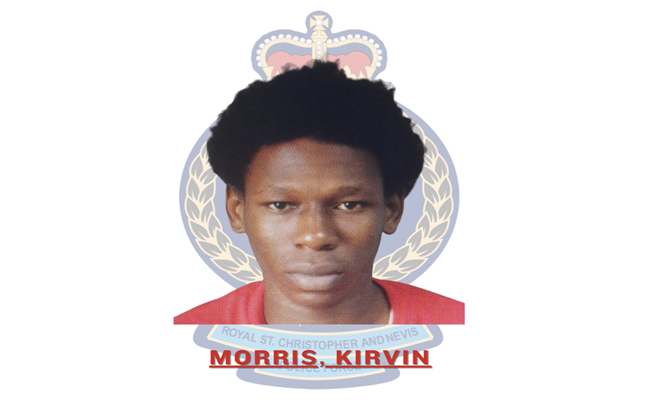
    In a tragic incident that disrupted national festivities, St. Kitts law enforcement authorities have formally charged two individuals in connection with the fatal stabbing of 18-year-old Kaden Hanley. Kirvin Morris, a resident of Haynes Smith Village, and an unidentified 16-year-old male face murder charges for the January 2nd altercation that occurred during the Christmas-Carnival celebrations.

    The violent episode unfolded between 8:30 p.m. and 9:00 p.m. near Independence Square in Basseterre, where police responders discovered Hanley suffering from a critical chest wound. Despite rapid transportation to Joseph N. France General Hospital by Special Services Unit personnel, the Shadwell Estate resident succumbed to his injuries and was pronounced deceased at approximately 9:00 p.m.

    This homicide—the first recorded in the Federation for 2026—prompted immediate cancellation of remaining Carnival events, sending shockwaves throughout the community. The incident’s impact reached governmental levels, with Minister of Creative Economy Samal Duggins issuing a heartfelt statement emphasizing the festival’s intended purpose of celebrating cultural unity and life’s fragility.

    Duggins urged collective reflection, stating: ‘These tragic circumstances remind us of our shared responsibility to protect one another. We must honor Kaden’s memory by embracing compassion over conflict and community solidarity over division.’

    The formal charges against both suspects were filed on January 24, marking a significant development in the investigation that has gripped the small nation.