作者: admin

  • Lorry in deadly Demerara River bridge mishap had mechanical failure; investigators probe eligibility for lorry driver’s licence

    Lorry in deadly Demerara River bridge mishap had mechanical failure; investigators probe eligibility for lorry driver’s licence

    A catastrophic chain-reaction collision on the Bharrat Jagdeo Demerara River Bridge has claimed one life and left another critically injured, with investigators now examining both mechanical failure and potential licensing irregularities. The Thursday morning incident occurred when a large goods vehicle experienced sudden mechanical failure, triggering a devastating backward roll into oncoming traffic.

    According to official statements from the Guyana Police Force, the tragedy unfolded at approximately 9:45 AM when lorry GAC 296, operated by a 23-year-old driver from Anna Catherina, lost propulsion while ascending the westward carriageway. Preliminary investigations indicate the vehicle came to an abrupt halt before rolling backward into multiple vehicles traveling behind it in the same lane.

    The confirmed fatality has been identified as 24-year-old Scott Dorwart of Grove, East Bank Demerara, who died instantly at the scene. Another occupant of the same vehicle, also 23 and from Anna Catherina, sustained serious injuries and remains hospitalized at Georgetown Public Hospital under medical supervision.

    Law enforcement authorities have taken both the driver and the 55-year-old owner of the malfunctioning lorry into custody for questioning. While standard alcohol screening placed the driver well below legal impairment limits at 0.003 micrograms, investigators are pursuing separate lines of inquiry regarding the validity of the operator’s commercial licensing credentials.

    Unconfirmed reports suggest authorities are examining whether the young driver obtained his heavy vehicle authorization through proper channels or potentially circumvented standard requirements. Official protocols typically mandate extensive experience operating smaller vehicles before qualifying for lorry licensing, a progression that may not have been properly documented in this case.

    The collision involved five additional vehicles beyond the initiating lorry, including minibus GSS 1249, motorcycle CM 335, pickup truck PAL 3390, and passenger car PXX 4240. All operators sustained varying degrees of injury though none beyond the initially reported critical case.

    Forensic teams including police certification officers and crime scene investigators have commenced detailed examination of all vehicles involved, with particular focus on the allegedly defective lorry’s mechanical systems. The investigation continues as authorities work to determine the exact sequence of failures that led to this fatal infrastructure incident.


  • Bouva  wil honorair consuls nauwer betrekken bij economische diplomatie

    Bouva wil honorair consuls nauwer betrekken bij economische diplomatie

    Suriname’s Foreign Minister Melvin Bouva has issued a compelling call to members of the Corps Honorary Consuls, urging them to assume a more proactive role in advancing the nation’s foreign policy objectives, particularly through economic diplomacy channels. The minister delivered this strategic directive during a briefing session Wednesday, following earlier consultations with the Diplomatic Corps that same day.

    Minister Bouva emphasized that honorary consuls serve as critical bridges between Suriname and their respective host nations. He outlined plans for their enhanced involvement in implementing policy priorities for 2026 and promoting the government’s ‘Make Suriname Shine’ vision, which centers on trade promotion, foreign investment attraction, and international cooperation.

    The gathering provided context regarding challenges faced during 2025 and the initial six months of the Simons administration. Minister Bouva highlighted that 2026 marks an exceptional diplomatic year as Suriname prepares to commemorate fifty years of diplomatic relations with more than twenty nations. These milestone celebrations will include a Diplomatic Week in July and a Heritage Month in August.

    Bouva provided comprehensive updates on recent and forthcoming international engagements, including the upcoming state visit by the Dutch head of state, his official visit to Morocco, ongoing discussions with France, and receptions of delegations from the United Arab Emirates and Ghana. Additional diplomatic initiatives include an official visit to Brazil in early February, along with joint commission meetings with South Korea, India, and Indonesia. The minister also addressed strategic cooperation with Guyana, particularly regarding construction of the bridge over the Corentyne River.

    Significantly, Bouva outlined Suriname’s upcoming leadership roles within CARICOM, including chairmanship of the Council of Foreign and Community Relations (COFCOR) starting May 2026, followed by its incoming presidency of the CARICOM Heads of State. He stressed the importance of strengthened collaboration with international partners to foster sustainable growth, peace, and prosperity.

    The Ministry of Foreign Affairs will host a networking reception in February as its traditional New Year gathering. Minister Bouva concluded by encouraging honorary consuls to intensify dialogue with the ministry and collaborate on initiatives delivering direct economic and social benefits for Suriname.

  • Government unveils urban renewal project in Enriquillo sector of Santo Domingo

    Government unveils urban renewal project in Enriquillo sector of Santo Domingo

    SANTO DOMINGO – A groundbreaking urban regeneration initiative has been formally unveiled in the Enriquillo neighborhood, marking a significant step in the Dominican government’s approach to community development. The General Directorate of Strategic and Special Projects of the Presidency (Propeep) introduced its Urban Transformation Pilot Plan, designed to comprehensively enhance living conditions through structural upgrades, aesthetic improvements, and social programming.

    Under the leadership of Propeep Director Robert Polanco, the project launch occurred in the Enriquillo sector, strategically positioned along the Duarte Highway at kilometer 9.5. This location places the community within the development corridor of the forthcoming Santo Domingo Metro Line 2-C, which will connect kilometer 9 to Los Alcarrizos, amplifying the neighborhood’s strategic importance.

    The initial implementation phase, scheduled for completion by February 18, will target approximately 100 residences for substantial improvements. These interventions will include complete roof replacements, exterior and interior painting, wall plastering, and enhancements to surrounding communal spaces. A distinctive feature of the initiative involves the integration of large-scale public art murals, strategically employed as instruments for social cohesion and cultural expression.

    Director Polanco emphasized that this urban transformation model reflects President Luis Abinader’s commitment to people-centric governance, aiming to foster safer, more dignified, and inclusive communities. The project extends beyond physical infrastructure by incorporating comprehensive entrepreneurship training programs for residents. These educational components are delivered through collaborations with Infotep and the Vocational Schools of the Armed Forces and National Police, operating under Propeep’s existing ‘Renacer Contigo’ program.

    The multifaceted plan additionally incorporates cultural, artistic, and gastronomic elements designed to showcase local talent and preserve community identity. Propeep officials indicate that the Enriquillo pilot will establish a replicable framework for sustainable urban development that could be applied to other vulnerable communities throughout the Dominican Republic, representing a new paradigm in holistic urban policy.

  • WIN to ask APNU-nominated GECOM Commissioners to resign

    WIN to ask APNU-nominated GECOM Commissioners to resign

    Guyana’s political landscape faces a potential constitutional confrontation as the main opposition party We Invest in Nationhood (WIN) moves to secure representation on the Guyana Elections Commission (GECOM). WIN Leader Azruddin Mohamed, who holds the official position of Opposition Leader, has initiated proceedings that could escalate to the High Court if three current opposition-nominated commissioners refuse to resign voluntarily.

    The three commissioners in question—Vincent Alexander, Desmond Trotman, and Charles Corbin—were originally nominated by the A Partnership for National Unity (APNU) party, which previously held the majority of opposition seats. Following the 2025 general and regional elections, WIN emerged with 16 parliamentary seats compared to APNU’s 12, fundamentally altering the parliamentary opposition dynamics.

    Mohamed has announced plans to request a “good faith” meeting with the commissioners, seeking their voluntary resignation to allow proper representation reflective of the current parliamentary configuration. This move follows consultation with GECOM Chairman Retired Justice Claudette Singh, who confirmed she lacks the constitutional authority to remove sitting commissioners.

    The WIN leader’s position, articulated in a January 14 letter, maintains that democratic legitimacy requires the Commission’s opposition side to mirror the National Assembly’s current composition. While acknowledging the commissioners enjoy constitutional tenure until lawfully replaced, Mohamed contends they were identified by a party that “no longer commands the largest number of opposition seats.”

    Parallel to these developments, WIN plans to exercise its right to appoint a Chief Scrutineer to the elections body. The party’s strategy involves pursuing either constitutional clarity regarding the Commission’s operation amid political changes or securing voluntary resignations from the incumbent commissioners.

  • Rear Admiral Gregory Soberanis Takes Command at BCG

    Rear Admiral Gregory Soberanis Takes Command at BCG

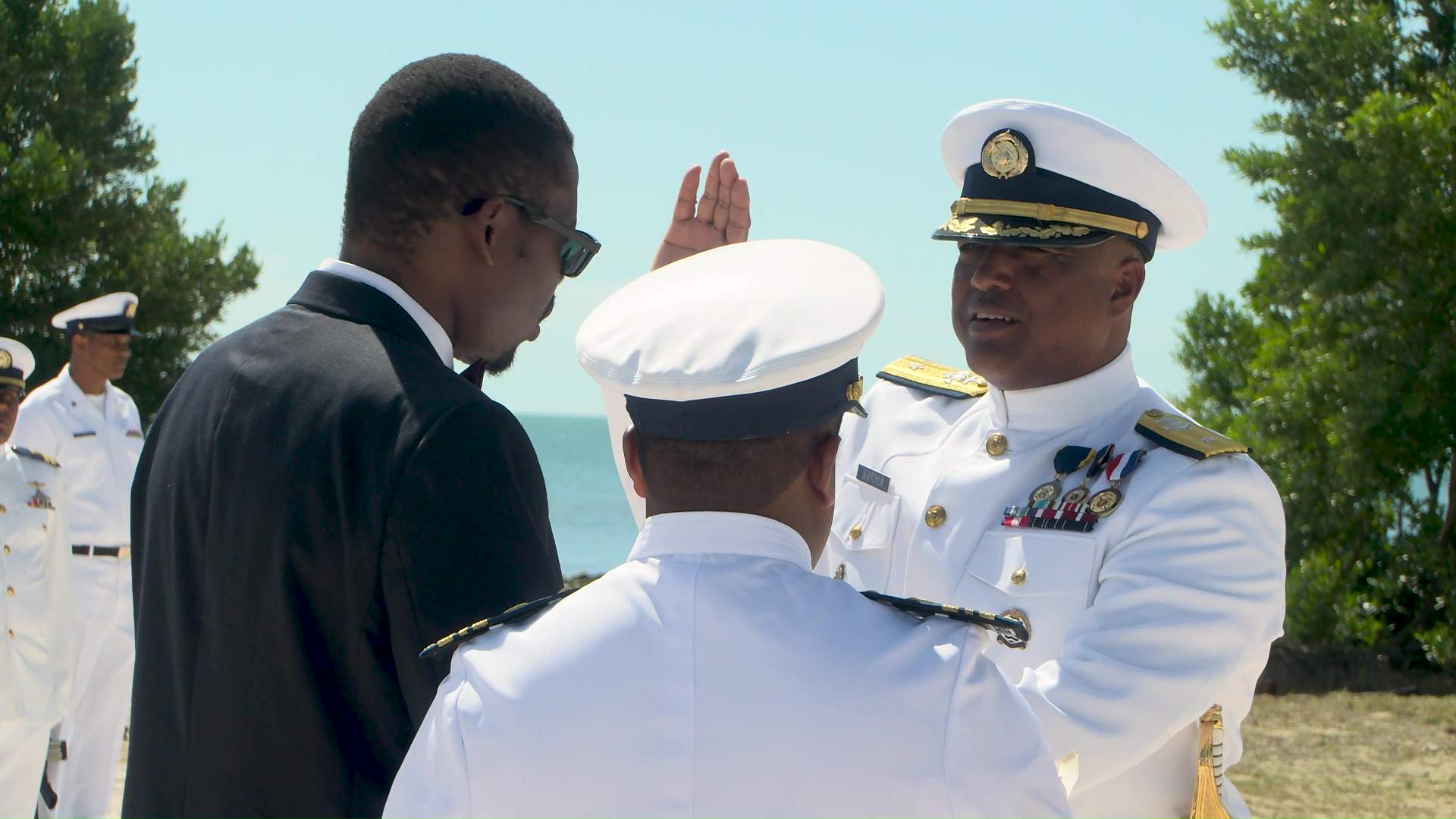
    A significant leadership transition has officially commenced at the Belize Coast Guard (BCG), marking the dawn of a new strategic chapter for the nation’s maritime defense. In a formal ceremony attended by senior government officials, diplomatic corps members, and military representatives at BCG headquarters in Belize City, Rear Admiral Gregory Soberanis formally assumed command on January 29, 2026.

    Formerly serving as Vice-Commandant since 2019, Soberanis now shoulders the responsibility of steering the force’s future trajectory. The change-of-command ritual symbolized both continuity and evolution for an institution that began two decades ago with merely fifty personnel borrowed from the Belize Police Department and the Belize Defense Force’s Maritime Wing.

    Under the foundational leadership of retired Brigadier General Cedric Borland, the BCG has matured into a professionally recognized maritime entity with expanded personnel, vessel inventory, operational responsibilities, and nationwide bases. The newly appointed Commandant emphasized that his career development within the organization has systematically prepared him for this leadership role, noting the importance of institutional investment in military officers to ensure command continuity.

    Soberanis brings substantial international academic credentials to his new position, including graduation with honors from the prestigious United States Naval War College in 2016, where he received the Leadership Award for international students. He additionally holds a Master’s Degree in International Strategic Studies from the National Defense University in Washington, D.C.

    The Rear Admiral outlined his vision for enhanced collaboration with both domestic and international partners, emphasizing that strengthened cooperation would increase effectiveness in addressing evolving maritime threats. He stressed commitment to maintaining organizational course while shifting cultural dynamics within the Coast Guard to better fulfill national responsibilities.

    Prime Minister John Briceño expressed unequivocal confidence in Soberanis’s leadership capabilities, particularly noting his strong moral character and Christian principles as foundational attributes for service excellence. The ceremony also highlighted the crucial role of family support in military service, with Soberanis’s mother, Darlene Graham, recounting early signs of her son’s leadership destiny, and his sister, Judy Soberanis, traveling from the United States to witness this professional milestone.

  • BDF Turns 48, Ushers in New Leadership at Price Barracks

    BDF Turns 48, Ushers in New Leadership at Price Barracks

    The Belize Defense Force (BDF) commemorated its 48th anniversary with a historic leadership transition at Price Barracks on January 29, 2026. In a meticulously orchestrated ceremony at the Sir Colville Young Parade Square, Brigadier General Anthony Velasquez formally assumed command from outgoing leader Brigadier General Azariel Loria, marking a pivotal moment in the nation’s military history.

    The change of command ritual, deeply embedded in military tradition, featured precision marching formations and ceremonial music that underscored the significance of the transition. General Velasquez, who began his career as a private soldier in 1992, now commands Belize’s primary defense institution after three decades of service.

    In his inaugural address, Commander Velasquez articulated his strategic vision: “To the soldiers of the Belize Defense Force—your discipline, courage, and sacrifice form the institutional backbone. I pledge to lead with integrity, clarity, and unwavering dedication. Together we will strengthen this force, protect our nation, and build a future worthy of Belize.”

    Prime Minister John Briceño highlighted the BDF’s critical role in national security during his anniversary remarks: “The Force has demonstrated repeatedly that it rises to every challenge. When our northern frontier demanded heightened vigilance, the BDF responded decisively. Belize will always defend its borders.”

    Outgoing Commander Loria reflected on his tenure since 2022, noting substantial achievements: “We secured priority in salaries and emoluments across all ranks while implementing systematic changes that improved our work ethic. These past four years demanded unprecedented effort, but that hard work has cultivated a positive evolution in our military culture.”

    The leadership transition coincides with planned expansion efforts, as the BDF prepares to recruit 150 new soldiers to bolster its capabilities. This ceremonial transfer of authority represents both continuity and progression, with Velasquez committed to advancing institutional values while introducing fresh strategic perspectives to address Belize’s contemporary security challenges.

  • Maritime Threats Test New Coast Guard Leader

    Maritime Threats Test New Coast Guard Leader

    In a pivotal moment for Belize’s national security, Rear Admiral Gregory Soberanis has assumed command of the nation’s Coast Guard amidst escalating maritime threats. The newly appointed Commandant faces a complex security landscape spanning both northern and southern territorial waters.

    Northern maritime borders confront intensified drug trafficking operations, while southern waters experience persistent tensions with Guatemalan naval forces. Admiral Soberanis emphasized that safeguarding Belize’s territorial integrity and sovereignty represents his paramount mission objective.

    The Commandant articulated his strategic approach during his inaugural address, stating: ‘Maintaining our national emblem at all forward operating bases, including Hunting Caye, remains non-negotiable. This visible presence fundamentally represents our sovereignty and national identity.’

    Regarding ongoing tensions with Guatemala, particularly in the contentious Sarstoon River area, Soberanis clarified that operational decisions derive from higher governmental authority. ‘These strategic matters fall under the jurisdiction of our ministry and the Ministry of Foreign Affairs. The Coast Guard operationalizes policies determined by the Government of Belize in coordination with the Belize Defense Force.’

    The Admiral emphasized that his forces will maintain assertive maritime presence without escalation. ‘Our mission centers on establishing and asserting Belize’s sovereign presence as directed by governmental mandate. We maintain continuous patrol operations to uphold sovereignty while avoiding unnecessary provocation.’

    This leadership transition occurs alongside national reflection on Belize’s eight-year offshore oil moratorium, highlighting the interconnected nature of maritime security, resource management, and international relations in the region.

  • PM Briceño Responds After BTL Meeting, Protests

    PM Briceño Responds After BTL Meeting, Protests

    BELIZE CITY, BELIZE – Prime Minister John Briceño has publicly addressed the escalating controversy surrounding the proposed acquisition of Speednet by Belize Telemedia Limited (BTL), following a contentious Cabinet meeting with telecom executives that has ignited widespread public concern.

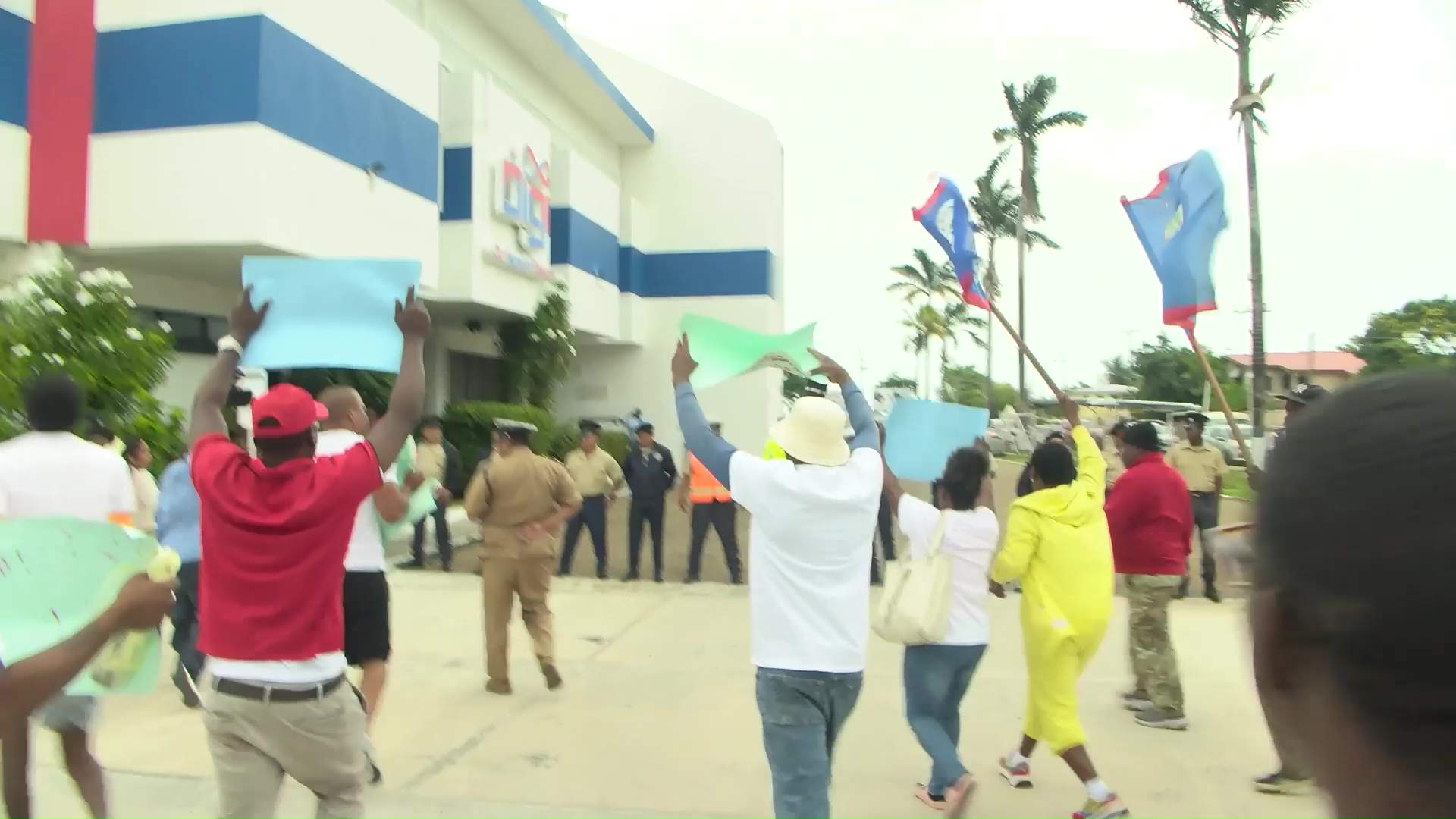
    In a brief encounter with journalists on January 29, 2026, the Prime Minister emphasized the government’s commitment to due process while facing pointed questions about growing opposition from multiple sectors. The National Trade Union Congress of Belize (NTUCB), the National Evangelical Association of Belize (NEAB), independent senators, and opposition parties have all voiced strong objections to the proposed consolidation.

    Prime Minister Briceño clarified his position, stating, ‘I have consistently maintained that we reside in a democratic nation where peaceful protest represents a constitutional right, provided it remains within legal boundaries.’

    When pressed about his perceived endorsement of the acquisition, Briceño offered a nuanced clarification: ‘My position has been mischaracterized. I have not publicly endorsed the deal but rather advocated for allowing the established process to proceed unimpeded. The BTL leadership presented their case to Cabinet for approximately two and a half hours, addressing all ministerial inquiries to our satisfaction.’

    The Prime Minister highlighted the financial implications for national institutions, revealing a critical detail: ‘Social Security currently receives approximately a two percent return on its investment in BTL. Projections indicate this could increase to nine percent through industry consolidation, ultimately benefiting all contributors to the system.’

    Briceño concluded by emphasizing the board’s fiduciary responsibilities and explicitly stated that BTL would not assume any of Speednet’s existing liabilities, characterizing the transaction as primarily involving cash flow assets. The Prime Minister terminated the questioning session, expressing frustration with what he characterized as media misinterpretation of his previous statements.

  • PM Briceno Moves to Regulate Telecom, Broadband Price

    PM Briceno Moves to Regulate Telecom, Broadband Price

    The Belizean government, under Prime Minister John Briceño, has initiated a significant regulatory overhaul of the nation’s telecommunications sector. New legislation is currently being drafted to establish price controls for both telecom and broadband services, responding directly to concerns raised by the Public Utilities Commission (PUC). This regulatory intervention comes amid the proposed acquisition deal between BTL and Speednet, though the Prime Minister emphasized these consumer protection measures will proceed regardless of the merger’s outcome.

    The regulatory framework aims to address market dominance concerns, with BTL currently controlling approximately 60% of telecommunications and 50% of broadband services. The Prime Minister stated that the primary objective is to prevent arbitrary price increases and ensure fair industry practices, noting that similar regulatory oversight already exists for utilities such as energy and water.

    Regarding satellite internet services, Prime Minister Briceño addressed questions about Starlink, Elon Musk’s satellite internet venture. While indicating he wasn’t aware of any recent license modification requests from the company, he clarified that Starlink services could be permitted in areas where local providers don’t currently offer coverage. These decisions would fall under the jurisdiction of the Public Utilities Commission, maintaining the government’s commitment to expanding internet access to underserved regions while protecting consumer interests.

  • Belize Eyes New Opportunities with Oil-Rich Guyana

    Belize Eyes New Opportunities with Oil-Rich Guyana

    In a significant diplomatic development, Belize is positioning itself to capitalize on Guyana’s remarkable economic metamorphosis fueled by its burgeoning oil sector. President Irfaan Ali of Guyana is scheduled to arrive in Belize this Sunday for an official state visit, marking a pivotal moment in Caribbean regional cooperation.

    The visit represents a dramatic reversal of fortunes for Guyana, which Prime Minister John Briceño noted was once overlooked but now commands regional attention due to its petroleum discoveries. “It is kind of ironic because at one time nobody wanted to go to Guyana and now everybody wants to go to Guyana,” Briceño observed, drawing parallels between Guyana’s capital and Belize City during his previous visits in the mid-2000s.

    The bilateral discussions will focus on concrete collaboration across multiple sectors including agricultural development, tourism enhancement, and educational exchange programs. While oil cooperation remains a potential regional discussion point, Briceño emphasized the immediate practical opportunities in non-energy sectors. The Prime Minister expressed nostalgia for regional energy initiatives like Petro Caribe while acknowledging the unlikelihood of such agreements resuming under current geopolitical circumstances.

    This diplomatic engagement occurs against the backdrop of Belize’s own energy policy reflections, having maintained an offshore oil moratorium for eight years. The talks signal a strategic shift in Caribbean alliances as smaller nations seek to benefit from Guyana’s unprecedented economic ascent, which has transformed the country from a regional outsider to an economic powerhouse within the CARICOM community.