作者: admin

  • Additional Deputy COP among 66 positions for National Security Ministry

    Additional Deputy COP among 66 positions for National Security Ministry

    The government of St. Vincent and the Grenadines has unveiled a significant expansion of its national security apparatus, creating 66 new positions within the Ministry of National Security. This strategic move comes in response to mounting public concerns over cross-border criminal activities, firearms and narcotics trafficking, and a troubling exodus of police personnel from the force.

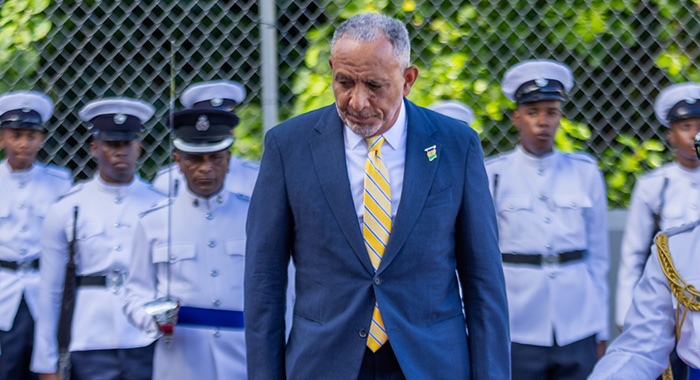
    During last week’s presentation of the Estimate of Revenue and Expenditure, Prime Minister Godwin Friday revealed that the majority of these new positions will be allocated to the police force. The expansion includes the creation of an additional Deputy Commissioner of police, bringing the total number to two and substantially reinforcing the command hierarchy that currently oversees four Assistant Commissioners.

    The comprehensive staffing enhancement encompasses various ranks throughout the law enforcement structure: one Superintendent of police, two Inspectors, three Station Sergeants, four Sergeants, six Corporals, twenty Constables, and four Traffic Wardens. Prime Minister Friday emphasized the critical need for traffic management personnel, noting the severe congestion challenges in Kingstown that often make walking more efficient than driving.

    The Coast Guard Service, operating as the maritime division of the police force, will receive substantial reinforcement through the addition of two Chief Petty Officers, three Petty Officers, two Leading Seamen, and two Able-Body Seamen.

    Immigration services will see six new officer positions created to handle increased operational demands at both the new Kingstown Port and Argyle International Airport. Additionally, the National Emergency Management Organisation (NEMO) will benefit from five new posts, including one Community Field Officer to strengthen Grenadines operations, one Facilities Officer, and three Light Equipment Operators.

    During the Estimates Debate on January 29, 2026, Deputy Prime Minister and Minister of National Security St. Clair Leacock provided candid insights into the challenges facing the constabulary. Having consulted extensively with senior officers including the Commissioner of police, his deputy, assistant commissioners, and the Police Welfare Association, Leacock revealed concerning attitudes within the ranks, including one senior officer who requested 80 days leave without formal greeting or explanation.

    The Deputy Prime Minister, drawing on his background as a former major in the SVG Cadet Force and commandant of the Auxiliary Police Force, committed to building a modern police service ‘from the ground up.’ He condemned the practice of officers being allegedly manipulated by political interests and emphasized the need to eliminate promotion barriers based on political beliefs, stating that no officer should remain a constable for 25 years due to such considerations. Leacock pledged to foster an esprit de corps that understands proper conduct in a contemporary police force.
  • Rapport: Wereldwijde conflicten drijven humanitair recht tot het uiterste

    Rapport: Wereldwijde conflicten drijven humanitair recht tot het uiterste

    A comprehensive study by the Geneva Academy of International Humanitarian Law and Human Rights reveals that international humanitarian laws established post-World War II are experiencing unprecedented strain. The research, examining 23 global conflicts from July 2024 to December 2025, documents systematic violations across multiple war zones with minimal accountability for perpetrators.

    The report titled ‘War Watch’ details how the years 2024-2025 proved devastating for civilians, with combatants showing little willingness to restrain brutality against vulnerable populations. Israel’s genocidal campaign in Gaza has resulted in over 71,000 Palestinian deaths, while Sudan’s ongoing violence since 2023 continues unchecked. Conflicts in Myanmar, Nigeria, Ukraine, Ethiopia, Haiti, and Yemen similarly demonstrate patterns of civilian targeting with apparent impunity.

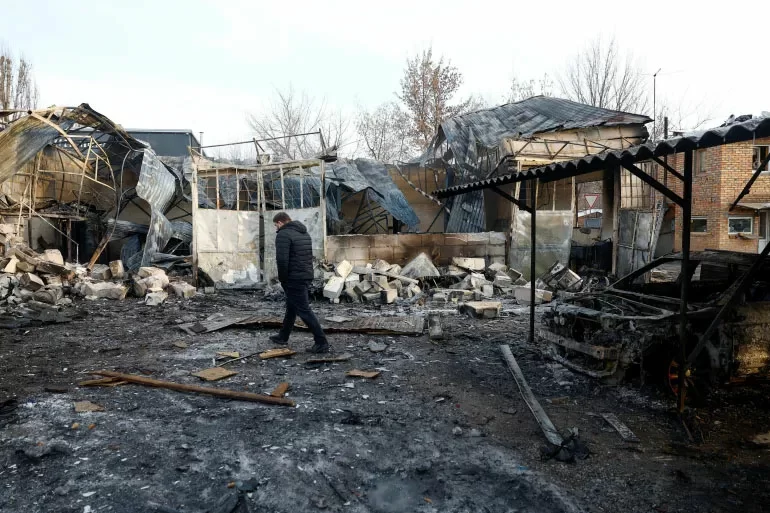
    Drone strikes against civilian infrastructure have become defining features of modern warfare, particularly in Ukraine where casualty rates exceeded previous years combined. Sexual and gender-based violence reached epidemic proportions in multiple regions, with documented cases of systematic rape in Sudan’s Darfur region and the Democratic Republic of Congo. The paramilitary Rapid Support Forces in Sudan stand accused of public gang rapes and civilian massacres in El-Fasher.

    The United States’ retreat from its historical role as enforcer of humanitarian norms has significantly contributed to this deterioration. America’s unconditional support for Israel’s Gaza operations has particularly undermined principles it traditionally championed. Meanwhile, Donald Trump’s second presidential term has raised grave concerns among observers, evidenced by his administration’s disregard for international legal standards—including the abduction of Venezuelan President Nicolás Maduro and explicit statements prioritizing personal morality over established international law.

    Despite this crisis, the report suggests the core framework of international humanitarian law may yet endure. Institutions like the International Court of Justice and International Criminal Court continue playing crucial roles in civilian protection when properly respected and funded. States maintaining commitment to international legal norms can still influence ally behavior, as demonstrated by Ukraine’s relatively restrained civilian casualty rates compared to Russian forces in their ongoing conflict.

    Richard Gowan of the International Crisis Group notes the tragic proliferation of armed groups targeting civilians without fear of political or legal consequences. This erosion creates a vicious cycle where combatants increasingly resort to atrocities for tactical advantage. Ultimately, experts warn that losing international humanitarian law would represent a universal failure—costing Global Southern nations lives and blood while depriving Western powers of moral authority.

  • Taiwan bolsters resilience in SVG with US$3m social relief grant

    Taiwan bolsters resilience in SVG with US$3m social relief grant

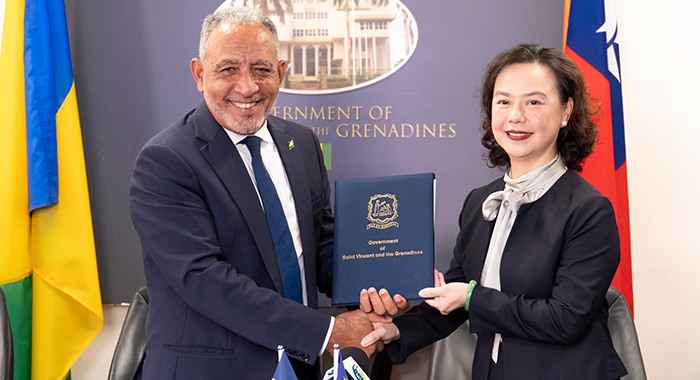
    In a significant demonstration of international cooperation, Taiwan’s Ambassador to St. Vincent and the Grenadines, Fiona Huei-Chun Fan, formally presented a substantial US$3 million social relief grant to the Caribbean nation’s government on Tuesday. The ceremonial handover was attended by high-ranking officials including Prime Minister Godwin Friday and multiple cabinet ministers, highlighting the importance both nations place on this bilateral relationship.

    This financial contribution, equivalent to EC$8,064,600, is specifically designated to support the Social Relief Project initiated by the St. Vincent and the Grenadines government. Taiwanese officials characterized the donation as reflecting their commitment to social equity and stability objectives aligned with the United Nations Sustainable Development Goals. The funding mechanism represents a strategic investment in Vincentian communities, aiming to directly strengthen social institutions and assist families across the nation.

    Prime Minister Friday expressed profound appreciation for Taiwan’s consistent support, acknowledging previous infrastructure collaborations including the Kingstown Modern Port and Arnos Vale Acute Care Hospital. He emphasized that this particular grant constitutes a vital ‘investment in people’ rather than physical infrastructure, with funds directed toward addressing real community needs.

    The leadership of both nations articulated a shared vision for expanded cooperation, particularly in developing St. Vincent’s blue economy, fishing industry, and agricultural sectors. They reaffirmed common values including democratic governance, rule of law, and mutual commitment to international institutions. Ambassador Fan noted Taiwan’s gratitude for St. Vincent’s support in international forums, enabling Taiwan to share its expertise globally.

    This diplomatic engagement occurs as the two nations approach the 45th anniversary of their formal relations established in 1981, with both parties expressing commitment to deepening policy coordination and delivering tangible outcomes that promote mutual prosperity and shared success.

  • MP Greene pays tribute to Constituent Roderick ‘Lion’ Brown

    MP Greene pays tribute to Constituent Roderick ‘Lion’ Brown

    The community of St. Paul’s in Antigua and Barbuda is grappling with the profound loss of Roderick ‘Lion’ Brown, a man whose life story exemplifies resilience, entrepreneurial success, and deep community commitment. Hon. E.P. Chet Greene’s heartfelt tribute paints a portrait of a remarkable individual whose influence extended far beyond his immediate circle.

    Born into modest beginnings in the eastern village of Freetown, Brown defied circumstances through determination and character. His journey led him to English Harbour, where he established both a loving family with his wife Joyce and a highly respected car rental enterprise known for its professional excellence. His impeccable style, often marked by crisp linen attire, became synonymous with his quiet yet steadfast pride in his nation.

    Brown’s patriotism was demonstrated through action rather than rhetoric. He emerged as a fierce advocate for Antigua and Barbuda’s potential, consistently supporting its people and development. His deepest devotion, however, was reserved for his family—particularly his adopted daughter Kaiser, whom he considered his ultimate legacy and greatest priority.

    Despite battling significant health challenges that required weekly dialysis treatments, Brown faced his illness with extraordinary courage. He maintained active management of his business even during medical sessions and spoke highly of the healthcare professionals at Mount St. John’s Medical Center, transforming his personal health struggle into stories of human connection.

    Beyond his business and family roles, Brown operated as a silent philanthropist whose generosity strengthened the social fabric of multiple communities. His support was consistently provided without expectation of recognition, reflecting his genuine commitment to collective wellbeing.

    The enduring legacy of Roderick ‘Lion’ Brown lies in his masterful approach to life: purposeful living, impeccable pride, boundless love, and unwavering resilience in adversity. While his physical presence will be deeply missed, his spirit continues to resonate throughout English Harbour, Freetown, and across the nation he loved so profoundly.

  • Chance says ANN’s founder secured a place in SVG media history

    Chance says ANN’s founder secured a place in SVG media history

    In a moving tribute that bridged journalism and diplomacy, veteran media professional Kenton X. Chance commemorated the enduring legacy of Asberth Williams, founder of Asberth News Network (ANN), during funeral services held in Calder this past Sunday. Williams, who succumbed to cancer on December 23 just two months after marking his 50th birthday, was celebrated for his transformative impact on Saint Vincent and the Grenadines’ media landscape.

    Chance, the founder of iWitness News who is now transitioning into diplomatic service after 23 years in journalism, delivered a heartfelt eulogy on behalf of local media practitioners. He chronicled Williams’ remarkable evolution from a popular radio commentator to the pioneering founder of ANN—a venture Chance described as both “brave, if not reckless” given Williams’ lack of formal journalistic training or experience.

    The tribute revealed an extraordinary professional relationship between the two media figures. Chance, who received formal education in communication and international relations in Taiwan, became an unexpected mentor to Williams, providing guidance rooted in professional training and practical experience. This mentorship included granting permission for Williams to utilize iWitness News content for his commentaries, voluntary feedback on ANN’s editorial approach, and even direct editing of Williams’ articles.

    “Without fail, he replaced his own copy with my edited version. He always thanked me for my feedback and efforts,” Chance recounted, highlighting Williams’ humility and commitment to journalistic quality.

    Their collaboration extended beyond content development, with Williams occasionally requesting guidance for new writers he had recruited. Despite occasional “intense interactions” that Chance noted are natural in human relationships, their professional bond strengthened over time, ultimately helping transform ANN from a breaking news portal to a source of detailed news reporting.

    Chance emphasized that Williams’ most significant contribution was recognizing an opportunity that eluded many trained journalists—transforming popularity into a sustainable business model while providing countless Vincentians with a platform to seek redress and have their voices heard.

    Beyond his media achievements, Williams was recognized as Searchlight newspaper’s Best Social Media Personality on multiple occasions and maintained active involvement in sports activism, business ventures, and charitable initiatives throughout his impactful fifty years.

  • PM Browne and Minister Browne Lead Antigua and Barbuda’s First-Day Engagements at the World Governments Summit

    PM Browne and Minister Browne Lead Antigua and Barbuda’s First-Day Engagements at the World Governments Summit

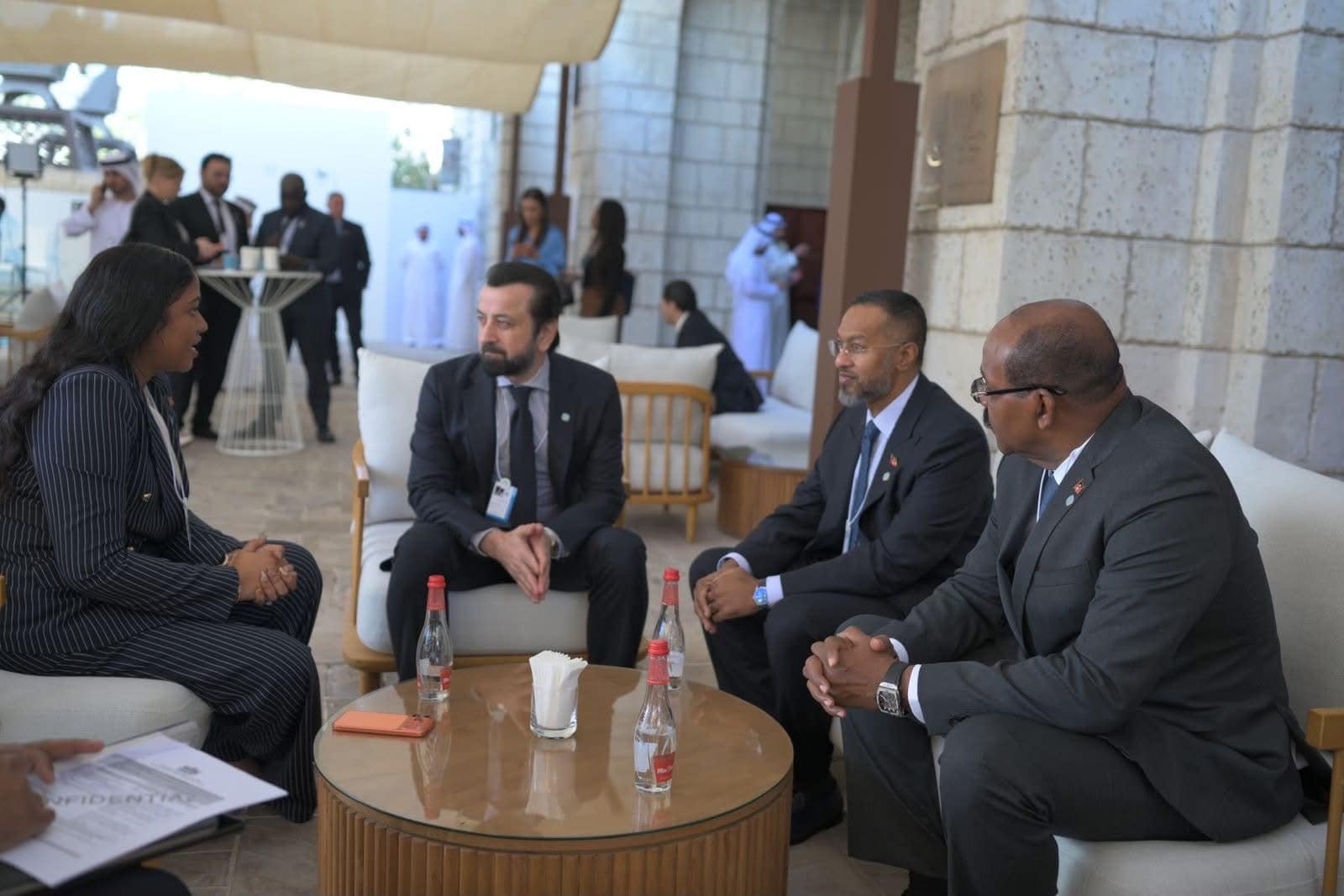
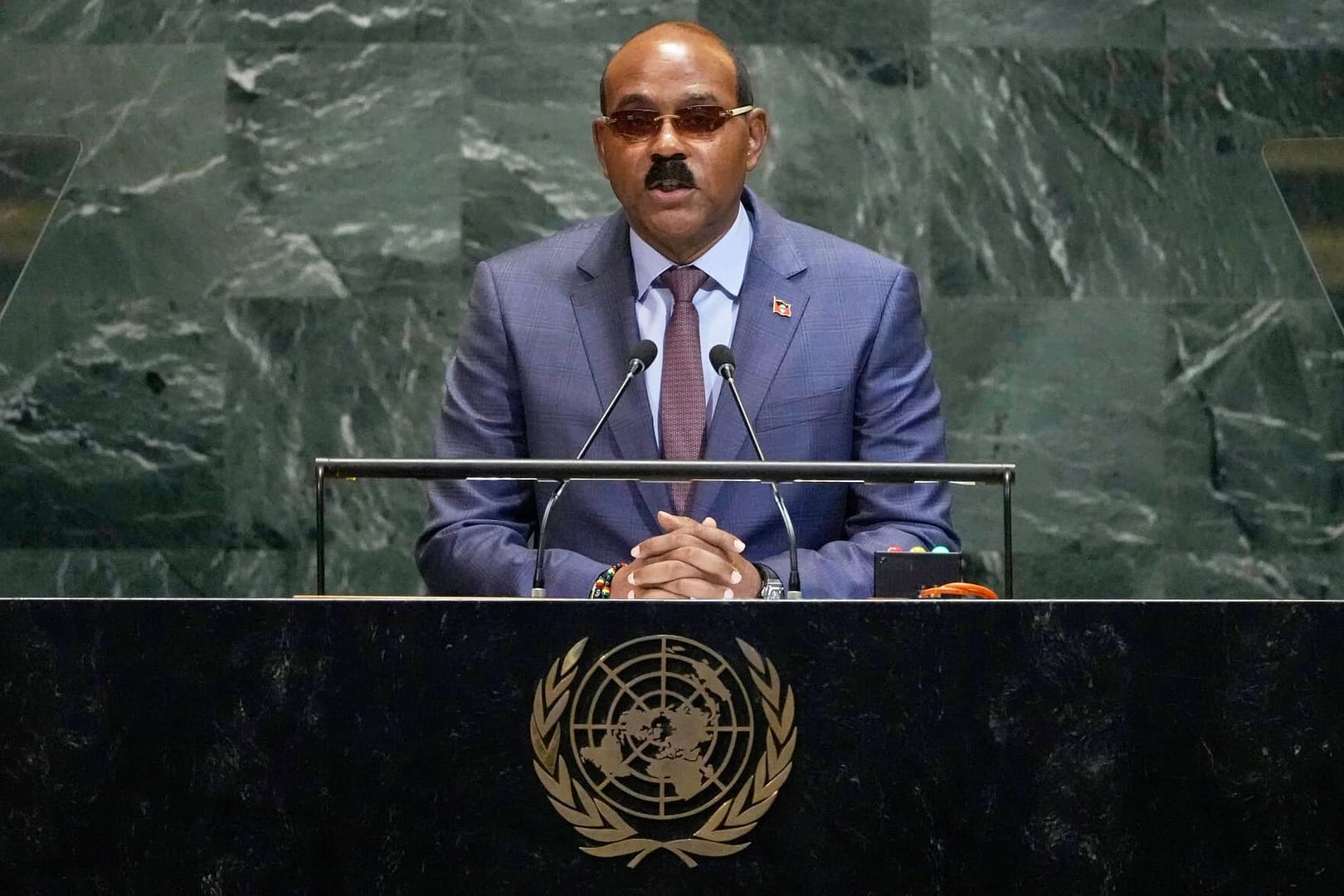
    Prime Minister Gaston Browne has initiated a comprehensive series of high-level diplomatic engagements at the World Governments Summit 2026, demonstrating Antigua and Barbuda’s proactive approach to global governance collaboration. The opening day featured significant bilateral discussions aimed at fostering international cooperation and economic development.

    Concurrently, Minister Maria Browne conducted pivotal talks with senior executives from JETEX, a premier global private aviation enterprise specializing in luxury travel services and Fixed Base Operations. The dialogue centered on transforming Antigua and Barbuda into a premium hub for private aviation, leveraging the nation’s advanced infrastructure, discreet environment, and exceptional hospitality services. JETEX representatives committed to an onsite evaluation visit within weeks to advance the potential partnership.

    In a separate diplomatic engagement, Prime Minister Browne met with Botswana President Duma Gideon Boko, praising Botswana’s remarkable political stability and sound economic governance. Both leaders proposed establishing joint technical committees to facilitate knowledge exchange in public sector capacity building and sovereign wealth fund management for social welfare enhancement. Botswana specifically sought expertise from Antigua and Barbuda’s acclaimed Citizenship by Investment Program, recognizing its exemplary implementation framework.

    The Prime Minister’s agenda concluded with multiple international media appearances ahead of his scheduled participation as a featured panelist in summit sessions addressing the future of tourism. The delegation received substantial support from Ambassador Theon Ali, Special Envoy Armand Arton, and Climate Ambassador Ruleta Camacho-Thomas throughout these multilateral discussions with CARICOM counterparts and global leaders.

  • Prosecutors file terrorism charges against Peruvian national over false bomb threat at AILA

    Prosecutors file terrorism charges against Peruvian national over false bomb threat at AILA

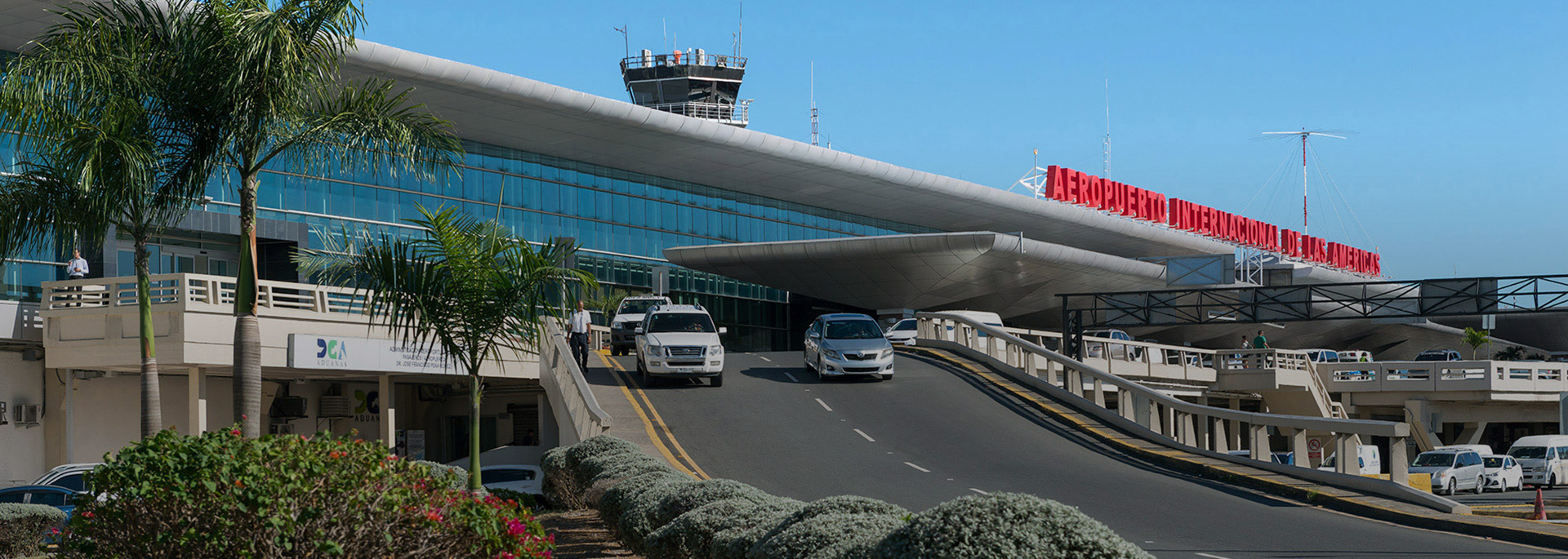
    The Dominican Republic’s Public Prosecutor’s Office is set to formally level terrorism charges against Ángel del Pino Cuya, a Peruvian citizen operating under the alias Ricardo Casas. The charges stem from a fabricated bomb threat that targeted a Copa Airlines commercial flight departing from Las Américas International Airport (AILA) on January 6, 2026.

    Prosecutors allege that del Pino Cuya deliberately placed a phone call warning of an explosive device aboard flight CM299 while it was en route to Panama. This malicious act forced the aircraft into an emergency return to AILA. The ensuing security protocols brought all airport operations to a complete standstill for over three hours, necessitating the diversion of multiple incoming flights and causing widespread operational chaos.

    In response to the threat, authorities executed a full-scale evacuation of all passengers and conducted an exhaustive sweep of the aircraft and cargo. The incident demanded a massive, coordinated deployment of national security forces and technical personnel, generating substantial public alarm. Official estimates indicate the false alert resulted in severe economic damages and major logistical disruptions across the aviation sector.

    The Prosecutor’s Office will seek a preventive detention order and has moved to classify the case as complex, citing the extreme gravity of the offense, the defendant’s perceived flight risk, potential for evidence tampering, and the high probability of recidivism. The act is characterized as a direct assault on state security and the integrity of civil aviation.

    Investigative findings reveal inconsistencies in the defendant’s account; he initially asserted he received the information from a family member, but later altered his statement to claim a friend of a relative was the source. Prosecutors maintain these shifting narratives demonstrate a calculated intent to sow collective panic and disrupt public order, thus fully justifying the application of terrorism charges.

  • Leacock says police are victims of SVG’s political culture

    Leacock says police are victims of SVG’s political culture

    St. Vincent and the Grenadines’ Deputy Prime Minister and National Security Minister St. Clair Leacock has declared that comprehensive reorientation is essential to depoliticize the nation’s police force. Speaking on state-owned NBC Radio, the minister emphasized his unique qualifications for the portfolio, citing his background as a behavioral scientist, management specialist, and former commandant of the St. Vincent Cadet Force.

    Minister Leacock’s statements come amid growing public concern over serious crimes, particularly murders, following the November general elections that resulted in a landslide victory for the New Democratic Party (NDP) over the Unity Labour Party (ULP). The political shift has intensified calls from citizens and NDP supporters for structural changes within police leadership.

    The minister revealed he has received extensive recommendations regarding appointments to key positions including Commissioner of Police but cautioned against hasty personnel changes. Leacock attributed current challenges within the force to what he described as a damaging political culture that has compromised proper policing protocols.

    “The police force and its leadership are themselves victims of the political culture,” Leacock stated. “Officers often feel obligated to respond to political directives rather than apply proper police protocols.”

    Leacock outlined his vision for transforming the constabulary into a more effective organization through systematic reform. His approach includes developing specialized training regimes, implementing new leadership development programs, and creating distinct career pathways for enlisted officers versus those pursuing command positions. The minister stressed that meaningful institutional change requires careful planning and cannot be achieved within short-term political timelines.

  • PAHO urges strengthening cervical cancer prevention and care to advance toward its elimination

    PAHO urges strengthening cervical cancer prevention and care to advance toward its elimination

    With the 2030 deadline fast approaching, the Pan American Health Organization (PAHO) has issued an urgent call for accelerated action to eliminate cervical cancer across the Americas. Marking World Cancer Day (February 4), the organization warned that current progress remains insufficient to meet elimination targets despite significant advancements in vaccination programs.

    Regional health data reveals stark disparities in cervical cancer outcomes. Annually, over 78,000 women receive diagnoses while more than 40,000 succumb to the disease. A disturbing 83% of these fatalities occur within Latin America and the Caribbean, where mortality rates triple those documented in North America. These statistics underscore profound inequities in accessing preventive measures, early detection services, and appropriate treatment timelines.

    PAHO’s elimination framework establishes three critical benchmarks for 2030: achieving 90% HPV vaccination coverage for girls under 15; screening 70% of women aged 35 and 45 using high-performance tests; and ensuring 90% treatment access for women with precancerous lesions or invasive cancer.

    Notable progress includes HPV vaccine availability in 49 of 51 Americas countries and territories, with 70% programmatic coverage for the initial dose. Twenty-four nations have adopted single-dose scheduling, substantially improving vaccination accessibility. However, Director Dr. Jarbas Barbosa emphasized that screening and treatment infrastructures require massive strengthening. Only 14 countries have incorporated HPV testing into screening programs, with coverage remaining inadequate and data collection limited. Radiotherapy services are reportedly available in just 18 nations.

    Projections indicate cervical cancer deaths could exceed 46,200 annually by 2030 without intervention scaling. PAHO is supporting member states through technical cooperation for national care plans and leveraging Regional Revolving Funds to procure affordable vaccines, screening tests, colposcopes, thermal ablation devices, and electrosurgical equipment. Integration into primary healthcare systems aims to bridge accessibility gaps regardless of geographic or socioeconomic barriers.

    Strategic partnerships with Unitaid and the Spanish Agency for International Development Cooperation (AECID) further bolster prevention, detection, and care initiatives. A virtual seminar on February 4 will facilitate knowledge exchange regarding elimination strategies and introduce new planning tools for HPV screening and treatment protocols.

  • OPINION: No Administration Is Perfect – But This One Is Close

    OPINION: No Administration Is Perfect – But This One Is Close

    In democratic systems, robust criticism serves as an essential mechanism for governmental accountability. While no administration operates without flaws, a comprehensive evaluation of Antigua and Barbuda’s current leadership reveals a pattern of effective crisis management and substantive achievement under Prime Minister Gaston Browne’s Antigua Barbuda Labour Party (ABLP).

    Governing during unprecedented global challenges, the ABLP administration has demonstrated remarkable resilience in navigating multiple crises simultaneously. The COVID-19 pandemic presented existential threats to tourism-dependent economies worldwide, yet Antigua and Barbuda implemented strategic border controls, employment preservation measures, and social support systems that facilitated faster recovery than many comparable nations.

    Economic stewardship represents another significant accomplishment, with the government addressing inherited fiscal constraints through sophisticated debt restructuring rather than austerity measures. This approach has yielded improved credit ratings, renewed investor confidence, and tangible infrastructure developments including port modernization and airport expansion projects that generate employment and stimulate local commerce.

    The administration’s social policy initiatives have produced meaningful improvements in housing accessibility and land ownership opportunities for ordinary citizens. Simultaneously, sustained investments in healthcare infrastructure and educational access demonstrate commitment to human capital development despite limited national resources.

    On the international stage, Antigua and Barbuda has emerged as a vocal advocate for climate justice, reparations, and debt reform, amplifying the concerns of small island developing states within global forums. This diplomatic engagement has enhanced the nation’s visibility and negotiating leverage.

    While critics rightly note concerns regarding governmental tone and specific policy decisions, the fundamental question remains which leadership possesses demonstrated crisis management capabilities and economic governance competence. The evidence suggests that despite imperfections, the ABLP administration has provided stability, directional clarity, and measurable progress during exceptionally challenging circumstances.