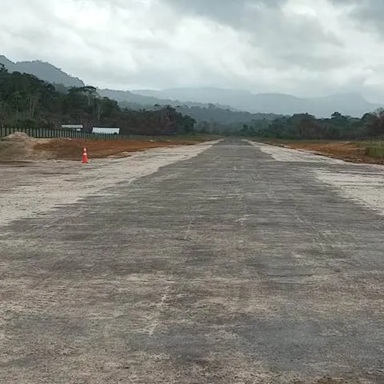
The Paruima airstrip in Upper Mazaruni, Region Seven, is on track to reopen within the next two months following extensive repairs, as announced by Minister of Public Works Bishop Juan Edghill. The airstrip, which underwent a significant upgrade from a grass patch to a durable all-weather concrete strip, was temporarily closed due to surface defects identified shortly after its completion. The contractor, International Import and Supplies, was mandated to address these issues at its own expense. Notably, the contractor has exceeded expectations by not only rectifying the defects but also adding a new layer of stone to enhance durability. This upgrade is anticipated to significantly improve connectivity and development for the Amerindian village of Paruima, which has historically faced challenges due to adverse weather conditions. The opposition Alliance For Change (AFC) had previously raised concerns about the airstrip’s quality after an incident where a plane’s wheel became stuck, requiring manual intervention to move the aircraft. In addition to the Paruima project, the Ministry of Public Works is advancing similar upgrades on other airstrips in Region Seven, including Eteringbang, Karisparu, and Ekereku Bottom, to bolster hinterland transport and accessibility.
作者: admin
-
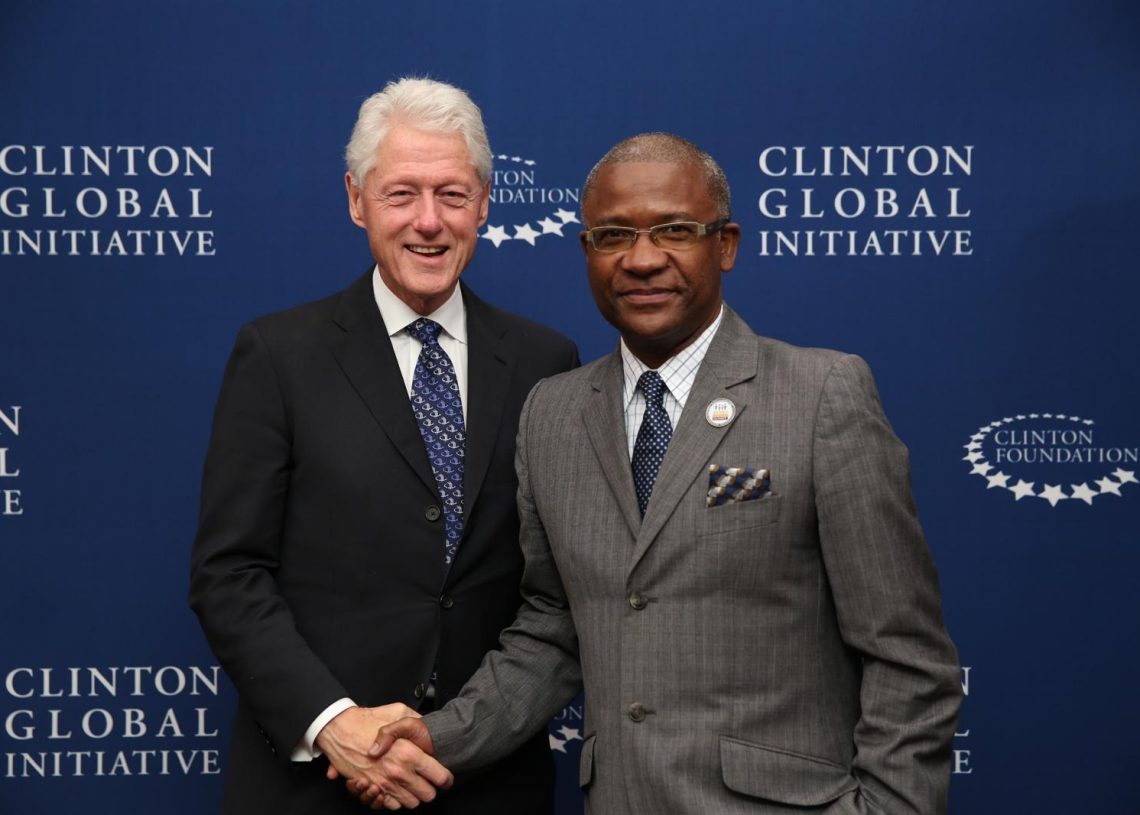
BRA highlights progress against malnutrition in Dominican Republic at Clinton Global Initiative
New York – The Batey Relief Alliance (BRA), a prominent North American humanitarian organization, showcased significant progress in its 2024 ‘commitment to action’ during the Clinton Global Initiative (CGI) annual meeting. The initiative focuses on combating maternal and child malnutrition in underserved rural communities of the Dominican Republic and Peru. With a substantial investment exceeding US$596,000, the program has directly supported 54,000 children and 9,180 pregnant women, while indirectly benefiting over 290,000 individuals.
-
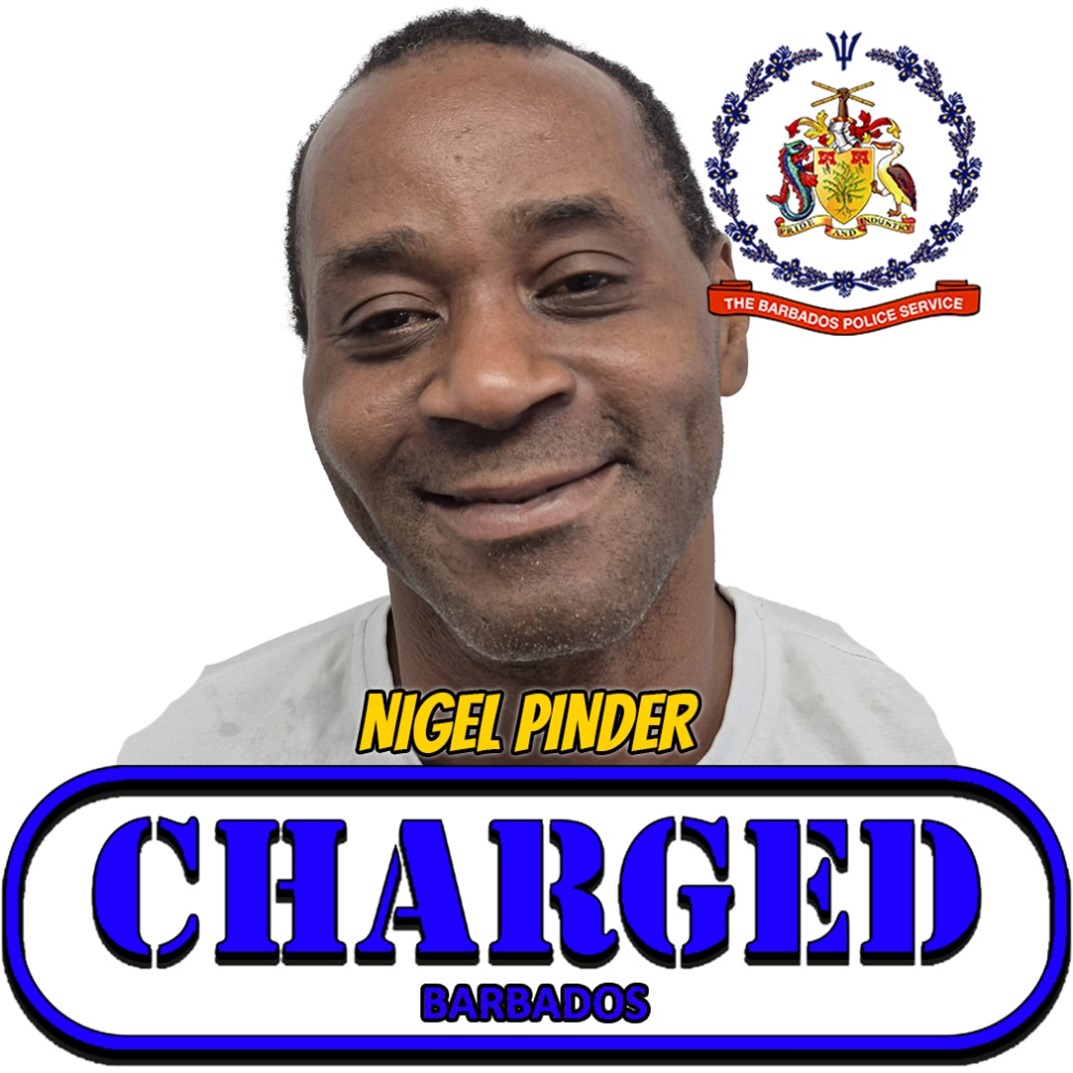
Triple murder and murder plot charges laid against St Philip man
A 49-year-old man from St Philip, Barbados, has been formally charged with three counts of murder and two counts of conspiracy to commit murder. Nigel Pinder, a resident of Cox Hill, was apprehended by the Barbados Police Service in connection with the deaths of Randy Brathwaite, Junior Taitt, and Shane Renaldo Parris. Additionally, Pinder is accused of orchestrating plots to murder both Taitt and Parris. The charges stem from a series of alleged crimes spanning from June 2023 to January 2024. According to authorities, Brathwaite and Taitt were killed between June 27, 2023, and December 5, 2023, while Parris was murdered on January 13, 2024. The conspiracies to murder Taitt and Parris are believed to have occurred in June 2023 and January 2024, respectively. Pinder is set to appear before the District ‘C’ Magistrates’ Court, located at the Oistins Magistrates’ Court, on Monday to face these charges. The case has drawn significant attention due to the severity of the allegations and the timeline of the incidents.
-
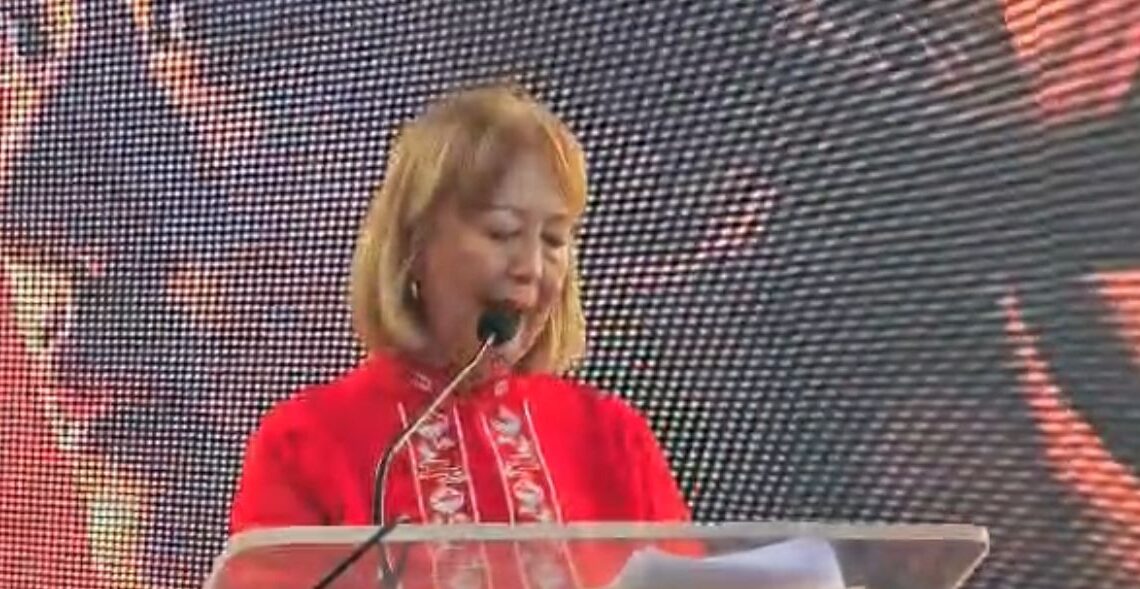
Flor para Todos Foundation calls for reopening of Chinese businesses in Santo Domingo
Santo Domingo – Rosa Ng, president of the Flor para Todos Foundation, has called on Dominican President Luis Abinader to intervene in the reopening of Chinese-owned businesses recently closed by the Ministry of Housing (MIVED). The establishments were shut down due to structural deficiencies, but Ng underscored their critical role in supporting thousands of employees and their families who rely on these businesses for their livelihoods. The appeal was made during the dual celebration of the 76th anniversary of the Founding of the People’s Republic of China and the Mid-Autumn Festival in Santo Domingo’s Chinatown. Ng emphasized the severe economic repercussions of the closures on both Chinese entrepreneurs and Dominican workers, urging authorities to devise a “viable solution” to restore operations. She also expressed appreciation for her team, the Fujianese community, and supporting companies like Dulce Hogar and Suplax for their contributions to the event. As a prominent advocate for Dominican-Chinese relations, Ng stressed that reopening these businesses would significantly benefit the most vulnerable segments of society.
-
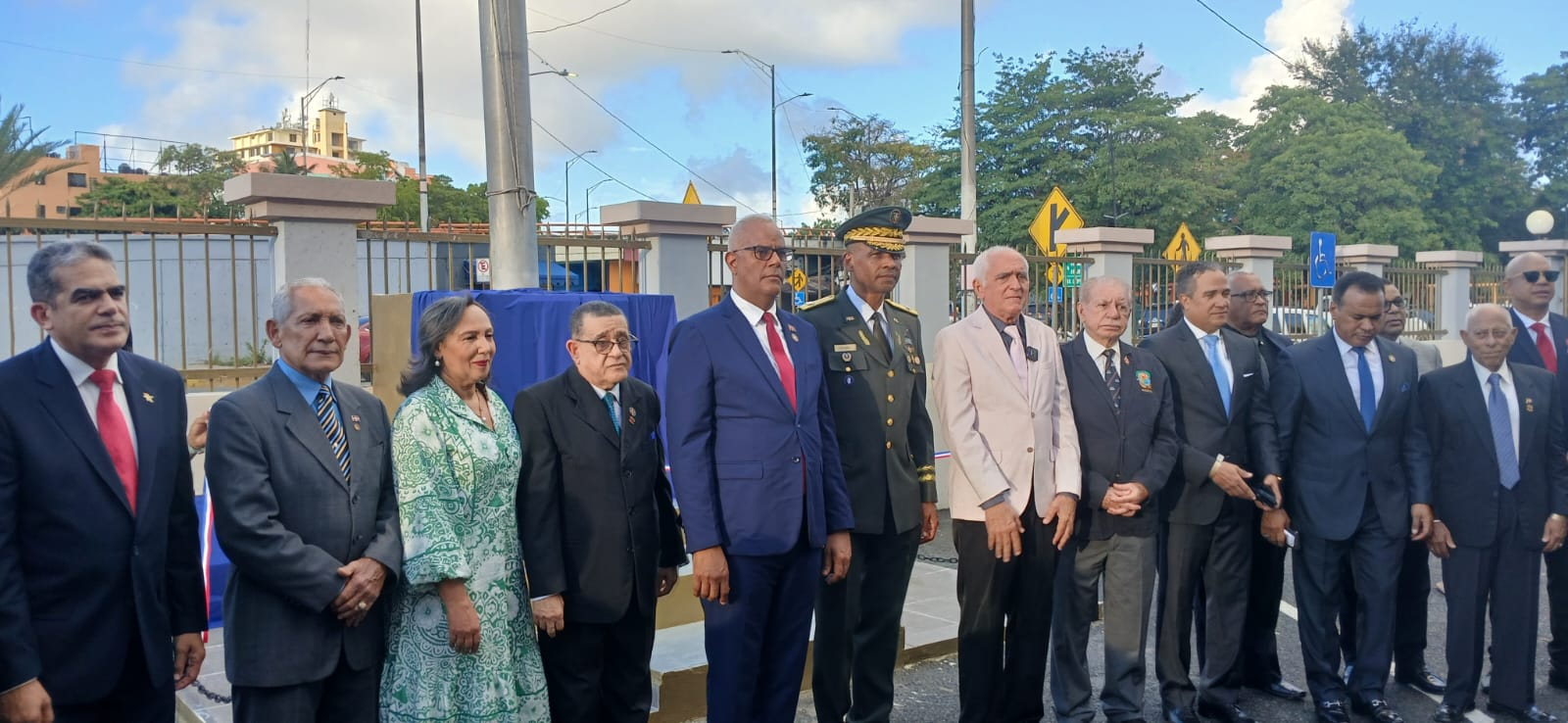
Santo Domingo to host First World Congress of Veterans
Santo Domingo is set to host the inaugural World Congress of Veterans from September 28 to 30, organized by the Brotherhood of Retired Veterans of the Armed Forces and the National Police. The event, themed ‘The Transition to Retirement,’ will convene delegates from more than 15 countries to explore the multifaceted challenges and opportunities faced by retired service members. Discussions will center on public policies, international collaboration, and the overall well-being of veterans. The congress will feature a robust agenda, including panel discussions and lectures on topics such as national identity, pension systems, physical and mental health, the role of women in retirement, the influence of technology, and global retirement experiences. A highlight of the event will be the screening of the audiovisual series ‘Voices of Experience,’ which will present compelling testimonies from retired military and police personnel. In conjunction with the congress, the Dominican Defense and Identity Museum will be inaugurated, offering visitors a glimpse into the nation’s history through murals, historical artifacts, works by Dominican masters, and interactive exhibits. Major General (Ret.) Valerio García Reyes, president of the Brotherhood, emphasized the significance of the congress as a milestone in honoring veterans and safeguarding national identity.
-
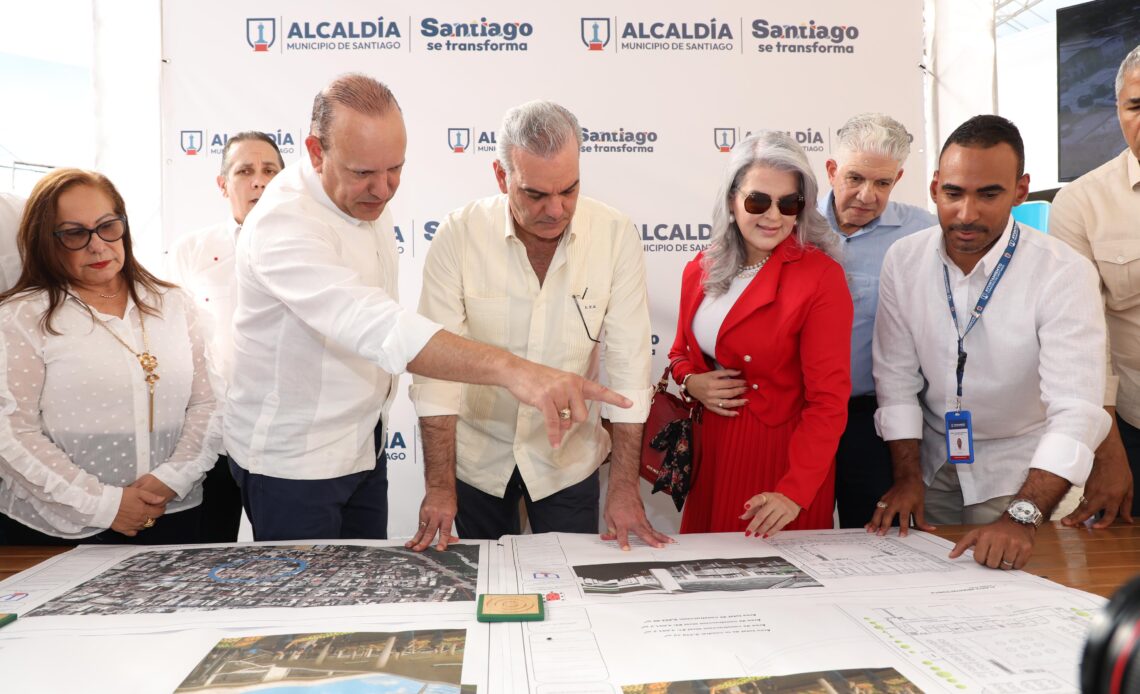
Abinader transfers RD$658 million to Santiago City Council for development projects
In a significant move to revitalize Santiago, President Luis Abinader unveiled three transformative projects on Sunday, marking a new chapter in the city’s development. The initiatives include the restoration of the historic Yaque Lodging Center, the creation of the Mirador del Yaque park in the “Nueva York Chiquito” district, and a series of sanitation programs aimed at improving public health and urban aesthetics. These projects are designed to modernize infrastructure, reclaim public spaces, and elevate the quality of life for Santiago’s residents. The Yaque Lodging Center, Santiago’s primary public market, will undergo a comprehensive renovation to serve as a central hub for small and medium-sized enterprises (SMEs) and local farmers. President Abinader emphasized that this project addresses long-standing community demands and will be developed through inclusive consultations, ensuring representation from all business sectors. The government has committed RD$658 million from the recently approved supplementary budget to fund these endeavors, with approximately 70% allocated to the Yaque Lodging Center and the remainder dedicated to sanitation efforts, including the cleanup of the Gurabo ravine. If the bidding process proceeds as planned, the president anticipates the market’s transformation will be finalized by early 2027, heralding a new era of prosperity and sustainability for Santiago.
-

OPINION: UWP free education at SALCC proposal: questions to be answered (Part II)
The United Workers Party (UWP) in Saint Lucia has recently announced a policy proposal for free education at the Sir Arthur Lewis Community College (SALCC), sparking both support and skepticism. While the initiative is not aimed at university-level education, it has raised significant questions about its feasibility, implementation, and alignment with the party’s previous stances. This policy, juxtaposed with the Saint Lucia Labour Party’s ‘One University Per Household’ initiative, demands thorough scrutiny from a public policy perspective.
-
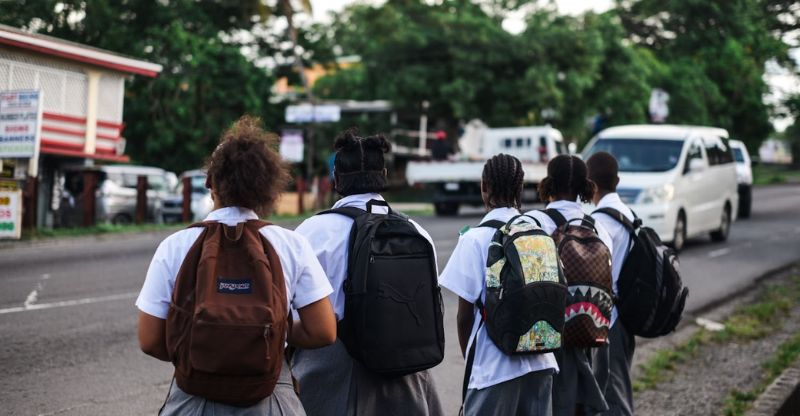
EDITORIAL: Education must be our shared baseline, not a mirror of the past
Across the Caribbean, governments frequently discuss the potential of the orange, green, blue, and purple economies, each promising transformative advancements in areas like sustainable energy and digital innovation. However, these ambitious visions are built on a precarious foundation. Without a robust education system capable of equipping citizens with the skills to navigate a rapidly evolving world, no strategy can achieve lasting success. Education has long been viewed as a reflection of cultural identity, but this nostalgic and prescriptive approach risks trapping curricula in outdated paradigms rather than preparing individuals for future challenges. Instead, education must serve as a shared baseline of orientation, empowering people to interpret, choose, and act in the face of global complexity. The metaphor of driving schools illustrates the dangers of fragmented education: if rules are contradictory, chaos ensues. In a world shaped by globalization, technological disruption, and climate change, citizens need common points of reference to foster collective decision-making. This is not about control but empowerment—a curriculum rooted in abundance and creativity can provide young people with the tools to act with awareness in their communities, economies, and democracies. While informal education through music, family, and community has historically filled gaps left by formal systems, these gaps are now too vast to ignore. A deliberate rethinking of education is urgently needed. This includes integrating indigenous heritage, migration stories, and global forces into history lessons, teaching geography and culture as interconnected, and using language that shapes how children see themselves in the world. UNESCO emphasizes the need to reimagine curricula to value diverse knowledge systems and cultivate critical thinking, creativity, and cooperation. Economically, the Revised Treaty of Chaguaramas commits CARICOM states to the free movement of skilled professionals, but this vision falters without comparable qualifications and regional awareness. Without shared grounding, initiatives like the CSME risk stagnation, leaving citizens unprepared to navigate cross-border rights and opportunities. The cost of inaction is high: migration pressures will rise, inequality will deepen, and democratic trust will erode if education fails to prepare young people for local opportunities and contemporary debates. Reform demands political courage, public consultation, and long-term investment, but the rewards are significant. An education system that serves as a baseline rather than a mirror can anchor the Caribbean in global change, empowering citizens to interpret and shape the world together. While culture, music, and family will continue to inspire, the state must no longer rely on informal channels to carry the weight of national orientation. Sovereignty over knowledge is essential, and education must equip citizens with the clarity and context to choose wisely. In a fragmented world, this shared baseline could be the Caribbean’s greatest strength.
-

Showcase of innovation and enterprise at St James expo
Entrepreneurs from across Barbados seized the opportunity to expand their ventures and forge valuable connections at the Emerging Entrepreneurs Manufacturing and Services Trade Fair and Expo, held on Saturday at the Hoytes Village Playing Field in St James. The event, organized by Barbados Trust Loans Ltd. in collaboration with the Office of the Supervisor of Insolvency, showcased the diversity of micro, small, and medium-sized enterprises (MSMEs) on the island. Beyond its business focus, the family-friendly expo also featured a dedicated kids’ zone, ensuring inclusivity for all attendees.
Ayesha Coppin, Business Development Officer at Barbados Trust Loans Ltd., shared insights into the initiative’s origins with Barbados TODAY. ‘Our Emerging Entrepreneurs programme launched last year, initially closing Broad Street to create a vibrant market for local entrepreneurs. Participants from various sectors showcased their offerings, inspiring us to host pop-up fairs across the island. Our most recent event was held in Weymouth in June,’ she explained. Coppin emphasized the programme’s inclusive nature, stating, ‘These events are not exclusive to our clients; we actively invite the public and other entrepreneurs to participate and display their services.’
The expo featured a diverse array of booths, highlighting retail, manufacturing, agri-processing, and arts and crafts. Notable displays included intricate graphite-based designs by Victoria Haniff and Syriah Griffith, participants in the Community Arts Programme facilitated by the Community Development Department. Adding a competitive edge, a cook-off was staged between parliamentary representatives for St James: Minister of Educational Transformation Chad Blackman and Minister Sandra Husbands, who oversees higher education and technical training.
Entertainment was a key highlight, with a karaoke competition and performances by local artists Tionne Hernandez, Brucelee Almightee, and Mole. Alethea Thompson, Acting Project Manager of the National Insurance and Social Security Service’s self-employment team, underscored the event’s community engagement value. ‘We’ve brought our office to the playing field, and we’re thrilled to have registered individuals for self-employment and issued self-employment cards,’ she said. Thompson added, ‘We addressed numerous queries, as self-employed individuals often need clarity on our services and benefits.’
The expo not only provided a platform for business growth but also strengthened community ties, reflecting Barbados’ commitment to fostering entrepreneurship and innovation.
-
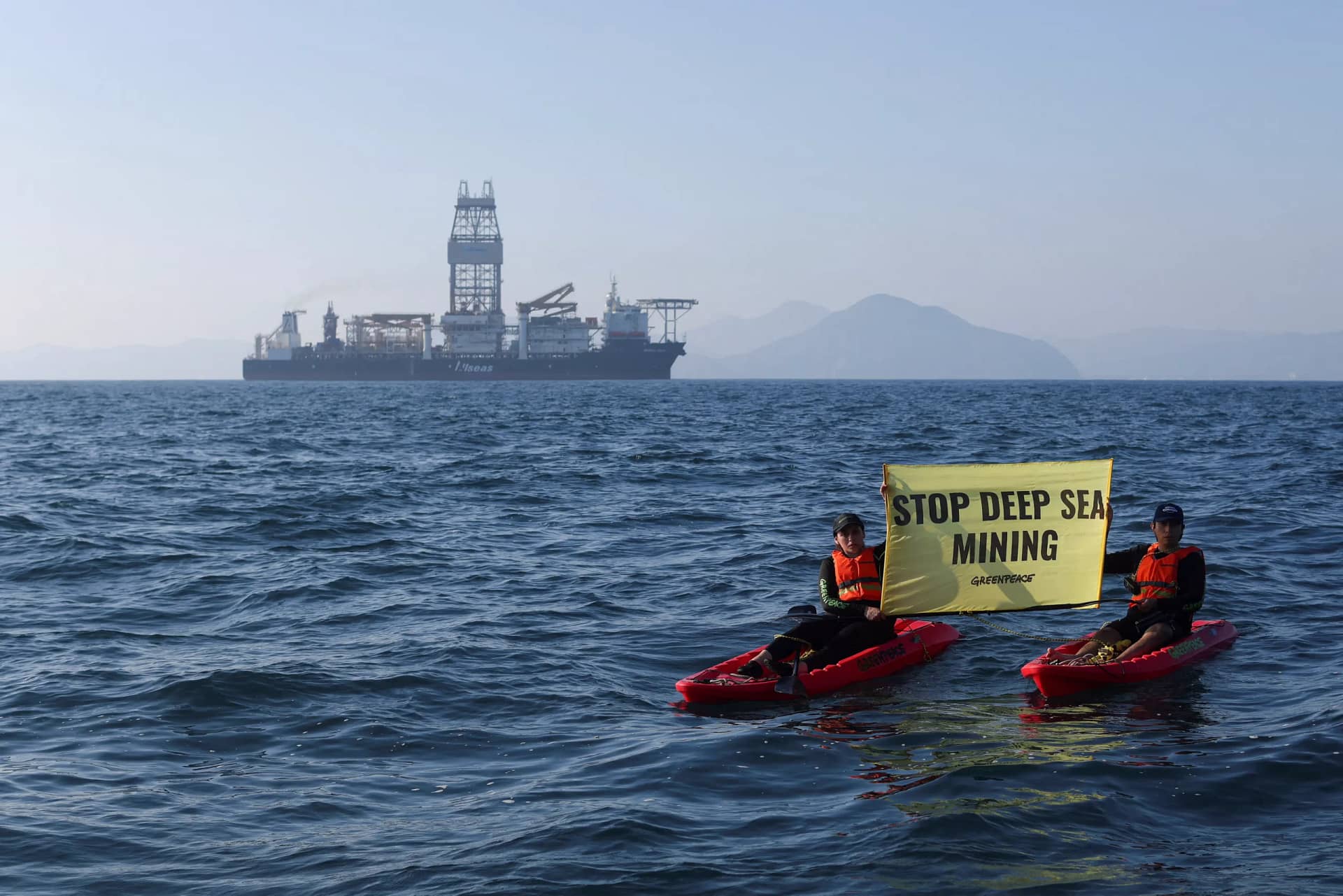
Antigua and Barbuda Prime Minister Calls for Moratorium on Seabed Mining
In a compelling address to the United Nations General Assembly, Antigua and Barbuda’s Prime Minister Gaston Browne called for an immediate halt to seabed mining, emphasizing the need for scientific validation to ensure no serious harm is inflicted on marine ecosystems. Browne highlighted the critical role oceans play in the survival and development of small island nations, stating, ‘For islands like mine, the ocean is not scenery. It is the source of food, jobs, and opportunities for growth and development.’ He urged global leaders to prioritize ocean protection, citing threats such as illegal fishing, plastic pollution, and environmental degradation. Browne also advocated for stronger international cooperation, including the expansion of blue carbon finance and the establishment of robust global treaties on plastics and fossil fuels. He concluded by linking Antigua and Barbuda’s efforts with Vanuatu’s in seeking legal clarity on climate obligations, framing ocean defense as both an environmental and legal imperative.