
Leaked emails from Mexico’s defense ministry have unveiled a startling revelation: at least 70 drug-laden aircraft landed in Belize between 2020 and 2021. These flights, originating from airstrips near Maracaibo, Venezuela, were part of a sophisticated cocaine pipeline channeling narcotics through Belize and into the United States. American officials reportedly issued dozens of alerts to Mexican authorities, highlighting Belize’s previously underestimated role as a significant player in regional drug trafficking. On average, nearly one aircraft touched down every five days during this period, utilizing remote Belizean airstrips as drop-off points before the drugs were transported northward. Despite law enforcement efforts to dismantle one network in 2020, the so-called “air bridge” between Venezuela and Central America remains operational, albeit at a reduced frequency. Jesús Romero, a former U.S. naval officer who investigated these routes, noted that traffickers increasingly turned to Belize as a “pressure valve” to evade heightened surveillance in Guatemala and Honduras. The scale of these operations prompted the U.S. government to officially designate Belize as a major drug transit country on September 15, 2020. This designation underscores the leaked documents’ findings: Belize is not merely a stopover but a critical corridor in the flow of cocaine into the United States.
作者: admin
-
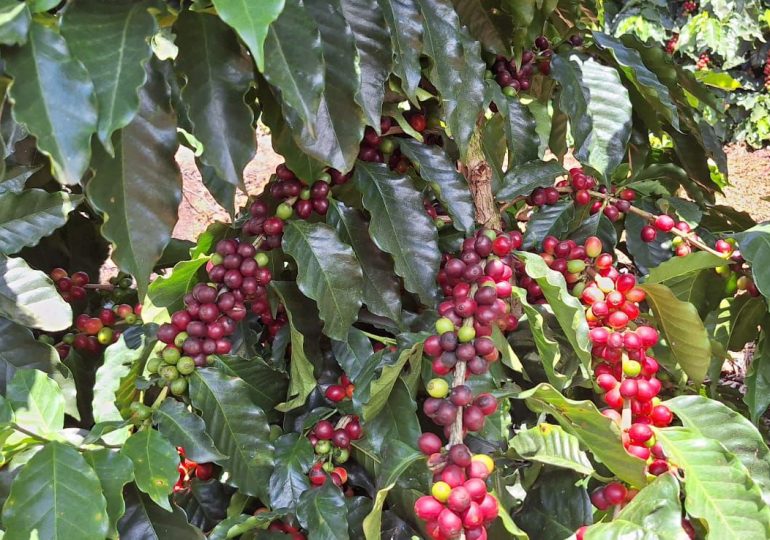
Dominican coffee harvest at risk amid severe labor shortage
The Dominican Republic is on the brink of losing its most promising coffee harvest in a decade, jeopardizing over RD$6 billion in potential income for coffee-producing families. This year, farmers anticipate producing more than 300,000 quintals of coffee—the highest yield since 2013—coinciding with historic highs in international coffee prices, where a quintal is valued at RD$21,500. However, a severe labor shortage threatens to derail this economic boon. In the southern region alone, producers expect over 120,000 quintals, but many fear the crop could spoil due to insufficient workers for harvesting. Traditionally reliant on Haitian laborers, farmers now face restrictions that have left them without viable alternatives. Compounding the crisis, heavy rains in October have accelerated the ripening process, heightening the urgency. Producers are criticizing the government for its inaction, highlighting that neither the Dominican Coffee Institute (INDOCAFE) nor the Ministry of Agriculture has implemented contingency measures. ‘Every pound of coffee that falls to the ground represents 21 pesos lost forever,’ lamented one grower, warning that without immediate intervention, this golden opportunity for rural communities could turn into an economic disaster.
-
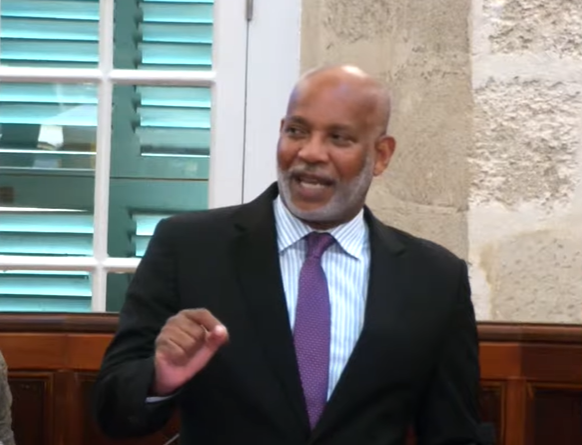
Marshall: Downgrade based on US law, not global measures
Barbados is formulating a comprehensive action plan to address the United States’ decision to downgrade its human trafficking efforts, Attorney General Dale Marshall announced on Thursday. This comes in response to the US State Department’s criticism that the island nation failed to prosecute trafficking cases or assist victims for the third consecutive year. The downgrade, which moved Barbados from Tier 2 to the Tier 2 Watch List in the 2025 Trafficking in Persons (TIP) Report, has prompted Bridgetown to intensify its efforts to reverse the decision. Marshall expressed confidence that the proposed measures would persuade the US to reconsider its assessment. He emphasized that the downgrade was based on US domestic law, specifically the Trafficking Victims Protection Act, rather than international standards. Marshall defended Barbados’ commitment to combating human trafficking, stating that the government takes the issue ‘very seriously’ and has redoubled its efforts in recent years. However, he acknowledged that the number of trafficking cases in Barbados is relatively low, which influences the scale of the response. The Attorney General also rejected Washington’s recommendation to establish specialized courts for trafficking cases, citing feasibility concerns. Barbados has previously been on the Tier 2 Watch List between 2011-2013 and 2019-2021. The TIP Report highlighted several shortcomings, including the absence of trafficking investigations, prosecutions, or victim assistance during the reporting period. While the government has conducted public awareness campaigns and screened vulnerable populations, these efforts were deemed insufficient to maintain its Tier 2 status. The US also criticized provisions in Barbados’ Trafficking in Persons Prevention Act that allow fines instead of imprisonment for sex trafficking, arguing that such penalties undermine the severity of the offense. Systemic issues, such as limited resources, court backlogs, and the prioritization of other crimes by law enforcement, were also cited as contributing factors. Despite these challenges, Barbados remains determined to address the concerns and improve its standing in future TIP reports.
-

GY$5 billion PPP election campaign spending “a blatant lie” – PPP General Secretary
In a recent press interaction, People’s Progressive Party (PPP) General Secretary Bharrat Jagdeo vehemently refuted allegations that his party spent GY$5 billion on its campaign for the September 1 general and regional elections. Labeling the claim as a ‘blatant lie,’ Jagdeo asserted that the PPP’s expenditure was only slightly higher than the GY$300 million reportedly spent by the opposition coalition, A Partnership for National Unity (APNU). He emphasized, ‘We didn’t spend much more than APNU, so let that be your guide.’ When questioned about the potential advantages of incumbency, Jagdeo countered that such benefits were also utilized by the previous APNU+Alliance For Change administration, including the use of a Guyana Defence Force (GDF) helicopter by then-President David Granger. Jagdeo also addressed concerns about access to publicly-funded state media, questioning how it could have disadvantaged opponents financially. He highlighted the PPP’s strategic shift to a digital campaign, citing its cost-effectiveness compared to traditional newspaper advertising. ‘We didn’t advertise in the newspapers much. Nobody reads the newspapers, and our digital campaign cost us an unbelievably low sum,’ he stated. Jagdeo further noted that the PPP’s 2025 campaign spending was significantly lower than in 2020, when the party heavily invested in high-priced newspaper ads. The PPP General Secretary criticized the media for not disclosing the source of the GY$5 billion claim, stating, ‘That’s what people do, they hide behind sources. If I was to come here every time and hide behind a source, then we would never find the truth.’ International election observer missions have previously raised concerns about the PPP’s incumbency advantage, but Jagdeo dismissed these as unfounded.
-

Legislators warn of economic and migration crisis if HELP program ends
In Santo Domingo, a coalition of legislators, economists, and Haitian representatives is advocating for the renewal of the Haiti Economic Enhancement Program (HELP) Extension Act. They caution that its discontinuation could result in the loss of approximately 25,000 jobs in Haiti and the Dominican Republic, while simultaneously exacerbating migration pressures. Dominican Senator Omar Fernández (Fuerza del Pueblo) emphasized that the program has been instrumental in attracting investment to the border region and serving as a deterrent to illegal migration. He warned that its termination could lead to an influx of unemployed Haitians seeking opportunities in the Dominican Republic. Economist Edita Rodríguez Salce highlighted the broader economic repercussions, noting that the program’s end would adversely affect both nations and threaten the free trade zone sector, which employs thousands in companies producing for renowned brands like Victoria’s Secret, Calvin Klein, and Klass. William Charpentier, coordinator of the National Roundtable for Migration and Refugees, described the potential dismantling of the program as a devastating blow to Haiti, which is already grappling with political and economic collapse. He criticized the inconsistency of international support, pointing out that while governments express solidarity with Haiti, critical initiatives like HELP are allowed to lapse. The closure of the textile sector, one of Haiti’s few remaining economic lifelines, would further deepen the country’s ongoing crisis.
-
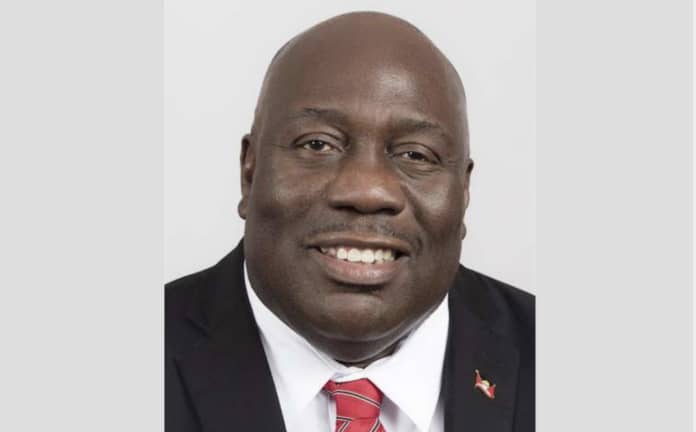
OPINION: Obsession with getting lucrative IPL contracts Causing West Indies batting Woes
The West Indies cricket team continues to struggle with its batting performance across all formats—Test, One Day Internationals (ODIs), and T20s. Historically, the region produced legendary batsmen who honed their skills through extensive first-class cricket, often in competitive environments like the English County circuit. However, the modern era has seen a dramatic shift in priorities among West Indian cricketers, driven by the lucrative allure of T20 franchise leagues such as the Indian Premier League (IPL).
Today, young cricketers are less inclined to invest years in perfecting their craft through traditional first-class cricket, which offers modest financial rewards compared to the millions available in T20 leagues. This disparity has led to a focus on developing skills tailored to T20 cricket—such as aggressive hitting and high strike rates—rather than the patience and technique required for Test cricket. As a result, West Indian batsmen often struggle to maintain consistency in Test matches, where an average of over 40 runs per innings is considered the benchmark for quality.
The financial incentives of T20 cricket have fundamentally altered the mindset of West Indian players. Many now prioritize becoming ‘finishers’ or ‘six-hitters’ in T20 leagues, where quick runs and flashy performances can secure lucrative contracts. This approach, however, has eroded the traditional batting discipline that once defined West Indian cricket. The reckless ‘whoofing’ and ‘swiping’ seen in T20 matches have become the norm, making it difficult for players to transition to the more measured demands of Test cricket.
To address this crisis, cricket administrators and coaches must reconsider the incentive structures that drive player behavior. Introducing performance-based premiums for Test cricket, such as bonuses for centuries or high averages, could help bridge the financial gap between Test and T20 cricket. Additionally, offering post-retirement career support, such as coaching or broadcasting opportunities, could make Test cricket a more attractive long-term option for players.
In T20 cricket, a more strategic batting approach could also be implemented to reduce reckless shot-making while still allowing players to achieve the high scores needed to secure franchise contracts. For example, coaches could set specific scoring targets for different phases of the game, encouraging batsmen to play responsibly in the early overs and unleash their aggression only in the final stages.
Ultimately, the West Indies cricket team’s batting woes are a symptom of broader systemic issues. Without addressing the financial and structural disparities between Test and T20 cricket, the region will continue to struggle to produce the kind of world-class batsmen it once did. A balanced approach that values both formats equally is essential to revive West Indian cricket’s former glory.
-
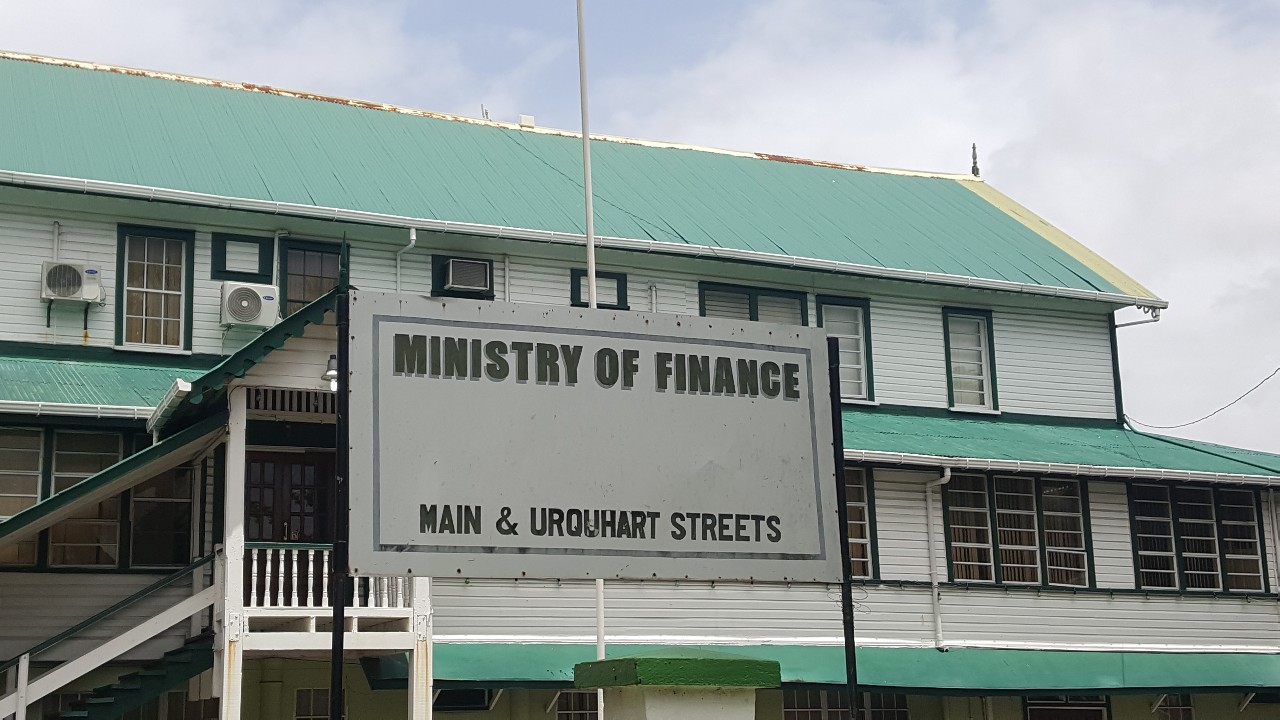
New development bank to start up with US$200 million in tranches
Guyana is set to establish a new development bank in 2026, with an initial seed capital of US$200 million, Vice President Bharrat Jagdeo announced on Thursday. The funds will be allocated in tranches, contingent on demand assessments, and will be integrated into the 2026 national budget. Jagdeo emphasized the importance of mentoring, financial literacy, and technical support to ensure borrowers can repay loans, creating a sustainable revolving fund. He expressed confidence in the bank’s success, acknowledging a potential 10% failure rate, consistent with global financial systems. The government will periodically inject additional capital as revenues grow, ensuring the bank’s long-term viability. Currently, a concept paper for the proposed bank is under development. This initiative follows the dissolution of the Guyana Cooperative Agricultural and Industrial Development Bank (GAIBANK) in 1995 due to high non-performing loans, which was later merged with the Guyana National Cooperative Bank before its closure in 2002.
-

Barbados & Dominica Join Forces To Offer Multi-Destination Tourism Experiences
In a groundbreaking move to enhance their tourism sectors, Barbados and Dominica have signed a Memorandum of Understanding (MOU) to collaborate on marketing, sustainable tourism, and multi-destination packages. The agreement was formalized on October 1, 2025, at the Hilton Barbados Resort during the State of the Tourism Industry Conference (SOTIC). Represented by the Barbados Tourism Marketing Inc. (BTMI) and the Discover Dominica Authority (DDA), the partnership aims to leverage the unique strengths of both islands to attract global travellers and foster regional economic growth.
-

Kalinago Council highlights destruction of Concord River from airport works; demands change
The Kalinago Council has issued a stark warning regarding the severe environmental degradation caused by construction activities linked to the International Airport Project near the Concord River. In a formal statement to the media, the Council highlighted the contamination of the river with murky wastewater, a vital water source for the Kalinago Territory’s residents. This pollution not only threatens the health and hygiene of the community but also undermines their dignity and way of life. Additionally, the destruction of surrounding forested areas has destabilized the river’s ecosystem, posing long-term risks to both the Kalinago people and Dominica’s broader environment. The Council urgently called on the Minister of Environment and relevant government agencies to intervene, advocating for the use of alternative construction sites to protect the river’s integrity and the well-being of the community. The statement concluded with a plea for immediate action to prevent further harm.
-

Non-lethal options to firearms should be considered- Jagdeo
In a significant move to address public safety concerns, Guyana’s Vice President Bharrat Jagdeo has proposed a shift toward non-lethal weapons as an alternative to firearms. Speaking on Thursday, Jagdeo emphasized the need for the government and citizens to consider issuing permits for non-lethal weapons instead of traditional firearms. He questioned whether a more liberal approach to licensing non-lethal tools could meet the demand for personal protection without the risks associated with lethal arms. Jagdeo highlighted the overwhelming number of firearm licence requests received during community visits, with an estimated 50,000 applications currently pending. He suggested implementing stricter criteria for firearm licences to ensure responsible ownership. Additionally, Jagdeo stressed the importance of eliminating corruption in the licensing process, particularly the perception that bribes can secure permits. He called for a collective societal effort to address these issues, stating that the government is committed to resolving the matter decisively.