作者: admin

  • Over 2 Billion People Struggle to See Clearly

    Over 2 Billion People Struggle to See Clearly

    A staggering 2.2 billion individuals worldwide are grappling with vision impairment, with approximately one billion lacking access to basic diagnostic testing or corrective eyewear. This alarming statistic was revealed by Dr. Melissa Diaz-Musa, Director of Public Health and Wellness, during Belize’s inauguration of the World Health Organization’s Specs 2030 global initiative on February 18, 2026.

    The groundbreaking program represents a collaborative effort between the Belize Council for the Visually Impaired (BCVI), the Ministry of Health and Wellness, and optical nonprofit OneSight. Its primary objective is to dramatically improve accessibility to comprehensive eye screenings and affordable vision correction services throughout Belize.

    Educational institutions have been identified as crucial intervention points within the initiative’s framework. Dr. Diaz-Musa emphasized the critical need for early detection, stating, “Numerous students remain undiagnosed, having never undergone professional evaluation by ophthalmologists or optometrists to determine their requirements for visual aids in academic settings.”

    The program’s scope extends beyond educational environments to address refractive errors across broader demographics. By implementing systematic screening protocols and facilitating access to appropriate care, the initiative aims to transform vision healthcare delivery nationwide.

    The launch ceremony convened multidisciplinary stakeholders including healthcare practitioners, primary care providers, and representatives from the Ministry of Education. This coalition signifies a coordinated approach to combating preventable vision disorders through early intervention strategies.

    Dr. Diaz-Musa characterized the event as merely the foundational step in a comprehensive long-term strategy, affirming that the partnership will prioritize early identification of visual impairments to significantly reduce refractive error prevalence across Belize’s population.


  • Wayne Letang officially appointed as Fire Chief of Dominica

    Wayne Letang officially appointed as Fire Chief of Dominica

    Wayne Letang has been formally installed as the Chief Fire Officer of Dominica following an extensive period serving in an acting capacity. The appointment, which became effective on January 1st, 2026, marks a significant milestone in his dedicated career with the Dominican Fire and Ambulance Services.

    During a press conference addressing his official promotion, Letang expressed gratitude toward the Ministry of National Security, its Minister, and the Public Service Commission for entrusting him with the leadership role. He emphasized that his motivation has never been driven by financial gain or status, but rather by a commitment to productivity, professionalism, and national service.

    Letang stated, ‘I was not overly excited when the appointment came because I’ve been doing the work, and I will continue to do that work with 100 percent of my heart. It’s about the nation and the fire and ambulance services.’

    Under his leadership, the Dominican Fire and Ambulance Services aim to implement substantial improvements in operational conditions and organizational professionalism. Letang affirmed that these enhancements are a shared objective between the division and the Ministry of National Security.

    With a career spanning over 21 years, Letang joined the service as early as February 2003, initially serving as Deputy Fire Chief. He has held several acting leadership roles throughout his tenure, progressively advancing through uniformed positions and earning a reputation for steadfast dedication to public safety and emergency response.

  • Two Vehicles Extensively Damaged in Major Hatton Collision

    Two Vehicles Extensively Damaged in Major Hatton Collision

    A severe traffic collision involving two vehicles occurred in Hatton, resulting in extensive damage to both automobiles and causing significant disruption to local traffic flow. Emergency services, including police and paramedics, were promptly dispatched to the scene following reports of the accident.

    Initial assessments from first responders indicate that the impact was substantial enough to deform the structural frames of both vehicles, though specific details regarding the vehicles’ makes and models haven’t been officially released. Authorities have cordoned off the affected area to facilitate cleanup operations and allow for a comprehensive investigation into the circumstances leading to the collision.

    While the exact cause remains under formal investigation by traffic safety officials, early reports suggest that road conditions and potential driver error may have contributed to the incident. Medical personnel evaluated those involved at the scene; however, the full extent of any injuries sustained hasn’t been disclosed to the public yet.

    Local transportation authorities have advised motorists to seek alternative routes as cleanup and investigation efforts continue. The incident serves as a stark reminder of the importance of road safety measures and adherence to traffic regulations, particularly in areas prone to accidents.

  • Rescued Pets Feel the Love at Valentine’s Clinic in Belize City

    Rescued Pets Feel the Love at Valentine’s Clinic in Belize City

    BELIZE CITY – In a heartwarming Valentine’s Day initiative, 40 rescued dogs and cats received essential medical care through a special clinic organized by animal welfare advocates. The Society for the Promotion of Animal Rescue and Kindness (SPARK) hosted its first large-scale spay and neuter operation in over a decade, marking a significant milestone in Belize’s animal welfare efforts.

    Held at the Animal Medical Center in Belama, the clinic provided critical surgeries for 31 dogs and nine cats, all currently in rescue or foster care situations. The event was strategically timed during February’s animal advocacy month and Valentine’s weekend to emphasize themes of compassion and kindness toward animals.

    SPARK President Michelle Rudon emphasized the long-overdue nature of the event, noting that such large-scale clinics hadn’t been available in Belize City for approximately ten years. “February is actually the month for animal advocacy for spay and neuter campaigns,” Rudon explained. “With Valentine’s weekend, when we’re supposed to be advocating for love, kindness, and compassion – that’s exactly what we wanted to show.”

    The medical procedures were conducted by a collaborative team featuring visiting US veterinarian Dr. Guy Nation and local veterinary expert Dr. Orlando Baptist. SPARK volunteers provided comprehensive support including patient check-ins, postoperative monitoring, and follow-up care to ensure successful recoveries.

    Following the event, SPARK has continued its outreach efforts, checking on all treated animals to monitor their recovery progress, eating habits, hydration levels, and surgical sites. The organization is actively seeking additional community support through foster homes and financial contributions, with plans to launch a micro-donation campaign inviting Belizeans to contribute just $1 toward future animal welfare initiatives.

  • Holi valt dit jaar op dinsdag 3 maart

    Holi valt dit jaar op dinsdag 3 maart

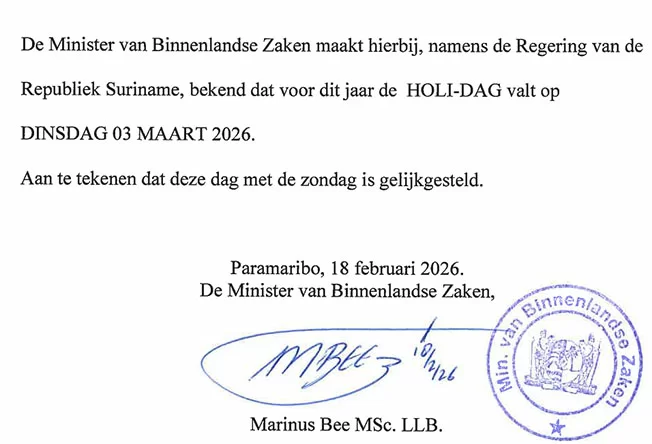
    The Ministry of Home Affairs of Suriname has formally declared Tuesday, March 3rd as the official date for this year’s Holi celebration, according to an official government announcement. Minister Marinus Bee, who signed the proclamation, confirmed that the national holiday will carry the same legal status as Sunday observances.

    Holi, traditionally known as Phagwa within Surinamese culture, represents one of the most significant festivals for the Hindu community. This vibrant celebration embodies the symbolic victory of righteousness over malevolence while simultaneously heralding the arrival of spring. The festivities emphasize core values of communal harmony, reconciliation, and collective joy through traditional rituals and colorful ceremonies.

    The governmental recognition underscores Suriname’s commitment to cultural diversity and religious inclusion. By granting national holiday status equivalent to Sundays, the administration ensures widespread participation across all societal segments. This institutional acknowledgment reflects the country’s rich multicultural tapestry where Hindu traditions form an integral part of the national identity.

    The announcement follows established protocols for cultural and religious observances within the South American nation, where Hindu festivals maintain significant cultural prominence due to historical demographic patterns. The fixed date determination provides clarity for public and private sector planning while honoring the spiritual significance of the ancient festival.

  • Fisherman pleads guilty to possession of 22.9lbs of cocaine

    Fisherman pleads guilty to possession of 22.9lbs of cocaine

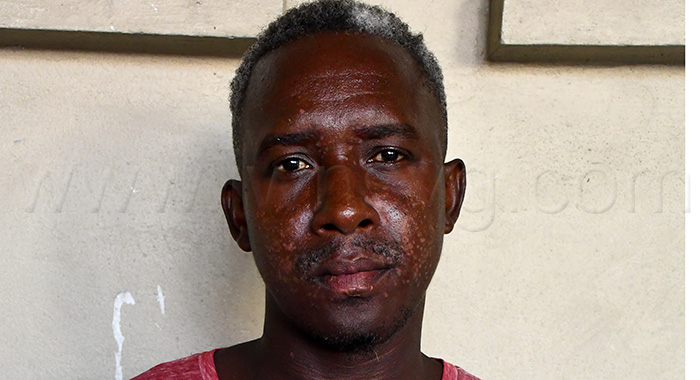
    A significant drug enforcement operation in St. Vincent and the Grenadines has resulted in criminal proceedings against two individuals following the seizure of substantial narcotics. Sebastian Audain, a 36-year-old fisherman from Lowmans Bay known as “Bush,” has entered a guilty plea for possession and trafficking of 22.9 pounds of cocaine confiscated by authorities in West Kingstown. Meanwhile, his co-defendant Alvin Cyrus, also 36 and from Largo Height, has pleaded not guilty to the charges.

    The successful interdiction emerged from a coordinated effort involving multiple specialized police units, including Narcotics, Rapid Response, and Special Services teams. While authorities have not disclosed the exact community within the constituency where the drugs were discovered, they emphasized the operational significance of the seizure.

    Audain remains in custody awaiting sentencing scheduled for Thursday at the Layou Magistrate Court. Cyrus has been granted bail set at EC$30,000 and is required to reappear before the Serious Offences Court on March 2 for further proceedings.

    In an official statement, the Royal St. Vincent and the Grenadines Police Force highlighted the importance of inter-departmental cooperation in combating drug trafficking. “The success of this undertaking highlights the value of specialized units moving in unison to address specific threats to our communities,” the statement read. “When these divisions align, they create an operational reach necessary to intercept illegal substances before they circulate further.”

    Law enforcement officials emphasized that the presence of such substantial narcotics quantities in residential areas demonstrates the ongoing challenges in maintaining community safety. The police force reaffirmed its commitment to persistent monitoring and intervention against organized drug activities, acknowledging the crucial role of public cooperation in these efforts.

    Authorities have encouraged citizens with relevant information to contact Police Control at 457-1211 or the Public Relations and Complaints Department at 485-6891, assuring complete confidentiality for all tips provided.

  • Ramadan begint in Gaza temidden van puinhopen van verwoeste moskeeën

    Ramadan begint in Gaza temidden van puinhopen van verwoeste moskeeën

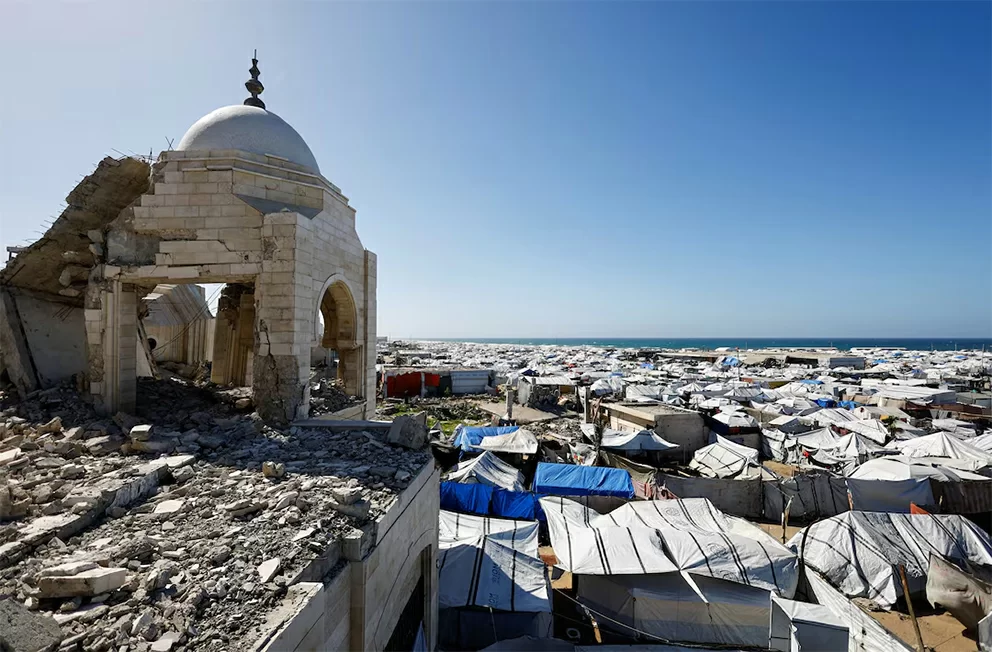
    As the holy month of Ramadan commenced in Gaza on Wednesday, Palestinian worshippers turned to the shattered remnants of destroyed mosques and improvised prayer spaces constructed from tarpaulins and wood, demonstrating remarkable spiritual resilience amid widespread devastation.

    The landscape of Gaza City reveals the profound scale of destruction, with the dome of the obliterated Al Hassaina mosque now resting atop mounds of rubble. What was once a courtyard filled with worshippers has transformed into a living space where displaced families now sleep, cook, and hang laundry between broken columns and debris.

    Sami Al Hissi, a 61-year-old mosque volunteer, expressed profound grief while standing amidst the ruins: “I cannot bear to look at this destruction. We once prayed here comfortably, surrounded by friends and loved ones. Now there are no loved ones, no friends, and no mosque remaining.”

    The current reality represents both spiritual and societal devastation for Gaza’s residents. According to figures from the Hamas-run government’s media office, 835 mosques have been completely destroyed and 180 partially damaged during the conflict that began after Hamas’s cross-border attack on October 7, 2023, which Israeli authorities say killed 1,200 people. Additionally, 40 of Gaza’s 60 cemeteries have reportedly been destroyed.

    Israel maintains that its military operations target Hamas infrastructure and accuses Palestinian armed groups of using civilian areas, including mosques, for military purposes—an allegation Hamas denies. Palestinian health authorities report approximately 72,000 Palestinian casualties since the conflict began.

    Despite catastrophic damage and severe shortages of construction materials, community efforts have created 430 makeshift prayer spaces using repurposed plastic greenhouse covers, wood, and tent materials, according to Amir Abu Al-Amrain, director of Gaza City’s religious affairs ministry.

    Khitam Jabr, a displaced resident now sheltering in a mosque, articulated the collective disappointment: “We had hoped to celebrate Ramadan in a different atmosphere. With most mosques destroyed, we now pray in tents that have become shelters for the displaced.”

    The commencement of Ramadan in Gaza underscores both the depth of religious faith persisting through conflict and destruction, and the community’s extraordinary resilience despite overwhelming hardship. The situation highlights the urgent need for humanitarian assistance and sustainable solutions to alleviate Palestinian suffering in the region.

  • US $40M Climate Financing Expected for Indigenous Communities

    US $40M Climate Financing Expected for Indigenous Communities

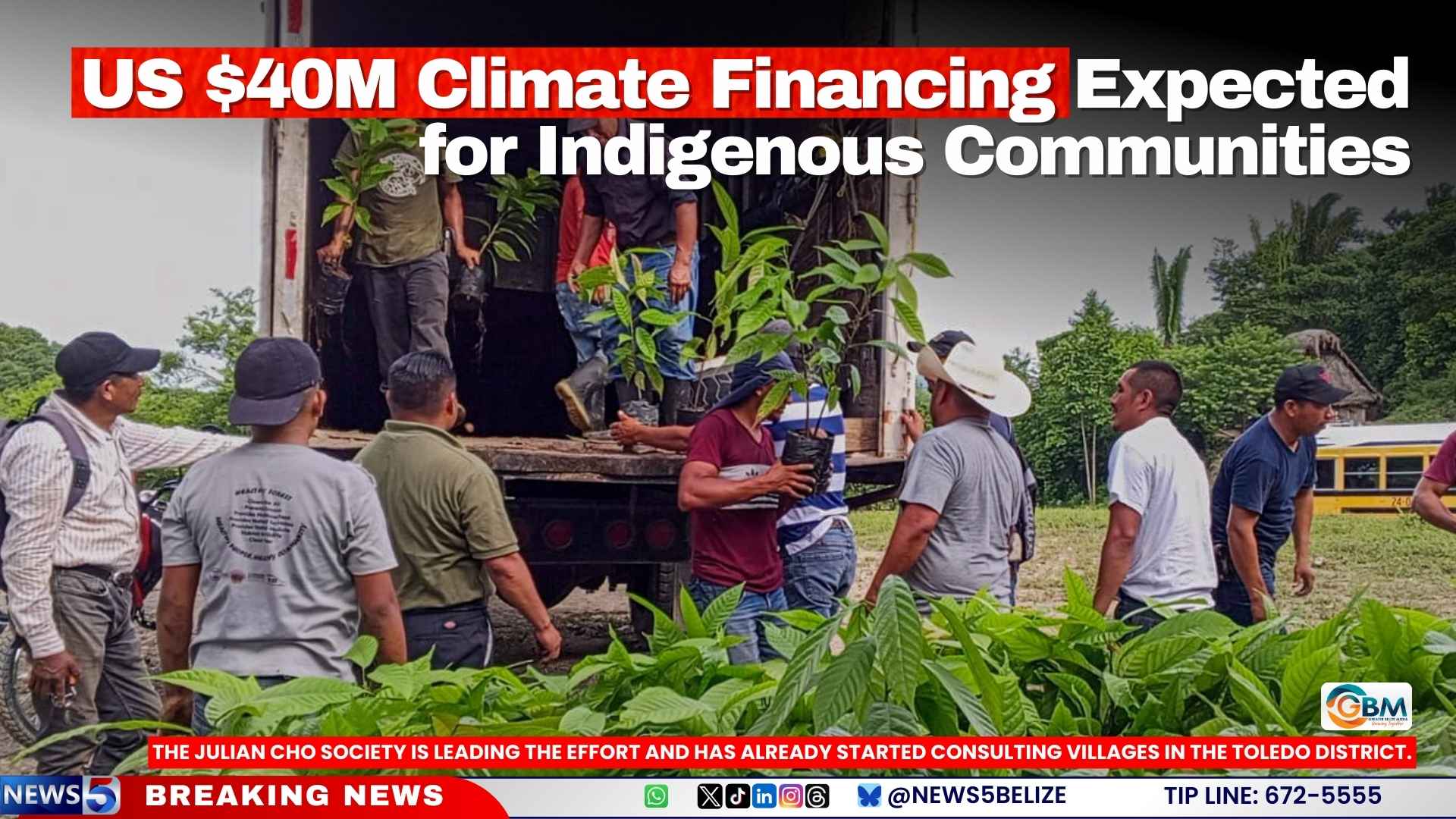
    In a landmark initiative for climate justice, indigenous communities in southern Belize are set to receive approximately $40 million in financing through the Green Climate Fund. The funding aims to bolster climate resilience efforts among Maya populations facing escalating environmental challenges.

    The Julian Cho Society, spearheading the project titled “Maya LED Pathways for Climate Resilience and Sustainable Economies,” has initiated consultations with villages throughout the Toledo District. This comprehensive program is designed to assist local farmers in adapting to unpredictable weather patterns while simultaneously strengthening agricultural practices and supporting community-based enterprises.

    Pablo Mes, Executive Director of the initiative, emphasized the critical role of indigenous stewardship in global climate mitigation. “Indigenous peoples manage twenty-five percent of the world’s landmass, with substantial portions remaining forested—making their territories vital for carbon sequestration and biodiversity conservation,” Mes stated.

    The funding recognition comes at a crucial juncture, as Mes highlighted systemic barriers that often prevent climate financing from reaching frontline communities. After extensive consultations with over sixty educators and community leaders, organizers identified mismatches between funding requirements and local needs. This program specifically addresses those disparities by crafting context-appropriate solutions aligned with Maya traditions and knowledge systems.

    While the Belizean government has formally endorsed the initiative, final approval from the Green Climate Fund remains pending. Once secured, the project will enter full proposal development with anticipated implementation beginning in 2027. This represents one of the most significant direct investments in indigenous-led climate adaptation strategies in Central America to date.

  • Government Promises US $40M, But Will Maya Farmers See Any of It?

    Government Promises US $40M, But Will Maya Farmers See Any of It?

    Belize has secured a pivotal endorsement for a $40 million climate resilience initiative aimed at supporting indigenous Maya communities in the southern Toledo District. The project, titled “Maya LED Pathways for Climate Resilience and Sustainable Economies,” is being developed through the international Green Climate Fund and spearheaded by the Julian Cho Society.

    Executive Director Pablo Mes emphasized the critical role of indigenous land stewardship in global climate mitigation efforts, noting that 25% of the world’s forested land is managed by indigenous peoples. The program specifically targets practical adaptation strategies for local farmers facing climate disruptions while strengthening sustainable economic development.

    Despite government backing, the funding remains pending final approval from the Green Climate Fund. Mes highlighted a significant structural challenge in climate financing: existing funding mechanisms often fail to align with the direct needs of indigenous communities who possess valuable traditional ecological knowledge.

    Extensive consultations have already been conducted across numerous villages, with organizers anticipating a potential 2027 launch if the proposal receives full authorization. The initiative represents a growing recognition that effective climate action requires direct investment in indigenous communities who maintain vital forest ecosystems.

  • Putting Profits Over Paddlers?

    Putting Profits Over Paddlers?

    A significant controversy is emerging around Belize’s premier canoe racing event, the La Ruta Maya Belize River Challenge, as organizers contemplate altering its traditional route. The potential changes have sparked debate about whether financial interests are overshadowing the needs of athletes and the event’s sporting heritage.

    Elvin Penner, Vice President of the Belize Canoe Association, has publicly distanced his organization from the planning process, revealing that the association plays no role in determining the race’s logistics. “We are simply spectators,” Penner stated, emphasizing that his group’s priority has always been the paddlers and should therefore be included in decision-making.

    Penner expressed concern that the event has shifted from its athlete-centered origins toward commercial motivations. “It has become very much a personal business, a money-type of thing,” he commented, questioning whether organizers are prioritizing profits over participants.

    The proposed relocation of the finish line has drawn particular scrutiny. Penner remains skeptical about the justification for this change, noting, “I have yet to hear the real reasons why they wanted to move that finishing line.” He anticipates that the alteration could impose substantial entry fees on spectators, potentially diminishing public engagement with the event.

    The potential route modification threatens to eliminate the race’s iconic final stretch through the Belize City channel, a technically demanding section that has often determined outcomes since the event’s inception in 1998. Penner described this segment as where “you separate the men from the boys” due to its challenging water conditions.

    Event organizers cite security concerns at the current Civic Center finish location as motivation for considering changes. Roberto Harrison, Vice Chair of the organizing committee, explained to News Five: “The Civic Center is too open, and we need to have better control of what happens.”

    Penner advocates for refocusing on the athletes who endure the physical demands of the four-day, 180-mile river journey and the sponsors whose financial support enables participation. Without sponsorship, teams could not afford the $10,000-$15,000 required to compete in the challenging event.

    The organizing committee has not yet reached a final decision regarding the proposed route changes, leaving the future configuration of Belize’s most significant paddling competition uncertain.