作者: admin

  • Dames denies involvement after partner caught in $4m cocaine bust

    Dames denies involvement after partner caught in $4m cocaine bust

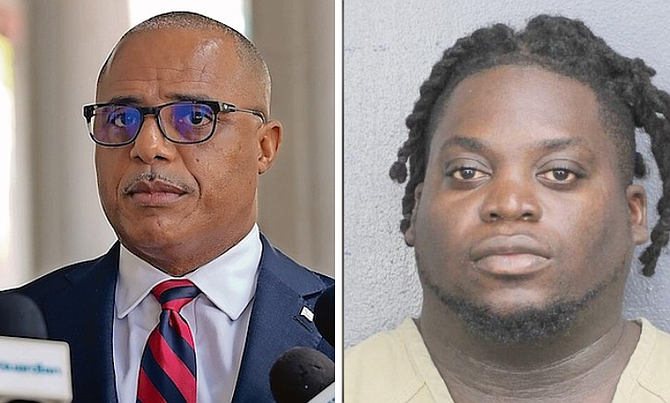
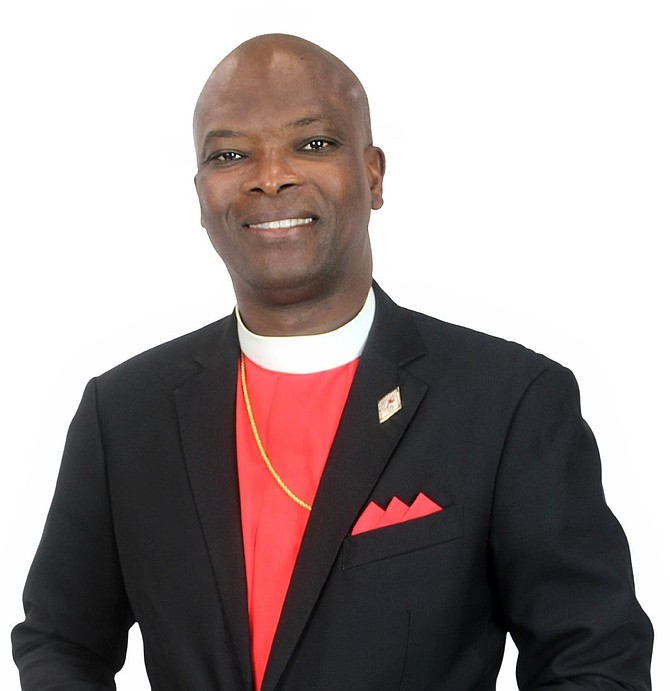
    Marvin Dames, former National Security Minister and current Free National Movement (FNM) candidate, has publicly distanced himself from a major international drug trafficking case involving his business associate. The controversy emerged after US authorities intercepted a vessel jointly owned by Dames and Malcolm Goodman approximately four miles off the coast of Fort Lauderdale, Florida, on February 11.

    According to official court documents filed by US Department of Homeland Security taskforce officer Jose Alverez, the US Coast Guard conducted a routine customs border search of the 45-foot vessel M/V Reel Xperience after it arrived from New Providence. During inspection, law enforcement officials discovered approximately 200 kilograms of cocaine with an estimated street value of $4 million, along with 248 bottles of cough syrup, concealed within the vessel’s common areas and a stateroom.

    Goodman, described by online platform Captain Experiences as an experienced maritime professional with over a decade of industry experience, allegedly made spontaneous statements to officers upon arrest and later admitted sole involvement in narcotics smuggling. He has been charged with possession with intent to distribute a controlled substance and importation of a controlled substance, and remains detained pending trial after relinquishing his right to a temporary bond hearing.

    In an official statement, Dames confirmed his business relationship with Goodman but emphatically denied any knowledge or involvement in illicit activities. The former Deputy Commissioner of Police and National Security Minister under the Minnis administration stated that neither he nor his wife had authorized, participated in, or benefited from any alleged criminal conduct connected to the case.

    Dames emphasized his lifelong dedication to national security and law enforcement, pledging full cooperation with any official inquiries from Bahamian or US authorities. The FNM’s Mount Moriah branch has expressed continued support for their candidate, with long-serving member Bennett Minnis confirming they would not request his resignation.
  • Staff rally support as super value owner airlifted to U.S.

    Staff rally support as super value owner airlifted to U.S.

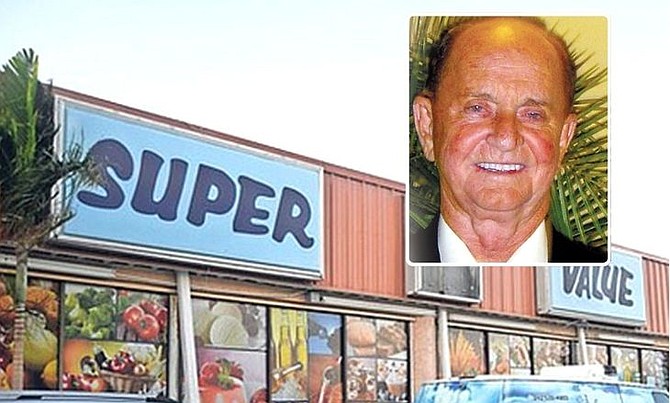
    The Bahamian business community has mobilized in support of Rupert Roberts, founder and owner of the nation’s largest all-Bahamian food retail chain Super Value, following his medical emergency over the weekend. According to company president Debra Symonette, staff responded “almost immediately” after learning of Roberts’ urgent need for blood donations, demonstrating the deep loyalty he commands within his organization.

    While Symonette declined to specify Roberts’ medical condition, she confirmed the prominent businessman has been transferred via air ambulance to Mayo Clinic in Rochester, Minnesota, where he remains under intensive care. Social media platforms were flooded with appeals for blood donors throughout the weekend as news of his health crisis spread rapidly throughout the islands.

    The Super Value president described staff as “very optimistic” about Roberts’ recovery, noting that employees across the retail chain have rallied together with a team in place to maintain operations while regularly receiving updates on his condition. “We’re just praying for him and hoping that everything will turn out for the best,” Symonette stated, emphasizing that Roberts is “very much loved by his staff.”

    Beyond his retail empire, Roberts has been a pivotal figure in Bahamian commercial development for decades. He previously served as chairman of Commonwealth Bank Limited from 1984 to 1992 following the bank’s Bahamianisation, overseeing a period of remarkable expansion. Under his leadership, the institution relocated its headquarters to East Bay Street, established new branches in Oakes Field and Marsh Harbour, and achieved unprecedented growth with total assets soaring by over 700 percent to exceed $125 million while net income tripled from $1.3 million to $4 million during his tenure.

  • Bishop brands ‘sweethearting’ an evil as study sparks alarm

    Bishop brands ‘sweethearting’ an evil as study sparks alarm

    A senior Anglican bishop has issued a stern condemnation of extramarital relationships known as ‘sweethearting,’ labeling the practice as morally corrupt and indicative of The Bahamas’ departure from its Christian foundations. The remarks from Diocesan Bishop Dr. Anthony Farrington come in response to a comprehensive University of The Bahamas study that has quantified the prevalence of these arrangements for the first time.

    The research paper, titled ‘A Description of Sweethearting in The Bahamas,’ analyzed responses from 6,714 adults and revealed that many married individuals maintain external sexual partnerships to fulfill emotional or intimacy needs while preserving their marriages. Among the key findings: one in five respondents reported multiple sexual partners within the previous six months, with 77% identifying at least one partner as a ‘sweetheart.’ The study also noted that 54% of married women described their sweetheart as sexually superior to their spouse, compared to 39.5% of married men.

    Dr. Farrington expressed profound concern over the findings, stating that while he was aware of the practice, its documentation presented troubling evidence of societal decline. ‘Our society has drifted tremendously from our forefathers’ foundation,’ he remarked. ‘I condemn it unequivocally as a religious leader who believes in the institution of family as one husband, one wife, and their children.’

    The bishop voiced additional concern about public reaction to the study, particularly comments normalizing sweethearting arrangements. This response, he argued, demonstrates that despite The Bahamas’ identity as a Christian nation, significant work remains to align practices with religious principles. ‘There is a difference between being a Christian and a believer,’ Farrington emphasized. ‘Many believe in God but are not walking in the footsteps of Christianity.’

    In response to the study, religious institutions are being urged to intensify their focus on marital strengthening through seminars, family events, and potentially new programs specifically designed to address sweethearting. Bishop Farrington acknowledged that no marriage is perfect but stressed the importance of proactive effort, open communication, and professional counseling to maintain marital integrity.

    Meanwhile, Bahamas Christian Council president Bishop Delton Fernander has raised methodological questions about the research, expressing uncertainty about the survey’s sample size and representation.

  • Cross-dressing ‘lawyer’ jailed

    Cross-dressing ‘lawyer’ jailed

    Freeport, Grand Bahama – In a striking case of fraudulent impersonation, the Grand Bahama Magistrate’s Court has sentenced 30-year-old Kimeo McIntosh to three years imprisonment for orchestrating an elaborate scheme where he posed as a female attorney. McIntosh pleaded guilty to 53 offenses including forgery, fraud, money laundering, and impersonating legal counsel.

    The investigation revealed that between October 2025 and January 2026, McIntosh operated under the fabricated identity of ‘Laniqua Rolle,’ targeting vulnerable individuals seeking legal assistance for incarcerated relatives. His sophisticated deception included presenting forged judicial documents and offering legal services that were never rendered, resulting in collective losses of $19,927.56 for multiple victims.

    Law enforcement apprehended McIntosh on February 18 following an attempted escape while wearing complete female attire, including spandex tights, a bra, and cosmetic enhancements. Subsequent search operations uncovered additional disguise materials and two cell phones that facilitated the calculated fraud operation.

    During sentencing proceedings, Magistrate Charlton Smith characterized the crimes as “deliberate, organized, and involving the misuse of purported judicial authority,” noting the direct impact on public confidence in the justice system. The prosecution highlighted McIntosh’s previous convictions for similar offenses involving breaches of public trust.

    Despite mitigation arguments emphasizing McIntosh’s immediate guilty plea, expressed remorse, and offers of restitution, the court determined that the severity of the offenses warranted substantial incarceration. All sentences will run concurrently. McIntosh faces additional court proceedings today regarding separate child cruelty charges.

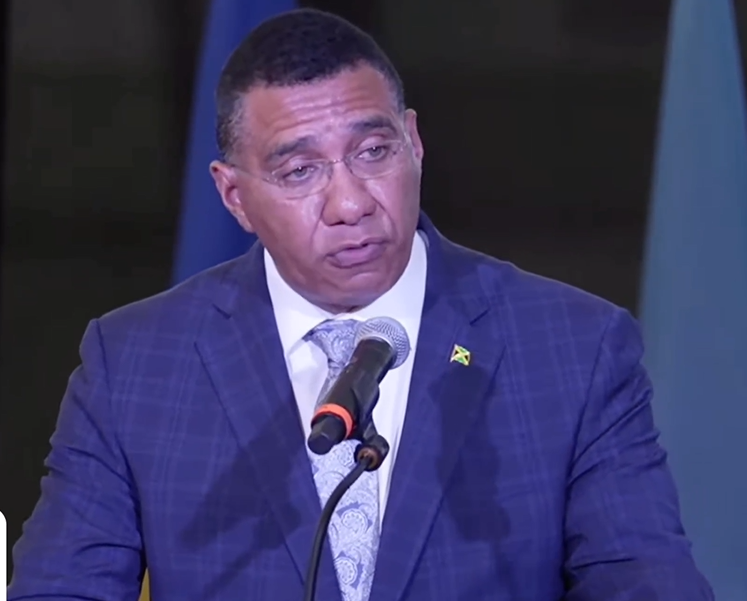
  • Holness urges Caricom to adopt strategic, people-centred vision for regional integration

    Holness urges Caricom to adopt strategic, people-centred vision for regional integration

    KINGSTON, Jamaica—Prime Minister Andrew Holness has presented a transformative vision for the Caribbean Community (Caricom), advocating for a more pragmatic and strategically focused approach to regional integration. Addressing the 50th regular conference of Caricom heads of government in St Kitts and Nevis, Holness emphasized the need to move beyond theoretical unity and embrace actionable strategies.

    Holness articulated that while Caricom member states maintain diverse perspectives, they share fundamental alignments in areas critical to their populations. “We are not monolithic. We are not always going to be one group. But we are aligned in critical areas that matter most for our people: security, resilience in all forms, economic opportunity, and global relevance,” he stated during the opening session.

    The Jamaican leader highlighted the region’s unique advantages, including its geographical positioning, youthful demographics, renewable energy capabilities, creative sectors, and democratic foundations. These attributes position the Caribbean within the strategic landscape of an rapidly evolving global environment, he noted.

    Holness proposed a three-pillar framework for Caricom’s renewed vision:

    1. **Competitiveness Agenda**: Focusing on logistics enhancement, connectivity improvements, digital and artificial intelligence transformation, and clean energy adoption. This approach would enable economies to scale within the single market while respecting individual national development strategies.

    2. **Institutional Readiness**: Developing regional bodies capable of delivering clear priorities with professional execution and continuity. These institutions must streamline bureaucracy, increase operational speed, and inspire confidence among international partners.

    3. **Nuanced Diplomacy**: Recognizing member states’ diversity not as fragmentation but as a spectrum of strategic options that collectively strengthen the region’s negotiating power and global leverage.

    Holness concluded with a powerful call to action: “If our economies are to scale, we must scale our ambitions. If our voice is to carry weight, we must speak with coherence, recognizing that unity does not require uniformity.” He reaffirmed Jamaica’s commitment to this strategic vision, noting that national development is inextricably linked to regional success.

  • WATCH: McKenzie warns of higher litter fines

    WATCH: McKenzie warns of higher litter fines

    KINGSTON, Jamaica—The Jamaican government is preparing to implement substantially increased penalties for environmental violations as part of a comprehensive crackdown on public disorder. Desmond McKenzie, Minister of Local Government and Community Development, has announced forthcoming legislative amendments to the Litter Act that will introduce more severe financial consequences for those polluting public spaces.

    Minister McKenzie revealed that the strengthened legislation is expected to be presented and ratified during the upcoming legislative session, potentially by mid-year. “You’re going to be seeing a difference in terms of how public order on our streets is executed,” McKenzie stated, indicating a significant shift in enforcement strategies.

    Beyond mere legislative changes, the minister emphasized the necessity for a fundamental transformation in public attitudes toward environmental stewardship. “The truth is, you could put all the statutes on the books. If the Jamaican people do not have a change of mind, then it is not going to work,” he cautioned, highlighting that legal measures alone cannot resolve the nation’s cleanliness challenges.

    The proposed amendments will specifically target two primary areas of concern: littering in public areas and the unauthorized commercial use of sidewalks and roadways. Minister McKenzie expressed particular concern about garage operators and used-car dealers who persistently occupy public thoroughfares, often reducing road access to single lanes and creating hazardous conditions for pedestrians and motorists alike.

    “There is a greater challenge that we face,” McKenzie noted, referencing his discussions with municipal corporations nationwide regarding the systematic takeover of public infrastructure by commercial entities. The minister issued a stern warning that the government would no longer tolerate such flagrant violations of public space regulations.

    McKenzie’s comments signal a determined effort to enhance urban cleanliness and traffic flow through both punitive measures and public awareness campaigns, representing one of the most significant attempts in recent years to address Jamaica’s public space management challenges.

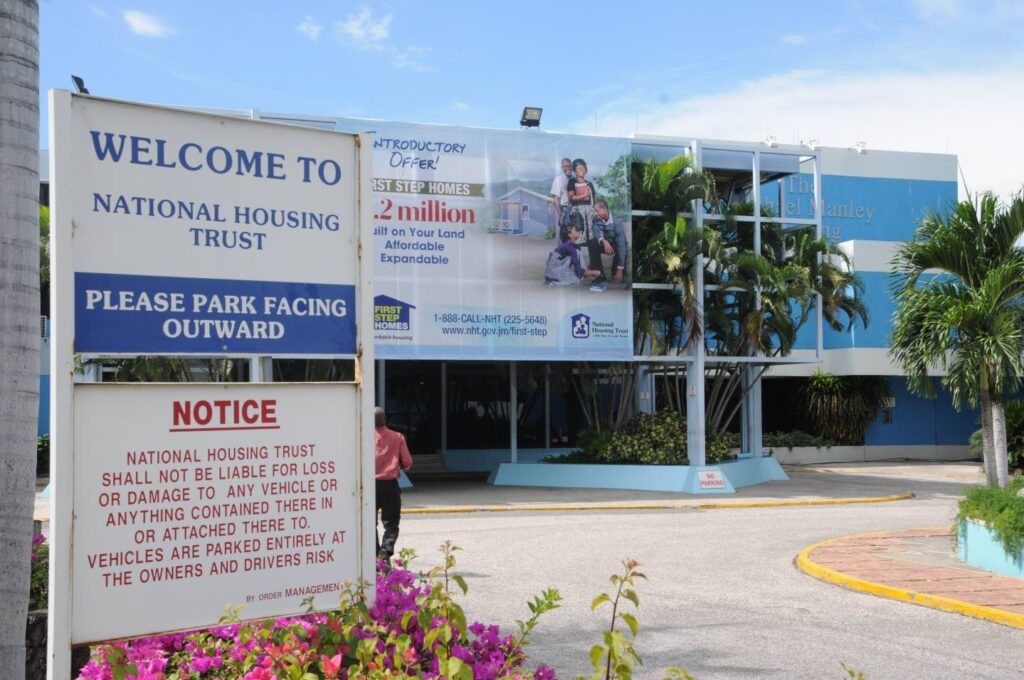
  • NHT transfers to top $200 billion as temporary measure becomes long-term revenue stream

    NHT transfers to top $200 billion as temporary measure becomes long-term revenue stream

    Jamaica’s Cabinet has formally entrenched the National Housing Trust (NHT) as a permanent feature within the nation’s fiscal architecture by extending its substantial annual transfers to the central government through 2031. This decision prolongs what originated as an emergency measure during the 2013 fiscal crisis, transforming it into a sustained revenue mechanism that will channel over $200 billion into the Consolidated Fund by the end of the authorization period.

    The extension mandates continued payments of $11.4 billion annually for an additional five years beyond the current 2025/26 expiration. Cumulative transfers are projected to reach approximately $148.2 billion by March 2026, with the new extension adding $57 billion to push the aggregate total beyond $205 billion over the 18-year span from 2013 to 2031.

    Initially conceived as a four-year temporary arrangement under Jamaica’s International Monetary Fund-supervised reform program, the mechanism has undergone multiple extensions that have progressively institutionalized the Trust’s dual function as both housing financier and indirect budget support vehicle.

    The scale of these transfers represents significant fiscal commitment relative to the NHT’s core housing mission. The annual $11.4 billion transfer equates to approximately one-fifth of the Trust’s record $56.6 billion contribution inflows in 2023/24 and nearly 38% of its $30.2 billion housing expenditure during the same period.

    The NHT’s capacity to sustain both functions is supported by its robust financial position. With total assets of $378.8 billion as of the last fiscal year, the Trust ranks among Jamaica’s largest financial institutions—comparable to the third-largest commercial bank and exceeding the entire building society sector. Strong investment yields of 11.5% coupled with declining mortgage interest rates have created favorable earnings spreads, generating sustained surpluses that enable simultaneous fulfillment of housing mandates and fiscal transfer obligations.

  • Stop institutionalising our children, Chuck appeals

    Stop institutionalising our children, Chuck appeals

    A powerful coalition of Jamaican government officials is spearheading a transformative movement to abolish the institutionalization of children within the nation’s justice and welfare systems. Leading this charge, Justice Minister Delroy Chuck delivered an urgent appeal before a Parliamentary Joint Select Committee, asserting that placing children in state-run or private care facilities sets them on an irreversible path toward criminal recidivism.

    Minister Chuck, who chairs the committee reviewing the 2018 Child Diversion Act, presented compelling testimony that institutional environments cultivate harmful habits rather than provide rehabilitation. “Once they’re put into institutions, it’s downhill from there,” Chuck emphasized, noting that Jamaica’s prisons are filled with recidivists who began their journey through state care facilities.

    The Minister’s position received robust support from multiple government sectors. Juliet Cuthbert Flynn, State Minister for National Security and Peace, challenged the classification of children as “uncontrollable” and condemned housing them alongside convicted offenders. She advocated instead for comprehensive mentoring programs, highlighting how unresolved trauma and unexplained anger frequently manifest in problematic behaviors that institutions fail to address.

    Adding legal weight to the argument, Marisa Dalrymple-Philibert, State Minister for Justice and Constitutional Affairs, drew from personal experience growing up with a mother who served as a children’s officer. She delivered a forceful condemnation of current practices, stating that children’s homes “are destroying rather than helping our children” and shared a troubling account of a Brazilian child detained under questionable circumstances.

    The officials proposed a fundamental reallocation of resources, suggesting that funds currently directed toward institutional care should be diverted to the Child Diversion Unit within the Justice Ministry. This unit, which employs personalized mentoring approaches, has demonstrated significantly better outcomes in rehabilitating youth and reintegrating them into society as productive citizens.

  • Cable clean-up coming

    Cable clean-up coming

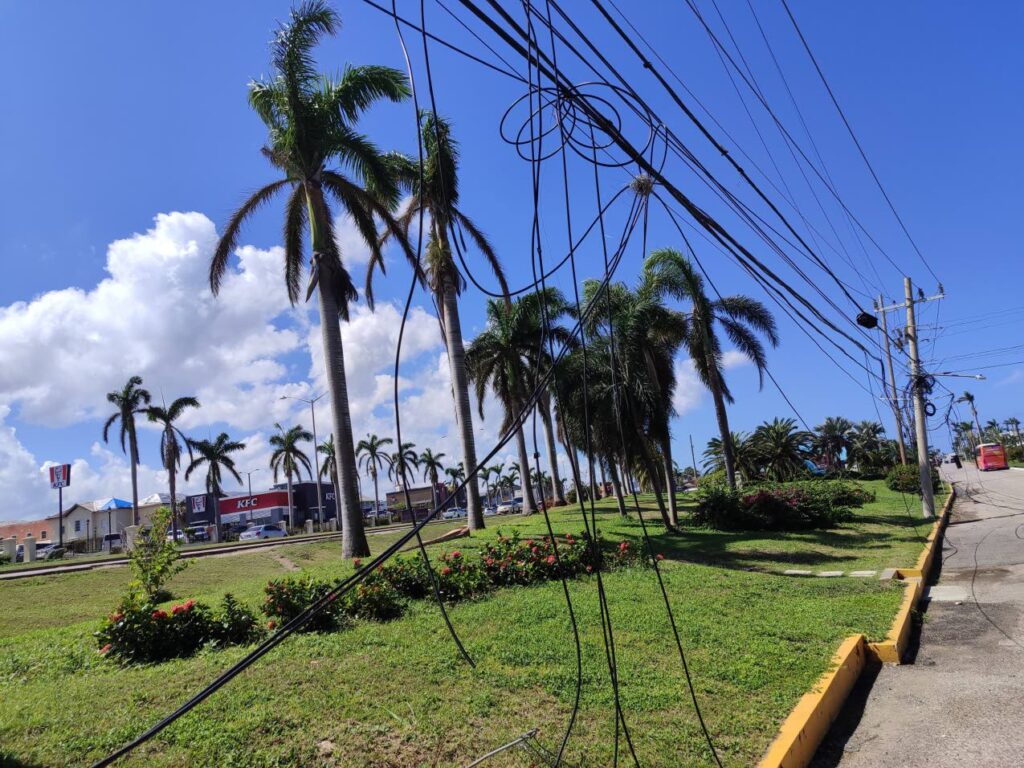
    FALMOUTH, Trelawny — Jamaica Public Service Company (JPS) has responded to growing public frustration over dangling cables remaining on utility poles following Hurricane Melissa’s devastation, clarifying that electrical restoration takes precedence over immediate aesthetic concerns.

    Corporate Communications Director Winsome Callum explained the company’s structured recovery approach involves distinct phases. The initial critical phase focuses exclusively on re-energizing communities and ensuring public safety, while comprehensive cable removal constitutes a secondary clean-up operation scheduled after power normalization.

    “Our absolute priority remains restoring electricity to affected customers,” Callum stated. “These dangling cables will definitely be removed during the second wave—this isn’t a permanent situation. We deploy all available resources initially for power restoration, followed by systematic clean-up operations.”

    The communications director emphasized safety protocols, noting all hanging cables have been de-energized and repositioned where possible to eliminate hazards during continuing restoration efforts.

    Complicating the clean-up process, many suspended cables belong not to JPS but to telecommunications providers operating under joint pole agreements. Callum clarified regulatory constraints prevent unilateral removal of partner companies’ infrastructure without coordinated planning.

    “We maintain collaborative relationships with partner utilities and coordinate removals through mutual communication,” Callum explained. “We’re not authorized to independently remove other providers’ installations.”

    While major cable companies remained unavailable for comment, an anonymous community cable operator revealed smaller providers received explicit timelines from JPS regarding clean-up schedules in specific regions. The operator confirmed compliance with directives to remove equipment preemptively to avoid irreversible removal by JPS crews during pole maintenance operations.

    The operator suggested remaining dangling cables likely belong to larger telecommunications providers who may not have adhered to the coordinated removal schedule, particularly evident in areas like Falmouth where loose wires remain visibly suspended from utility poles.

  • Keeping the house clean

    Keeping the house clean

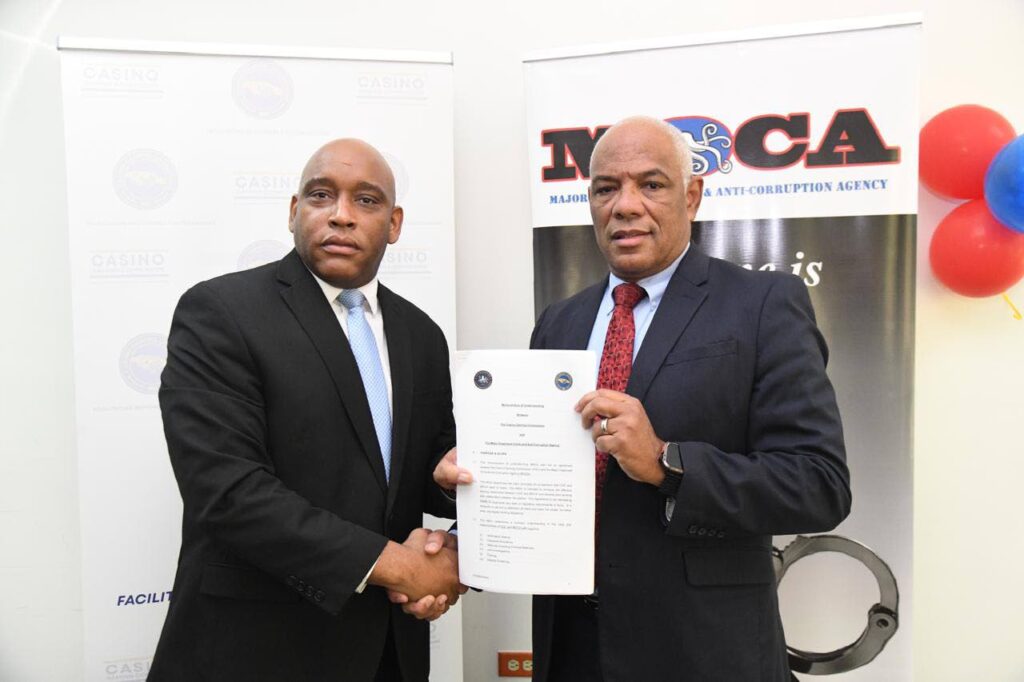
    Jamaica has taken decisive action to protect its nascent gaming sector from organized criminal infiltration through a newly established cooperation framework between key regulatory bodies. The memorandum of understanding (MOU) signed between the Major Organised Crime and Anti-Corruption Agency (MOCA) and the Casino Gaming Commission represents a strategic move to prevent the nation’s reinstatement to the Financial Action Task Force’s (FATF) increased monitoring list.

    Colonel Desmond Edwards, Director General of MOCA, emphasized the critical importance of maintaining Jamaica’s hard-won removal from the FATF grey list in 2024 after four years of heightened scrutiny. “We don’t want to go back on the list,” Edwards stated, noting that grey list status severely diminishes a country’s appeal to international investors due to perceived high-risk categorization.

    The FATF, as the global watchdog combating money laundering and terrorist financing, places nations on its grey list when their anti-financial crime frameworks are deemed inadequate. Edwards highlighted that Jamaica’s delisting resulted from concerted efforts across multiple sectors to address systemic vulnerabilities.

    Gaming industries worldwide remain particularly susceptible to money laundering schemes, necessitating robust regulatory structures. The newly signed MOU establishes stringent protocols to prevent illicit funds from entering Jamaica’s gaming ecosystem while fostering investor confidence and public trust.

    Casino Gaming Commission Chairman Ryan Reid characterized the agreement as demonstrating Jamaica’s commitment to industry integrity. “We are putting structures in place to combat anything or any intentions they may have,” Reid stated, referencing potential bad actors seeking to exploit the emerging sector.

    Commission CEO Cleveland Allen clarified that Jamaica’s vision differs markedly from traditional gambling hubs like Las Vegas. Instead, the nation aims to integrate casino gaming as one component of a diversified tourism offering rather than establishing itself as a primary gaming destination.

    The regulatory foundation was strengthened on February 10 when Jamaica’s House of Representatives approved the Casino Gaming (General) Regulations 2025. These comprehensive rules govern administrative processes, licensee obligations, record-keeping, reporting requirements, and enforcement mechanisms to ensure transparent and orderly industry operations.