
In a significant move to bolster agricultural productivity, Prime Minister Browne announced the acquisition of two 20-ton trucks and an excavator for the Ministry of Agriculture. These resources are earmarked to assist farmers in constructing ponds and dams on their farms, as well as preparing sub-base layers for farm roads. This initiative aims to enhance water management and improve transportation infrastructure, crucial for the efficiency of agricultural operations. Additionally, the government plans to install solar lights on farms to facilitate night work, thereby extending the working hours and potentially increasing output. This dual approach of providing heavy machinery and renewable energy solutions underscores the government’s commitment to modernizing the agricultural sector and supporting local farmers in Antigua.
作者: admin
-
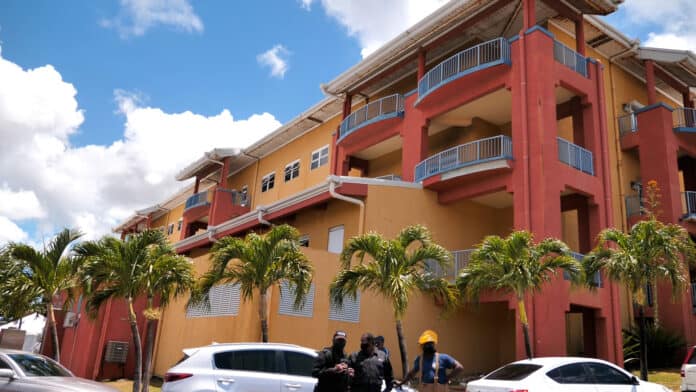
Man shot during attempted robbery in Cooks in stable condition, police say
A man is currently in stable condition at Sir Lester Bird Medical Centre after being shot in the chest during an attempted robbery in the Cooks area early Saturday morning. According to authorities, the incident occurred shortly after 4 a.m. when the victim was walking to the market. A masked gunman reportedly demanded money and, without hesitation, opened fire, striking the victim in the chest. The assailant fled the scene on foot, leaving the victim critically injured. Emergency Medical Services arrived promptly and transported the victim to Sir Lester Bird Medical Centre by 4:20 a.m., where he is now under observation. Police are actively investigating the case and have urged anyone with information to contact the Criminal Investigations Department at 462-3913 or call 911. The incident has raised concerns about safety in the area, with residents calling for increased police presence. Meanwhile, the community remains hopeful for the victim’s full recovery.
-
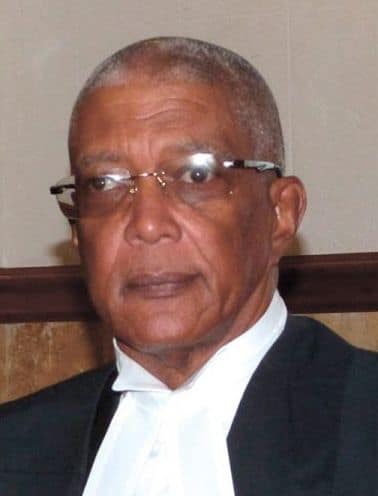
Retired Justice Stanley John Returns to Antigua Bench
Retired High Court Judge Stanley John is set to return to Antigua and Barbuda, where he will serve as an acting judge on the Eastern Caribbean Supreme Court. The Judicial and Legal Services Commission announced that Justice John will be stationed in Antigua from October 4 to December 22, 2025. This marks his second stint in the country, having previously served from 2019 to 2022. Most recently, he acted as a High Court judge in the Virgin Islands. His return follows the departure of Justice Tunde Bakre, who served on the Antigua bench for less than two years. Bakre, a Nigerian-born jurist, was sworn in on September 29, 2023, and presided over several high-profile cases, including Antigua and Barbuda’s first judge-alone murder trial. Bakre has since been appointed to the Supreme Court of the Turks and Caicos Islands, where he was sworn in on October 3, 2025. Justice John’s reappointment underscores the Eastern Caribbean Supreme Court’s commitment to maintaining experienced judicial leadership in the region.
-
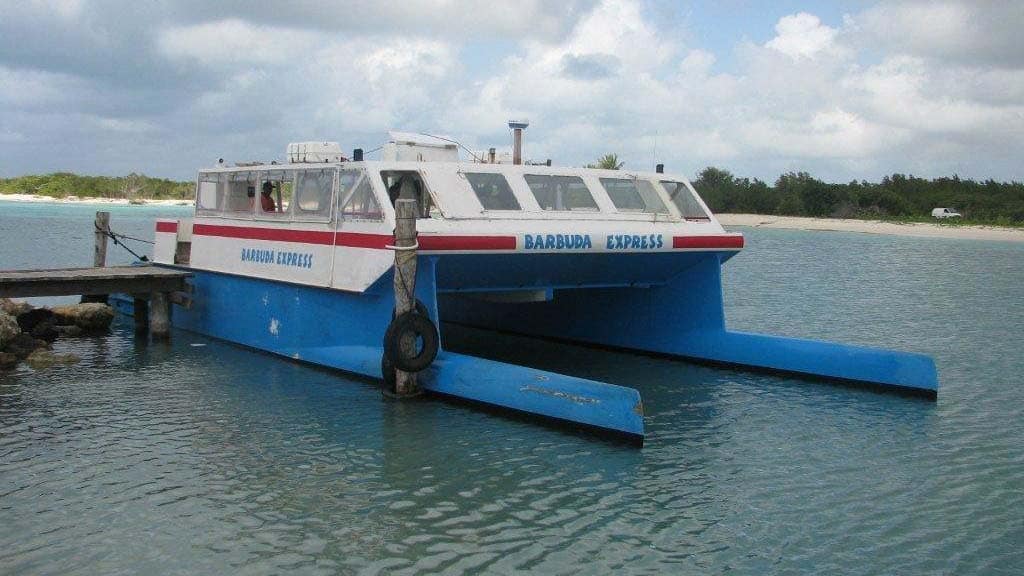
Government Moves Forward with New Port in Barbuda for Trade and Tourism
The government of Antigua and Barbuda has announced significant progress in its plans to construct a new port in Barbuda, aiming to enhance the island’s trade and tourism sectors. During a post-Cabinet press briefing on Thursday, Maurice Merchant, the Director General of Communications, revealed that a potential site for the port has been identified after extensive discussions. Merchant emphasized the necessity of the project, stating, ‘There is a clear need for a new port in Barbuda to improve trade and tourism, particularly for the docking of yachts and other vessels.’ Senior government officials recently visited the proposed site to evaluate its suitability, with a comprehensive report expected shortly. The new port is expected to bolster Barbuda’s rapidly growing tourism industry, which has seen a surge in investment in recent years. Merchant highlighted, ‘Barbuda has been developing rapidly, and tourism remains one of its key economic drivers.’ Once the site assessment is finalized, the Cabinet will review design and construction proposals before proceeding with the project. This initiative is part of the government’s broader strategy to strengthen Barbuda’s economic foundation through enhanced maritime infrastructure and improved regional trade connections.
-
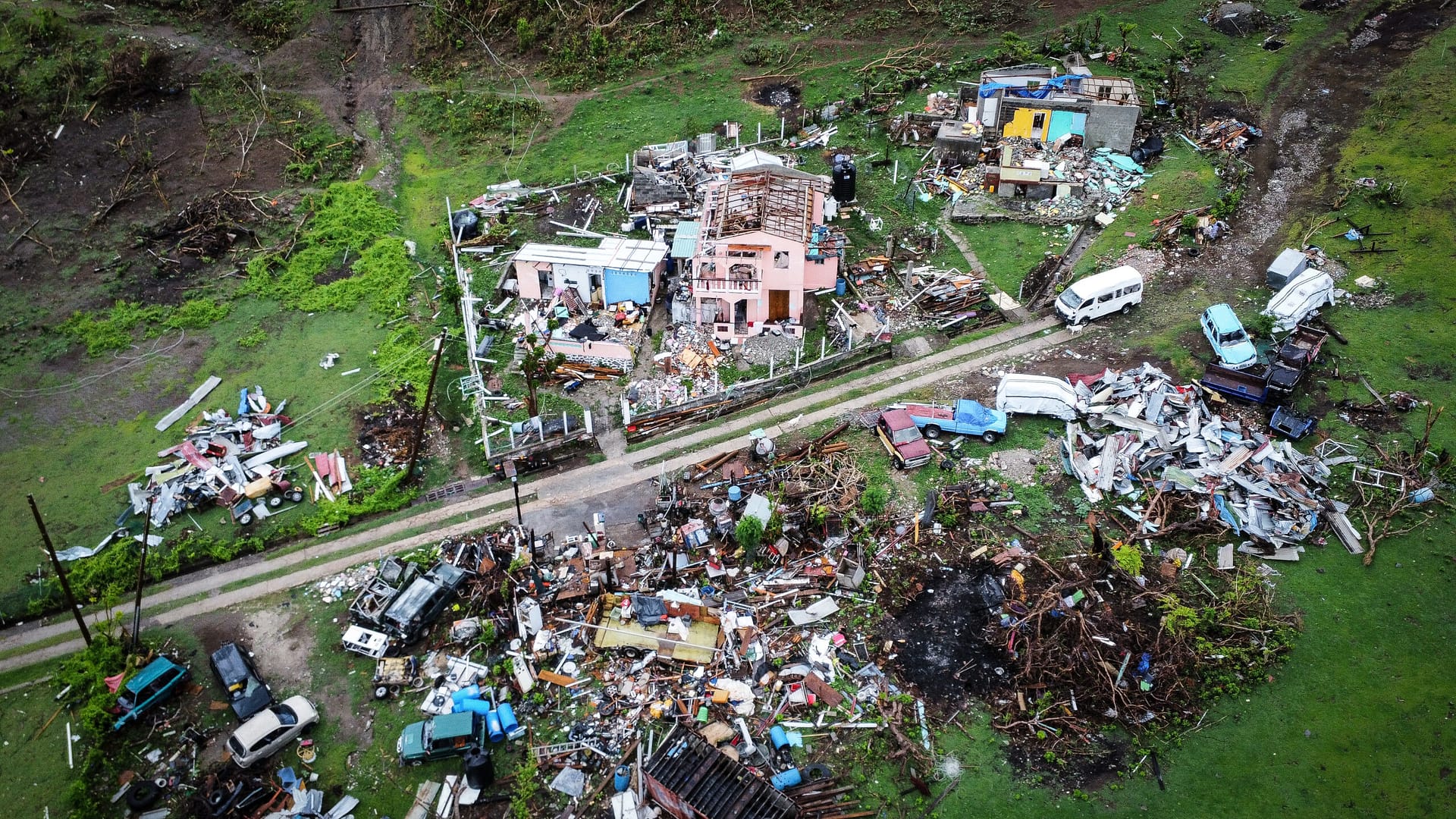
OM Chief Highlights Record Disaster Displacement and Calls for Resilience Funding
The catastrophic aftermath of Hurricane Beryl on Union Island in Saint Vincent and the Grenadines has laid bare the urgent need for enhanced disaster resilience. Aerial imagery reveals widespread destruction, with two-thirds of buildings obliterated, leaving countless residents homeless. Critical infrastructure—power, water, and transportation—lies in ruins, crippling daily life and exacerbating the island’s economic woes. The tourism sector, a cornerstone of the local economy, has suffered colossal losses, triggering a vicious cycle of unemployment, poverty, and food insecurity. The International Organization for Migration (IOM) has seized this moment to amplify its call for a paradigm shift in global financing. This year’s International Day for Disaster Risk Reduction (IDDRR) underscores the theme ‘Fund Resilience, Not Disasters,’ urging a redirection of resources from reactive disaster response to proactive prevention and preparedness. IOM Director General Amy Pope emphasized the criticality of resilience investments, stating, ‘Every dollar invested in resilience saves many more in avoided losses and protects the dignity of those most at risk.’ The statistics are stark: 2024 saw a record 46 million people displaced by disasters, yet disaster risk reduction remains woefully underfunded, with most governments allocating less than 1% of their budgets to prevention. IOM is advocating for scaled-up investments from governments, donors, and the private sector to mitigate disaster impacts and bolster resilience. This includes integrating human mobility into risk-informed development and climate finance, ensuring communities can adapt, relocate, or rebuild with dignity. As the 30th UN Climate Change Conference (COP30) approaches, IOM aims to position disaster and climate risk reduction at the forefront of climate finance negotiations, leveraging tools like the Risk Index for Climate Displacement and the Climate Catalytic Fund to target hotspots, prevent displacement, and safeguard development gains.
-

Social Security in the sun: Using your U.S. benefits to retire in the Dominican Republic
For many Americans, the idea of retiring in the Dominican Republic is no longer just a dream but an attainable and affordable reality. With over 700,000 Americans receiving Social Security benefits abroad in more than 180 countries, the Dominican Republic has emerged as a top destination for retirees seeking a lower cost of living and a slower pace of life. The country’s tropical climate, vibrant culture, and ease of managing U.S. benefits make it an attractive option for those looking to stretch their retirement dollars. From the mountain views of Jarabacoa to the coastal tranquility of Punta Cana, retirees can enjoy a high quality of life while making their Social Security payments go further. The U.S. Social Security Administration (SSA) approves the Dominican Republic for receiving benefits abroad, ensuring retirees can access their funds seamlessly. To manage payments, most retirees maintain a U.S. bank account and transfer funds as needed, though opening a local account in pesos or U.S. dollars is also an option. Popular banks like Banreservas, Banco Popular, and Scotiabank support international transactions, making financial management straightforward. Retirees can also minimize transfer fees by using services like Wise, Remitly, or Xoom, which offer competitive exchange rates and low fees. The cost of living in the Dominican Republic is significantly lower than in the U.S., with a single retiree living comfortably on $1,500–$2,000 per month and couples budgeting around $2,500. Rent in mid-sized cities like Santiago averages $850–$1,100, while smaller towns offer even more affordable options. Fresh local produce and dining out are inexpensive, though imported goods tend to be pricier. Healthcare is high-quality and far more affordable than in the U.S., adding to the appeal. Retirees can also explore residency options through the Pensionado visa, which requires a guaranteed monthly income of at least $1,500. Many retirees are choosing to purchase property in full-service residential communities, which offer amenities like 24-hour security, pools, gyms, and beachfront access, often with tax incentives under the CONFOTUR law. For those considering this lifestyle, real estate professionals like Rosalyn Ortega-Elie of Smart Caribbean Properties provide guidance on selecting the right community and navigating the legal process of buying property abroad. With its affordability, beauty, and ease of living, the Dominican Republic is becoming an increasingly popular choice for Americans looking to retire in paradise.
-
Ministry of Works to Undertake Three Major Building Projects
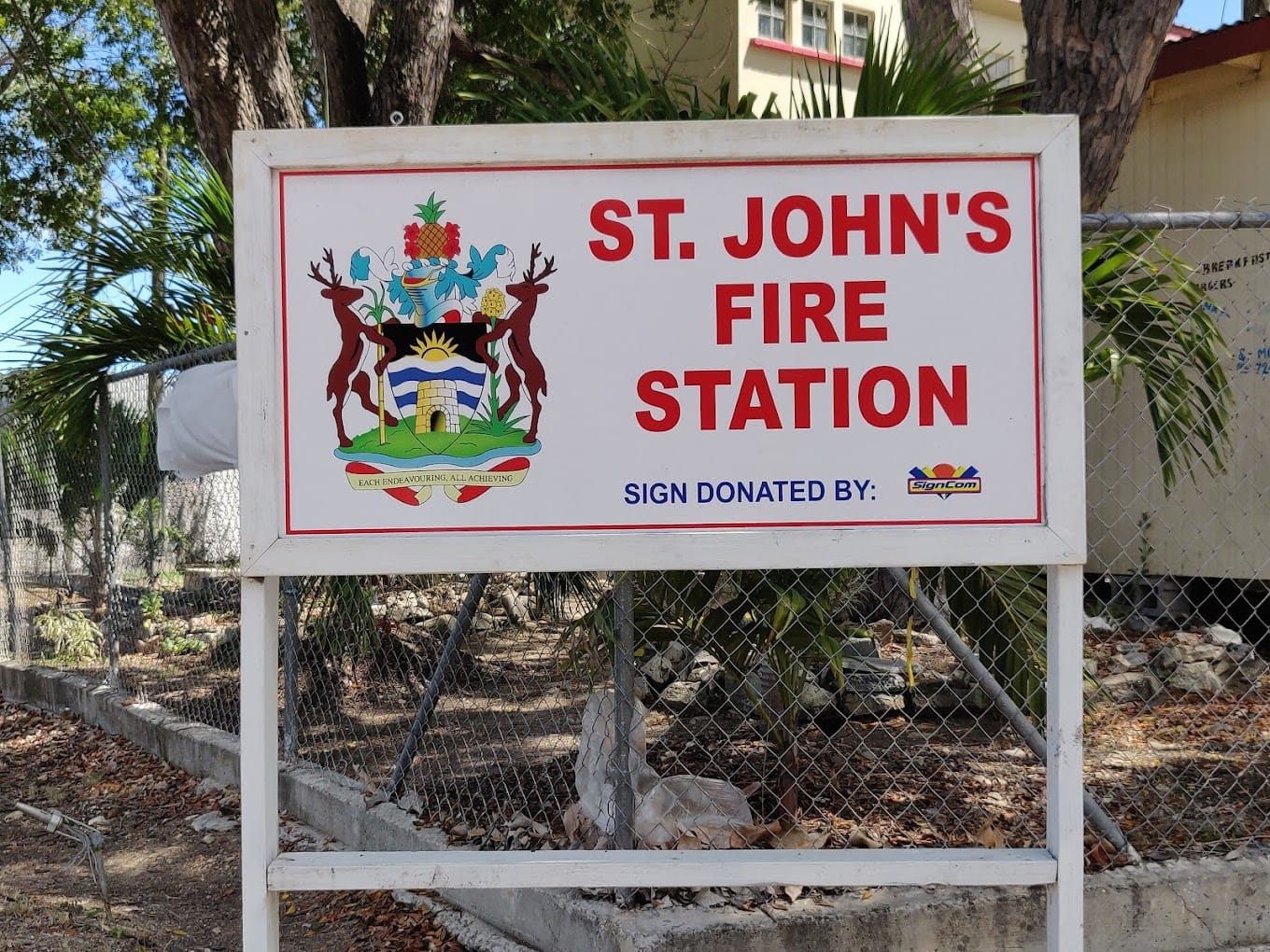
The Ministry of Works in Antigua and Barbuda has announced plans to undertake three significant construction and renovation projects as part of the government’s broader initiative to modernize public infrastructure. The projects include the renovation of the All Saints Clinic, the reconstruction of the St. John’s Fire Station, and the development of the Ministry of Agriculture headquarters on Queen Elizabeth Highway. Maurice Merchant, Director General of Communications, revealed that detailed cost estimates are currently being prepared for these facilities. The St. John’s Fire Station, previously located near the Antigua Recreation Grounds, has been temporarily relocated to the Villa area adjacent to the Hell’s Gate Steel Orchestra. Merchant emphasized that these projects are in addition to the ministry’s ongoing islandwide road-building program, which continues to expand. The initiative aims to restore and enhance key community facilities, reflecting the government’s commitment to improving public infrastructure across the nation. This strategic move is expected to bolster community services, enhance safety, and support agricultural development, marking a significant step forward in the country’s infrastructural evolution.
-
Wijnerman woont jaarvergadering IMF/Wereldbank bij
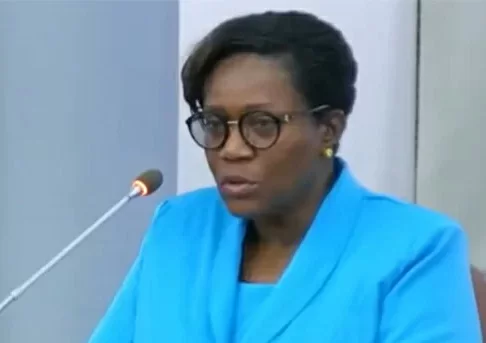
The 2025 Annual Meetings of the International Monetary Fund (IMF) and the World Bank commenced on Monday, October 13, in Washington, D.C., and will continue through Saturday, October 18. Suriname’s Minister of Finance & Planning, Adelien Wijnerman, is leading a delegation to participate in this pivotal global event. The meetings serve as a critical platform for discussions on pressing economic issues, including debt reform, climate action, development strategies, macroeconomic policies, and financial stability. The Surinamese delegation is set to engage in bilateral talks, attend plenary sessions, and participate in key agenda items such as the Development Committee and International Monetary and Financial Committee meetings, regional briefings, and press conferences. Suriname, having recently completed an IMF Extended Fund Facility (EFF) program, aims to focus on institutional strengthening, securing investment flows, promoting sustainable growth, and monitoring external risks during the meetings. The outcomes of these discussions could significantly influence future financing opportunities, international partnerships, and policy support for Suriname amidst a rapidly evolving global economic landscape. Minister Wijnerman anticipates providing further updates as the week progresses.
-

Three Men Committed to High Court on Gun and Ammo Charges
Three individuals, Judeah Francis of Potters, Jaquan Davis of Skerritts Pasture, and Devonne Burton of Paynters, have been ordered to stand trial in the High Court for firearms and ammunition-related offenses. The trial is set to commence in January 2026, as part of the new criminal assizes. The trio was apprehended during a joint operation by the police and Defence Force on June 12, 2024, while traveling on the Sir Sydney Walling Highway. Authorities allege that they were in possession of two pistols—a black 9mm and a black Desert Eagle 41/44 magnum—along with 14 rounds of ammunition. Additionally, they are accused of attempting to use these weapons in the commission of a crime, with Francis facing an extra charge of dangerous driving. The men were detained after officers stopped a grey Toyota Vitz, where the weapons, ammunition, and masks were reportedly discovered. During the committal proceedings, prosecutors presented 14 exhibits and indicated that seven witnesses are expected to testify at the trial. All three defendants have been released on bail, granted by a High Court judge, pending the outcome of the proceedings.
-

Chinese envoy voices concern over U.S. actions in Caribbean
In a strongly worded statement at an emergency meeting of the UN Security Council on Friday, China’s Permanent Representative to the United Nations, Fu Cong, expressed grave concerns over escalating tensions in the Caribbean, attributing the instability to recent U.S. military operations near Venezuela. Fu criticized the U.S. for deploying forces in Caribbean waters under the guise of combating drug trafficking, which he argued has led to a series of provocative actions, including the sinking of Venezuelan vessels, the shooting of sailors, and the seizure of fishing boats. These actions, Fu asserted, infringe on the right to life, basic human rights, and the freedom of navigation, while also undermining the sovereignty and security of other nations. He emphasized that such unilateral enforcement operations in international waters violate international law and pose a significant threat to regional peace and stability. Fu called on the U.S. to immediately cease its unlawful activities and urged Washington to pursue international cooperation in combating transnational crimes through established legal frameworks. He reiterated China’s opposition to the use or threat of force in international relations and any external interference in Venezuela’s internal affairs, stressing the need to uphold the principles of the UN Charter.