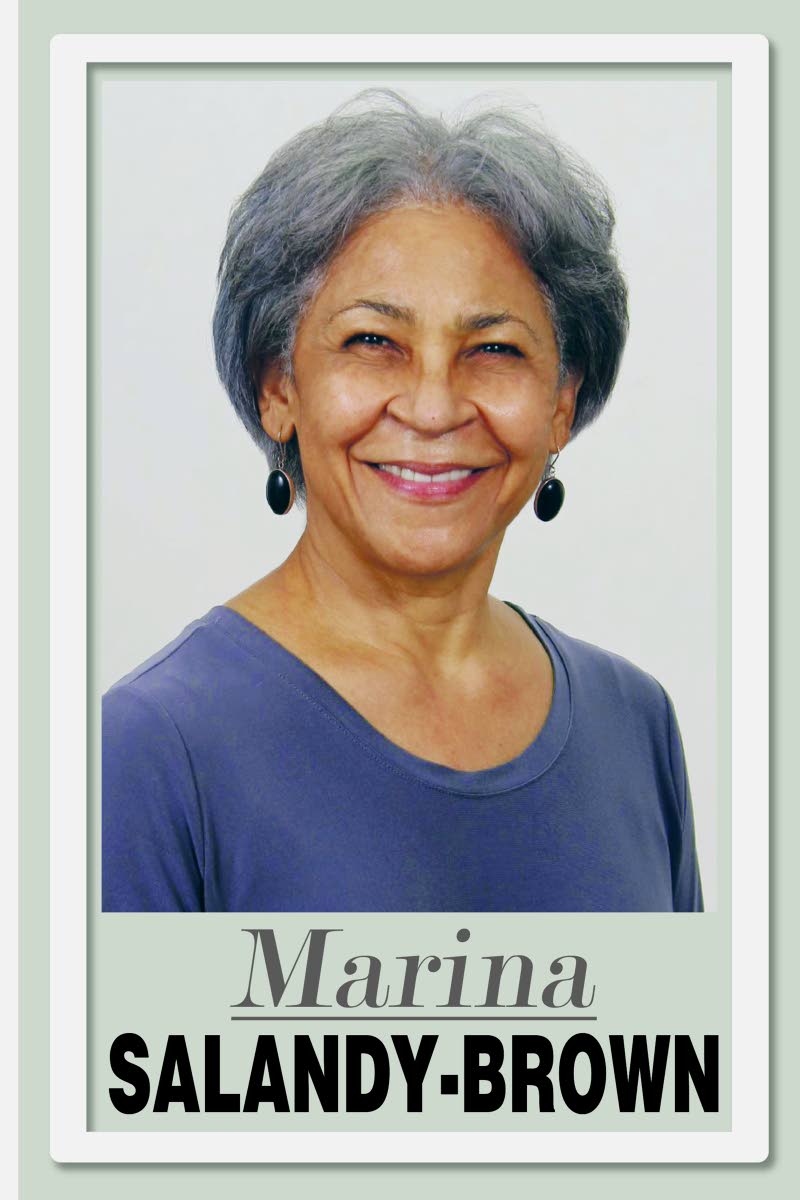
The phrase ‘This too shall pass’ often serves as a resigned yet hopeful reminder during overwhelming times. For many in Trinidad and Tobago (TT), the anticipation surrounding last week’s significant events has now crystallized into either unbridled joy or profound disappointment, depending on individual perspectives and circumstances. The recent budget reading, delivered last Monday, brought mixed reactions. While some sectors celebrated, the arts community was left puzzled by vague promises. The budget briefly mentioned plans to ‘expand cultural industries through a Creative Value-Chain Fund,’ supporting film, fashion, design, and music, alongside enhanced intellectual property (IP) protection and duty concessions. However, the lack of detail has left artists and creatives anxiously awaiting further clarification from the Ministry of Community Development and the Arts. The grouping of arts practice and people development within one ministry is a positive step, acknowledging their symbiotic relationship. Yet, concerns arise as tourism and trade increasingly overlap with culture. Proposals for a year-round Carnival city, driven by the Ministry of Trade and Tourism, risk prioritizing economic gains over cultural authenticity, potentially undermining the essence of TT’s vibrant traditions. The arts fraternity is currently in despair, facing what many describe as the most critical juncture in decades. Critics highlight a significant political knowledge gap regarding the sector’s true potential, both locally and internationally. Calls for a government summit aim to bridge this divide and foster a deeper understanding of the arts’ transformative power. Globally, the creative sector is a powerhouse, employing 50 million people—half of whom are women—and ranking as the world’s second-largest industry, surpassing even the automotive sector. In the UK, the ‘orange economy’ contributes £125 billion, while in the US, it adds over $1.1 trillion to the economy. Despite these staggering figures, TT’s budget failed to address key areas like literature and publishing, leaving the VAT on books unchanged—a move seen as a penalty on reading. The literary sector has been a success story over the past 15 years, with initiatives like the Bocas Lit Fest school projects enhancing cognitive skills, critical thinking, and communication among students. Advocates emphasize that the arts not only drive economic growth but also foster cultural evolution, social change, and interdisciplinary collaboration. Meanwhile, in the Middle East, Palestinians and Israelis cautiously celebrate a fragile ceasefire. The release of hostages and detainees has brought relief, but the question of ‘what next?’ looms large. The future hinges on the unpredictable actions of global leaders, leaving many to wonder if lasting peace and stability can be achieved.
作者: admin
-

Verrse defends Soca Titans crown with Paradise
Jahiem Thomas, known by his stage name Verrse, is poised to become Tobago’s next soca sensation as he prepares to defend his crown in the Tobago Soca Titans competition on October 22. Born and raised in Roxborough, Thomas, who turns 20 on October 21, is unapologetically ambitious and confident in his talent. He believes his 2025 hit, *Paradise*, produced by Kyle Phillips, will further solidify his place in the soca industry. The song celebrates Tobago’s culture and its newly established carnival, encapsulating the island’s vibrant spirit. Thomas, who co-wrote the track with Triston Andrews, sees it as a stepping stone toward his ultimate goal of carrying the torch for soca music when legends like Machel Montano and Voice retire. Raised in a musical family, Thomas was exposed to Tobago’s rich cultural heritage from a young age. His grandmother was a guitarist, and his uncle a keyboardist, while he is also related to renowned calypsonians Prince Unique and Johnny King. Thomas’s passion for soca was ignited during his time at Speyside High School, where he realized his calling was in entertainment. Despite initial skepticism from his parents, Thomas pursued his dream, writing his first song, *Overload*, in 2023. Although he didn’t win the Soca Titans competition that year, he returned in 2024 with *Pump It Up*, clinching the title as the youngest contender. Since then, Thomas has performed at major events, including Mical Teja’s *Mas: The Experience* and the Tobago Day celebrations in New York. As he gears up for the competition, Thomas is focused on delivering a stellar performance, hoping to retain his title as the ultimate birthday gift.
-
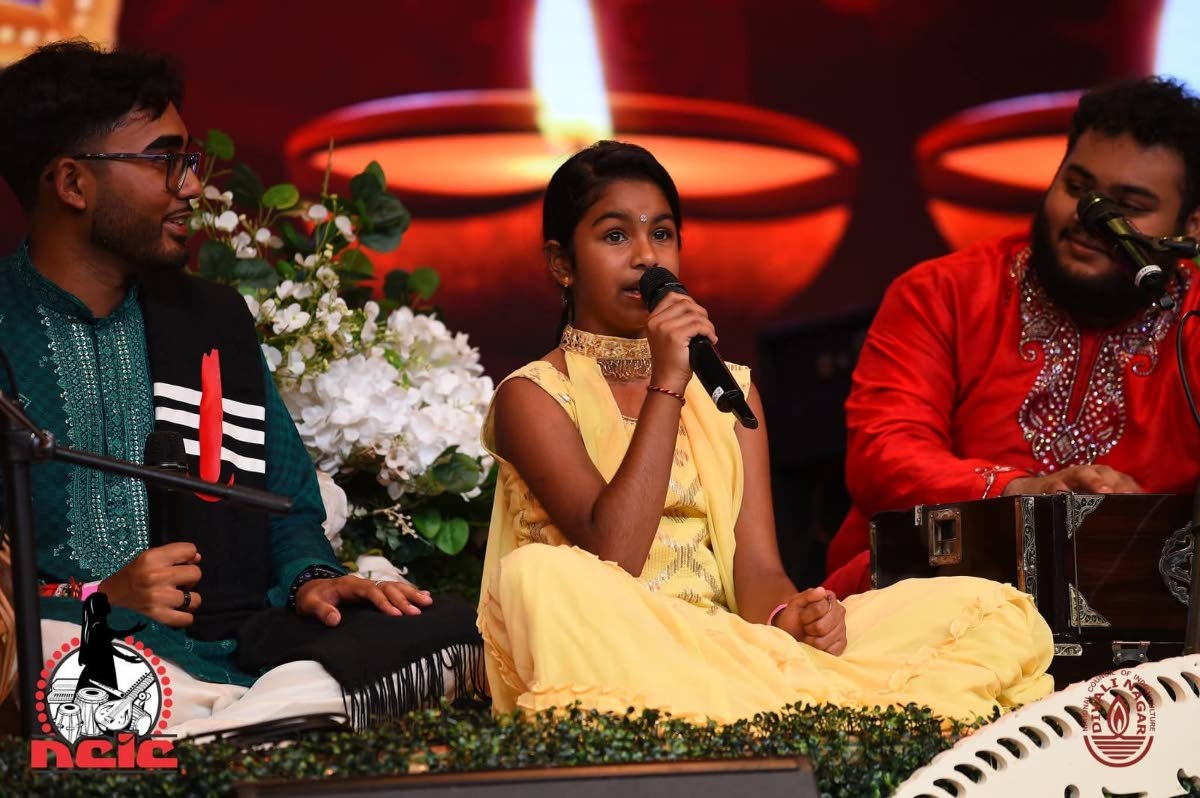
Aaniya Carlton sings her way into the light
At just 10 years old, Aaniya Victoria Carlton has already made a significant mark in the world of music. On October 11, she took the stage at Divali Nagar in Chaguanas, Trinidad, delivering a mesmerizing performance that honored Lord Shiva. Singing traditional hymns such as Shri Rudram Namakam and Jai Jai Shiva Shambo, Aaniya captivated the audience alongside the ISHA Organisation’s Kirtan Aachaaryas. Her rendition of Jagat Bam Bam Bam Bhola further showcased her talent and dedication to her craft. Aaniya, a fourth-grade student at Montrose Government Primary School, attributes her love for music to her natural passion and the encouragement she receives from her teacher, Vijay Rajballie, who makes learning enjoyable. Aaniya’s musical journey began at a young age, with her first song being Happy Birthday, which she sang so often that she became the family’s official birthday singer. Her mother, Anita Singh, recognized her daughter’s gift and enrolled her in Vanessa Briggs’ Vocademy during the COVID-19 lockdown in 2020. Since then, Aaniya has mastered various musical styles, including jazz, pop, reggae, country, and classical Indian music. Her breakthrough came in 2022 when a video of her singing caught the attention of pundit Krishen Ramdeen, the spiritual leader of ISHA Organisation Trinidad. Ramdeen invited Aaniya to join the ISHA Kirtan Aachaaryas, marking the beginning of her professional musical journey. Aaniya has since performed at significant events, including ‘Namaste Modi’ during the Indian Prime Minister’s visit to Trinidad and various recitals with the Vocademy. Despite her young age, Aaniya has learned valuable life lessons through her performances, such as time management, patience, and teamwork. She credits her mother as her biggest supporter and inspiration, calling her ‘the drill master’ for her meticulous attention to detail. Aaniya’s ultimate dream is to travel the world and record music at iconic studios like Abbey Road in London or The Studio at The Palms in Las Vegas. She has already recorded several songs, including a country-styled Christmas track and devotional pieces for ISHA. Aaniya’s message for Trinidad and Tobago this Divali is one of hope and prosperity, wishing everyone peace and joy.
-

Tobago trauma after French occupation
The French occupation of Tobago left a profound impact on the island, marked by humiliation and anxiety over potential recurrence. In the aftermath of its end in 1793, Tobago’s administration faced the urgent task of fortifying governance to prevent the infiltration of revolutionary ideas from France and its colonies. Lieutenant Governor George Poyntz Ricketts spearheaded efforts in 1794 to establish a constitution, proposing regulations for the Tobago House of Assembly and seeking royal approval for their implementation. The reforms aimed to create a free and independent legislative body while safeguarding against corruption and factional influence. The assembly’s structure included representatives from Scarborough, Plymouth, and seven parishes, with stringent eligibility criteria based on property ownership, race, gender, and age. Only white Protestant males over 21, possessing significant land or property, could participate. The electoral process emphasized loyalty to Britain, requiring oaths of allegiance and renunciation of foreign ideologies. These measures reflected broader concerns, including France’s lingering ambitions, anti-slave-trade sentiments, and the challenges posed by the island’s demographic and economic realities. The reforms sought to stabilize Tobago’s governance and secure its future amidst ongoing threats and internal resistance.
-

Miracle men and wild swimming
Richard ‘Richie’ Conybear’s life took a dramatic turn on May 26, 2023, when a boating accident during his swim near Booby Rock, Charlotteville, left him with severe injuries, including a broken pelvis and severed urinary tract. Despite the physical and emotional toll, Richie’s determination to reclaim his life and reconnect with the ocean became a beacon of resilience. His friend, John ‘Johnny’ Procope, played a pivotal role in his recovery, carrying him to the sea and reigniting his spirit. This act of compassion marked the beginning of Richie’s journey back to health and his passion for swimming. Johnny, a seasoned open-water swimmer, has since made headlines for his record-breaking feats, including a 60 km swim between Tobago and Trinidad in July 2024. On October 13, 2024, Johnny embarked on ‘Big Swim 2,’ an unprecedented attempt to circumnavigate Tobago, supported by friends like Richie and William Carr. The swim aimed to raise awareness and funds for marine conservation and swimming education initiatives. Despite the swim’s premature end due to strong currents, Johnny’s efforts have inspired global admiration and highlighted the potential for Tobago to become a hub for international open-water swimming events. However, the island must address critical safety concerns in marine activities to ensure sustainable tourism and prevent future accidents. Richie’s story and Johnny’s achievements underscore the power of human resilience and the importance of community support in overcoming adversity.
-

‘Naps’ hold firm at SSFL’s top after beating QRC 2-0
Naparima College solidified their position at the top of the Secondary Schools Football League (SSFL) premiership standings with a commanding 2-0 victory over Queen’s Royal College (QRC) on October 18. The match, held at the QRC grounds in Port of Spain, showcased Naparima’s relentless pursuit of victory as they extended their unbeaten streak to nine games. Adasa Richardson opened the scoring in the 41st minute with a well-executed free kick, while an unfortunate own goal by QRC defender Xavier Caruth in the 82nd minute sealed the win for Naparima. Despite QRC’s persistent efforts, including a close attempt by Jahseem Pierre in the 87th minute, Naparima’s defense, led by goalkeeper Mikhail Clement, remained impenetrable. The victory propelled Naparima to 27 points, maintaining their lead in the 16-team league. In other SSFL matches, Fatima College suffered a surprising 3-2 loss to Signal Hill Secondary, while St Benedict’s College climbed to third place after a narrow 2-1 win over San Juan North. The league standings highlight Naparima’s dominance, with Fatima, St Benedict’s, and Presentation College San Fernando trailing behind.
-
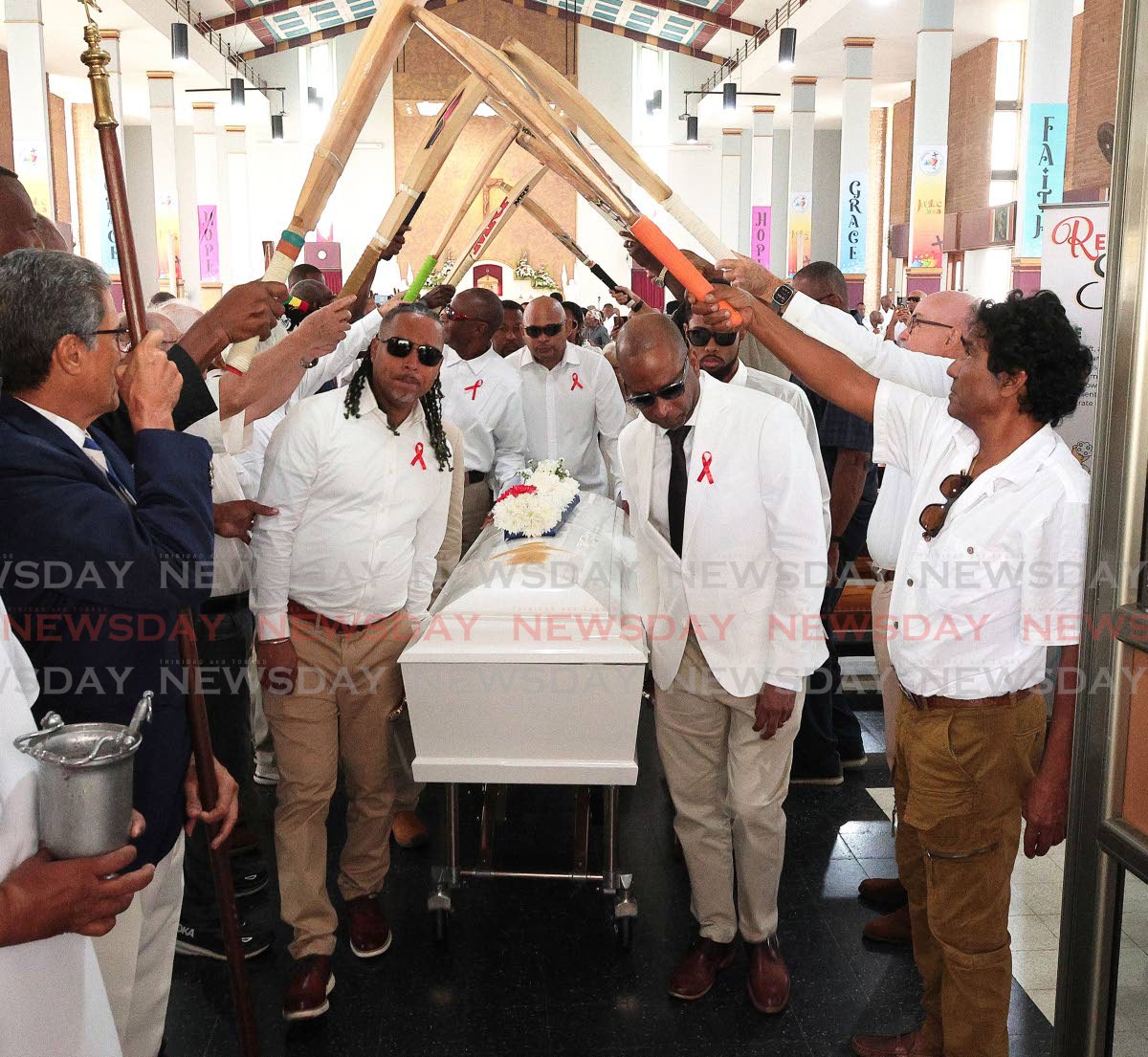
Ex-TT/Windies all-rounder Bernard Julien hailed a hero, mentor and national treasure
The cricketing world gathered to honor the life and legacy of Bernard Julien, the former West Indies and Trinidad and Tobago all-rounder, at his funeral on October 18 at St Finbar’s RC Church in Diego Martin. Julien, who passed away earlier this month at the age of 75 after a prolonged health battle, was celebrated as a cricketing icon, mentor, and family man. His son, Bevon Julien, delivered a poignant eulogy, highlighting his father’s discipline, pride in his Carenage roots, and dedication to both cricket and family. Bevon shared anecdotes of his father’s legendary 121-run innings at Lord’s during his third Test match, a feat that remains etched in cricketing history. Julien’s contributions extended beyond the pitch, as he was known for his generosity and mentorship, including guiding young players like Michael Holding. Former teammates, including Deryck Murray, reminisced about Julien’s brilliance in the field, his ability to lift team morale, and his pivotal role in the West Indies’ 1975 Cricket World Cup victory. Dr. Nigel Camacho, president of Queen’s Park Cricket Club, praised Julien’s journey from humble beginnings to international stardom, emphasizing his resilience, discipline, and dedication to nurturing future talent. Though his later years were marked by illness, Julien’s courage and humility remained unwavering. His legacy as a cricketing great and a beloved figure in Trinidad and Tobago continues to inspire generations.
-

The woman on the dholak
Renoka Ramnath, a pioneering female dholak player from Trinidad, has defied gender norms to become a celebrated figure in the traditionally male-dominated world of Indian classical music. Born and raised in Carolina Village, Couva, Ramnath’s musical journey began in childhood under the guidance of her father, Pundit Sham Ramnath. Her fascination with rhythm was sparked by the legendary singer Ramdhanie Sharma, and by the age of nine, she was teaching herself to play the dholak using her grandfather’s drum. Her father’s unwavering support and the gift of her own dholak marked a turning point in her life. Over the years, Ramnath honed her craft under the mentorship of veteran drummer Ramesar Sookhai, mastering the intricate rhythms of Trinidadian classical Indian music. Her performances, which blend local Indian classical, chutney, and folk rhythms, have earned her the affectionate title of ‘The Queen of Local Classical Drumming.’ Despite facing challenges as a female musician, including unequal opportunities and pay, Ramnath has persevered, earning accolades such as the Dholak Icon Award in 2014. She has performed on both local and international stages, accompanied by her sister Davika, who also played dhantal and dholak. Today, Ramnath is a full-time musician, dedicated to preserving the authenticity of the dholak, which she describes as a ‘living link to our heritage.’ She hopes to inspire other women to keep the Indian musical tradition alive and continues to draw strength from the memory of her late parents and sister. Her message for Divali is one of peace, prosperity, and happiness, rooted in her deep faith and cultural pride.
-

Danika Linton captures hearts at Republic Day awards
At just 19 years old, Danika Linton has already made a profound impact, not only through her advocacy but also by challenging societal perceptions of disability. Born with arthrogryposis multiplex congenita (AMC), a rare condition that limits joint movement, Linton has turned her challenges into opportunities to inspire others. Her recent appearance at the National Awards ceremony in St Ann’s, where she read the biography of an award recipient, showcased her eloquence and poise, leaving the audience in awe.
-

Men, Stop Proposing: Let Women Do It
For centuries, the act of proposing marriage has been a male-dominated ritual, deeply rooted in patriarchal norms. Men have been conditioned to view it as both a duty and a declaration of love, a performative gesture that reinforces traditional masculinity. However, this practice is not as romantic as it seems; it is a relic of a bygone era when marriage was more about ownership and transaction than affection. Historically, proposals were contracts between families, with the man seeking the father’s approval rather than the woman’s consent. The ring symbolized not commitment but a transaction—a compensation for the transfer of guardianship. Love entered the equation only after commerce. By the 20th century, capitalism and De Beers’ diamond campaigns transformed this obligation into a cultural expectation, leaving men to shoulder the economic and emotional burden of proving their devotion while women remained gatekeepers. In a century obsessed with equality, this tradition persists, repackaged in hashtags and engagement reels. The imbalance remains: men kneel, women judge; men plan, women approve. But a woman who proposes doesn’t invert power—she equalizes it. She signals trust and mutual agency, choosing to lead beside her partner rather than waiting to be chosen. True equality isn’t about trading dominance; it’s about erasing outdated scripts that assign one partner perpetual initiative and the other eternal response. Men must question why they continue to bear the symbolic burden of pursuit in a world where leadership should be shared. Vulnerability should not be romanticized only when it’s male. If partnership is truly modern, the proposal must evolve. Imagine a world where women initiate commitment—it would be a cultural shock, but one that fosters empathy and balance. Men would learn the dignity of being chosen, and women would confront the courage required to risk rejection. The act of proposing is not trivial; it’s the thesis statement of a relationship, defining who holds initiative and who controls the tempo of commitment. To modernize love, we must modernize its symbolism. Men, retire the kneeling posture. The floor is not your place. If she believes in partnership, she’ll join you—not because she’s beneath you, but because she finally understands what it means to stand with you. The man who waits to be chosen isn’t weak; he’s wise enough to know that love, when equal, is not chased—it walks toward him.