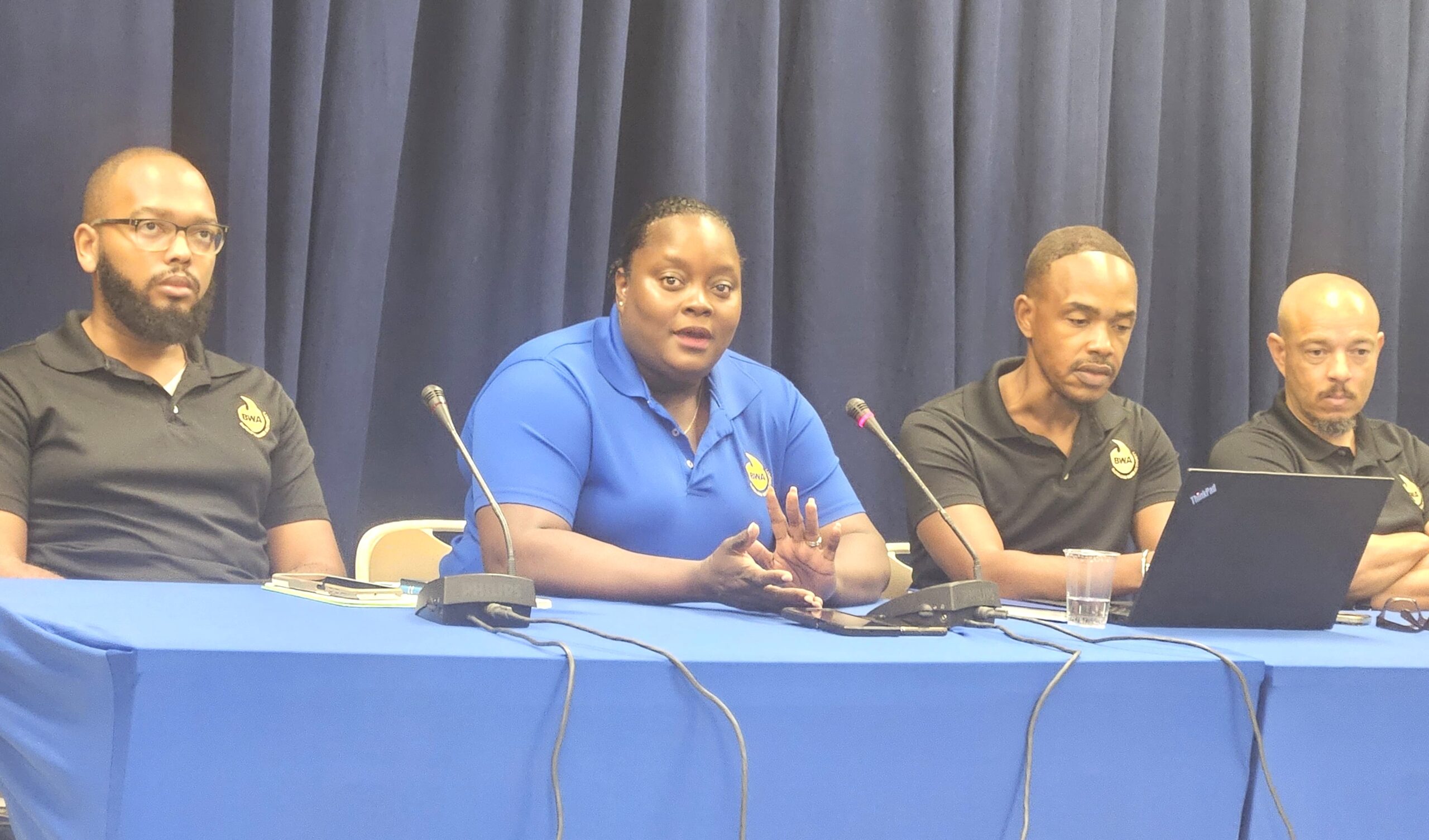
As Barbados transitions into the dry season, the Barbados Water Authority (BWA) has reported that water levels are lower than last year but have not yet reached a critical threshold requiring restrictions. Hydrogeologist Jaime Paul addressed the situation during a press conference on Saturday, noting that rainfall during the rainy season has been insufficient. “Our reservoirs are not being replenished as we had hoped, and we are urging the public to conserve water,” Paul stated. She emphasized that while the current conditions are concerning, they do not yet warrant a water prohibition like the one implemented in 2023. However, the BWA is closely monitoring the situation and will make monthly assessments to determine if stricter measures are necessary. Paul also highlighted the importance of coastal wells, which are connected to the sea and can signal severe water shortages through rising salinity levels. “Increased salinity indicates a significant reduction in water availability, which would be a serious issue,” she explained. The BWA is encouraging residents to adopt water-saving practices and install water-efficient devices to prepare for the dry months ahead. In 2023, Barbados imposed a water prohibition due to critically low levels in reservoirs and wells, restricting non-essential water use. BWA Project Manager Shelley Parris underscored ongoing efforts to promote water conservation, particularly through educational initiatives in schools, with plans to expand these programs to the broader public.
作者: admin
-
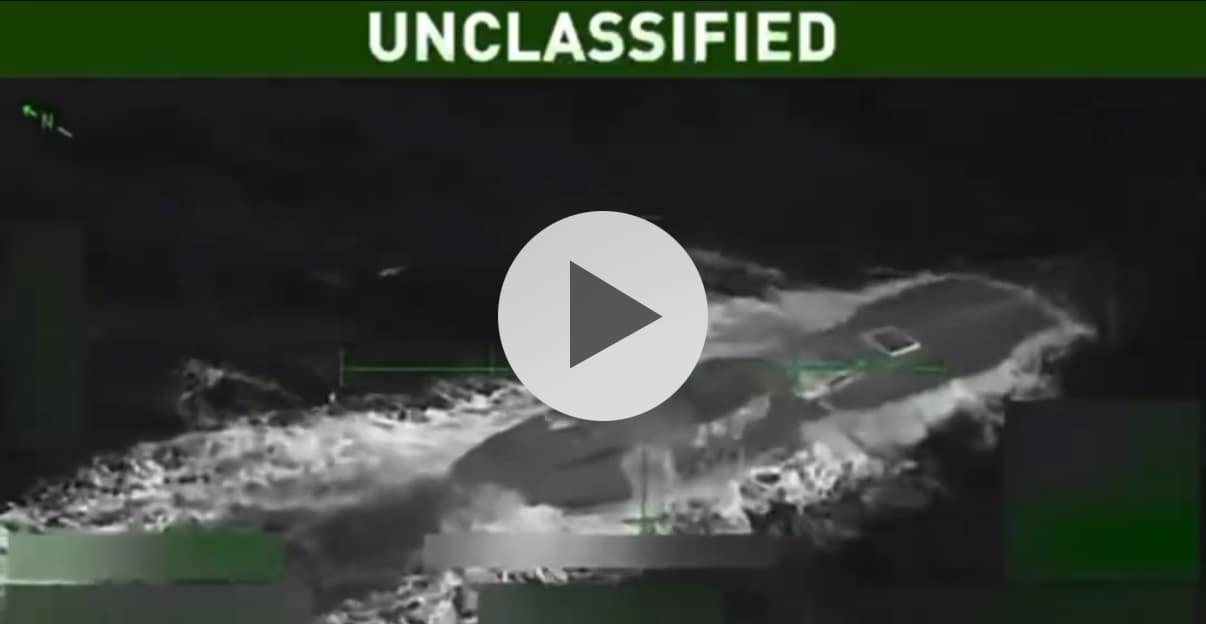
VIDEO: Department of War releases footage of drug-carrying submarine being destroyed by U.S forces
In a significant move against international drug trafficking, the United States Department of War has unveiled footage capturing the destruction of a submarine laden with illegal narcotics. The vessel, intercepted on a notorious narcotrafficking route, was reportedly transporting a substantial quantity of fentanyl and other dangerous drugs. President Donald Trump revealed that four individuals, described as ‘narcoterrorists,’ were aboard the submarine. Two were killed during the operation, while the remaining two were handed over to authorities in Ecuador and Colombia for prosecution. Trump emphasized the gravity of the situation, stating that the intercepted drugs could have claimed the lives of at least 25,000 Americans had they reached US shores. He also confirmed that no US military personnel were harmed during the mission. This operation is part of the Trump administration’s broader strategy to combat drug trafficking by land and sea, targeting the networks that fuel the opioid crisis in the United States. The release of the footage underscores the administration’s commitment to transparency and its aggressive stance against narcoterrorism.
-

Windies beaten by 74 runs in Mirpur
The West Indies faced a crushing 74-run defeat against Bangladesh in the first One Day International (ODI) of their three-match series on Saturday, October 18, at Mirpur. This series holds immense significance for both teams as they vie for crucial points to secure a spot in the 2027 ODI World Cup in South Africa.
-
Grenada government pressed for response to alleged US refugee ultimatum
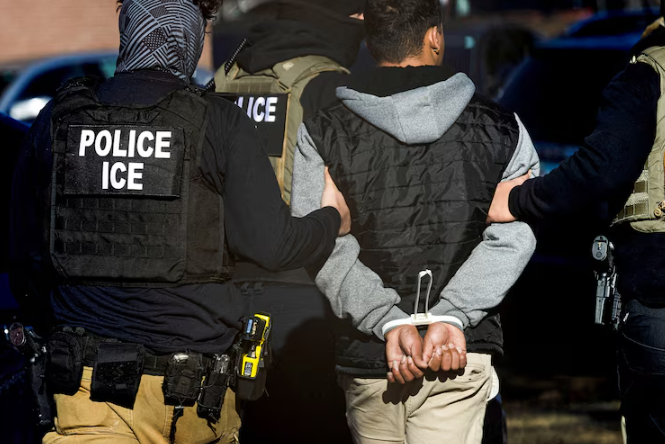
The Government of Grenada is under increasing scrutiny following reports that the United States has issued an ultimatum demanding the island nation accept refugees being deported from the US. The civil society group, Coalition for a Zone of Peace, revealed in a Sunday statement that it had received credible information about Washington’s approach to Grenada regarding the resettlement of third-country nationals. While Grenada’s government had previously denied a similar proposal in February, the coalition’s latest statement suggests renewed efforts by the US. The group is now calling for transparency, urging authorities to confirm the reports and inform the public. The coalition has taken a firm stance, asserting that Grenada, as a sovereign nation, will not support what it describes as an inhumane US immigration policy. It emphasized that the country will not accept non-Grenadian refugees, some of whom could pose security risks. The coalition framed the issue as a matter of national dignity and sovereignty, declaring that Grenada is not for sale. The statement was released on October 19, coinciding with the anniversary of the death of former Prime Minister Maurice Bishop and others in 1983, a period marked by US-led intervention in Grenada. The controversy also unfolds amid reports of a US request to install radar equipment in Grenada, part of a broader military buildup in the region. In response, the coalition has organized a series of public activities, including a mass demonstration on October 22 and candlelight vigils on October 25. A petition opposing the alleged US request has also been circulated, urging citizens to voice their opposition. Notably, several countries, including South Sudan and Eswatini, have already accepted refugees under the Trump administration’s third-country deportation program.
-

Nieuw kunstgrasveld in Albina moet jongeren perspectief en structuur bieden
A state-of-the-art multifunctional artificial turf field has been officially inaugurated in Albina, Marowijne, marking a significant step forward in providing local youth with opportunities for sports development, talent discovery, and social cohesion. The facility, designed to accommodate football and various other sports and youth activities, will also serve schools lacking their own sports infrastructure. The opening ceremony was led by Miquella Huur, Minister of Regional Development, alongside Lalinie Gopal, Minister of Youth Development and Sport, who represented President Jennifer Simons. Minister Gopal highlighted the field’s role in creating safe and positive spaces for young people, stating, ‘This field is more than just a sports facility. It’s a foundation for building character, opportunities, and community strength.’ Minister Huur emphasized the facility’s importance in addressing the need for structured activities for youth in the district, noting, ‘Here, children can gather after school, engage in sports, collaborate, and grow—away from negative influences.’ Originally initiated by the former Ministry of Regional Development and Sport, the project has now been completed under the current Ministry of Regional Development. A local maintenance committee will ensure the sustainable use of the facility. Minister Gopal urged the Albina community to care for the field, calling it ‘an investment made with heart and a vision for the future. Cherish it so that future generations can also benefit.’ A similar multifunctional artificial turf field is set to open soon in Galibi.
-
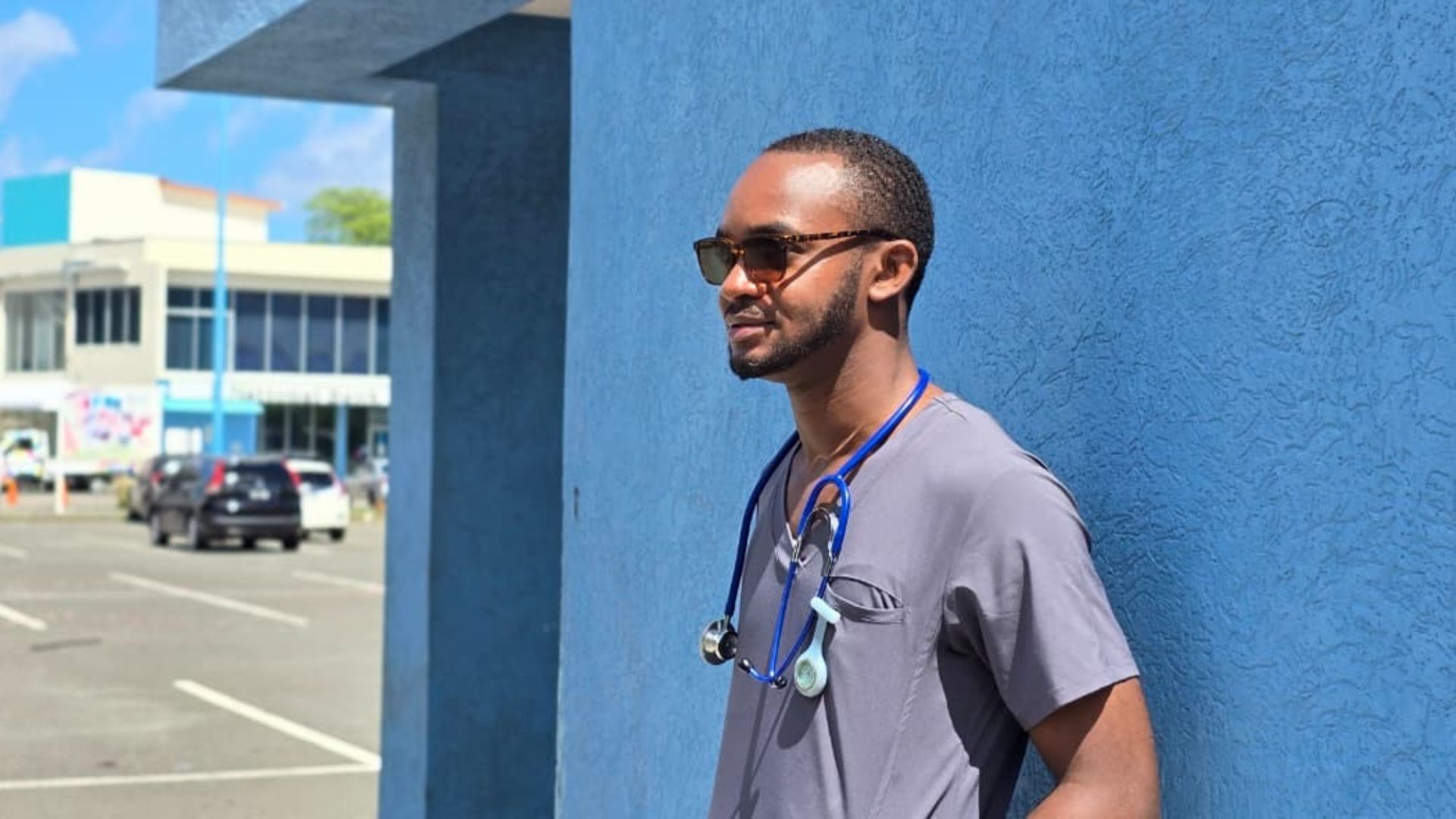
Caring has no gender: Inside the life of a male nursing student
Jefferson Gabriel, a 23-year-old nursing student in Saint Lucia, is navigating the challenges of being a man in a predominantly female profession. During his clinical maternity rotation, a mandatory part of his nursing training, Gabriel found himself often sidelined due to patients’ discomfort with male caregivers. Despite his eagerness to learn, he spent entire days observing only one patient, as many women declined his participation in their care for personal or religious reasons. This experience highlights the persistent gender biases in nursing, particularly in maternity wards. Nursing students in Saint Lucia undergo clinical rotations across various wards, but Gabriel’s experience in the maternity ward was starkly different from his peers. While his female counterparts engaged fully in patient care, Gabriel’s role was limited to tasks like bathing newborns. Sister Solomon, a veteran nurse with over 30 years of experience, noted that while the Registration of Nurses and Midwives Act refers to female nurses, there are no legal barriers preventing men from entering the field. She emphasized that skill and compassion, not gender, define a good nurse. Gabriel, inspired by his father’s medical crisis, chose nursing to help others and now aspires to enter nursing education to challenge gender biases and inspire future generations. He acknowledges the discomfort some women feel but stresses that male nurses approach their work professionally. Despite the challenges, Gabriel remains passionate about nursing and hopes to shift perceptions about who can provide care. His story reflects a broader trend of increasing male participation in nursing, driven by changing societal attitudes and the influence of social media in challenging stereotypes.
-

OPINION: Nuts and bolts of Caricom ‘free movement’ for Saint Lucia in the future
In a significant move towards regional integration, four CARICOM nations—Barbados, Belize, Dominica, and St. Vincent and the Grenadines—recently implemented full freedom of movement for their citizens. This decision, made during Saint Lucia’s political campaigning period, fulfills a commitment made at CARICOM’s 50th anniversary. However, Saint Lucia’s silence on the matter raises critical questions about its position in this evolving regional landscape. Historically, Saint Lucia has been a champion of regionalism, from the efforts of Nobel laureate William Arthur Lewis to the aspirations of the failed federation. Yet, the current lack of action calls for practical, forward-thinking discussions to prepare for potential future steps towards freedom of movement. This phase presents an opportunity for public education and engagement on the implications of regional obligations. The four pioneering countries have rejected the outdated requirement under Article 45 of the Revised Treaty of Chaguaramas (RTC), which limited CARICOM nationals to a six-month stay as tourists. Instead, they invoked the Protocol on Enhanced Cooperation, allowing nationals to enter, reside, work, and remain indefinitely without permits, while also granting access to healthcare and education. For Saint Lucia, joining this movement requires careful planning. Policymakers must address key questions: What benefits will CARICOM nationals receive? How will healthcare and education access be defined? What systems will integrate migrants? Will social security benefits be transferable? These issues demand national dialogue to ensure transparency and fairness. The legacy of regional integration, championed by figures like Elma Gene Isaac, must inspire deliberate and thoughtful action. As Saint Lucia contemplates its next steps, clarity and inclusivity must guide the process, ensuring that regional integration moves from rhetoric to reality.
-

Divali – Van duisternis naar licht
Diwali, often referred to as the ‘Festival of Lights,’ is one of India’s most cherished celebrations, observed globally with immense enthusiasm. This year, the festival falls on Monday, October 20, aligning with the lunar calendar. Often compared to Christmas and New Year combined, Diwali carries a profound message of brotherly love, peace, mutual respect, and unity. Both festivals emphasize renewal, the strengthening of family bonds, and the exchange of gifts, blessings, and good wishes. The vibrant atmosphere is further enhanced by new clothes, sweets, and colorful decorations.
-
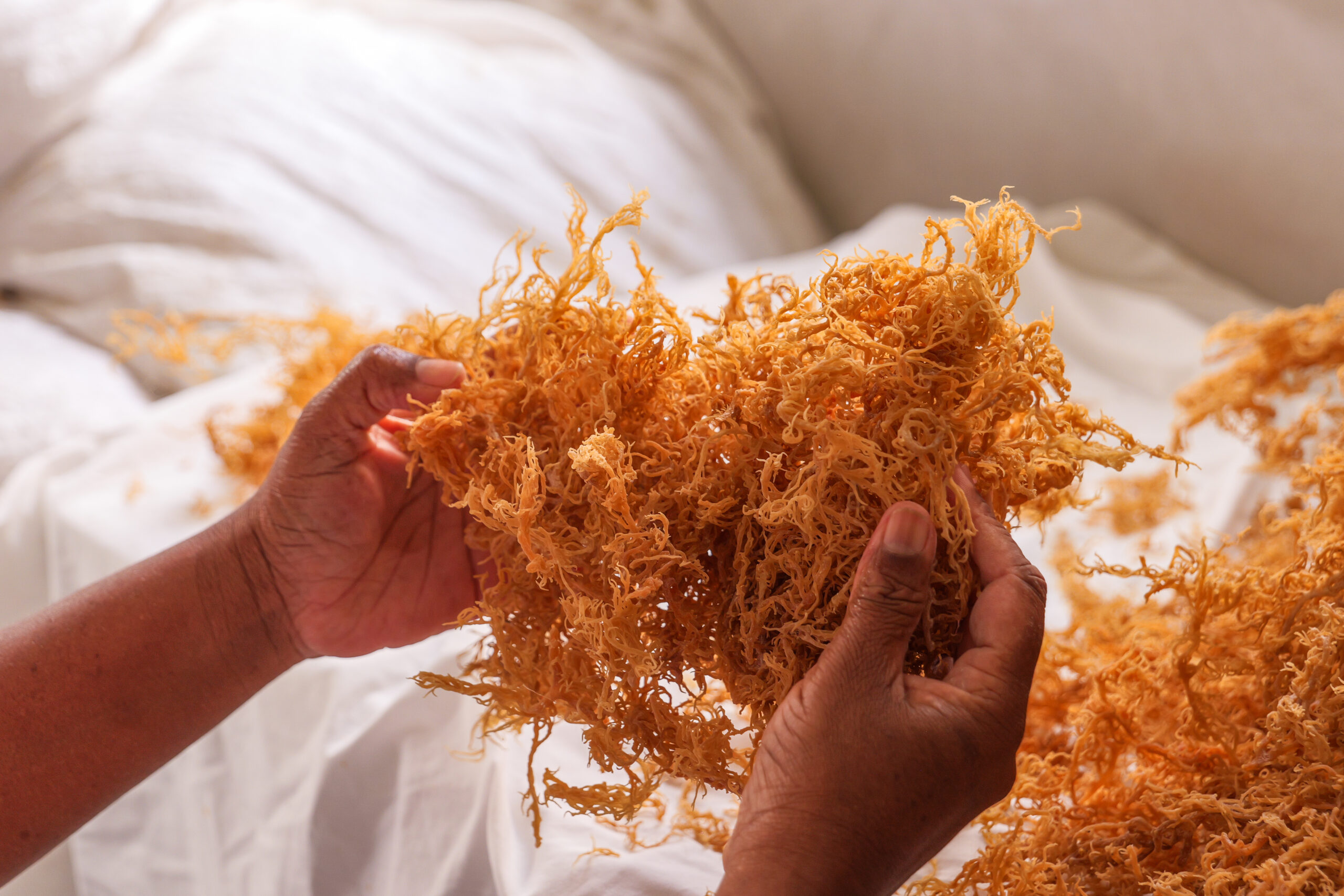
Farmers, exporters warn of trouble beneath Saint Lucia’s sea moss boom
Saint Lucia’s burgeoning sea moss industry, once celebrated for its premium quality and unique harvesting methods, is now facing a crisis of devaluation due to weak oversight and increasing competition. Local farmers and exporters are urging authorities to expedite efforts to regulate and standardize the sector, warning that the island’s once-lucrative product is losing its market edge.
-
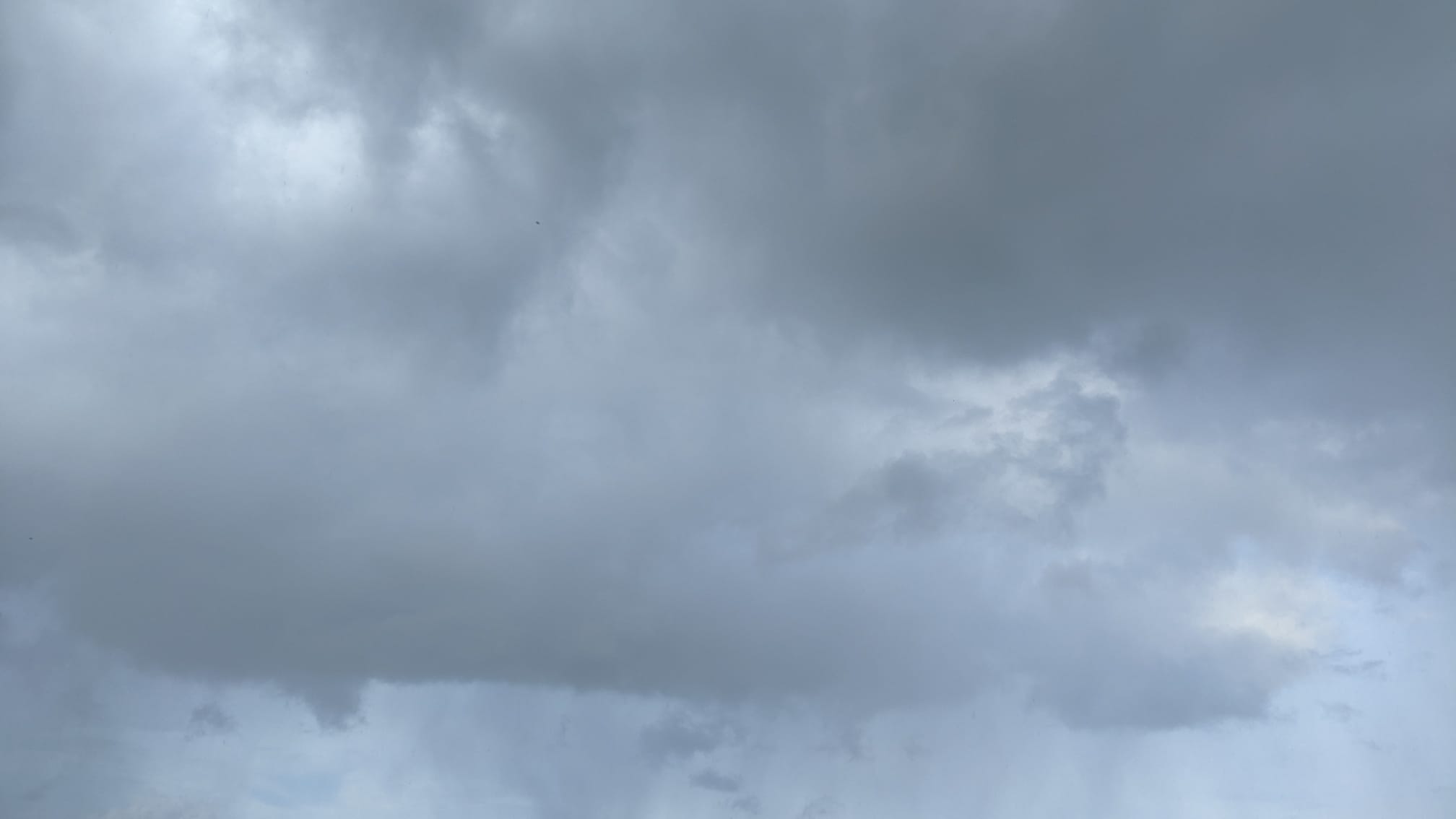
WEATHER (12:00 PM, Oct 19): A tropical wave is affecting the area
A powerful tropical wave is currently sweeping across the Lesser Antilles, with the southern islands bearing the brunt of its impact. The weather system is forecast to bring persistent moderate to heavy rainfall, thunderstorms, and strong winds throughout the region into the evening. Residents in areas susceptible to flooding, landslides, and rockfalls are advised to remain vigilant and take necessary precautions. Additionally, maritime conditions are expected to deteriorate over the next 12 to 24 hours, with wave heights reaching up to 7 feet along the west coast and nearly 10 feet on the east coast. In response, a Small Craft Warning has been issued, urging small vessel operators and sea-bathers to exercise extreme caution and stay alert to changing conditions.