
A devastating fire broke out in the early hours of Tuesday, October 21, 2025, on the Frigate Bay Strip in Basseterre, St. Kitts, completely destroying two well-known bars, Cathy’s and Zanzi Bar. The blaze, which reportedly started around 12:30 a.m., rapidly consumed the establishments despite the efforts of firefighters who battled the flames for several hours. The incident has left several employees without jobs and created a void in the Strip, a vibrant entertainment hub frequented by tourists, locals, and students. Social media was quickly flooded with videos and photos of the fire, sparking widespread concern and sympathy from the public. Authorities are currently investigating the cause of the fire, and further updates are expected as more information becomes available.
作者: admin
-

The genocide against the Cuban people in denouncing its civil society
The Cuban Association of the United Nations (ACNU) is set to convene the 21st Forum of the Cuban Civil Society against the Blockade on October 24. This significant event will serve as a platform for denouncing and reflecting on the detrimental effects of the US-imposed economic blockade, which has been criticized for violating human rights and impeding Cuba’s national development. The forum coincides with an upcoming United Nations vote addressing the economic siege, offering a timely opportunity to explore the profound human, social, and economic repercussions of the policy on the Cuban population. Recent reports presented by Bruno Rodríguez Parrilla, a member of the Political Bureau and Cuba’s Foreign Minister, reveal that the blockade has caused an estimated $7.5 billion in damages over the past year alone, with cumulative losses exceeding $170 billion over six decades. Rodríguez Parrilla highlighted that over 80% of Cubans have lived their entire lives under the blockade’s shadow, enduring daily hardships. The forum aims to galvanize international support to demand an immediate end to what is described as an unjust and illegal policy.
-

In the work and legacy of Martí, roots of national culture
The José Martí Cultural Society celebrated its 30th anniversary with a grand event at the José Martí Memorial in Havana, attended by prominent Cuban leaders and cultural figures. Lizette Martínez Luzardo, Deputy Minister of Culture, described the Society as a dynamic platform that transforms the legacy of José Martí into a tool for civic engagement. She emphasized its global influence in fostering unity and ethical values, both within Cuba and internationally. The celebration also honored the centenary of Fidel Castro and the 95th birthday of intellectual Armando Hart Dávalos, both pivotal in shaping Cuba’s cultural policies. Víctor Hernández Torres, Vice President of the Society, recounted its founding during the challenging ‘Special Period’ of the 1990s, highlighting its growth to over 20,000 members nationwide. The event paid tribute to the late historian Eduardo Torres Cuevas, with his widow receiving the Order Félix Varela. Additionally, the Society’s founders and provincial branches were recognized for their contributions to promoting Martí’s ideals. The festivities extended to Bayamo, where the ‘La Patria en mi Voz’ gala celebrated Cuban culture and independence, underscoring the enduring significance of the National Anthem as a symbol of resilience and identity.
-

Law on Science, Technology and Innovation, a legal standard for the whole of society
The October session of Cuba’s National Innovation Council marked a pivotal moment in the nation’s pursuit of scientific and technological advancement. Chaired by President Miguel Díaz-Canel Bermúdez, the council conducted an in-depth examination of the draft Science, Technology, and Innovation Act, initiating a nationwide debate on its provisions. This legislative effort aims to address existing barriers, fill regulatory gaps, and align with the aspirations of Cuban scientists, as highlighted in numerous consultations. The President emphasized the necessity of broad public engagement, ensuring the law reflects diverse perspectives from the science, technology, and innovation sectors, as well as other societal stakeholders. Armando Rodríguez Batista, Minister of Science, Technology, and Environment (CITMA), presented the draft, underscoring its comprehensive approach to fostering a robust innovation ecosystem. The draft identifies key challenges, including fragmented regulations, inadequate funding, and insufficient integration of social sciences with natural sciences. It proposes 20 foundational principles, such as establishing a high-ranking legal framework, enhancing governance, and recognizing innovative enterprises as integral to the system. The proposed law, structured into eight chapters, seeks to integrate innovation, transition to a knowledge economy, and international collaboration. Over 1,500 individuals, including academics, researchers, and government officials, have already contributed to the consultation process, reinforcing the draft’s potential to drive Cuba’s economic and social development.
-
CDB on a mission to promote inclusivity
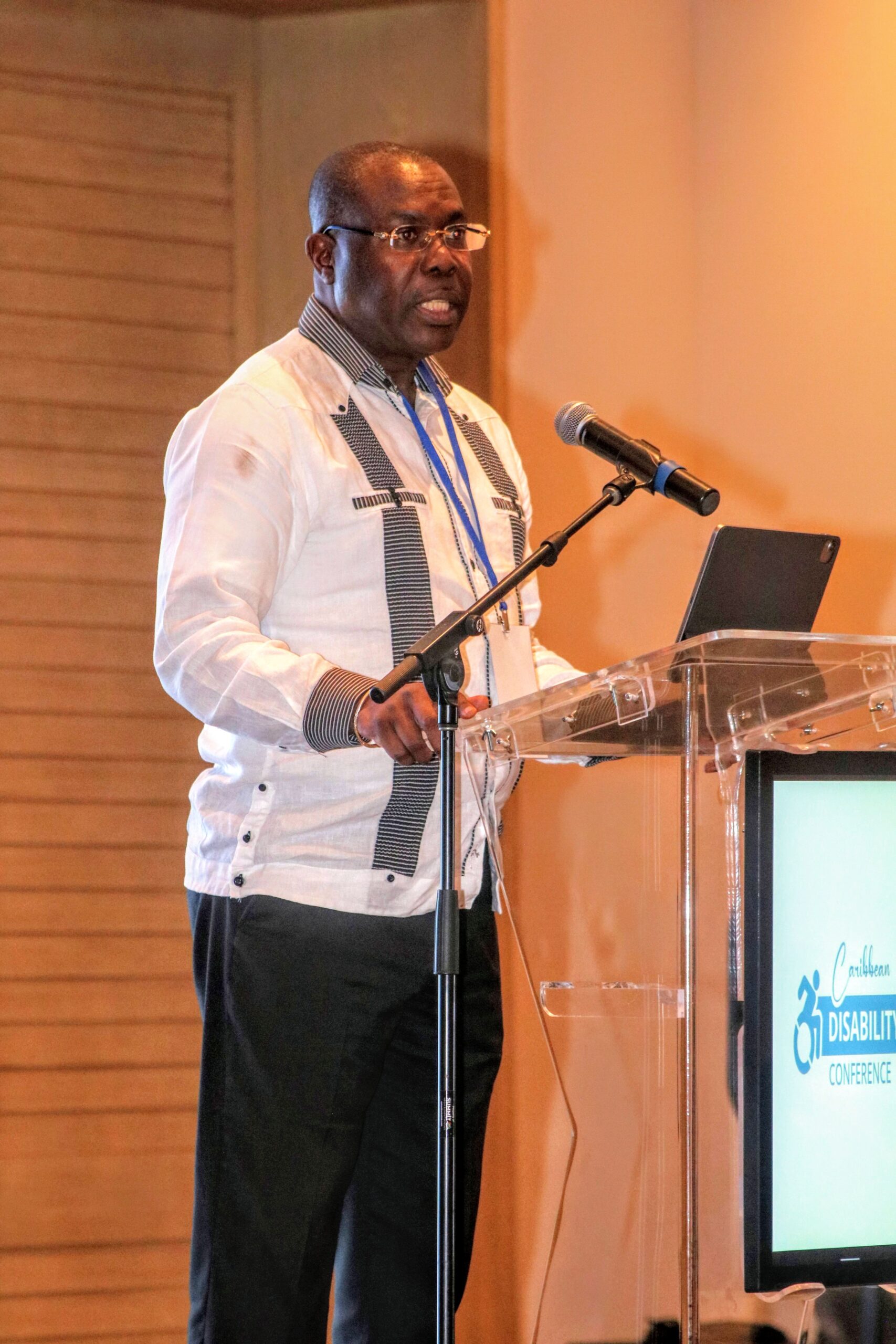
The Caribbean Development Bank (CDB) has pledged unwavering support for the 2025 Caribbean Disability Conference, reinforcing its dedication to fostering equitable access to quality education for individuals with disabilities. Themed ‘Breaking Barriers: Advancing Inclusive Education for All Abilities,’ the conference aims to drive sustainable development and social transformation across the region. Dr. Isaac Solomon, CDB’s Vice-President of Operations, emphasized the bank’s steadfast commitment to inclusivity during his address at the second annual conference. He asserted that the CDB is determined to leverage its influence to create more inclusive societies and equal opportunities for persons with disabilities. Dr. Solomon highlighted the importance of collaboration and genuine inclusion, stating that progress hinges on building a Caribbean society where individuals with disabilities are fully integrated and empowered. Reflecting on the momentum from the inaugural conference in Grenada and the recent Global Disability Summit in Berlin, he underscored the significance of these events in advancing equity. However, Dr. Solomon acknowledged the persistent challenges faced by persons with disabilities in the region, including social barriers, legislative gaps, and limited access to digital technologies. He pointed to the CDB’s investments in education, training, and capacity building as evidence of its long-term commitment to inclusive development. Dr. Solomon also praised Caribbean governments for their legislative and policy efforts to create an enabling environment for persons with disabilities. Meanwhile, Barbados’ Minister of Educational Transformation, Chad Blackman, emphasized the importance of quality education for all, noting Barbados’ ambitious goal to develop the world’s leading educational system within seven years. He highlighted the government’s investments in teacher resources and innovative teaching methods, including the introduction of chess in schools to enhance critical thinking skills.
-

Column: Etnische zuivering is geen vraag; het is taal van oorlog
On Monday, Suriname celebrated Diwali, a festival symbolizing light, harmony, and spiritual purity. The nation prides itself on being a “mini United Nations,” yet ethnic tensions persist, particularly in politics. Suriname’s strength lies in its diversity, where no single group dominates another. However, during a recent government press conference, President Jennifer Simons faced a contentious question: whether the removal of individuals from key positions appointed by the previous administration amounted to “ethnic cleansing.” The president responded sharply, emphasizing that such terminology is inappropriate in a democracy, especially in a nation nearing 50 years of independence and celebrated for its ethnic coexistence. She clarified that Suriname’s governance is built on reality, not ethnic chess games. Her pointed question to the journalist—”Did you understand my answer?”—highlighted the need for responsible language in public discourse. A free press is essential, but critical questions must not devolve into misleading narratives. No political party in Suriname represents a single ethnic group. The country is a mosaic of minorities, and suggesting otherwise undermines its foundation. The real issue is not “Whose people are these?” but “How do we design a system where state positions are not seen as personal property?” As Suriname approaches its 50th anniversary of independence, it must move beyond ethnic politics. Those who stoke ethnic tensions in a nation built on peace are playing with fire.
-

News : Zapping…
In a significant development for Haiti, the White House has formally communicated its endorsement to the U.S. Congress for the renewal of the Haitian Hemispheric Opportunity Through Partnership for Encouragement (HOPE) Act and the extension of the Haiti Economic Lift Program (HELP) Act. James Monazard, Secretary of Commerce and Industry, confirmed this move during a radio broadcast in the capital, highlighting the administration’s commitment to bolstering Haiti’s economic prospects.
In a separate initiative, the French Embassy in Haiti has pledged €2 million to the International Organization for Migration (IOM) to aid the reintegration of deported Haitians. This funding will facilitate border assistance, food aid, healthcare access, and the establishment of income-generating activities, aiming to provide sustainable support for returnees.
Meanwhile, the Kingdom of Voodoo of Haiti has announced a national vigil on November 1st and 2nd, coinciding with the feast of the Guédés, to promote peace across the nation. This spiritual gathering underscores the cultural significance of Voodoo in Haitian society.
In a milestone for regional connectivity, the Antoine Simon International Airport in Les Cayes is set to welcome its first international commercial flight between October 28th and November 2nd, 2025. This development marks a new chapter in Haiti’s aviation history.
On the diplomatic front, French Ambassador Antoine Michon met with the Franco-Haitian Chamber of Commerce and Industry to discuss strengthening economic ties between France and Haiti. The talks focused on fostering job creation and enhancing bilateral trade.
In sports, the Inter-University Peace Tournament saw a tense match between the Institute of Advanced Business and Economic Studies (IHECE) and GOC University, ending in a 0-0 draw. The event continues to promote unity and sportsmanship among Haitian youth.
-
STVS-directeur Abisoina ontkracht miskenning Frits Pengel
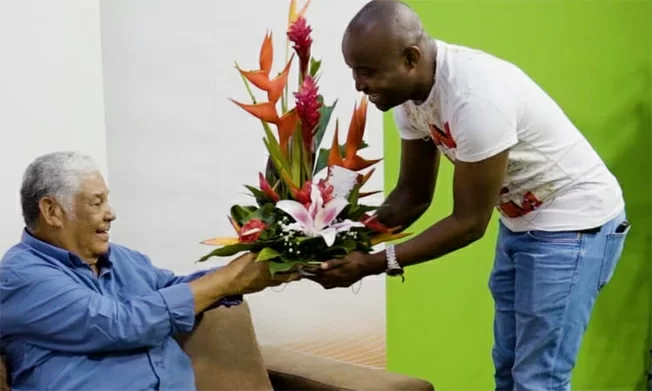
Raoul Abisoina, the director of the Surinamese Television Foundation (STVS), has responded to claims that Frits Pengel, the founder of STVS, was not invited to the 60th anniversary celebration of television in Suriname. Abisoina expressed surprise at the allegations, emphasizing that the organization deliberately chose not to hold a festive event due to current challenges. ‘From the beginning, it was clear that we would keep it modest. There was no celebration at all. That’s why I didn’t invite any former directors or retirees, including Mr. Pengel,’ Abisoina told Starnieuws.
Abisoina clarified that all retirees, including Pengel, were financially acknowledged. ‘An amount was deposited into his account in recognition of 60 years of STVS. He was personally informed by the secretariat that there would be no celebration.’ The director also highlighted that he had increased Pengel’s pension twice out of respect since taking office. ‘The son who wrote this article knows this personally. I met him along with his father. That contact has paused in recent months for other reasons—out of decency, I’ll leave it at that for now.’
Abisoina noted that during the previous major celebration—the 55th anniversary—Pengel was officially invited and honored with a Grantangi Award. ‘At that time, there was a festive celebration, and it was appropriate. Now, that’s not the case.’ He concluded, ‘I find it misplaced that my name is being dragged into a false narrative. Anyone who knows the full story understands that this is not about disrespect but a deliberate choice for modesty.’
-
Social Empowerment Agency to launch next month
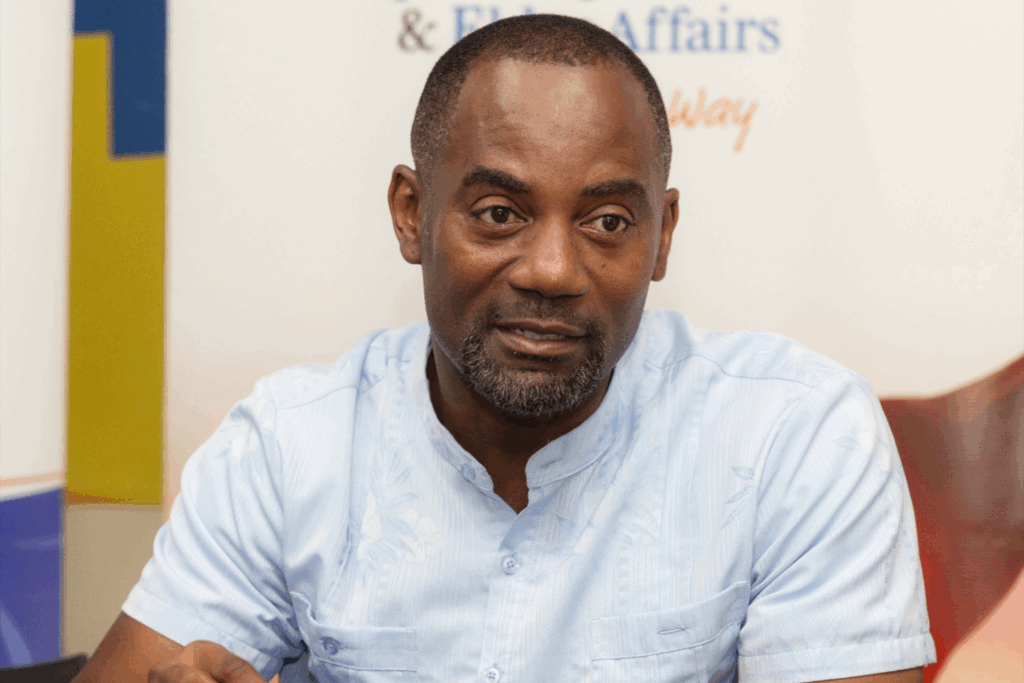
Barbados is poised to launch its newly established Social Empowerment Agency (SEA) next month, with nearly all staff from the four merging social service departments voluntarily joining the initiative. Minister of People Empowerment and Elder Affairs, Kirk Humphrey, confirmed the development on Monday, dispelling concerns about delays caused by union negotiations. The SEA consolidates the Child Care Board, National Assistance Board, National Disabilities Unit, and the Welfare Department into a single entity aimed at providing comprehensive support to vulnerable populations, including children, the elderly, and individuals with disabilities. Minister Humphrey emphasized that the agency’s mission is to transition from traditional welfare models to empowerment-focused strategies, fostering independence and reducing poverty through targeted programs and services. The government plans to establish empowerment centers across the island to enhance accessibility, ensuring that all communities benefit from the agency’s offerings. While specific figures on staff participation were not disclosed, Humphrey expressed confidence in the overwhelming positive response, stating that the agency is on track for a successful launch. The SEA will focus on skills development, capacity building, and tailored support services, marking a significant shift in Barbados’ approach to social welfare.
-

FRS Express Des Iles updated ferry schedule
H.H. V Whitchurch & Co., the operator of the FRS Express Des Iles ferry service, has released an updated schedule following a series of cancellations over the weekend. The announcement, shared on the company’s official Facebook page, assures passengers of a seamless travel experience during the upcoming World Creole Music Festival season. The company extended its appreciation to customers for their understanding and patience during the service disruptions. The revised timetable, which outlines ferry operations through the end of October, aims to restore reliability and meet the heightened demand expected during the festival period. This update comes as the company works to address operational challenges and ensure customer satisfaction.