作者: admin

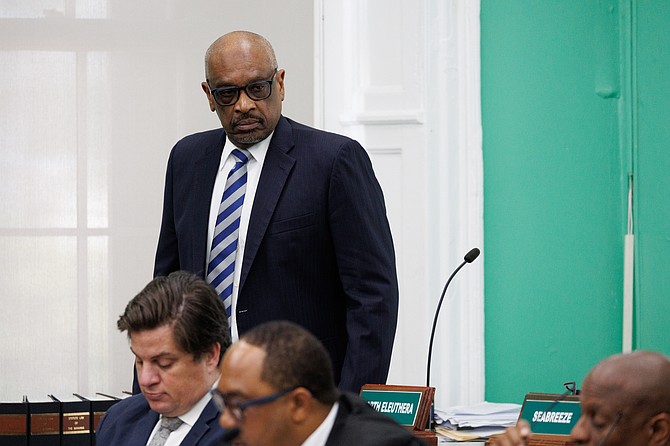
  • Davis: Fake voter cards pose no systemic threat

    Davis: Fake voter cards pose no systemic threat

    Prime Minister Philip ‘Brave’ Davis has asserted that recent fraud cases involving Bahamian passports and voter identification documents do not represent a systemic threat to the nation’s credential integrity, despite multiple criminal proceedings involving forged official documents. This declaration comes during the ongoing rollout of new biometric voter cards designed to enhance election security.

    Recent court cases have highlighted several instances of document fraud, including an 18-year-old Haitian national remanded to prison for allegedly obtaining Bahamian passports and voter cards fraudulently. In separate cases, a woman of Haitian descent received bail for possessing a counterfeit passport, while another Haitian man was sentenced to two years imprisonment for fraudulently acquiring multiple Bahamian documents.

    While acknowledging the troubling nature of these incidents, Prime Minister Davis emphasized that the relatively limited number of cases doesn’t jeopardize the international credibility of Bahamian documents. ‘I don’t consider it an existential threat per se,’ Davis stated, ‘though any fraudulent government document potentially undermines system integrity. We’re addressing how our official instruments are being misused, and police are actively developing countermeasures.’

    The opposition Free National Movement, through Deputy Leader Shanendon Cartwright, has raised concerns about election technology and identification systems as the nation approaches voting periods. Cartwright emphasized that electoral integrity remains paramount for national development and democratic identity, calling for government attention to public concerns regarding voting safeguards.

    The Parliamentary Registration Department maintains that robust security measures protect the electoral process, despite opposition concerns that repeated fraud instances could erode public trust. Notably, Cartwright revealed he hasn’t yet applied for the new biometric card, preferring traditional paper documentation while clarifying his personal choice doesn’t indicate opposition to the biometric system.

    Government officials have consistently argued that laminated voter cards are obsolete and vulnerable to forgery, citing international observers who have identified weaknesses in registration and identity verification processes. Recent reforms aim to modernize voter registration while preserving manual voting and counting procedures to maintain electoral transparency.

  • Man fined $3,000 for possession of prohibited weapon and disturbing peace

    Man fined $3,000 for possession of prohibited weapon and disturbing peace

    KINGSTON, Jamaica — A Kingston and St Andrew Parish Court ruling on Tuesday resulted in significant penalties for a local man apprehended with an unauthorized machete and engaging in disruptive public behavior.

    Court documents indicate that Anthony Brown faced judicial proceedings following his January 9, 2026 apprehension along Dunrobin Avenue. Law enforcement officials confirmed Brown was carrying a machete without legitimate authorization or justifiable purpose, violating Jamaica’s weapons regulations.

    Additionally, Brown faced charges for creating a public disturbance at the BOOT service station in St Andrew. Witness accounts described his behavior as excessively noisy and disorderly, disrupting normal operations at the fueling facility and causing concern among patrons and staff.

    Presiding Magistrate Sophia Clarke handed down a structured penalty system: a $2,000 fine for the unauthorized weapon offense, with an alternative two-day incarceration period if unpaid. For the disorderly conduct violation, Brown received a $1,000 fine with a one-day prison sentence contingency. The court emphasized that these concurrent penalties reflect the seriousness of combining weapon possession with disruptive public behavior.

    Legal experts note this case exemplifies Jamaica’s ongoing efforts to maintain public safety through strict enforcement of weapons laws and public order regulations. The judicial outcome demonstrates the court’s balanced approach between punitive measures and practical sentencing alternatives.

  • White House area shut down after van breaches security barricade

    White House area shut down after van breaches security barricade

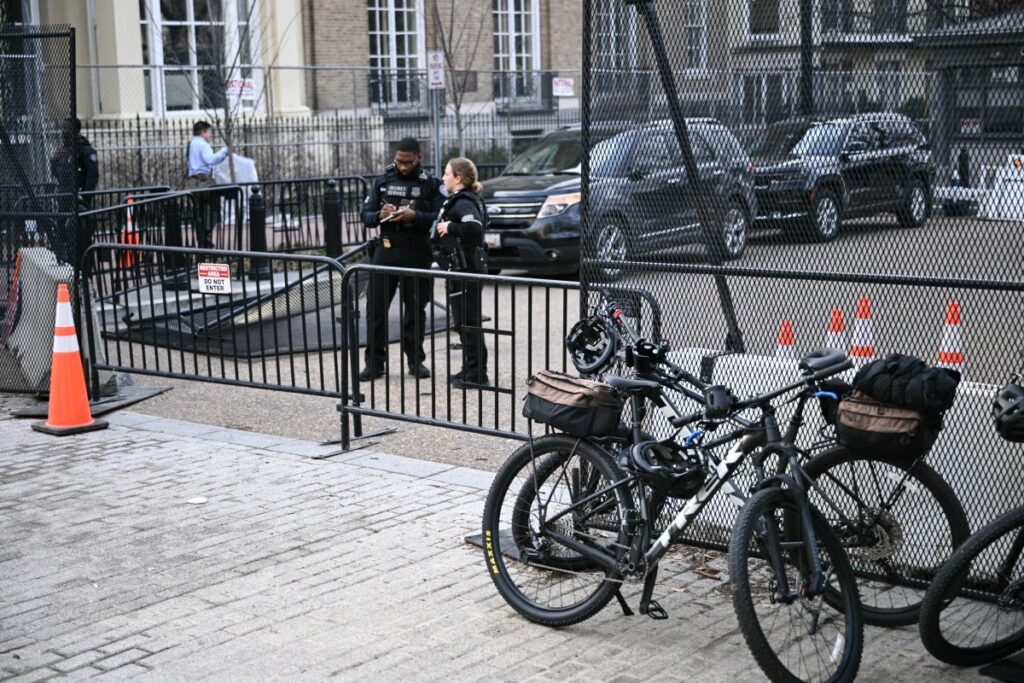
    WASHINGTON — A heightened security alert gripped the nation’s capital early Wednesday morning after a vehicle breached a protective barricade near the White House complex. The incident, occurring in the pre-dawn hours at Lafayette Square, prompted an immediate and large-scale response from federal and local law enforcement agencies.

    According to the United States Secret Service, the agency responsible for presidential security, personnel responded to a report of a suspicious vehicle. The driver was swiftly apprehended at the scene and taken into custody for interrogation. Official statements confirmed that no injuries were reported from the encounter.

    The security breach triggered extensive road closures throughout the downtown corridor during the morning rush hour, severely disrupting traffic and preventing government employees from accessing their offices. The area was flooded with dozens of emergency vehicles, their lights illuminating the cordoned-off streets as tourists and confused residents sought information on their mobile devices.

    This event unfolds against a backdrop of elevated security protocols in Washington D.C., measures that have been intensified due to ongoing international tensions involving the United States, Israel, and Iran. The swift containment of the situation demonstrated the reinforced security apparatus designed to protect the capital’s core institutions.

  • Germany to release part of oil reserve amid Mideast war

    Germany to release part of oil reserve amid Mideast war

    BERLIN — In response to escalating global energy prices triggered by ongoing Middle East hostilities, Germany has announced it will release a portion of its strategic petroleum reserves. The decision came Wednesday from Economy and Energy Minister Katherina Reiche, who confirmed the country’s participation in an International Energy Agency (IEA) coordinated effort to mitigate market volatility.

    The IEA has called upon member nations to collectively release 400 million barrels from strategic reserves, with Germany committing 2.4 million tons from its national stockpile. This represents a significant portion of the country’s total reserves, which currently stand at approximately 19.5 million tons according to ministry spokeswoman Susanne Ungrad.

    Minister Reiche emphasized the global nature of the energy crisis, noting that ‘the situation regarding oil supplies is tense worldwide,’ particularly affecting major Asian economies. The market sensitivity stems from uncertainties surrounding the duration of Middle East conflicts and potential disruptions to critical shipping lanes like the Strait of Hormuz, which typically facilitates 20% of global oil and gas shipments.

    Concurrently, Germany has implemented new fuel price stabilization measures. Effective immediately, petrol stations nationwide are restricted to a single daily price increase for gasoline and diesel, though they may implement price reductions at any time. This measure addresses the historical pattern where pump prices rise rapidly with oil prices but decline more gradually.

    This marks only the fourth time Germany has tapped its strategic reserves since their establishment, with previous deployments occurring during the 1990-1 Gulf War, after Hurricane Katrina (2005), and during the 2011 Libyan conflict. While Germany’s natural gas supply remains secure through Norwegian and American sources, the oil market instability continues to pose significant economic challenges globally.

  • Former PM calls for probe into politicians’ sharp rise in wealth

    Former PM calls for probe into politicians’ sharp rise in wealth

    In a striking address to the House of Assembly, former Prime Minister Dr. Hubert Minnis has issued a forceful challenge regarding the substantial and unexplained accumulation of wealth among elected officials during their terms. Speaking shortly after the annual financial disclosure deadline, Dr. Minnis highlighted a concerning pattern where individuals enter political life with modest assets, only to amass millions within a few years, describing such cases as deeply strange.

    Using his own financial declaration as a benchmark for transparency, Dr. Minnis revealed his reported assets increased to over $14 million. He argued that in a nation governed by the rule of law, such a significant jump should automatically trigger an official inquiry into the sources of that wealth—a standard he insists must be applied universally, regardless of political stature. His self-referential example was presented to preempt accusations of partisan targeting and to underscore a systemic failure in enforcement.

    The core of his critique centers on the nation’s notoriously lax financial disclosure system. While public officials are legally mandated to submit annual declarations of assets and liabilities, there exists no robust mechanism to verify the accuracy of these claims, creating an environment ripe for potential abuse.

    In related developments, several government ministers, including National Security Minister Wayne Munroe and Environment Minister Zane Lightbourne, confirmed they had requested deadline extensions for their filings. Conversely, a number of high-profile figures, such as Deputy Prime Minister Chester Cooper and multiple cabinet ministers, asserted they met the original deadline. A Free National Movement official claimed full compliance from all party members, though numerous elected officials remained unresponsive to inquiries about their disclosure status nearly four days after being contacted.

  • Sons watch stabbed dad bleed to death

    Sons watch stabbed dad bleed to death

    A horrific incident in Hepburn Town, Eight Mile Rock, has left a family shattered after 38-year-old Okino Kareem Burrows succumbed to fatal injuries sustained in a violent altercation. The tragedy unfolded late Saturday evening when Burrows became involved in a physical confrontation at a local bus stop, resulting in a severe neck wound.

    Fleeing the scene, Burrows desperately sought refuge at his mother’s residence nearby. Collapsing on the front porch, he was discovered by his two young sons, aged 15 and 12, who responded to his frantic knocking. Family members witnessed the traumatic scene as Burrows’ sister attempted emergency first aid, applying pressure to the critical injury in a futile effort to stem the bleeding.

    Family spokesperson Kim Musgrove described the devastating impact on those present, particularly the children who witnessed their father’s final moments. The emotional trauma has profoundly affected Burrows’ mother, sister, and sons, who are now grappling with the psychological aftermath of the event.

    Anthia Bartlett, the victim’s aunt, emphasized Burrows’ role as a devoted family man despite personal challenges, noting his commitment to his children and loved ones. The family acknowledges the ongoing police investigation, which has resulted in the detention of a 46-year-old suspect, while recognizing that no legal outcome can alleviate their profound loss.

    This tragedy compounds earlier hardships for Burrows, who lost his home to a suspected arson fire in January. Monica Mackey, mother of Burrows’ children, highlighted his vibrant personality and dedication to family, describing him as perpetually energetic and committed to bringing joy to others. The community now mourns the loss of a man remembered for his loving spirit and resilience in adversity.

  • Sandals pumps $6 million into 2026 staging of Jill Stewart MoBay City Run

    Sandals pumps $6 million into 2026 staging of Jill Stewart MoBay City Run

    MONTEGO BAY, Jamaica — The upcoming 10th anniversary of the Jill Stewart MoBay City Run received a monumental boost with Sandals Resorts International (SRI) Executive Chairman Adam Stewart announcing a landmark $6 million sponsorship for the event. This contribution, revealed during Tuesday’s media launch at S Club, represents a 100% increase over last year’s donation and sets a new benchmark for corporate support.

    The substantial funding injection serves as both a celebration of the event’s decade-long impact and a critical response to educational infrastructure needs exacerbated by Hurricane Melissa’s devastation last October. Event conceptualizer Janet Silvera expressed profound gratitude, noting Sandals’ consistent support since the run’s inception 14 years ago as an initiative for education.

    In a significant evolution, the event now carries the name of Adam Stewart’s late wife, Jill Stewart, whose legacy as a dedicated supporter has attracted increased community and business backing. Silvera emphasized that the rebranding has generated unprecedented generosity, enabling expanded outreach.

    The 2026 edition adopts the theme ‘Run for Recovery… Run for Education’ with ambitious goals: directly investing $10 million into educational institutions, including five hurricane-damaged high schools and five longstanding tertiary beneficiaries. Organizers issued a compelling call to action for private sector entities, foundations, and the Jamaican diaspora to participate in school adoption programs, emphasizing that collective effort is essential for comprehensive recovery.

    Montego Bay Mayor Richard Vernon endorsed the initiative, framing educational restoration as a civic imperative crucial for preventing learning loss and social disintegration. He highlighted the symbolic significance of routing the race through the city center as a public declaration that education occupies central importance in community life.

    Since its establishment, the event has contributed $45 million to educational causes, with last year’s allocation reaching $12 million. The 2026 target of $15 million in donations reflects both the urgency of post-hurricane reconstruction and the event’s growing fundraising capabilities.

  • Mojo Morgan’s Spirit official song of Kingston City Run

    Mojo Morgan’s Spirit official song of Kingston City Run

    In a landmark cultural partnership, the Jamaica Hotel and Tourist Association (JHTA) has appointed Grammy Award-winning artist Mojo Morgan of Morgan Heritage as the inaugural musical ambassador for the Kingston City Run (KCR) 2026. The official announcement and signing ceremony took place at Courtleigh Hotel & Suites in New Kingston, featuring the exclusive premiere of Morgan’s newly produced single ‘Spirit’—officially designated as the event’s anthem.

    The 2026 edition, themed ‘Pirates Run Di City’ and scheduled for March 15, integrates music, health advocacy, tourism, and philanthropy into its core mission. JHTA President Christopher Jarrett emphasized that the run transcends athletic achievement, serving as a vehicle for community transformation and social impact.

    Morgan’s ambassadorship and the anthem ‘Spirit’ align thematically with Kingston’s ongoing initiatives to support vulnerable populations, including those affected by Hurricane Melissa. The track, which samples Hillsong United’s ‘Oceans’, embodies themes of resilience and spiritual strength.

    This collaboration coincides with Morgan’s upcoming ‘King in the Royals’ world tour—a pioneering dual-headliner production featuring Morgan Heritage and Beenie Man. The tour aims to elevate reggae and dancehall to global stadium-level platforms, revitalizing the international touring circuit for Jamaican music.

    Since its inception in 2013, Kingston City Run has raised over $21 million for charitable causes. For the 2026 event, organizers aim to generate an additional $5 million for beneficiaries including Marie Atkins Night Shelter, Open Arms Development Centre, Alpha Institute, Missionaries of the Poor, and Food For The Poor, with special attention to western parishes impacted by Hurricane Melissa.

  • CDB preparing to finance health sector as Cuba medical exit raises concerns

    CDB preparing to finance health sector as Cuba medical exit raises concerns

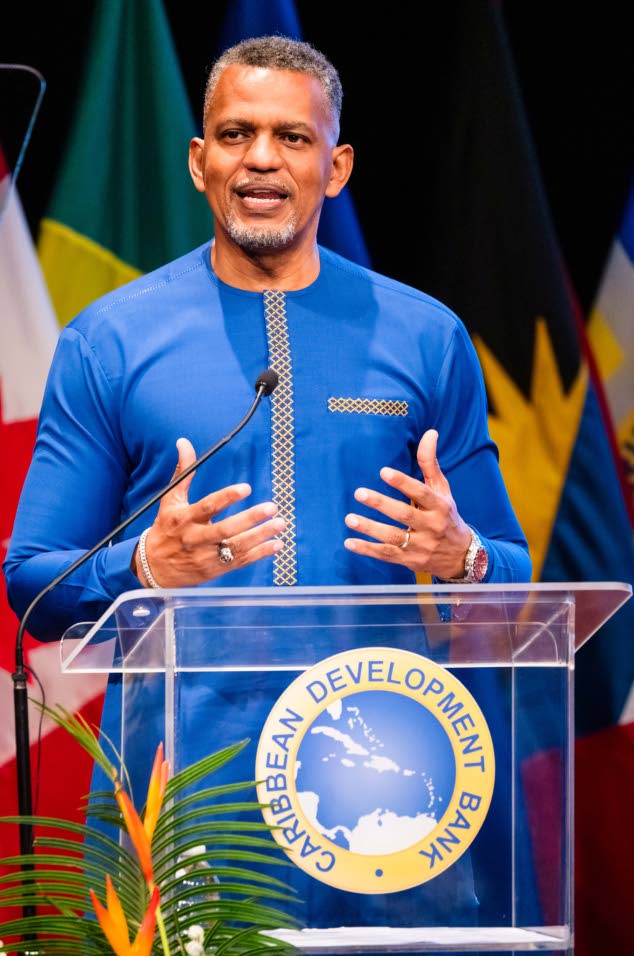
    In a historic policy shift, the Caribbean Development Bank (CDB) has announced it will begin financing health sector initiatives across the region for the first time in decades. This strategic pivot comes as Caribbean nations confront growing uncertainty about the future of Cuban medical missions that have long supplemented their healthcare systems.

    CDB President Daniel Best revealed during the bank’s annual news conference in Barbados that the institution’s newly approved 2026-2035 strategic plan formally recognizes health as a priority intervention area. This marks a significant departure for an organization traditionally focused on infrastructure, climate resilience, and economic development.

    The policy change gained urgency following Jamaica’s recent announcement that it would discontinue its decades-old medical cooperation program with Cuba after the two nations failed to reach agreement on new terms. This program had been instrumental in filling critical staffing gaps in Jamaica’s public health system, providing doctors, nurses, and specialists across the island.

    The decision has already created visible impacts. At the Jamaica-Cuba eye care clinic at St Joseph’s Hospital in St Andrew, large numbers of patients recently sought treatment ahead of the anticipated departure of Cuban specialists who have long supported the program.

    Similar concerns have emerged throughout the Caribbean, where several health systems rely heavily on Cuban medical personnel to address shortages in specialized care. The situation has drawn wider geopolitical attention, with the United States increasing criticism of Cuba’s overseas medical missions by alleging the program constitutes forced labor—accusations that Cuba and many Caribbean governments have rejected.

    Best acknowledged that these developments could create significant challenges for small island states already grappling with workforce shortages and rising healthcare costs. “With Cuban medical practitioners perhaps exiting the region, this could certainly become a developmental issue,” he stated. “And as the region’s development bank, we are here to support our countries.”

    The CDB’s approach will not involve directly building hospitals or managing medical programs. Instead, the bank intends to support governments through partnerships, technical assistance, and financing aligned with national development strategies. Potential interventions would likely emerge through the bank’s country engagement strategies—the frameworks used to guide development financing in borrowing member states.

    This policy shift reflects a growing recognition that health outcomes are increasingly shaping economic resilience across the Caribbean. Several countries in the region face some of the world’s highest rates of non-communicable diseases, including diabetes, hypertension, and heart disease—conditions that place significant strain on national health systems and public finances.

    Under the bank’s new strategic plan, health falls within its broader initiative to strengthen social resilience, one of three pillars guiding the institution’s work over the next decade alongside economic and environmental resilience. This approach signals an evolution in development thinking, with financial institutions increasingly recognizing that economic growth depends heavily on human capital strength, including access to reliable healthcare.

    For Caribbean governments operating under tight fiscal constraints, the possibility of development financing for health sector improvements could become increasingly vital as medical systems face intensifying pressures from ageing populations, chronic disease burdens, and uncertainty surrounding long-standing medical cooperation arrangements.

  • Poultry producers warn against extending chicken import waivers

    Poultry producers warn against extending chicken import waivers

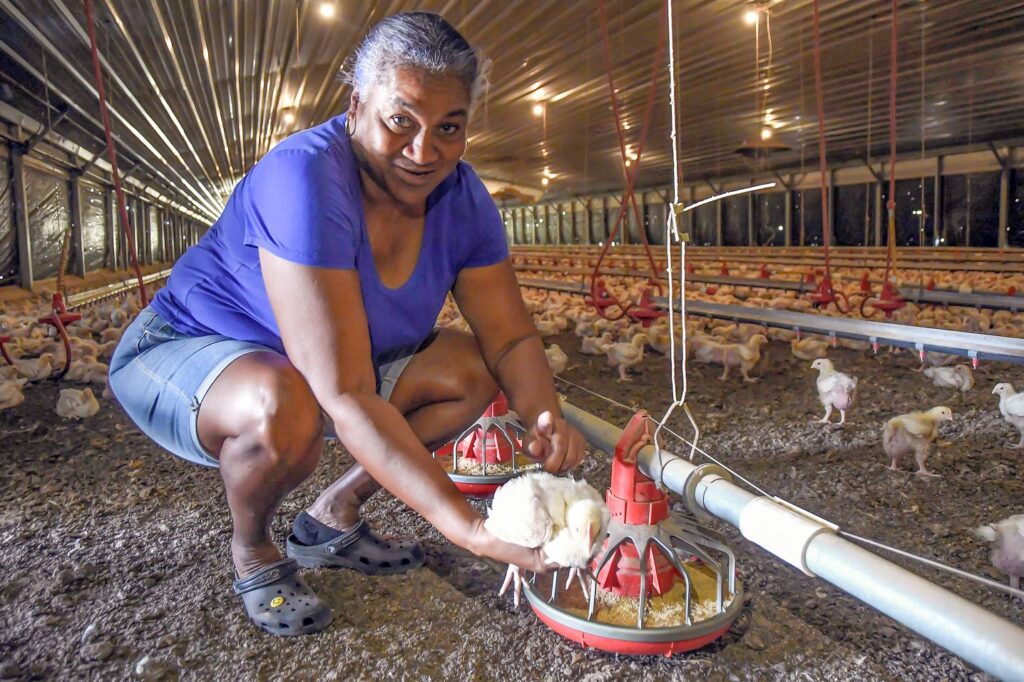
    Jamaica’s poultry producers are mounting pressure on the government to terminate emergency import concessions on chicken and eggs, asserting that these measures have surpassed their original purpose and now threaten to undermine local agricultural recovery efforts following Hurricane Melissa.

    The temporary waivers, which suspended duties and General Consumption Tax on specific food imports to address post-hurricane shortages, were initially scheduled to conclude in February. Agriculture officials have recently suggested a potential extension through May as a precautionary measure.

    Industry data reveals a remarkable production rebound, with weekly chicken output projected to reach 3-3.1 million kilograms by late March—significantly exceeding last year’s 2.7 million kilograms during the same period and surpassing typical supply levels.

    Dave Fairman, Vice-President of Jamaica Broilers Group’s Best Dressed Chicken Division, confirmed to media outlets: “We feel fairly confident that current supplies exceed normal annual availability levels.”

    While producers acknowledge the initial necessity of emergency measures to stabilize food supplies after widespread damage to farms and livestock operations across multiple parishes, they contend that extending import concessions would disadvantage local farmers who have invested substantially in rebuilding operations. These recovery efforts have been supported by government agencies, private sector initiatives, and aid organizations.

    Jaimie Ogilvie, Vice-President of Jamaica Broilers Group’s Hi-Pro Division, emphasized the broader implications: “This extends beyond poultry products to encompass the entire agricultural sector. Farmers are expressing concerns about onions, tomatoes, and vegetables. Our import policy must strike a balance—we cannot allow imported products to compete with local production while attempting to resuscitate domestic agriculture.”

    The hurricane disproportionately affected small-scale farmers, who contribute approximately 30-35% of Jamaica’s chicken supply. Many operations in western parishes—including St Elizabeth, Westmoreland, Hanover, St James, and Trelawny—suffered catastrophic losses of infrastructure and livestock.

    Industry recovery has been accelerated through coordinated support programs that provided construction materials, increased chick distributions, and technical assistance. Jamaica Broilers alone supplied 17% more baby chicks to small farmers in January and 15% more in February compared to typical levels, while government agencies distributed approximately 80,000 chicks.

    Current market challenges primarily reflect distribution imbalances rather than actual shortages, according to industry representatives. While some western regions continue experiencing reduced demand due to ongoing hotel and business recovery, other areas have developed surplus supplies. The Rural Agricultural Development Authority has been facilitating regional distribution networks to address these disparities.

    The egg market faces similar complications, with temporary import approvals leading to market oversupply. Hurricane Melissa resulted in the loss of approximately 400,000 laying hens, prompting limited import permissions to prevent shortages. However, imported eggs—particularly medium-sized products from the United States—are now entering the market below local production costs, creating temporary gluts that disadvantage Jamaican egg farmers.