
Antigua and Barbuda has achieved a significant milestone in global recognition, securing the 54th position out of 197 countries in the CEOWORLD Magazine Global Nations Reputation Index 2026, released on October 26. This prestigious annual index evaluates nations based on a comprehensive 50-attribute model, assessing perception and performance across ten critical dimensions, including ethics, governance, innovation, quality of life, sustainability, and social cohesion. With a reputation score of 76.65, the twin-island nation has surpassed many larger and more developed countries, highlighting its growing international stature. Within the Caribbean region, Antigua and Barbuda outperformed Saint Kitts and Nevis (55th), Trinidad and Tobago (62nd), and Saint Lucia (70th), reflecting its rising respect for governance, stability, and cultural identity. The report underscores that national reputation has become a pivotal factor in determining a country’s competitiveness, influencing foreign investment, tourism, trade, and diplomatic relations. CEOWORLD emphasizes that reputation now serves as a measurable and strategic determinant of competitiveness, influence, and prosperity, effectively acting as a global ‘trust index.’ Singapore claimed the top spot in the 2026 rankings, lauded for its consistent governance, innovation, and environmental stewardship. European nations, including Switzerland, Ireland, and the Nordic states, dominated the upper echelons of the index, praised for their integrity, equality, and high-quality governance. The report highlights that countries with robust reputational scores benefit from increased foreign investment, currency stability, and enhanced diplomatic influence, translating directly into economic growth and global engagement. Antigua and Barbuda’s ranking is a testament to its ongoing efforts to bolster its international profile through effective governance, sustainable development, and social cohesion. This achievement reinforces the nation’s growing influence in the Caribbean and its commitment to maintaining a trustworthy and respected image on the global stage.
作者: admin
-
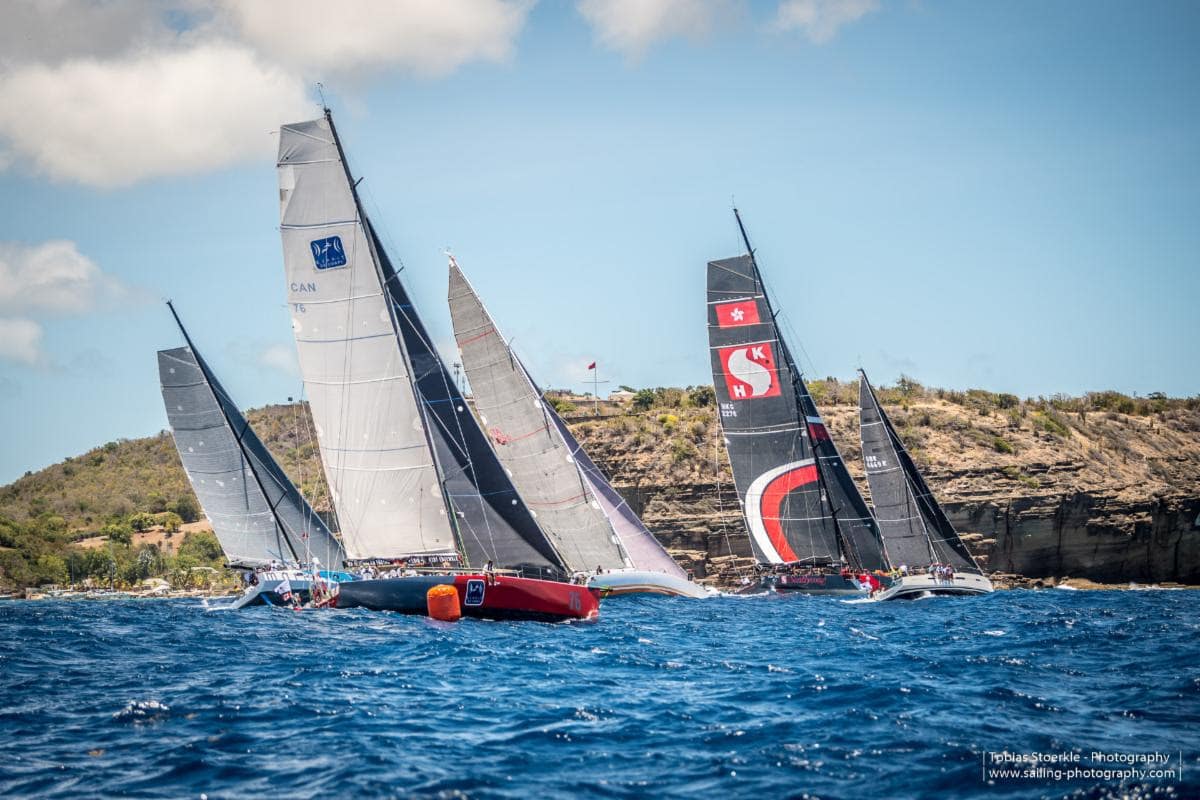
Antigua Bermuda Race Returns in 2026 After Two-Year Break
ST. JOHN’S, Antigua (Oct. 27, 2025) — The Antigua Bermuda Race, a prestigious 935-nautical-mile ocean challenge, is set to make its triumphant return on April 29, 2026, after a two-year hiatus. Organized by the Royal Bermuda Yacht Club in collaboration with Antigua Sailing Week, the event bridges the gap between Antigua Sailing Week (April 22–26) and SailGP Bermuda (May 9–10). Supported by key sponsors including the Bermuda Tourism Authority, Goslings Rum, and Fairhaven Shipyard, the race welcomes a diverse fleet of IRC and CSA yachts, cruiser racers, multihulls, super yachts, classics, and double-handed teams. Motor-assisted yachts are also eligible to compete under a unique handicap rule. The race begins at Fort Charlotte, Antigua, with participants sailing past Barbuda and into the open ocean, culminating at the Royal Bermuda Yacht Club by May 7. Les Crane, the Race Chair, emphasized the event’s appeal, stating, ‘The race offers a great option to take your boat north out of the Caribbean in a safe, economic, and highly enjoyable way.’ Registration opens on November 15, and the 2026 Notice of Race is now accessible online.
-
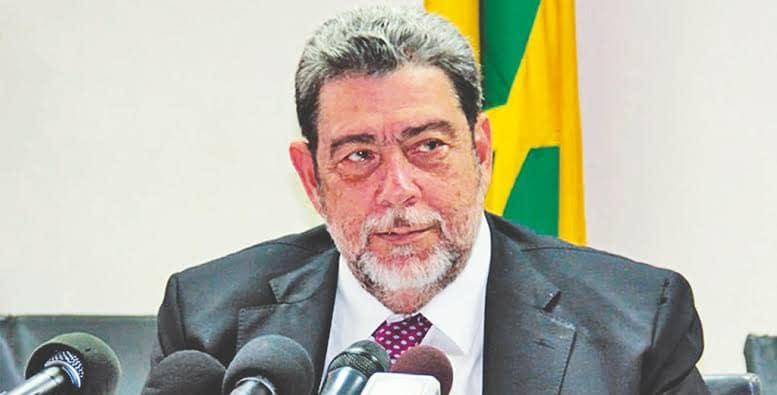
Antigua’s Tim Hector Highlighted in Ralph Gonsalves’ Upcoming Book on Caribbean Leadership
Prime Minister Dr. Ralph Gonsalves of St. Vincent and the Grenadines has announced plans to publish a comprehensive book detailing his experiences and insights into Caribbean political leadership. The forthcoming publication, which he aims to release before the upcoming general election, will feature an autobiographical section, an exploration of leadership dimensions, and profiles of 40 prominent political figures from the Caribbean Community (CARICOM). Among those highlighted are late leaders such as Patrick Manning of Trinidad and Tobago, Errol Barrow of Barbados, and Maurice Bishop of Grenada. Gonsalves, who has led the Unity Labour Party (ULP) since 2001, also intends to write a separate book on his interactions with former Cuban leaders Fidel and Raul Castro, as well as Venezuelan leaders Hugo Chavez and Nicolas Maduro. The 79-year-old prime minister, seeking an unprecedented sixth term, emphasized his commitment to documenting regional socio-political developments, including his recent publication on post-pandemic and post-volcanic recovery strategies for St. Vincent and the Grenadines, available on Amazon.
-

Two Women to Represent Antigua & Barbuda at Miss Caribbean UK 2025 This Weekend
The 11th edition of the prestigious Miss Caribbean UK pageant is gearing up for an unforgettable evening on November 1, 2025, at London’s iconic Shaw Theatre. This year’s competition will feature eleven dazzling contestants, an increase from the previous year’s ten, as they vie for the coveted crown. Organizers have promised a grand finale that will be ‘bigger, bolder, and more glamorous’ than ever before.
Among the finalists are two talented representatives from Antigua and Barbuda: Kmari Wellington and Maurisa-Jae Isaac. They will compete against participants from Barbados, Trinidad and Tobago, Grenada, Jamaica, and St. Vincent and the Grenadines. The event will also see the return of Shakyrah Davis, the 2024 winner from Antigua and Barbuda, who will pass on her title. Davis made history last year by sweeping four major awards: Overall Winner, Best Evening Wear, People’s Choice, and Best Charity Pitch.
Tickets for the event are now available, with VIP seats priced at £50, standard tickets at £35, and concessions at £20 for those aged 16 and under or over 65. VIP attendees will enjoy premium seating and a commemorative souvenir program.
The 2025 finalists include:
– Alexis Massiah – Barbados
– Aliyah Brown – Trinidad and Tobago
– Kayla Mitchell – Grenada
– Kmari Wellington – Antigua and Barbuda
– Maurisa-Jae Isaac – Antigua and Barbuda
– Nayana Mena – Jamaica
– Shanelle Webb – Jamaica
– Starr-Annise Elson-Williams – Jamaica
– Storm-Cianne Ellis – Jamaica
– Tansy Daniel – St. Vincent and the Grenadines
– Zhane Fritz – GrenadaThis year’s pageant promises to be a celebration of Caribbean beauty, talent, and culture, with Antigua and Barbuda once again in the spotlight.
-

“Final Stretch”: PM Drew Updates Nation on Historic MRI Project
Basseterre, St. Kitts – In a significant milestone for healthcare modernization, Prime Minister and Minister of Health, Dr. Terrance Drew, announced that the construction of the new Magnetic Resonance Imaging (MRI) facility at the Joseph N. France General Hospital (JNF) is nearing completion. The project, which began in 2024, is part of a broader initiative to enhance diagnostic services across the Federation of St. Kitts and Nevis. During an ambulance commissioning ceremony on October 28, 2025, Dr. Drew revealed that the MRI machine is expected to be operational by the first quarter of 2026. The Prime Minister emphasized that the facility will eliminate the need for many citizens to seek advanced diagnostic services abroad, marking a transformative step in local healthcare accessibility. The MRI building was specifically designed to meet the technical requirements of the equipment, as no existing space in the hospital was suitable. This project is part of a comprehensive healthcare strategy that includes the acquisition of a CT-scan unit and ongoing infrastructure upgrades at JNF. Dr. Drew reaffirmed his government’s commitment to equitable healthcare access, stating, ‘This investment in emergency medical response is a direct expression of our commitment to social justice. Healthcare is not a privilege but a human right.’
-
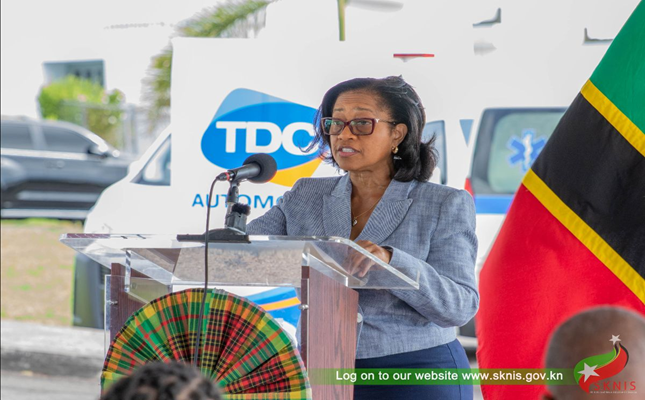
Over 1,600 Emergency Calls Handled in Nine Months: New Ambulances Arrive at a Critical Time, Says CMO
In a significant development for emergency medical services in St. Kitts, Chief Medical Officer Dr. Hazel Laws announced the arrival of five new ambulances at the Joseph N. France General Hospital. This addition comes at a crucial time, as the ambulance service has already responded to 1,628 emergency calls between January and September 2025, averaging 180 requests per month. Dr. Laws highlighted the growing reliance on emergency services, particularly during peak periods such as Christmas and Carnival, which place immense strain on the healthcare system. The new fleet, procured in collaboration with TDC Automotive, is expected to enhance the hospital’s capacity to handle emergencies, including road traffic accidents, natural disasters, and mass casualty events. Dr. Laws emphasized the importance of these vehicles in ensuring swift and reliable care for those in need, underscoring the critical role of emergency responders in safeguarding public health.
-
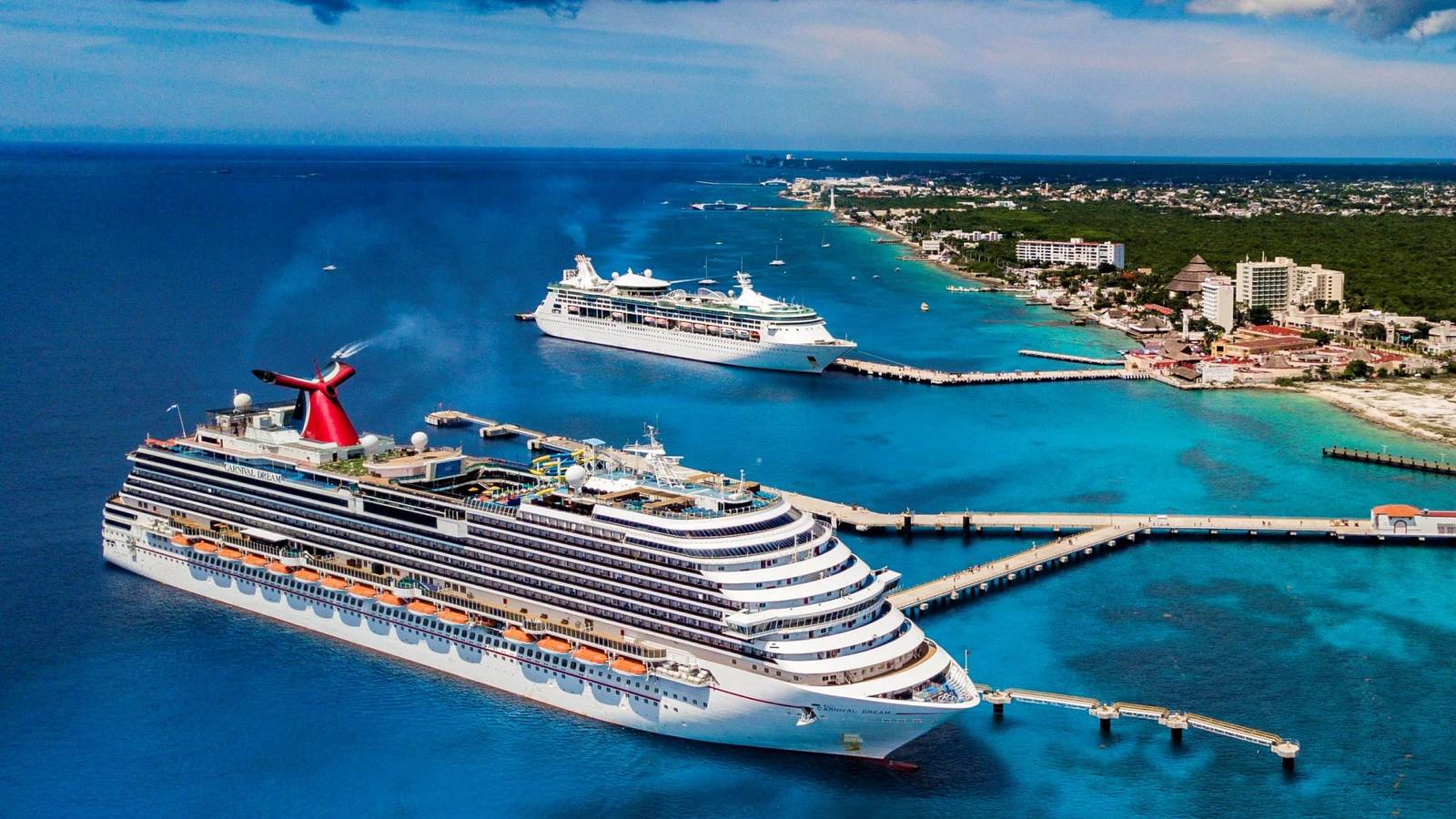
Dominican ports fully operational after Hurricane Melissa
In the wake of Hurricane Melissa, the Dominican Port Authority (Apordom) has confirmed that all ports across the Dominican Republic are fully operational and have sustained no significant damage. Comprehensive technical inspections and structural evaluations conducted at major cargo, container, and cruise terminals have verified the stability of port infrastructure, as well as the uninterrupted functionality of electrical systems and access routes.
Jean Luis Rodríguez, Apordom’s executive director, attributed this resilience to the institution’s proactive preventive measures and unwavering commitment to port safety. He detailed that emergency protocols were activated well before the hurricane’s arrival, safeguarding docks, equipment, vessels, and personnel. This strategic preparedness facilitated a swift return to normal operations.
Rodríguez also underscored the Port Authority’s advancements in modernization and climate resilience, which have significantly bolstered its capacity to maintain seamless maritime activities. Apordom has reaffirmed that cargo, coastal shipping, and cruise operations are proceeding without disruption nationwide, highlighting its dedication to ensuring the security, stability, and competitiveness of the Dominican port system.
-

Warme dag met ‘s middag enkele lokale buien
Suriname is set to experience another warm and predominantly dry day today, with localized cloud cover expected to increase in the afternoon. The early morning will remain calm and relatively clear, offering pleasant temperatures ranging between 24 to 26 degrees Celsius, particularly in Paramaribo and Wanica. By late morning, temperatures are forecasted to rise rapidly, reaching 32 to 35 degrees Celsius, with a muggy heat index exceeding 38 degrees Celsius. Humidity levels will remain high, especially in low-lying and densely built-up areas. Inland regions, particularly around the Upper Suriname area and Brokopondo, may experience even higher localized temperatures. During the afternoon, light cloud cover is anticipated in parts of the interior, with a possibility of brief local rain or thunderstorms, especially towards Sipaliwini and southern Brokopondo. Coastal districts are expected to stay largely dry, though a short-lived shower in the late afternoon cannot be ruled out. Winds will be easterly to northeasterly, generally weak to moderate, with occasional cooling breezes in the afternoon. By evening, skies will clear in most areas, and temperatures will gradually drop to a more comfortable 26 to 27 degrees Celsius.
-
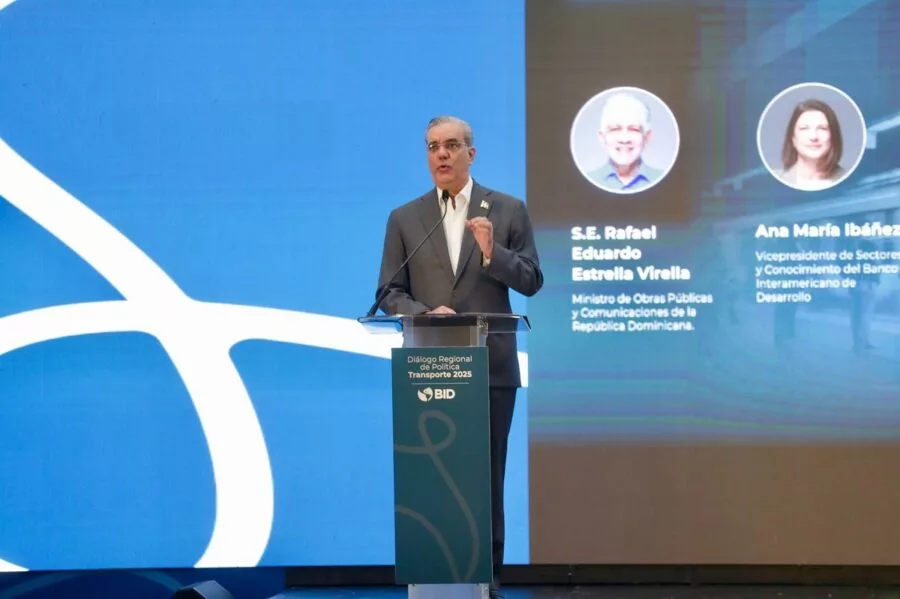
Abinader opens International Transport Policy Dialogue 2025 in Santo Domingo
Santo Domingo, Dominican Republic – President Luis Abinader officially launched the 2025 International Transport Policy Dialogue, a pivotal two-day regional conference co-organized by the Inter-American Development Bank (IDB) and the International Transport Forum (ITF). Held under the theme “Transportation as a Driver of Development for Resilience and Competitiveness,” the event convened ministers, industry leaders, and experts from Latin America, the Caribbean, and Europe to address pressing challenges in the transport sector.
In his opening address, President Abinader emphasized the critical role of transportation as the foundation of economic and social progress. He articulated that investments in mobility are investments in equity, productivity, and future growth. Abinader showcased significant infrastructure advancements under his administration, including the rehabilitation of highways and rural roads, the modernization of the Manzanillo port, and the expansion of integrated Metro, Cable Car, and Monorail systems in Santo Domingo and Santiago. He described these initiatives as transformative milestones in the Dominican Republic’s mobility landscape.
The forum aims to tackle key issues such as sustainable financing, the adoption of electric and clean mobility solutions, the integration of artificial intelligence (AI), climate resilience, and road safety. Abinader expressed gratitude to the IDB and ITF for their ongoing partnership and called for a unified regional action pact to promote sustainable, safe, and accessible transportation systems. This dialogue follows the Dominican Republic’s 2024 accession as a full member of the ITF, a significant step in aligning the nation with global sustainable development goals.
-
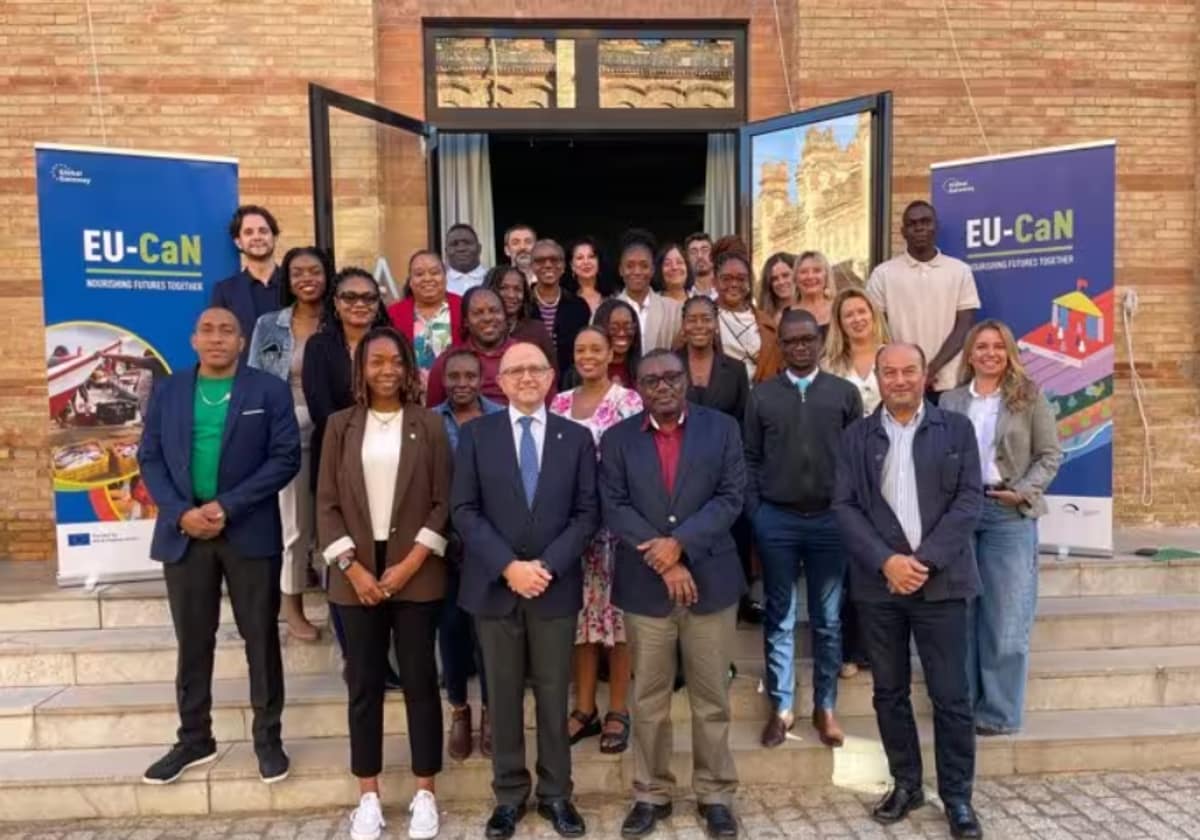
Antiguan Officials Participate in EU-Funded Study Tour on Rural Development in Spain
A high-level delegation from the Organisation of Eastern Caribbean States (OECS), including representatives from Antigua and Barbuda, Saint Lucia, Saint Vincent and the Grenadines, Dominica, and Saint Kitts and Nevis, recently concluded a three-day visit to Andalucía, Spain. The trip, held from October 22 to 24, was part of the EU-CaN: Nurturing Futures Together project, an initiative funded by the European Commission and coordinated by the Foundation for the Internationalisation of Public Administrations (FIAP). The project aims to foster collaboration and knowledge sharing between European and Caribbean regions to enhance sustainable agri-food systems, rural development, and the inclusion of women and youth in agriculture. During their visit, the delegation explored key agricultural sites in the Axarquía area of Malaga province, including a subtropical fruit company in Vélez-Málaga, the Monte Faco vineyard, and the village of Moclinejo. They also engaged with local mayors and sampled regional cuisine. Manuel Gómez, Secretary General for Agriculture of the Andalusian regional government, emphasized the region’s commitment to sustainability and innovation in agriculture, highlighting the importance of inclusivity in achieving food security and rural revitalization. The delegation’s itinerary also included stops in Cádiz, Seville, and Madrid, further strengthening ties between Spain and the Eastern Caribbean in their shared pursuit of sustainable and inclusive agricultural growth.