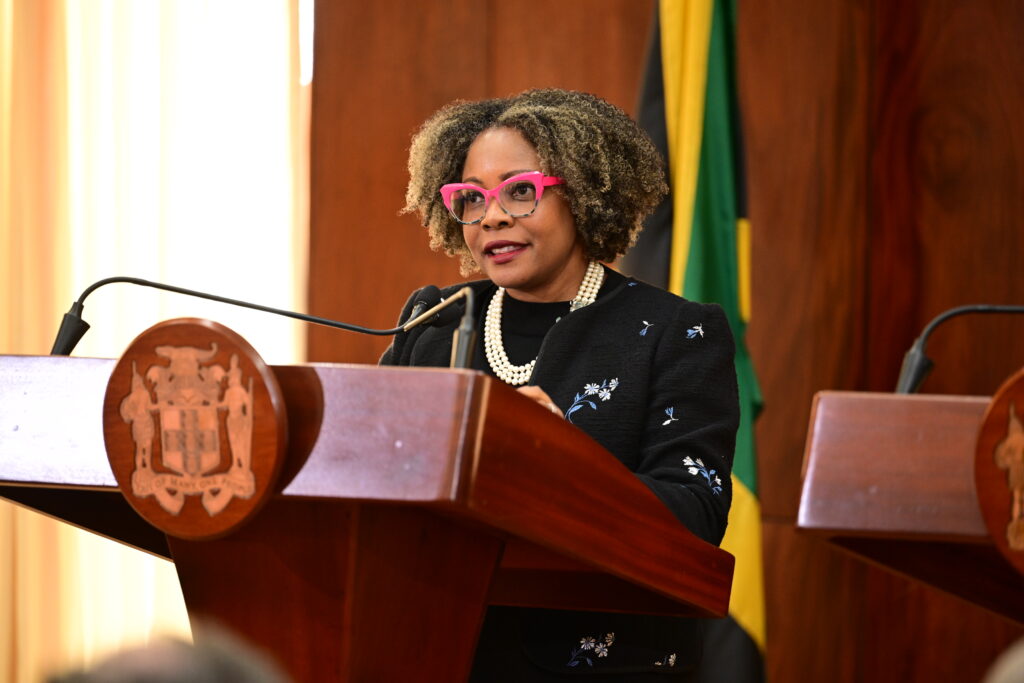
KINGSTON, Jamaica — The Government of Jamaica has announced that the official death toll from Hurricane Melissa has climbed to 32, with eight additional fatalities currently under investigation. The confirmation came during a special media briefing led by Senator Dr. Dana Morris Dixon, Minister of Education, Skills, Youth, and Information, at Jamaica House in Kingston on Monday, November 3. Dr. Morris Dixon expressed deep sorrow over the rising number of casualties, stating, ‘We do expect that number to increase. Every additional person added to that list is profoundly felt by all of us.’ She extended prayers and support to the affected families, acknowledging the immense grief they are enduring. Hurricane Melissa, which struck western Jamaica on October 28, caused widespread devastation, prompting the Jamaica Defence Force (JDF) and the Jamaica Constabulary Force (JCF) to deploy helicopters for search and recovery operations. The government continues to monitor the situation closely, providing updates as recovery efforts progress.
作者: admin
-

IICA launches emergency fund to aid Caribbean agriculture after Hurricane Melissa
KINGSTON, Jamaica — In response to the devastating impact of Hurricane Melissa, the Inter-American Institute for Cooperation on Agriculture (IICA) has established an emergency fund to support the agricultural sectors of four Caribbean nations: The Bahamas, Jamaica, Haiti, and the Dominican Republic. These countries have experienced substantial losses due to the extreme weather event, prompting immediate action from IICA.
-
Educational support outside of school term being considered, says Morris Dixon
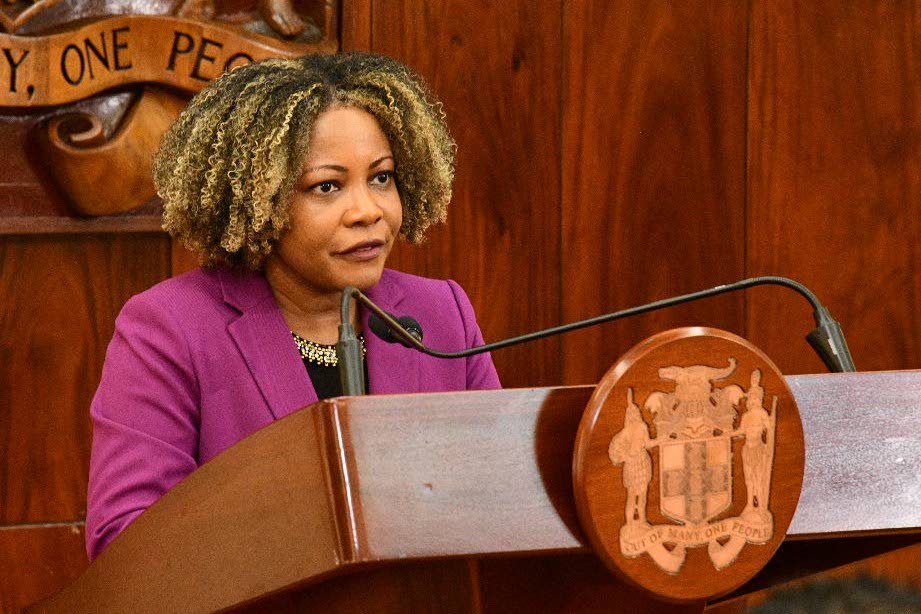
In the aftermath of the devastating Category Five Hurricane Melissa, which caused significant destruction in western Jamaica, Education Minister Dana Morris Dixon has announced comprehensive measures to address the anticipated learning loss among students. Speaking to Observer Online following a special media briefing on Monday, Minister Dixon revealed that the Ministry of Education is actively considering extending educational support beyond the standard school term. This includes organizing holiday camps and potentially extending programs into the summer to help students regain their academic footing.
Despite public concerns over the swift reopening of 136 schools less than a week after the hurricane, Minister Dixon emphasized that the process was carefully managed, prioritizing the well-being of students and staff. Many schools reopened primarily for staff to attend counseling sessions and discuss their experiences post-hurricane. For schools that welcomed students, the focus was on providing psychosocial support.
To assist affected students, the ministry is assembling kits in collaboration with guidance counselors and schools for distribution. Additionally, the ministry is exploring various solutions to rebuild and maintain learning in areas where schools were destroyed. Options under consideration include setting up temporary tents, relocating students to other schools, and providing learning materials for home use on specific days.
Minister Dixon also highlighted the ministry’s partnership with the United Nations Children’s Fund (UNICEF) to develop effective recovery strategies. Drawing on UNICEF’s global experience in disaster recovery and education system rehabilitation, the collaboration aims to ensure the welfare of children and their access to essential education.
‘We’re going to figure it out. We’re going to have to be flexible because the key thing is the welfare of our children and getting our children to get the education that they desperately need so that they can take off in this world,’ Minister Dixon concluded.
-
Former Prince Andrew to lose his last military rank
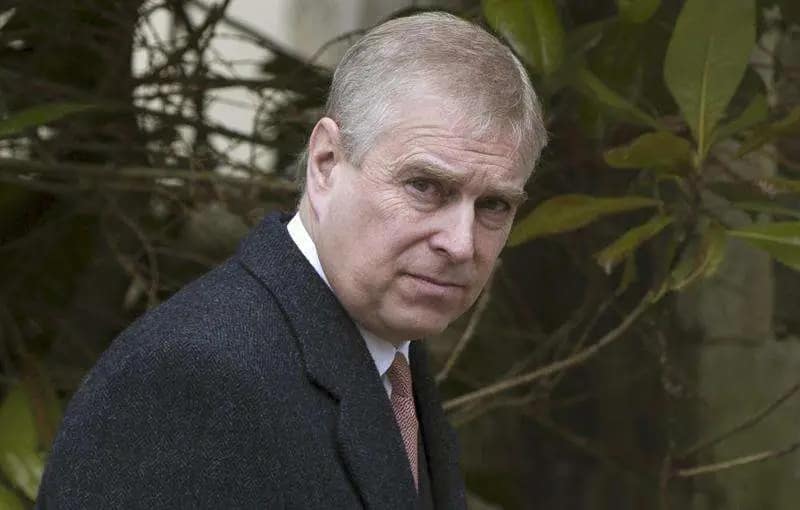
The United Kingdom government announced on Sunday its intention to revoke Prince Andrew’s honorary title of vice-admiral, marking the final step in stripping him of all military ranks. This decision follows King Charles III’s recent removal of Andrew’s remaining royal titles and honors, a move that underscores the monarchy’s response to public outrage over Andrew’s association with convicted sex offender Jeffrey Epstein. Defence Minister John Healey confirmed the government’s actions during an interview with the BBC, stating that the process is being guided by the king. Healey also indicated that discussions are ongoing regarding whether Andrew should forfeit his military medals. Once celebrated for his service as a Royal Navy helicopter pilot during the 1982 Falklands War, Andrew retired in 2001 after 22 years of military service. The latest developments come in the wake of Andrew’s 2022 loss of honorary military titles, which were rescinded by his late mother, Queen Elizabeth II, after he faced a lawsuit from Virginia Giuffre, Epstein’s primary accuser. The ongoing fallout from the Epstein scandal continues to cast a shadow over Andrew’s legacy and the British monarchy.
-
The U.S. military has now carried out at least 15 strikes across the Caribbean and eastern Pacific, killing 64 people
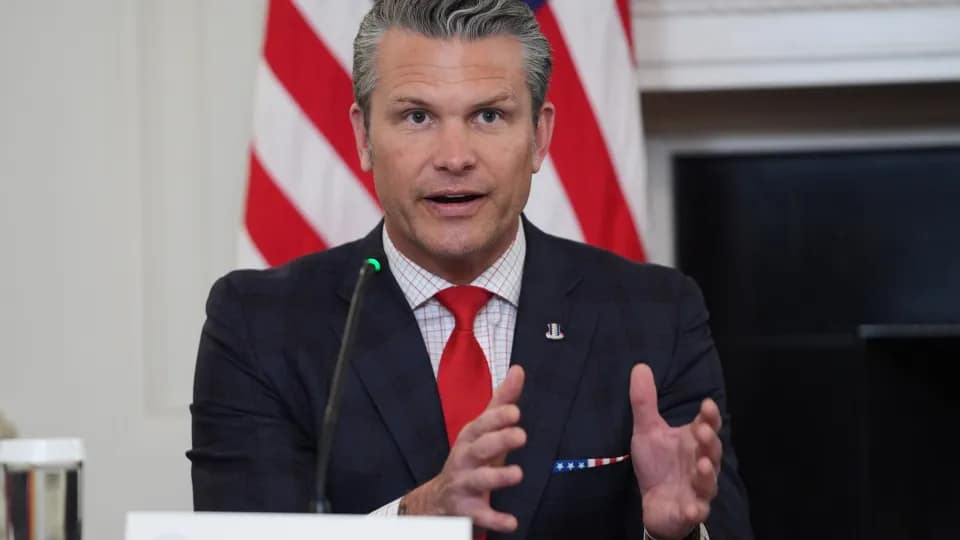
The U.S. military has intensified its campaign against drug smuggling in the Caribbean Sea, executing yet another lethal strike on Saturday, as confirmed by Defense Secretary Pete Hegseth. This marks at least the 15th such operation since early September, targeting vessels allegedly involved in narcotics trafficking. Hegseth emphasized that the targeted vessel was identified through intelligence as part of illicit drug smuggling activities, navigating a known trafficking route while carrying narcotics. To date, these strikes have resulted in the deaths of at least 64 individuals. President Trump has defended these actions as a necessary escalation to curb the flow of drugs into the United States, framing the operations as part of an ‘armed conflict’ with drug cartels. This justification draws parallels to the legal authority invoked by the Bush administration during the post-9/11 war on terrorism. However, the administration faces mounting scrutiny from U.S. lawmakers, who have repeatedly demanded greater transparency regarding the legal basis for the strikes, the specific cartels targeted, and the identities of those killed. Senate Democrats, including Minority Leader Chuck Schumer and Sens. Jack Reed, Jeanne Shaheen, Mark Warner, Chris Coons, Patty Murray, and Brian Schatz, have renewed their call for detailed information in a letter to key officials. They criticized the administration for selectively sharing inconsistent information with some lawmakers while excluding others. Earlier on Friday, bipartisan leaders of the Senate Armed Services Committee also sought clarity on the legal rationale and the list of cartels designated as terrorist organizations. Hegseth, in his announcement, likened the threat posed by ‘narco-terrorists’ to that of Al-Qaeda, vowing to treat them with equal severity.
-
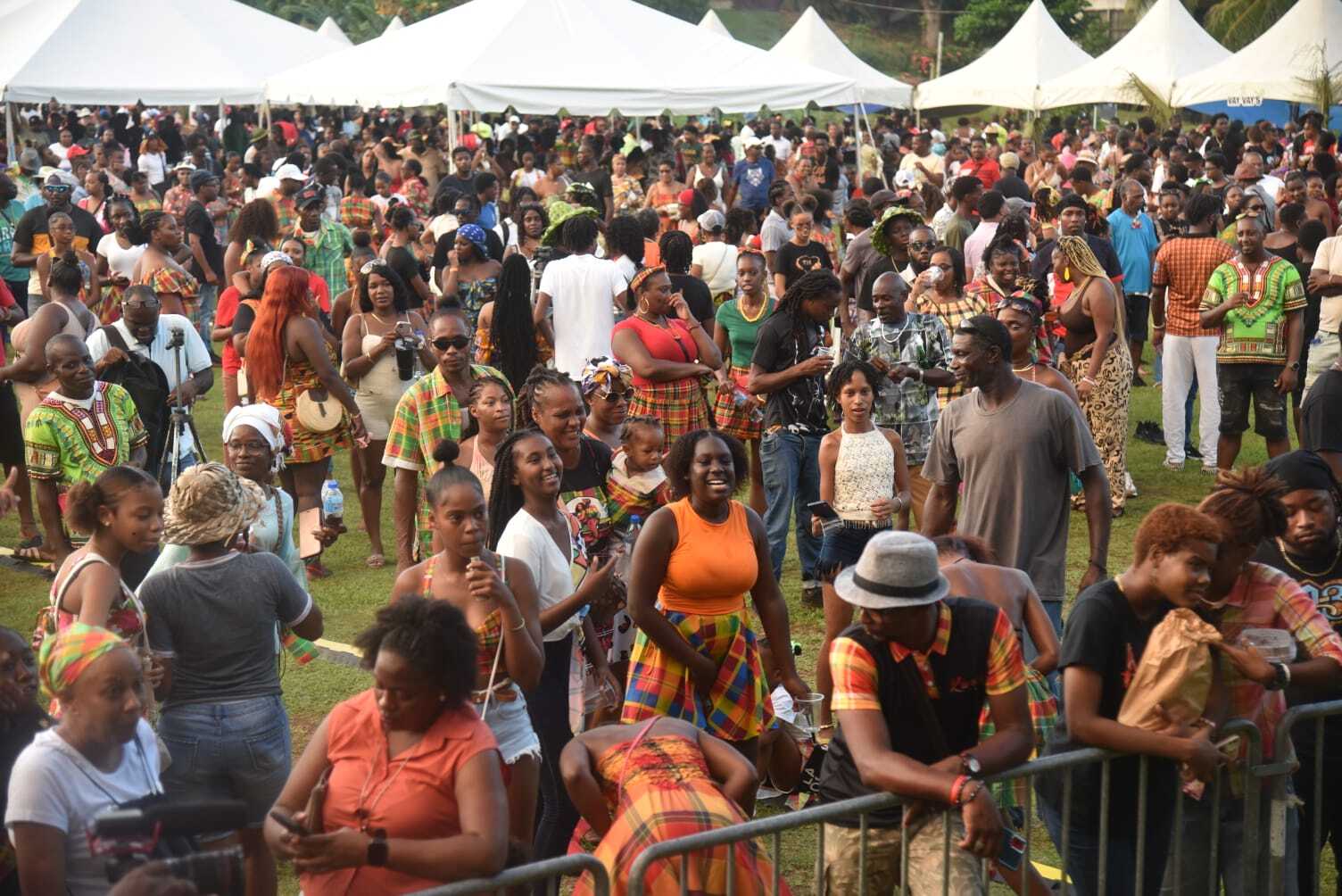
Celebration of Kwéyòl Heritage Month ends on a high
The vibrant sounds of bamboo bursting, traditional Kwéyòl, and Zouk music echoed across Saint Lucia over the weekend, marking the culmination of Kwéyòl Heritage Month. The air was filled with the enticing aromas of local delicacies cooked in earthen pots and over wood fires, as Saint Lucians and visitors alike gathered in various communities, many dressed in traditional Madras attire or shirts adorned with Kwéyòl phrases. This celebration of the island’s native language and culture was a testament to the deep-rooted pride in Saint Lucian heritage. The festivities, held on October 26, featured a lively mix of music, traditional dance, games, and an abundance of food and drinks, bringing the month-long celebrations to a joyous close. The Monsignor Patrick Anthony Plas Wiches Folklo (Folk Research Centre) concluded its major activities on October 28 with “Fèt Lanng Kwéyòl,” an event highlighting the progress of the Kwéyòl language. October 29, celebrated as Jounen Kwéyòl Entennasyonnal, saw major events in communities like Belle Vue, Vieux Fort, and Babonneau, with smaller gatherings across the island. Melchior Henry, Executive Director of the Folk Research Centre, expressed satisfaction with the turnout and participation, noting that Jounen Kwéyòl has become a widely embraced event. He emphasized the cultural focus in host communities, where traditional acts and exhibitions were showcased, contrasting with other locations where the emphasis was more on food and drink sales. The theme ‘Kwéyol Sé Fòs Nou’ (Creole is our strength) resonated throughout the celebrations, with presentations, performances, and a Kwéyòl spelling masterclass by Jason C Joseph. The event also featured contributions from Grenada and Cayenne, adding an international flair. With its success, the festivities are likely to become a permanent fixture in the FRC’s calendar, with plans to expand and enhance next year’s celebrations.
-
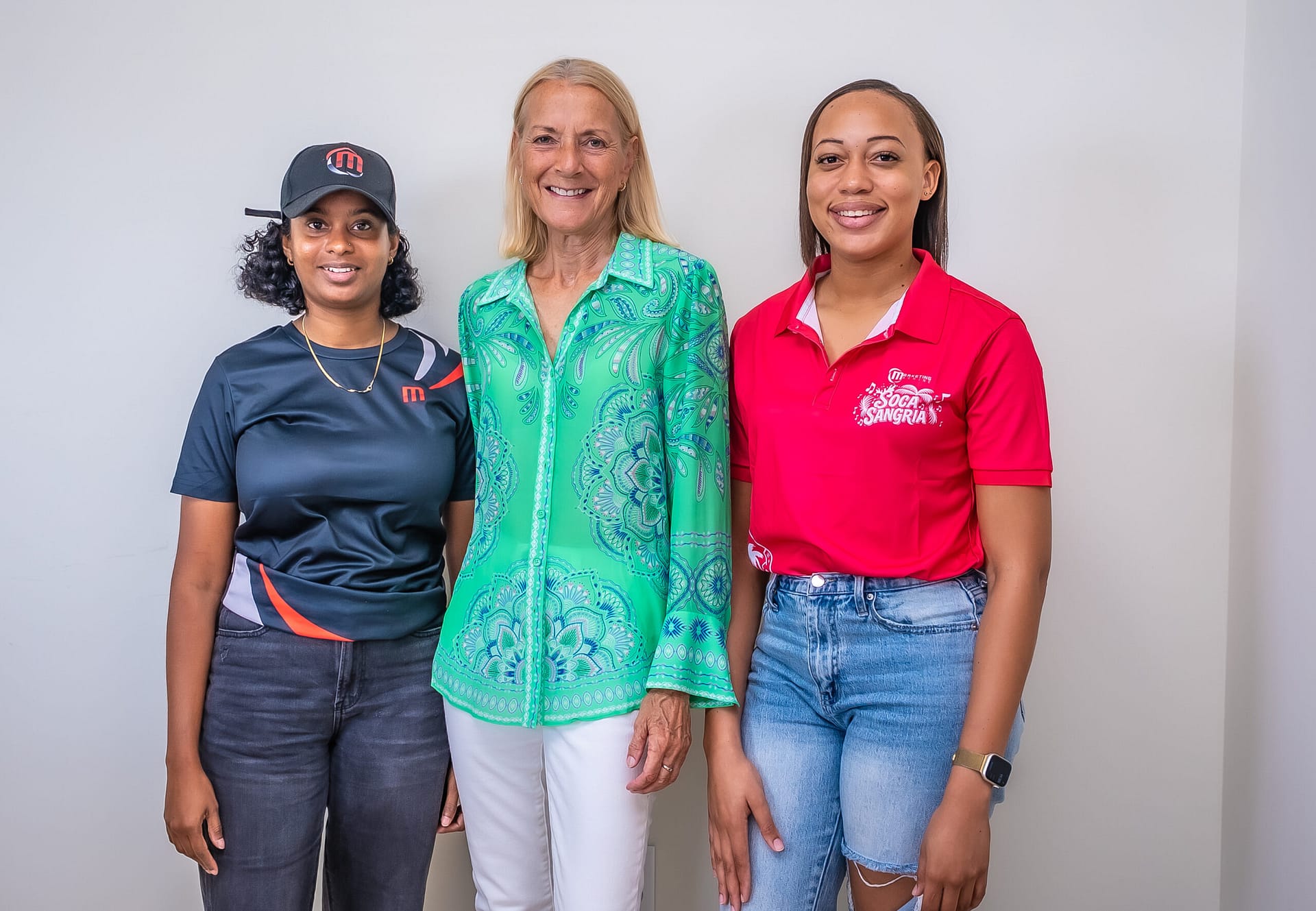
The Marketing Machine Partners with Blue Dragonfly for Charity Raffle at Soca Sangria
Blue Dragonfly, a local charity committed to empowering autistic and differently abled young individuals, is hosting a charity raffle to support its mission of fostering skill development and community integration. The raffle, open to attendees of Soca Sangria and the general public, offers a chance to win an array of enticing prizes while contributing to a noble cause. Highlights of the raffle include a round-trip airfare ticket from Sunrise Airways to destinations like St. Lucia, Antigua, and Dominica; a luxurious spa experience for two at Curtain Bluff featuring a 60-minute couples massage and lunch; a two-night all-inclusive stay at Blue Waters Resort & Spa; dining experiences at renowned establishments such as Rocks Group, Bar None, and NOBU Barbuda, valued up to XCD $500 / USD $300; and exclusive Cricket West Indies memorabilia, including a signed ODI replica shirt by National Hero Sir Vivian Richards. Additional prizes will be unveiled as the raffle draw approaches on November 30th, 2025. All proceeds will directly support Blue Dragonfly’s initiatives to inspire differently abled youth to lead independent and fulfilling lives. Join the cause, purchase a ticket, and make a meaningful impact.
-
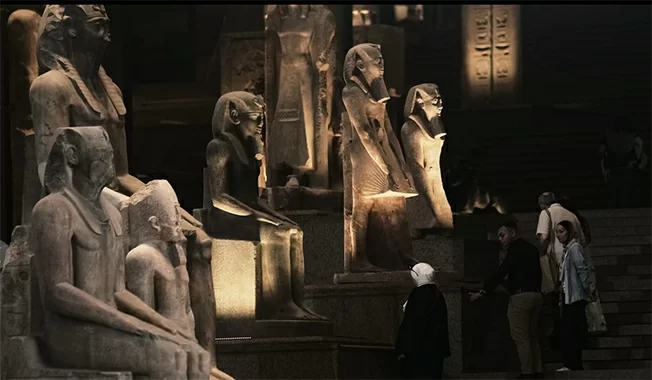
Egypte opent grootste museum ter wereld gewijd aan één beschaving
Egypt has unveiled a monumental cultural achievement that has captured global attention: the Grand Egyptian Museum (GEM) in Giza. Situated on the outskirts of Cairo, near the iconic Giza Pyramids, this colossal complex is the world’s largest museum dedicated entirely to a single civilization – ancient Egypt. The official opening marks a historic milestone in Egypt’s cultural and tourism history, showcasing over 50,000 artifacts, many of which have never been displayed before. The museum aims to revitalize Egypt’s rich heritage and position the country as a global hub for archaeology, culture, and tourism. The GEM, a national prestige project, took over two decades to complete, with construction beginning in 2002 but delayed by political and economic challenges. With an estimated cost exceeding $1 billion, it stands as one of the most significant cultural investments in modern Egyptian history. The Egyptian Ministry of Tourism and Antiquities describes the museum as a ‘symbol of national pride and cultural continuity,’ expected to boost tourism as Egypt recovers from the economic impacts of the COVID-19 pandemic and regional geopolitical unrest. The museum houses the complete collection of Pharaoh Tutankhamun, featuring over 5,000 items, many previously unseen. Highlights include colossal statues, mummies, reliefs, and papyri spanning thousands of years of Egyptian history. A centerpiece is the massive statue of Ramses II, greeting visitors in the grand entrance hall. Designed by Irish firm Heneghan Peng, the building itself is an architectural masterpiece, blending modern design with ancient Egyptian symbolism. Large glass facades offer views of the pyramids, symbolically bridging the past and present. International collaboration, including significant support from Japan’s International Cooperation Agency, UNESCO, and various archaeological institutions, made the museum possible. Egypt envisions the GEM not only as a tourist attraction but also as a research and educational center, equipped with restoration laboratories, climate-controlled storage facilities, and educational spaces for global scholars. Tourism Minister Ahmed Issa emphasized the museum’s role in Egypt’s strategy to ‘use culture as a driver of sustainable development,’ stating, ‘Our heritage is not just a window to the past but a tool to build our future.’ The GEM is expected to serve as a major economic catalyst, with authorities aiming to attract over 15 million foreign visitors annually by 2026, matching pre-pandemic levels. Tourism accounts for approximately 10% of Egypt’s GDP and is a crucial source of foreign currency. The government is heavily promoting the museum internationally as the ‘gateway to Egyptian civilization.’ International analysts view the GEM as a model for leveraging cultural heritage to enhance national branding, with UNESCO noting that ‘Egypt proves history has future value.’ For developing nations in the region and beyond, the message is clear: investing in culture is investing in sustainable development.
-

Police Probe Violent Neighbour Dispute in Jennings Extension
A violent altercation between neighbours in Jennings Extension has prompted a police investigation after one man sustained head injuries. The incident occurred on Thursday afternoon, with officers from the Bolans Police Station responding to reports of a physical confrontation that originated from a verbal argument. According to authorities, the victim was struck in the head with a cutlass and another unidentified object. Emergency Medical Services (EMS) transported the injured man to the Sir Lester Bird Medical Centre, where he received treatment for two head lacerations. Fortunately, his injuries were deemed non-life-threatening. Police have since recovered two cutlasses believed to be linked to the altercation. The investigation remains active as law enforcement works to determine the full circumstances surrounding the dispute.
-
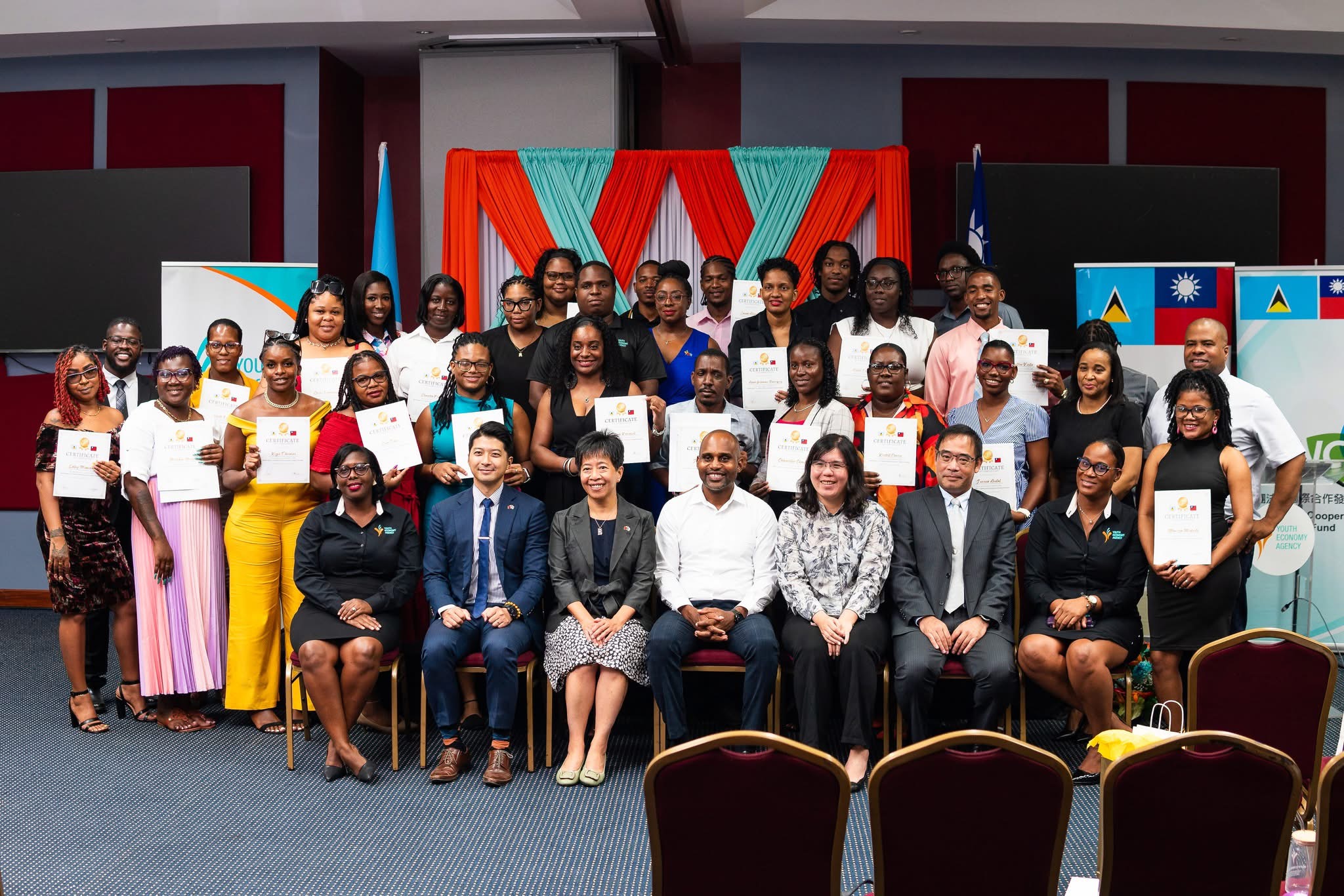
Youth Economy Agency: Shaping the businesspeople of the future
For years, young Saint Lucians faced significant barriers to entrepreneurship, lacking both financial resources and mentorship. However, the establishment of the Youth Economy Agency (YEA) in April 2023 has begun to change this narrative. Under the Youth Economy Act No. 17 of 2022, YEA provides young individuals aged 15 to 35 with access to finance, capacity building, and business support services, addressing critical issues like youth unemployment and low participation in the micro, small, and medium enterprise (MSME) sector.