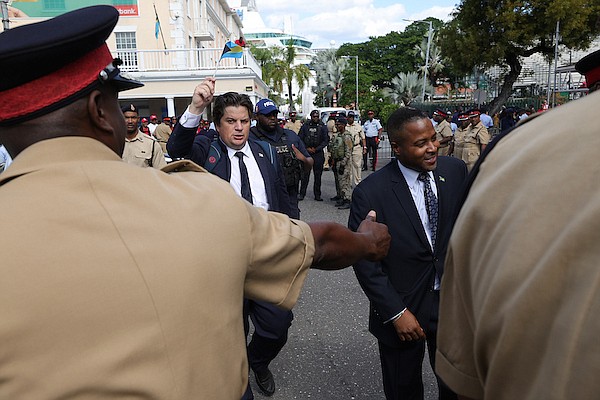
Adrian White, Member of Parliament for St Anne’s, has found himself at the center of controversy following a video that captured him stepping on Progressive Liberal Party (PLP) campaign materials. Despite facing significant backlash, White remains unapologetic, asserting that he would repeat his actions if given the chance. The incident has sparked heated debates, with White claiming he was subjected to racial attacks from PLP supporters, including prominent figures such as Cindy Patrice Daxon and Dave Major. White dismissed accusations that his behavior was unbecoming of a sitting MP, stating, “I have no reason to apologise for being Bahamian.” He further criticized the PLP, accusing them of having “wiped their feet on this country.” The video, which shows White stepping on a PLP poster and brushing off his feet, drew sharp criticism from PLP aspirant Keno Wong, who labeled the act as “childish” and urged voters to reject White in the upcoming elections. This is not the first time White has faced public scrutiny. Previously, he was criticized for suggesting that only Free National Movement (FNM) voters are “sensible,” a remark he later clarified, stating he never intended to insult anyone.
作者: admin
-

Repair Campaign founder urges UK to increase support for Jamaica in wake of Hurricane Melissa
Denis O’Brien, the founder of The Repair Campaign, a movement advocating for reparatory justice in the Caribbean, has urged the UK Government to significantly increase its support for Jamaica following the devastation caused by Hurricane Melissa. In a media release on Thursday, O’Brien highlighted the historical exploitation of Jamaica by the UK, emphasizing the lasting impact of colonialism on the island’s vulnerability to extreme weather events. He stated, ‘The UK extracted billions of pounds’ worth of wealth from Jamaica over centuries, exploiting enslaved people and the country’s natural resources. Colonialism has left Jamaica’s environment severely compromised, making it more susceptible to disasters like Hurricane Melissa.’ O’Brien pointed out that the Jamaican government estimates the cost of recovery at approximately £5 billion, while the UK has pledged only £7.5 million so far. He described this amount as ‘simply not good enough’ and called for urgent action to address both the immediate humanitarian crisis and long-term rebuilding efforts. While acknowledging the efforts of British High Commissioner Alicia Herbert and her team in mobilizing support, O’Brien stressed that the UK must commit to reparatory justice to enhance the Caribbean’s climate resilience. ‘Extreme weather events are becoming more frequent, and the countries least responsible for the climate crisis are bearing the brunt of its effects. Reparatory justice is essential for Jamaica and the wider Caribbean to build resilience for future generations. The UK must act now,’ he declared.
-
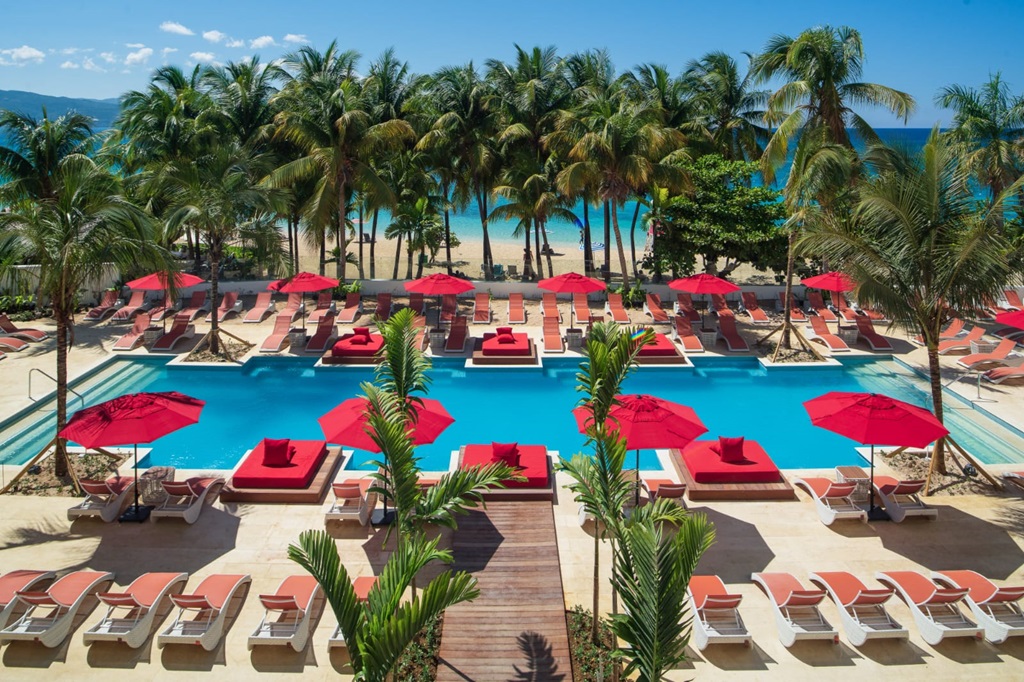
S Hotel Montego Bay cops award for excellence from Condé Nast Johansens
In a heartening development for Jamaica’s tourism sector, S Hotel Montego Bay has been honored as the Best Hotel for Romance in North, Central, and South America at the 2026 Condé Nast Johansens Awards for Excellence. The announcement, made this week in London, holds special significance as Jamaica continues to recover from the aftermath of Hurricane Melissa. The hotel’s resilience during the storm and its unwavering commitment to guest safety and care have been widely praised. Despite the challenges faced by the nation, S Hotel Montego Bay emerged virtually unscathed, earning admiration from its guests. Anne-Marie Goffe-Pryce, the hotel’s general manager, expressed both pride and humility in accepting the award, dedicating the recognition to the people of Jamaica for their strength and spirit. The Condé Nast Johansens Awards, an annual celebration of excellence in hospitality, highlight establishments that consistently deliver exceptional quality and service. Goffe-Pryce emphasized that this accolade reaffirms Jamaica’s reputation as a premier destination for romance, wellness, and hospitality. As the country rebuilds and prepares for the winter tourist season, S Hotel Montego Bay stands as a testament to Jamaica’s resilience, warmth, and enduring beauty.
-
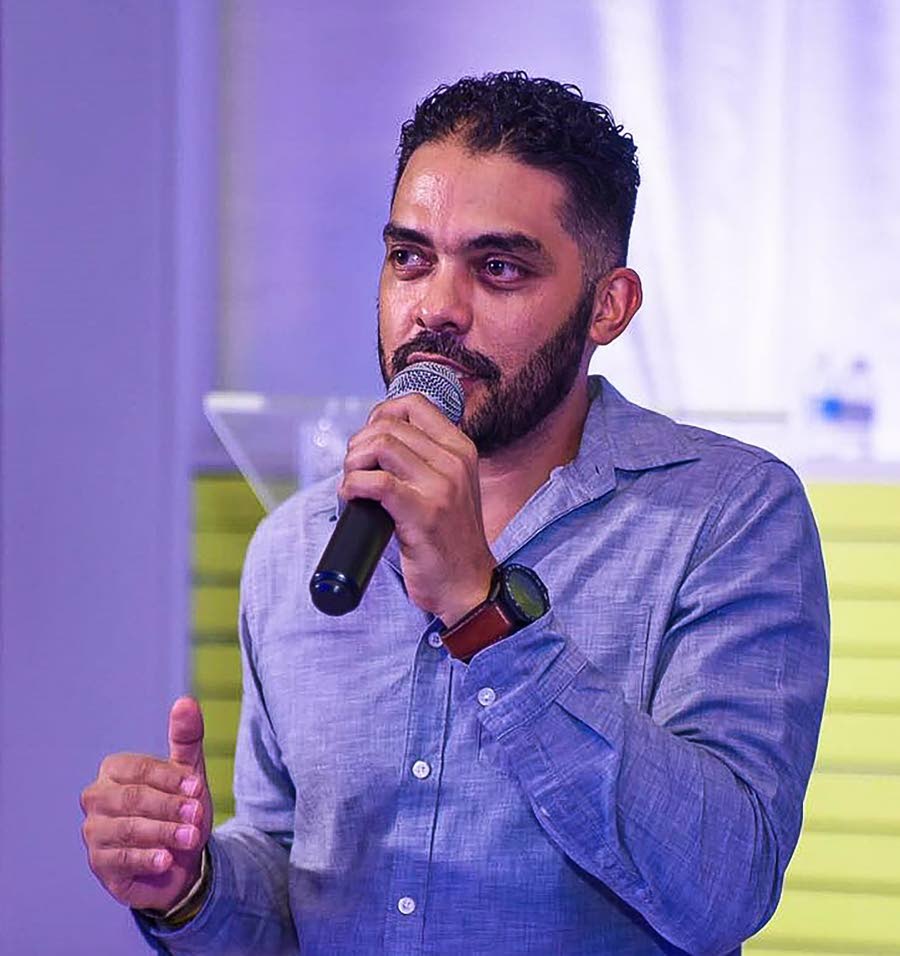
‘Don’t let it cripple you’: Montego Bay Chamber President calls for business revival post-Melissa
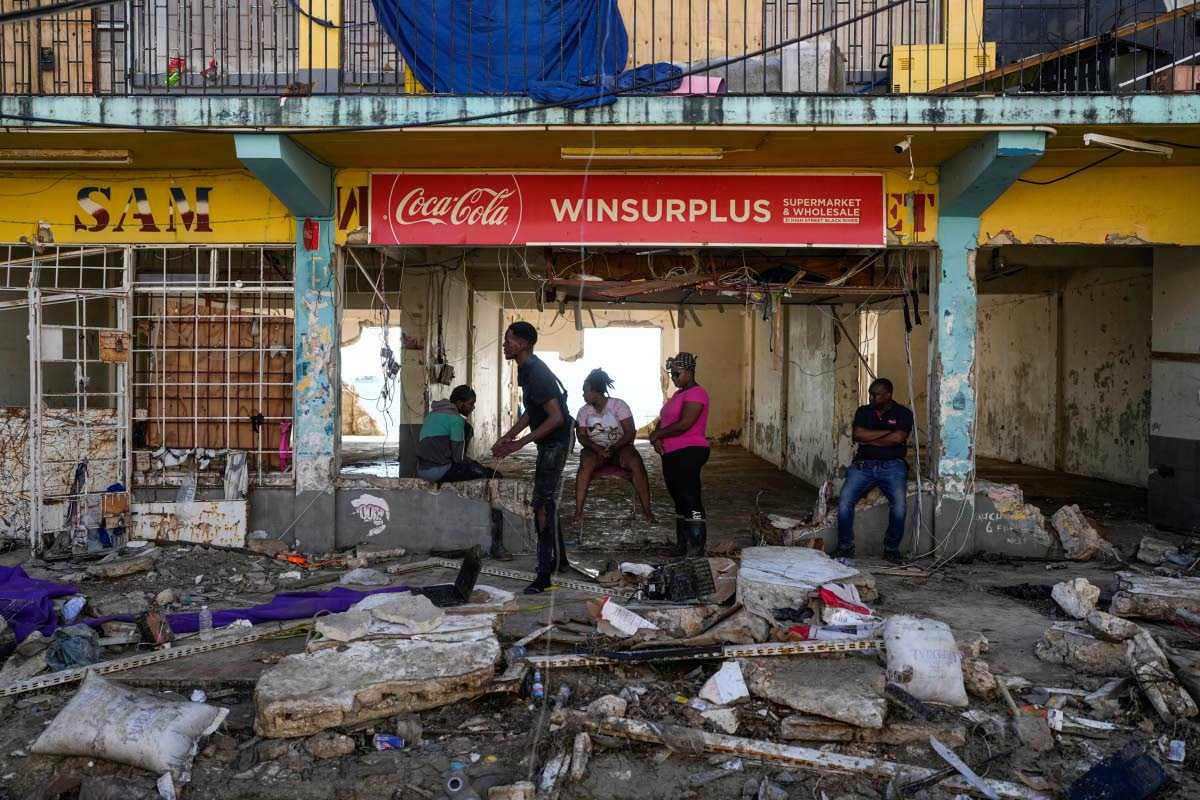
In the aftermath of Hurricane Melissa, Jason Russell, president of the Montego Bay Chamber of Commerce and operator of Pier 1, has called for a collective shift in focus from destruction to recovery and resilience. Speaking from beneath one of the few surviving palm trees at Pier 1, Russell emphasized the need for unity and action in the face of devastation. ‘We see the destruction… but I can’t dwell on all that has happened. We have to dwell on the recovery,’ he stated. Russell urged business owners to reopen where possible, restart operations, and assist their staff in returning to work. ‘Don’t let it cripple you. We’ve lost roofs, pets, cars, material things… but there’s a lot of hope. Recovery starts with us,’ he added. Pier 1 has already reopened with curbside service, providing meals and support as Montego Bay embarks on its rebuilding journey. ‘Let’s go, Mobay. Let’s lift and rise,’ Russell encouraged. Hurricane Melissa, a Category 5 storm with winds reaching 185 mph, made landfall in southwestern Jamaica last Tuesday, resulting in over 30 fatalities and leaving nearly 80% of Jamaica Public Service (JPS) customers without power. Preliminary damage estimates range between US$6 billion and US$7 billion. Prime Minister Andrew Holness noted that the storm severely impacted Jamaica’s productive belt, particularly the breadbasket parish of St Elizabeth, and disrupted the tourism corridor spanning from Westmoreland through St James, Trelawny, and St Ann. The hurricane caused extensive damage to housing, community infrastructure, commercial operations, and public utilities across multiple parishes.
-

Camels replace cows as Kenya battles drought
In the arid landscapes of northern Kenya, where rain has been absent since April, the Samburu community is turning to an unlikely savior: camels. Chapan Lolpusike, a herder from the semi-nomadic Samburu tribe, recalls the devastating impact of the worst drought in four decades, which wiped out his cattle. ‘We no longer have cattle at home. We only raise camels,’ he said, highlighting a significant shift in livelihood strategies. Camels, known for their resilience, can graze on dry grasses, endure weeks without water, and produce up to six times more milk than cattle, making them indispensable in this climate-vulnerable region.
-

The alarming upsurge in noise pollution offences
In recent months, Trinidad and Tobago (TT) has witnessed a troubling surge in noise pollution, with residents enduring sleepless nights, distressed pets, and deteriorating mental and physical health. Despite existing regulations under the Environmental Management Act and the Noise Pollution Control Rules of 2001, enforcement remains alarmingly inadequate. Offenders, ranging from bars and vehicles to roadside events, continue to operate with impunity, often violating permissible decibel limits without facing consequences. The situation has escalated to tragic levels, as evidenced by the recent death of three-year-old Kemani Gordon, whose parents claim incessant fireworks explosions caused the infant’s distress. Despite repeated calls to law enforcement, no action was taken. This incident echoes the 2015 case of Sudama Saroop, who was jailed for five years after confronting a neighbor over loud music that disturbed his baby. Citizens Against Noise Pollution in TT (CANPTT) reports widespread complaints, with residents citing elevated blood pressure and other health issues due to relentless noise. Despite clear legal provisions under the Summary Offences Act, both the Environmental Management Authority (EMA) and the police have failed to address the issue effectively, often passing responsibility between agencies. CANPTT is advocating for legislative reform, including stiffer penalties for repeat offenders, mandatory closure of non-compliant establishments, and the provision of sound-level meters to police divisions. Additionally, public education campaigns are urgently needed to raise awareness about the harmful effects of noise pollution and the legal responsibilities of citizens and business owners.
-
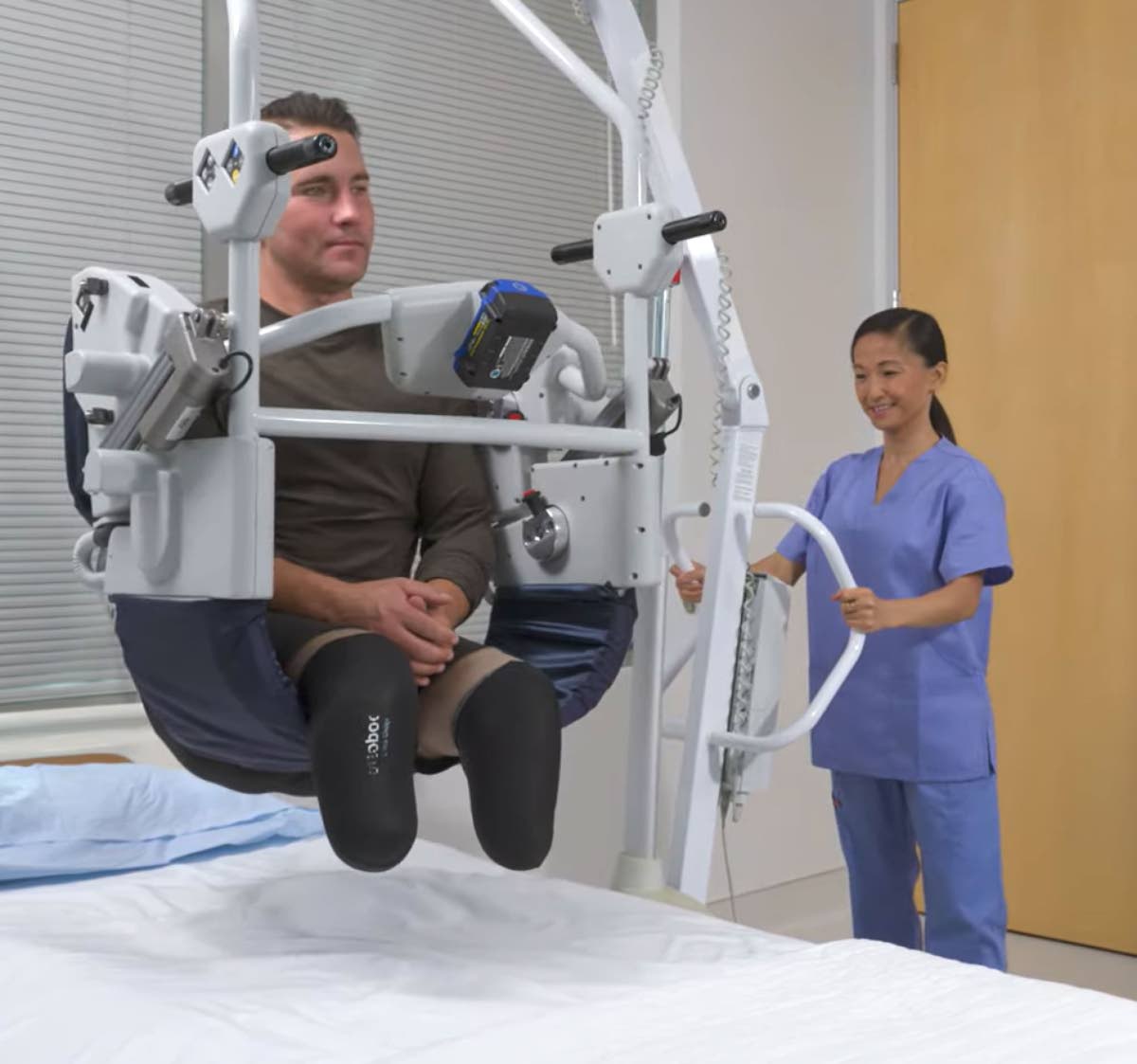
The business of dignity
As individuals age or face mobility challenges due to illness or injury, the ability to perform basic tasks like getting out of bed or moving to a wheelchair becomes increasingly difficult. Recognizing this universal need for dignity and independence, Neala Persad, Director of Sales and Administration at Access Mobility MedCare, has dedicated her career to providing innovative home accessibility solutions. One such groundbreaking product is the UpLyft, a self-transfer system designed to enhance the quality of life for those with limited mobility. Launched in Trinidad and Tobago on October 8 at the Kapok Hotel, the UpLyft represents more than just a business venture—it’s a mission to restore dignity and independence to individuals facing physical challenges. The UpLyft, constructed with high-carbon steel and an electromechanical screw drive system, can safely transfer individuals weighing up to 330 pounds (136 kg) from a supine position to a wheelchair without the need for nursing assistance. Its user-friendly design allows individuals to operate the system independently, further promoting autonomy. While initially designed for medical facilities, the UpLyft is also available for home use, with leasing options starting at $750 per month. Access Mobility MedCare, headquartered in Canada, has expanded its operations to Trinidad and Tobago, driven by Persad’s passion and strong alliances within the medical community. The company’s broader portfolio includes bathroom modifications, ramps, stair lifts, and porch lifts, positioning it as a leader in mobility solutions. Persad emphasizes the importance of planning for ageing and mobility challenges, advocating for mental health support and strong community networks to complement physical accessibility solutions. The UpLyft is not just a product; it’s a testament to the belief that everyone deserves to live with dignity and independence, regardless of their physical limitations.
-

Shaping a sustainable bioeconomy for Caricom
The Caribbean’s economic narrative has long been shaped by its exports—oil, gas, tourism, and rum. However, the region’s future prosperity hinges on empowering its women, innovators, and small enterprises. This was the central message delivered by Vashti Guyadeen, CEO of the TT Chamber of Industry and Commerce and President of Caribbean Women in Trade (CWIT), at the Caribbean Women in Trade conference in Saint Lucia.
-

Positioning Trinidad and Tobago for the AI economy
As the global economy increasingly relies on cutting-edge technologies like artificial intelligence (AI) and robotics, Trinidad and Tobago (TT) faces a critical question: Is the nation prepared to seize the opportunities these innovations present? The answer, unfortunately, is far from reassuring. Recent data paints a troubling picture of TT’s declining performance in global innovation benchmarks. On the 2024 Global Innovation Index, TT ranked 108th, a significant drop from its peak at 68th in 2008. Similarly, the UNCTAD Frontier Technology Readiness Index shows TT slipping to 86th in 2025, down from 75th in 2021. These rankings highlight systemic weaknesses in industrial capacity and research and development (R&D), with TT scoring 122nd and 130th globally in these areas, respectively. The nation’s R&D expenditure remains below 0.5% of GDP, and patent filings are alarmingly low, averaging just one per year. Despite these challenges, there are glimmers of hope. Ramps Logistics’ AI-driven solution, MAWI, is revolutionizing customs brokerage and generating foreign exchange, while Carib Brewery’s $200 million smart manufacturing initiative marks a bold step toward industrial modernization. These successes underscore the potential for TT to tap into the $2.5 trillion global frontier technology market, projected to grow to $16.4 trillion by 2033. To bridge the innovation gap, TT must prioritize R&D and industrial capacity, strengthen governance frameworks, and support SMEs in adopting advanced technologies. The urgency of these reforms cannot be overstated, as failure to act risks leaving TT behind in the rapidly evolving global economy.
-
TTDRM 2026: Climate risk to regional readiness
As climate risks escalate globally, Trinidad and Tobago (TT) is spearheading a regional initiative to combat these challenges. The TT Disaster Risk Management Conference and Expo (TTDRM), themed ‘Resilience 360: Bridging Knowledge and Action,’ is set to take place from June 1-3, 2026. Organized by PODS Emergency Management Consultancy & Solutions, this event aims to transform climate warnings into actionable resilience strategies, fostering multi-stakeholder collaboration to bolster national preparedness. The conference builds on the success of TTDRM 2024, which emphasized a ‘whole-of-society’ approach, uniting government agencies, NGOs, private sector leaders, academics, and community stakeholders. TTDRM 2026 will focus on systemic risk, advocating for a shift from isolated hazard management to understanding interconnected risks. Drawing lessons from past disasters like Hurricane Flora in 1963, the event will address gaps in disaster risk reduction, particularly for SMEs and vulnerable populations. The conference will feature international and regional experts, including renowned meteorologist Brian Shields, and showcase innovative emergency management products. PODS Managing Director Stacey-Ann Pi Osoria has called for government representation at TTDRM 2026, stressing the need for political will to drive effective disaster risk management policies. TTDRM stands as a platform where local innovation meets regional readiness, ensuring communities are active participants in building resilience.