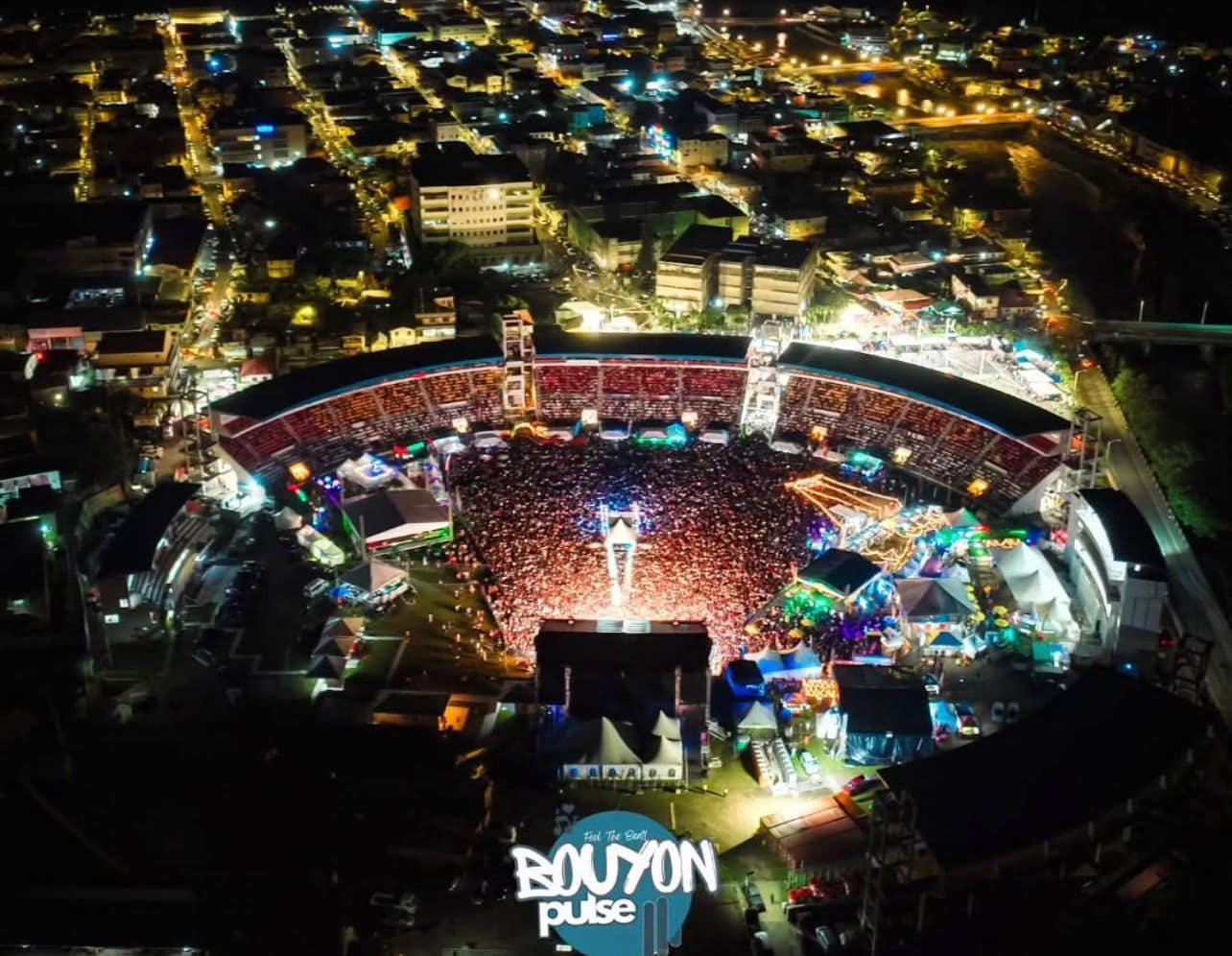
The 25th edition of Dominica’s World Creole Music Festival has concluded, marking a significant milestone in the island nation’s cultural and tourism landscape. Held annually, this vibrant event celebrates the rich Creole heritage through music, dance, and art, attracting both local and international audiences. This year’s festival, which took place from October 27 to 29, featured a diverse lineup of artists performing genres such as zouk, reggae, and bouyon, showcasing the unique fusion of African, French, and Caribbean influences. The festival not only serves as a platform for cultural expression but also bolsters Dominica’s tourism industry, drawing visitors from across the globe. Prime Minister Roosevelt Skerrit emphasized the festival’s role in promoting national pride and economic growth, highlighting its contribution to the island’s recovery post-Hurricane Maria. The event’s success underscores Dominica’s resilience and its commitment to preserving and sharing its cultural identity with the world.
作者: admin
-

Exercise outside for better health
Outdoor exercise stands as one of the most beneficial activities for both physical and mental well-being. Across neighborhoods in St Philip, Barbados, and Trinidad, residents are seen embracing the morning sun with walks, chats, and even refreshing dips in the sea. Some start as early as 4 a.m., undeterred by weather or darkness, driven by the undeniable benefits of outdoor activity.
-

Your Weekend Menu: Barbados Food & Rum Festival
Barbados is gearing up for one of its most cherished annual events, the Barbados Food and Rum Festival, a vibrant celebration of culinary excellence and cultural heritage. From Thursday to Sunday, the island transforms into a hub of gastronomic delight, where the aroma of grilled seafood mingles with the salty sea breeze, and every meal feels like a heartfelt reunion. The festival kicks off on Thursday in Oistins, the island’s iconic fishing village, with ‘Oistins Under the Stars.’ This opening event sets the tone with fire-grilled seafood, lively music, and the unmistakable buzz of a traditional Bajan Friday night. It’s a casual yet authentic dining experience that underscores the island’s ethos: great food is best enjoyed with great company. By Friday, the festivities spread across the island. Speightstown, Bridgetown, and Pile Bay become open-air kitchens for the International Chef Demos, where local and international chefs showcase their skills, blending Bajan ingredients with global influences. Later, Queen’s Park hosts the Community Cook-Off Finals, a friendly culinary competition that feels like a mix of a family picnic and a carnival. The evening’s highlight is the Rum Route South, a guided tour that combines distillery visits with cocktails, music, and camaraderie. Saturday begins with ‘Rise & Rum: The Breakfast Beach Party’ at Copacabana, where attendees can watch the sunrise with a rum cocktail in hand and a plate of saltfish and bakes. The Rum Route North continues the day with a scenic journey through the countryside, punctuated by rum tastings and hidden gems. The festival concludes on Sunday with the Liquid Gold Feast at CARIFESTA House, an elegant tribute to Barbados’ rum heritage. Each course is paired with local rums, encapsulating the festival’s essence: pride, craftsmanship, and community.
-
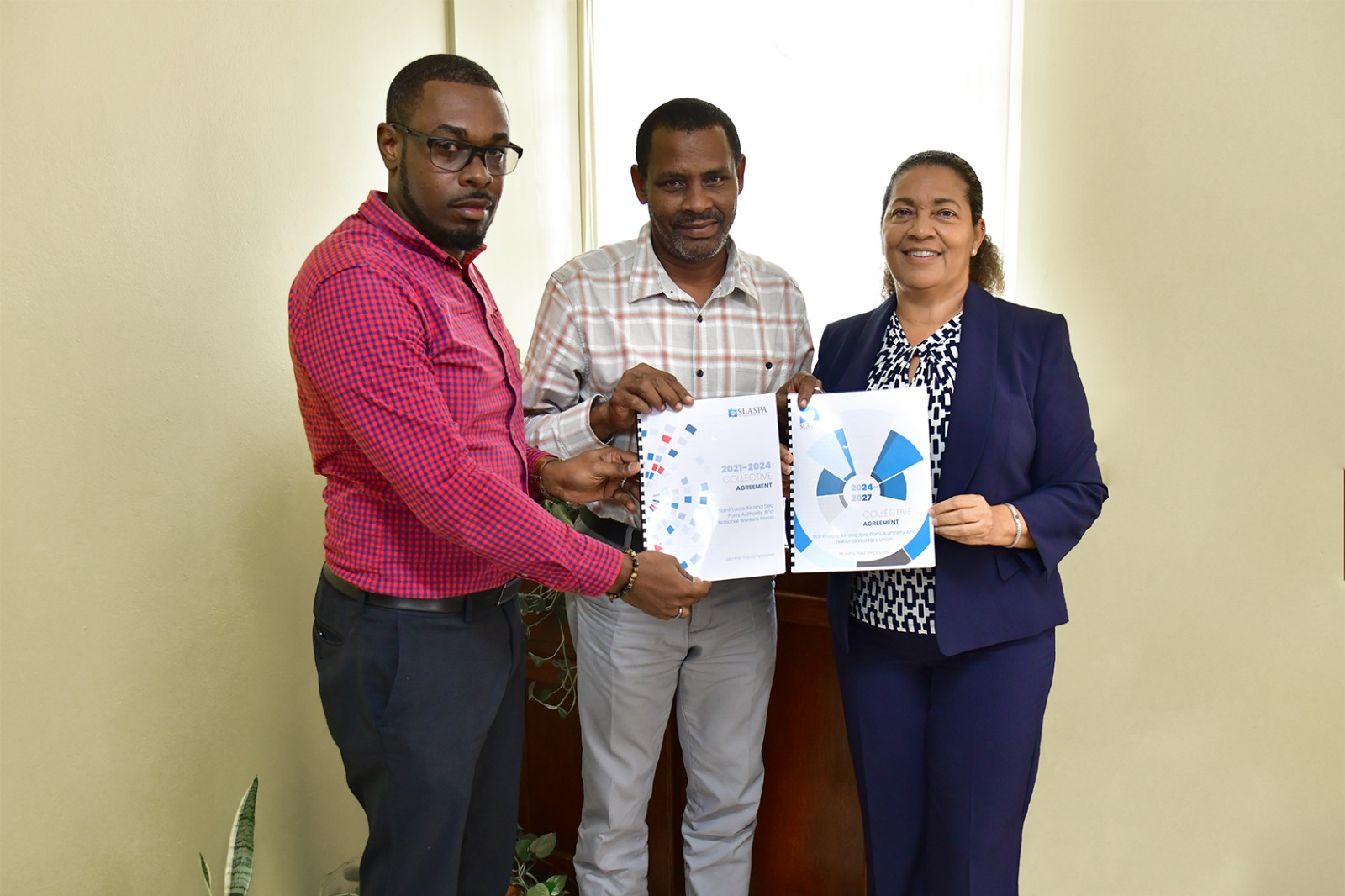
SLASPA workers secure 14% pay hike across two new deals
Employees of the Saint Lucia Air and Sea Ports Authority (SLASPA) are set to receive a significant 14% cumulative wage increase over six years, following the successful signing of two consecutive collective agreements with the National Workers’ Union (NWU). The agreements, spanning April 2021 to March 2024 and April 2024 to March 2027, each provide a structured 7% pay rise over their respective three-year periods. The phased increases are as follows: 2.0% from April 2021, 2.5% from April 2022, and 2.5% from April 2023 under the first agreement; and 2.0% from April 2024, 2.5% from April 2025, and 2.5% from April 2026 under the second. The signing ceremony, held on October 16, 2025, at the Labour Commissioner’s office, was hailed as a ‘historic achievement’ by SLASPA General Manager Daren Cenac, who commended the professionalism and cooperation of both negotiation teams. The agreements underscore SLASPA’s dedication to employee welfare, offering enhanced training, career development, workplace safety, and healthcare support. Grace Parkinson, SLASPA’s Chief Strategy and Business Development Officer, emphasized the workforce’s central role in the organization’s success, while NWU Secretary General Johann Harewood praised the collaborative spirit of the negotiations. Both parties also acknowledged the support of Labour Commissioner Joseph Joseph. The agreements are expected to boost employee morale and align with SLASPA’s strategic objectives in advancing Saint Lucia’s maritime and aviation sectors.
-

4 sets of responses to Trump’s request
In a recent development, former U.S. President Donald Trump’s proposal to deploy military assets in Grenada has sparked a heated debate, revealing four distinct perspectives within the region. These ‘camps’ reflect varying degrees of support, skepticism, and outright opposition to the initiative, each rooted in different moral, strategic, and practical considerations. Ian Baptiste, a keen observer of the situation, has categorized these responses to provide a clearer understanding of the ongoing discourse. The first camp, labeled ‘Absolutely Yes,’ comprises individuals who fully endorse Trump’s narrative that Venezuela is a narco-state necessitating military intervention. Trinidad and Tobago’s Prime Minister Kamla Persad-Bissessar is a prominent advocate of this stance. However, critics argue that this position lacks credibility, as there is no concrete evidence to support the claim that Venezuela is a narco-state, nor has it been demonstrated that non-violent alternatives have been exhausted. The second camp, ‘We Don’t Have a Choice,’ reflects a pragmatic approach. Members of this group believe that Grenada, given the overwhelming power of the U.S., has no viable option but to comply. They suggest leveraging the situation to secure economic benefits, such as reduced tariffs or improved visa access. However, this stance is criticized for sidestepping moral concerns, including the betrayal of Venezuela and potential regional security risks. The third camp, ‘We Don’t Have the Infrastructure,’ takes a more nuanced position. While acknowledging the ulterior motives behind Trump’s request, such as control over Venezuela’s resources, they argue that outright refusal is unwise. Instead, they propose citing a lack of technical capability as a diplomatic way to decline. Critics, however, warn that this approach could backfire, as the U.S. might easily provide the necessary infrastructure. The fourth camp, ‘Absolutely No,’ represents a moral stand. Members of this group, including Baptiste himself, view the issue as a matter of principle rather than practicality. They argue that acquiescing to Trump’s request would betray fundamental values such as sovereignty, peacemaking, and loyalty to allies. Despite potential economic repercussions, they advocate for standing firm on these principles. This multifaceted debate underscores the complex interplay of power, morality, and strategy in international relations, as Grenada navigates a challenging geopolitical landscape.
-

Antigua and Barbuda Wins ‘Best Stand Design’ at World Travel Market London
The Antigua and Barbuda Tourism Authority has achieved a significant milestone by securing the Best Stand Design award at the renowned World Travel Market (WTM) London, a premier global event for the travel and tourism industry. This prestigious accolade was conferred by the Caribbean Tourism Organization, which lauded the Antigua and Barbuda exhibit for its eco-friendly construction, vibrant Caribbean aesthetics, and the showcase of breathtaking artworks by local talents. These elements collectively embodied the creative essence and cultural spirit of the twin-island nation. Colin James, CEO of the Tourism Authority, accepted the award on behalf of the delegation, which comprised tourism officials and industry partners dedicated to promoting the destination’s unique offerings to international buyers and media representatives. This recognition serves as a substantial boost to Antigua and Barbuda’s tourism branding initiatives, further solidifying its status as a leading Caribbean destination celebrated for its innovation, rich culture, and unparalleled hospitality.
-
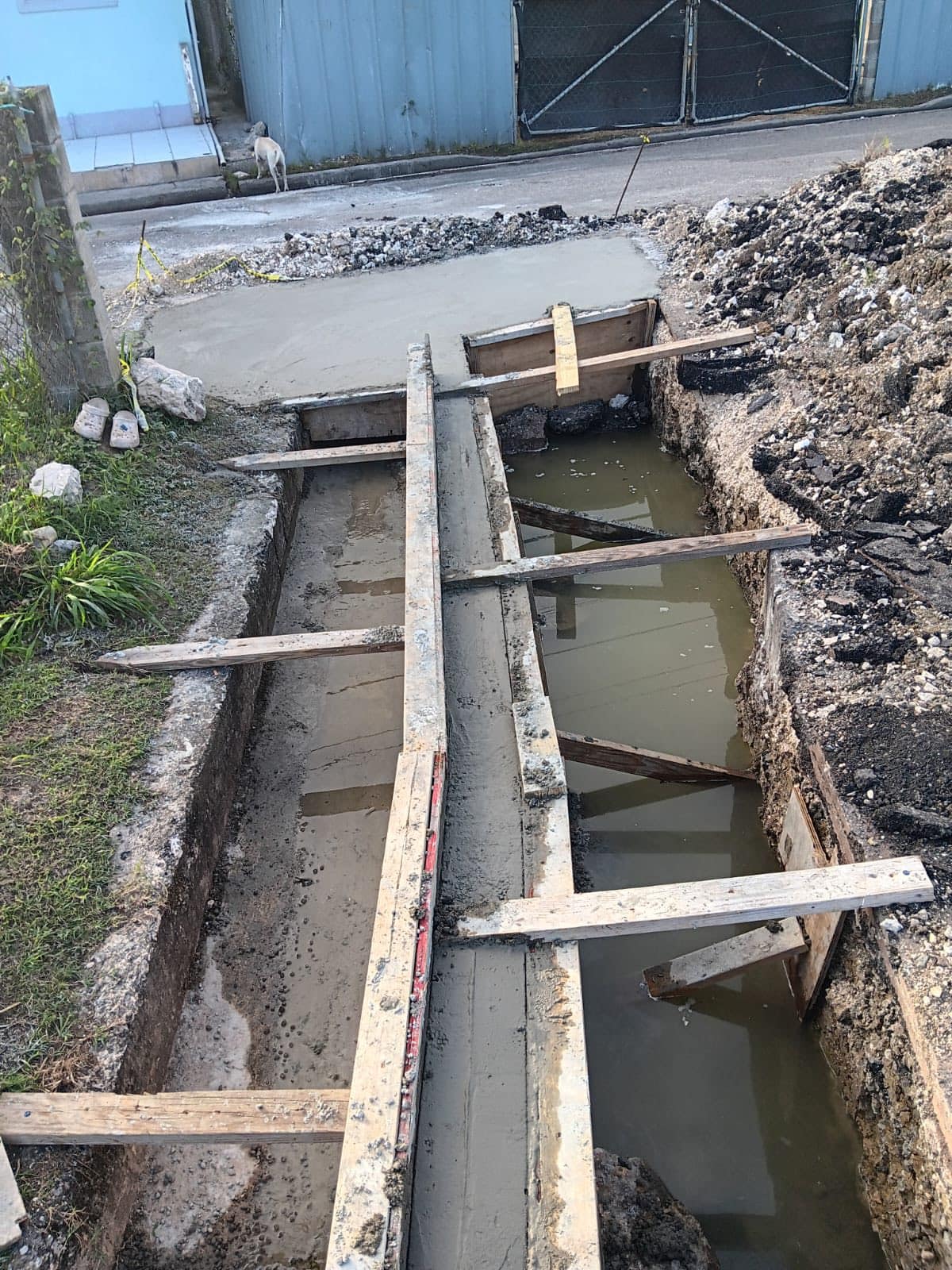
PHOTOS: Curb and Drain Upgrades Advance in Lower Ottos
In a significant push toward community development, ongoing construction projects in Lower Ottos are focused on upgrading the area’s drainage systems, strengthening infrastructure resilience, and improving overall safety for residents. These initiatives are part of a broader strategy to address long-standing challenges and create a more sustainable and secure living environment. By improving drainage, the projects aim to mitigate flooding risks, which have historically posed significant threats during heavy rainfall. Additionally, the enhancements to infrastructure are designed to withstand future environmental stresses, ensuring long-term durability. The safety improvements are expected to benefit both pedestrians and motorists, fostering a safer and more connected community. Local authorities have emphasized that these efforts reflect their commitment to fostering growth and improving quality of life in Lower Ottos.
-
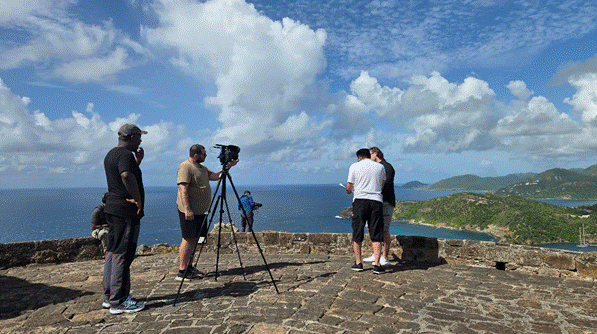
Canadian TV production team films docuseries in Antigua and Barbuda
In a collaborative effort to showcase the rich heritage and vibrant community spirit of Antigua and Barbuda, Canadian television production company Global Heroes Productions, supported by the Antigua and Barbuda Tourism Authority’s (ABTA) Canada office, recently completed filming a multi-episode docuseries titled ‘The Good Trek with Alex Kopacz.’ Over the course of 10 days, the production team immersed themselves in the island’s authentic beauty, history, and culture, capturing compelling stories of residents dedicated to fostering stronger communities. Tameka Wharton, Director of Tourism for Canada, expressed enthusiasm for the project, stating, ‘We were delighted to host Global Heroes Productions and share the unique narratives and people that make Antigua and Barbuda truly special. This partnership enables us to connect with an audience that values genuine experiences and sustainable practices.’ The docuseries aligns with the growing trend of meaningful travel, encouraging viewers to explore destinations beyond conventional attractions and engage with initiatives that support social and environmental sustainability. During their stay, the crew visited iconic locations such as the Antigua Naval Dockyard UNESCO World Heritage Site and documented the island’s Independence celebrations, including the National Awards Ceremony, parade, and food fair. The project also provided an invaluable learning opportunity for a local aspiring filmmaker, who shadowed the crew to gain hands-on experience. Hosted by Canadian Olympic gold medalist and public speaker Alexander Kopacz, the series features interviews with diverse groups, including Team Antigua Island Girls, fishermen, market vendors, and the Ras Freeman community. Additionally, the episodes highlight impactful programs like The National Sailing Academy’s Sailability initiative and the Elkhorn Marine Conservancy’s efforts to restore the islands’ ecosystems. Amir Shirazi, President of Global Heroes Productions, emphasized the series’ mission, stating, ‘With the support of ABTA, we aimed to showcase the heart and soul of Antigua and Barbuda, spotlighting individuals and organizations tackling their communities’ greatest challenges. We discovered a narrative of resilience and a profound commitment to preserving natural and cultural heritage, which perfectly embodies the spirit of ‘The Good Trek.” As a cornerstone of Global Heroes’ programming, ‘The Good Trek’ is dedicated to exploring diverse cultures, savoring local cuisines, and celebrating those driving positive change. The Antigua and Barbuda-focused episodes are set to air in Canada and globally, offering viewers an inspiring glimpse into the islands’ unique charm and transformative initiatives.
-

Antigua and Barbuda Students in Jamaica Thank Prime Minister Browne for Support During Hurricane Melissa
The Antigua and Barbuda Student Association Jamaica (ABSAJ) has extended profound gratitude to Prime Minister Gaston Browne and his administration for their prompt and decisive actions during the onslaught of Hurricane Melissa. In a heartfelt letter dated November 1, 2025, ABSAJ President Jewel Moore praised the government’s “swift and thoughtful intervention,” which ensured the safety and comfort of students by arranging accommodations at the Pegasus Hotel amidst the storm’s fury. Moore highlighted that the government’s efforts provided a sanctuary “during an extremely challenging time,” underscoring their commitment to student welfare. Additionally, the association expressed appreciation for the government’s coordination with LIAT to explore evacuation options, should conditions in Jamaica have deteriorated. Although the evacuation plan was not ultimately required, Moore emphasized the significance of the gesture, stating, “We truly appreciate the efforts made to provide us transportation away from impending danger when our safety was not guaranteed.” The letter further lauded the government’s actions as a reflection of “the very best of our nation’s values,” noting Prime Minister Browne’s dedication to the well-being of Antigua and Barbuda’s youth studying abroad. Moore concluded by expressing sincere gratitude for the government’s unwavering support, stating, “Your actions have not only safeguarded us physically but have strengthened our sense of pride and connection to our beloved nation Antigua and Barbuda.”
-
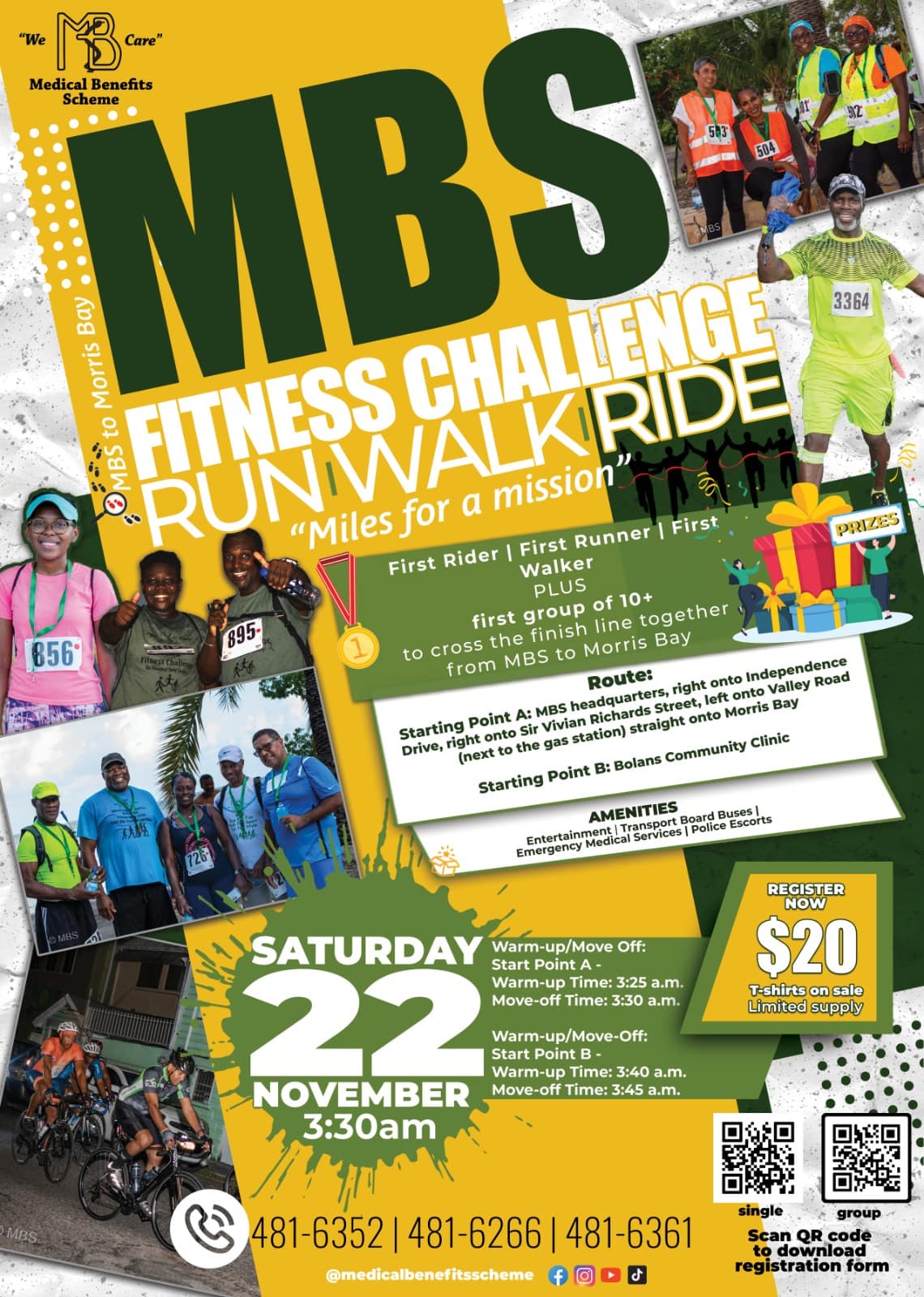
MBS Run Walk Ride Returns to Inspire Fitness Across Antigua and Barbuda
The highly anticipated annual MBS Run Walk Ride is set to take place on Saturday, 22 November, drawing hundreds of participants eager to embrace fitness, unity, and enjoyment. Organized by the Medical Benefits Scheme (MBS), the event will commence at 3:30 a.m. from two strategic locations: the MBS Headquarters on Nevis Street and the Bolans Community Clinic. Participants will converge at the picturesque Morris Bay for a grand finale. Offering flexibility for all fitness levels, individuals can choose to run, walk, or cycle. Group participation is particularly encouraged, with special awards reserved for the first team of ten or more members to cross the finish line together. The MBS Run Walk Ride not only promotes physical health but also strengthens community bonds, making it a cornerstone event in the national health calendar. Families, fitness enthusiasts, and community groups alike come together in a collective effort to champion wellness and active living.