作者: admin

  • Mexico’s Tren Maya Could Be Linked to the Port of Belize

    Mexico’s Tren Maya Could Be Linked to the Port of Belize

    In a significant bilateral development, Mexican and Belizean officials convened in Belize City on Thursday to revitalize economic cooperation and modernize longstanding agreements. The high-level meeting between Quintana Roo state representatives and Belize’s government leadership focused on transforming conceptual frameworks into actionable infrastructure and trade initiatives.

    Central to the discussions was the groundbreaking proposal to integrate Mexico’s Tren Maya railway system with Belize’s transportation networks and the planned Port of Belize expansion. This connectivity project promises to revolutionize regional logistics, creating an unprecedented trade corridor linking the Yucatán Peninsula to Caribbean markets.

    The dialogue advanced a innovative ‘twin manufacturing model’ where Mexican industrial capabilities would synergize with Belize’s CARICOM market access. This arrangement would enable goods processed through synchronized border factories to enter regional markets accounting for approximately 25% of Belize’s total exports.

    Minister Thea Garcia-Ramirez of Corozal Bay emphasized the natural cross-border dynamics, noting that her constituents have historically engaged with Chetumal for commerce and employment. “Corozal Bay stands prepared to serve not merely as a border district but as a cooperative bridge between nations,” she affirmed.

    Additional priority sectors identified for development included agro-processing industries, energy collaboration, and expanded tourism and cultural exchange programs. The delegation, featuring Belize’s Ambassador to Mexico Oscar Arnold and Minister Marconi Leal Jr., concluded proceedings with an inspection tour of the Port of Belize facilities.

    Minister Leal captured the strategic significance: “Strengthening our trade and investment relationships transcends economics—it represents an investment in enduring friendship and intergenerational well-being.”

  • BREAKING: Opposition Leader Jamale Pringle Ejected From The House Due To His Conduct

    BREAKING: Opposition Leader Jamale Pringle Ejected From The House Due To His Conduct

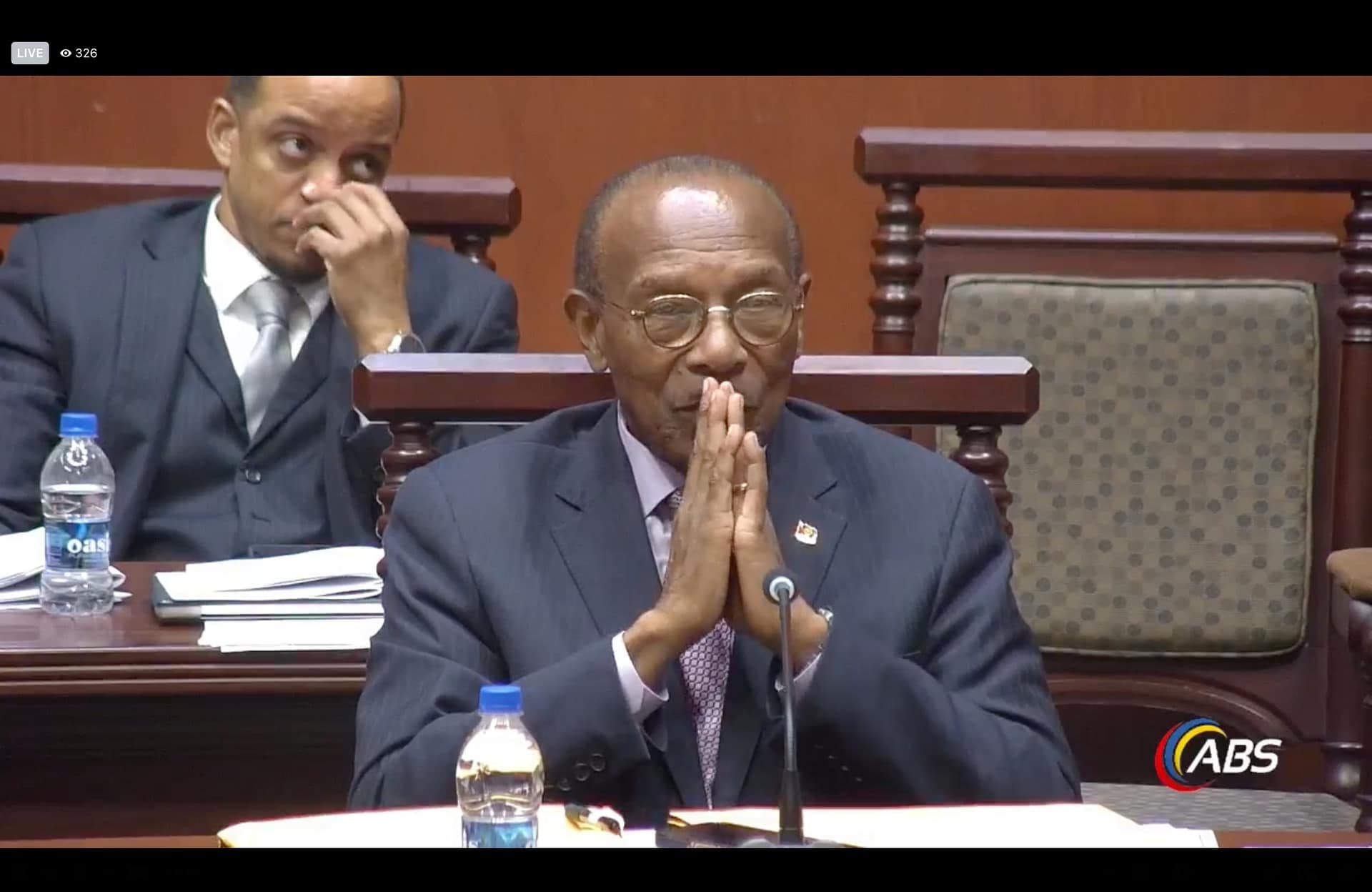
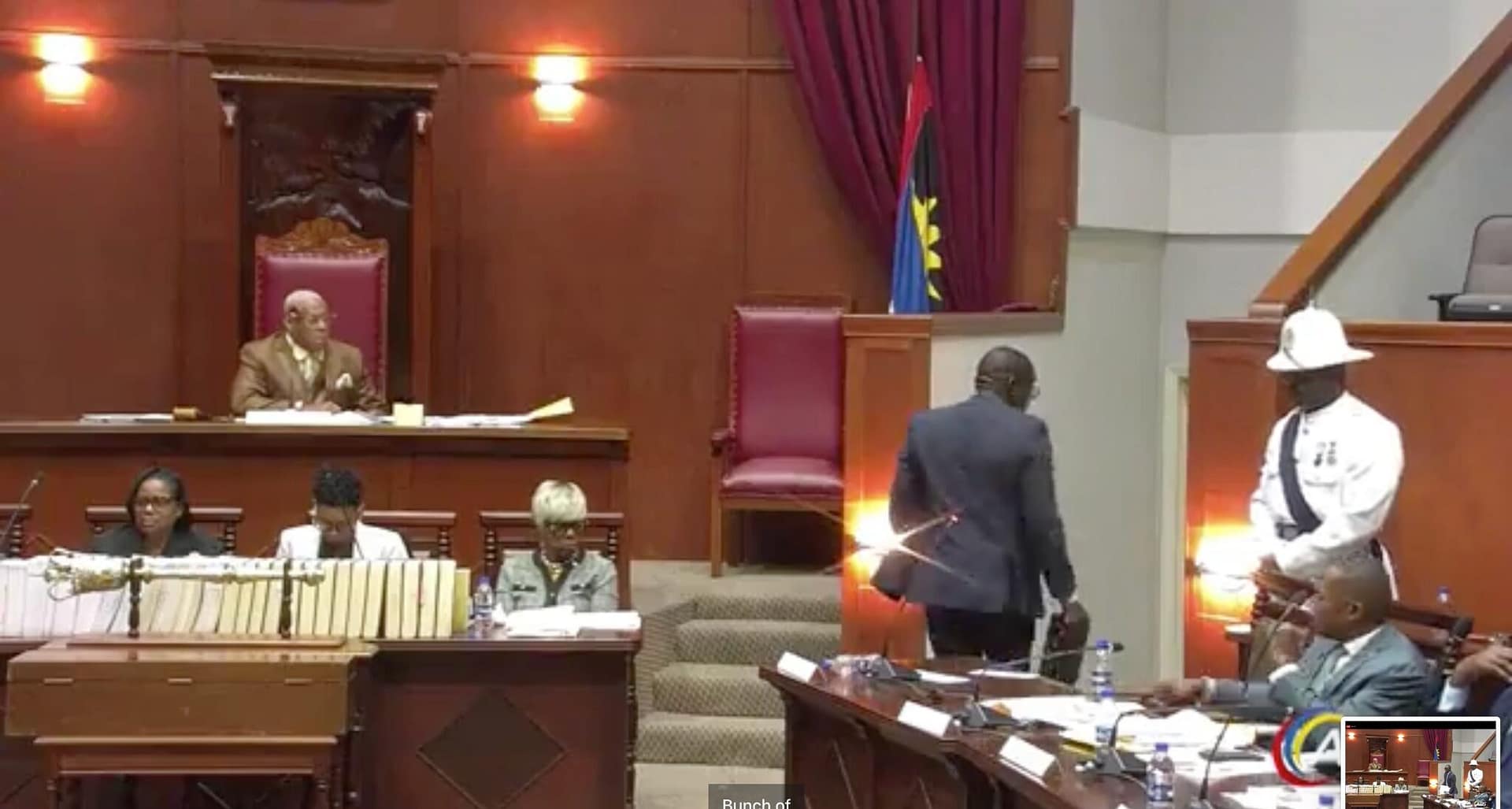
    In an unprecedented display of parliamentary discord, Antigua and Barbuda’s Lower House witnessed the forcible removal of Opposition Leader Jamale Pringle during Friday’s heated session. The dramatic escalation occurred following a sustained confrontation between Pringle and House Speaker Osbert Frederick regarding conduct within the legislative chamber.

    The incident originated when Pringle was observed reviewing documentation during proceedings, prompting another parliamentarian to raise a point of order. The opposition leader responded with visible agitation, directly challenging Speaker Frederick’s impartiality and accusing him of procedural unfairness. This exchange marked the culmination of increasingly tense interactions that had characterized the day’s parliamentary business.

    Speaker Frederick ultimately exercised his authority to mandate Pringle’s removal from the chamber, abruptly terminating the opposition leader’s participation in the day’s deliberations. Frederick subsequently clarified that the ejection resulted not merely from reading documents but from what he characterized as ‘egregious and unacceptable’ conduct that violated parliamentary decorum.

    Lawmakers from both government and opposition benches observed in stunned silence as security personnel escorted the opposition leader from the premises. This incident represents one of the most contentious moments in recent parliamentary history, highlighting deepening political divisions within the nation’s legislature.

    Neither Pringle nor Frederick issued immediate statements following the confrontation, leaving observers awaiting formal responses from both offices regarding this extraordinary breach of parliamentary protocol.

  • Medical Benefits Scheme Staff Mark Alma Mater Day With Donation to Golden Grove Primary

    Medical Benefits Scheme Staff Mark Alma Mater Day With Donation to Golden Grove Primary

    In a meaningful expansion of their annual tradition, employees of the Medical Benefits Scheme transformed their Alma Mater Day observance on March 27, 2026, into an opportunity for community philanthropy. Beyond their customary practice of wearing school uniforms and taking commemorative photographs, staff members collectively contributed essential supplies to support Golden Grove Primary School.

    The initiative saw MBS personnel donating crucial educational materials and personal hygiene products, marking the first time the organization has incorporated charitable giving into their Alma Mater celebrations. This practical demonstration of support emerged from staff-led efforts to enhance the program’s community impact.

    The donation drive aligns with MBS’s ongoing commitment to educational outreach, coming shortly after the organization’s participation in World Water Day activities at another public educational institution. These coordinated efforts demonstrate a strategic approach to supporting schools through multiple channels: educational programming, motivational encouragement, and tangible resource provision.

    This enhanced observance reflects the organization’s dual focus on honoring educational heritage while actively addressing contemporary needs within school communities. By recognizing that schools serve diverse student populations with varying requirements, MBS staff have created a model for corporate social responsibility that connects nostalgic tradition with practical community support.

  • Grenada Houston Association Scholarship 2026–2027

    Grenada Houston Association Scholarship 2026–2027

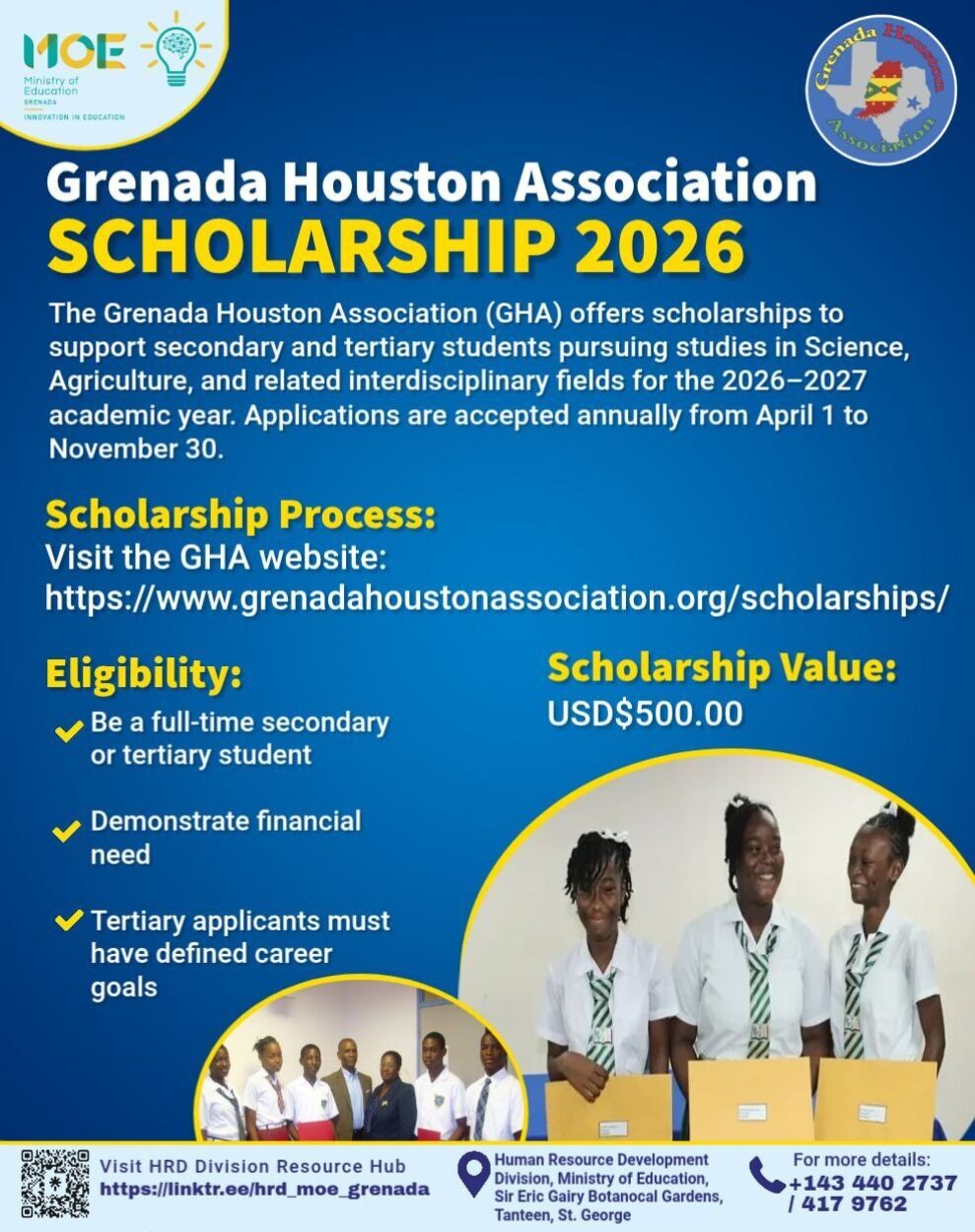
    The Grenada Houston Association (GHA) has announced the opening of its scholarship program for the 2026-2027 academic year, targeting students pursuing studies in science, agriculture, and interdisciplinary fields. This initiative aims to support educational advancement for both secondary and tertiary level students from Grenada.

    Eligibility criteria for the scholarship mandate that applicants must be enrolled as full-time students and demonstrate financial need. Additionally, tertiary education applicants are required to present clearly defined career objectives. The selection process will prioritize candidates who exhibit academic promise and alignment with the program’s focus areas.

    Each successful applicant will receive a financial award of US$500 to support their educational expenses during the academic year. The scholarship application must be completed through the online portal at https://www.grenadahoustonassociation.org/scholarships/scholarship-application/ by the November 30, 2026 deadline.

    Prospective applicants must ensure all required documents are properly scanned and uploaded during the digital submission process. For additional information and application guidance, students may contact the Grenada Houston Association directly at [email protected] or reach out to the Scholarship Desk at the Ministry of Education’s Human Resource Development Division via telephone at (473) 440-2737/8 or (473) 417-9762, or by email at [email protected].

    The Ministry of Education supports this scholarship initiative as part of broader efforts to enhance educational opportunities for Grenadian students in critical development fields.

  • Billions for Climate, But CARICOM Says Getting the Money Is Another Story

    Billions for Climate, But CARICOM Says Getting the Money Is Another Story

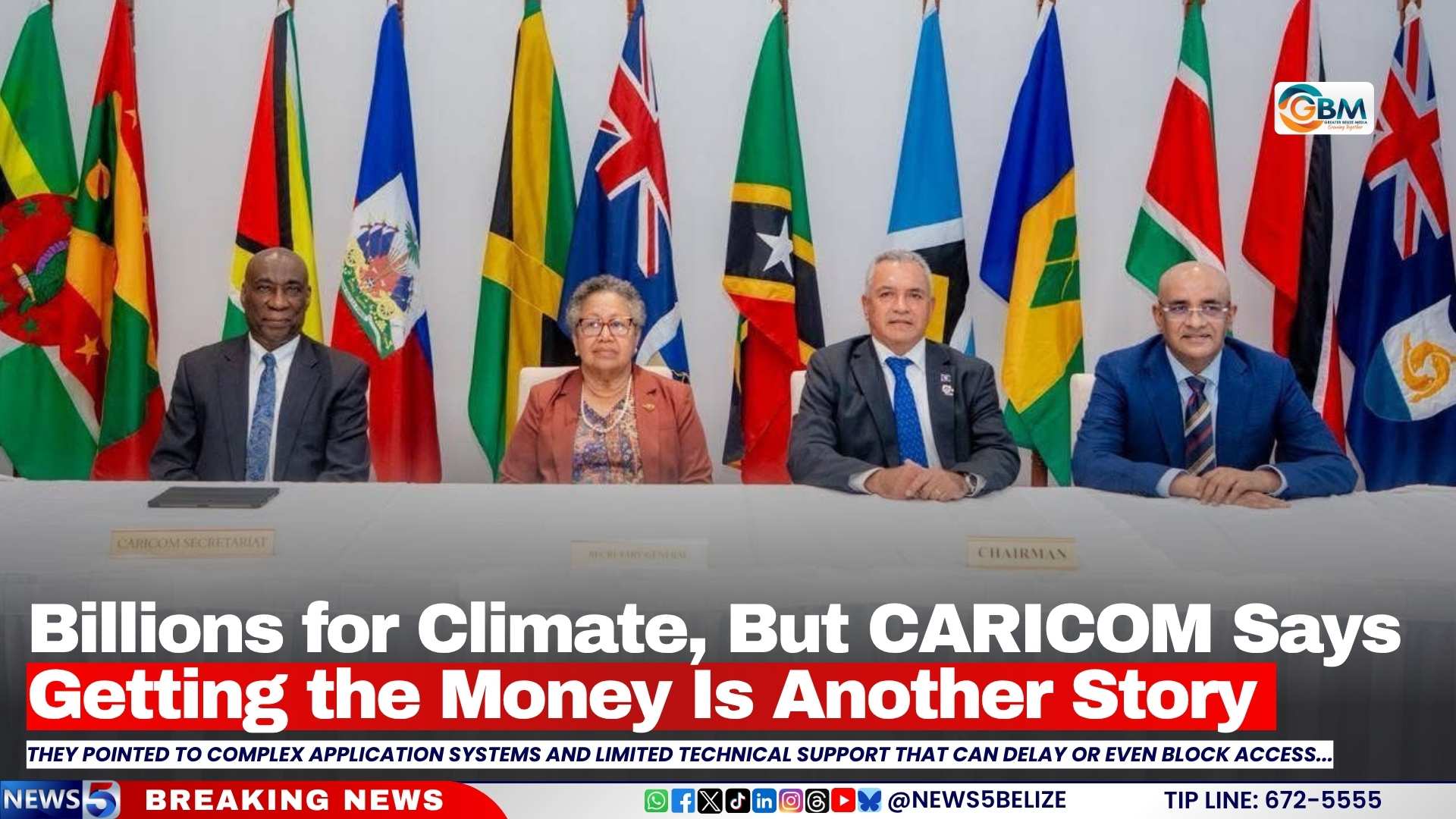
    Georgetown, Guyana – Caribbean environment ministers concluded a pivotal climate summit this week with a unified message: global climate financing promises remain largely inaccessible to the nations most vulnerable to environmental threats. The 124th Special Meeting of CARICOM’s Council for Trade and Economic Development (COTED), held from March 26-27, 2026, highlighted the critical implementation gap between international commitments and on-the-ground realities.

    Belize’s Minister of Sustainable Development and Climate Change, Orlando Habet, who chaired the proceedings, emphasized the region’s role as “the bridge between global commitments and local implementation” during opening remarks. The central theme emerging from the two-day conference was the profound difficulty Caribbean nations face in securing previously pledged billions in climate adaptation funding from wealthy nations and international financial institutions.

    Ministers identified complex application procedures and insufficient technical support as primary barriers preventing timely access to crucial financial resources. These bureaucratic obstacles frequently delay or completely obstruct funding streams desperately needed for climate resilience projects across island nations.

    The regional body issued a collective call for simplified access mechanisms and financing instruments specifically tailored to the unique circumstances of smaller developing states. With COP31 scheduled for November 2026, CARICOM has positioned itself to demand concrete action, declaring that the upcoming UN climate summit must transform into an ‘implementation COP’ focused on delivering tangible outcomes for vulnerable nations rather than further declarations of intent.

  • Sir Molwyn Joseph Bows Out After Four Decades, Urges Unity, Responsibility and Strong Leadership in Final Parliamentary Address

    Sir Molwyn Joseph Bows Out After Four Decades, Urges Unity, Responsibility and Strong Leadership in Final Parliamentary Address

    After an illustrious 42-year tenure in national politics, distinguished parliamentarian Sir Molwyn Joseph delivered a profoundly personal farewell speech to the Antiguan Parliament, marking his transition from active political service. The veteran St. Mary’s North representative crafted his final parliamentary address as a multidimensional testament combining spiritual reflection, political wisdom, and urgent national advocacy.

    Joseph opened his valedictory remarks by affirming his unwavering commitment to public service despite retiring from elected office. “I remain a proud and content man,” he declared, assuring constituents that his retirement from Parliament would not diminish his dedication to community service. The seasoned politician framed his extensive career through the prism of faith and upbringing, identifying himself as “a deeply spiritual man” whose core values were established during his formative years.

    Reciting verses from the hymn ‘What a Friend We Have in Jesus,’ Joseph emphasized maintaining inner peace and resilience amid political transitions. He credited his parents with instilling the discipline, decency, and sense of purpose that guided his four-decade public service journey, recalling childhood lessons about “the meaning of courtesy” and the imperative to “do the right thing.”

    Addressing his electoral legacy, Joseph highlighted his eight consecutive electoral victories as evidence of sustained public trust, noting his constituency support had expanded to over 5,000 voters throughout his tenure. He positioned his career within the broader tradition of the Antigua Labour Party, emphasizing that national progress builds upon foundations established by previous generations. “Political stability never occurs by accident,” he cautioned, urging continued focus on developmental priorities.

    A central theme emerged around Joseph’s call for cultural transformation toward enhanced civic responsibility. He advocated for a national renaissance in mindset, arguing that development requires individual initiative alongside government action. “When communities require cleaning, citizens must act independently rather than await official intervention,” he asserted.

    Joseph offered robust endorsement of the current administration, warning against political experimentation during global uncertainty. Citing economic volatility and international tensions, he stressed the necessity of experienced leadership navigating complex challenges. His assessment emphasized that effective governance demands acute awareness of global realities.

    Reflecting on his tenure as Health Minister, Joseph identified the COVID-19 pandemic as his most challenging period, expressing disappointment that national unity hadn’t been stronger during the crisis. He questioned how any citizen could withhold support from life-saving measures during peak mortality periods, advocating for cross-party cooperation during national emergencies.

    The former health minister issued urgent warnings about escalating non-communicable diseases, including cancer, diabetes, and hypertension. He observed unprecedented prevalence of these conditions linked to unhealthy dietary patterns, noting concerning trends of childhood onset for traditionally adult-onset diseases. Joseph implored citizens to collectively reassess nutritional habits and embrace wellness responsibility.

    In a revealing personal anecdote, Joseph recounted declining U.S. citizenship opportunities to serve his homeland, characterizing this decision as fundamental to his identity. He reaffirmed loyalty to the Antigua Labour Party, dismissing speculation about external pressures influencing his retirement. Family considerations ultimately guided his decision, with his wife and children forming a “super majority” in requesting his transition from public office.

    Joseph formally endorsed his constituency successor, pledging ongoing engagement with St. Mary’s North affairs. His closing remarks characterized his political career as “a privileged opportunity to serve,” expressing confidence in the nation’s continued progress under capable leadership. The veteran statesman exits Parliament having established a legacy defined by endurance, loyalty, and his persistent message that nation-building requires both dedicated leadership and active citizen participation.

  • Japan ondersteunt vrouwenproject Suriname bij 50 jaar diplomatieke banden

    Japan ondersteunt vrouwenproject Suriname bij 50 jaar diplomatieke banden

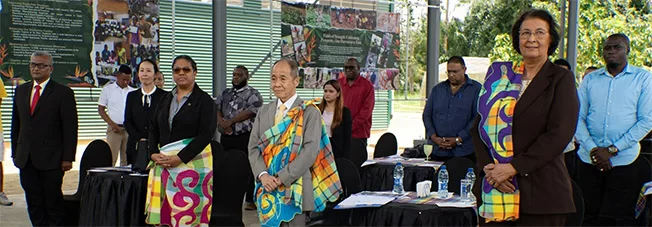
    Suriname and Japan have celebrated half a century of diplomatic relations with a significant donation to an agricultural initiative focused on enhancing female entrepreneurship and sustainable production capabilities. The contribution, delivered through Japan’s grassroots grant assistance program, will directly support the Wi Uma Fu Sranan agricultural cooperative in expanding its cassava processing operations with new industrial machinery.

    The ceremonial handover highlighted the enduring partnership between the two nations, with Director of International Cooperation Elizabeth Bradley emphasizing that international collaboration must yield tangible societal benefits. Bradley noted the extensive history of Japanese-Surinamese cooperation across multiple sectors including food security, climate initiatives, and healthcare infrastructure.

    Surinamese President Jennifer Simons voiced strong governmental support for the initiative, encouraging participating women entrepreneurs to expand their operational capacities. Japanese Ambassador Akira Umezawa reinforced the project’s alignment with sustainable development goals and women’s economic empowerment objectives. The donation represents both a practical investment in Suriname’s agricultural sector and a symbolic gesture strengthening bilateral relations between the Pacific nation and South American country.

  • BREAKING: Governor General Advised to Dissolve Parliament; Elections Imminent

    BREAKING: Governor General Advised to Dissolve Parliament; Elections Imminent

    Antigua and Barbuda’s Prime Minister Gaston Browne has formally initiated the constitutional process for national elections, announcing to Parliament that he has advised Governor General Sir Rodney Williams to dissolve the legislative body on April 1. This procedural move marks the official commencement of the electoral cycle in the twin-island nation.

    The Prime Minister clarified that his recommendation was made under Section 60(1) of the nation’s Constitution, which empowers the Governor General to dissolve Parliament upon receiving advice from the head of government. Browne confirmed he had submitted formal correspondence to the Governor General’s office, triggering the next phase of the democratic process.

    In a significant shift from initial planning, the government adjusted its electoral timeline to accommodate opposition parties. While the administration had originally contemplated immediate proroguation of Parliament—which would have enabled elections as early as April 17—the schedule was modified to provide additional preparation time for opposing political factions.

    Browne noted in parliamentary address that opposition parties demonstrated insufficient readiness, particularly regarding candidate selection. ‘It’s evident the opposition is not quite ready as yet… they still do not have a full slate,’ the Prime Minister stated, adding that government colleagues had encouraged allowing ‘a few more days’ for preparedness.

    Under the revised arrangement, Parliament will be formally dissolved by proclamation on April 1. The writ of election is anticipated to be issued either on that date or within the subsequent week, contingent upon the opposition’s final preparations. Once the writ is officially issued, constitutional mandates require that general elections be conducted within a 21-day timeframe, suggesting a probable late April election date.

    The Prime Minister emphasized that additional flexibility would be limited: ‘We will not give the members on the other side more than an additional week.’ Further correspondence will be dispatched to the Governor General detailing the finalized timeline, including nomination day procedures and the official election date.

    This development signals the formal activation of campaign preparations across Antigua and Barbuda’s political landscape, with parties expected to finalize candidate lists and campaign strategies in the coming weeks.

  • Dominica finalises framework for new U.S. migration arrangement amid demographic challenges

    Dominica finalises framework for new U.S. migration arrangement amid demographic challenges

    The Commonwealth of Dominica has formally established the operational framework for its Third Country National Arrangement (TCNA) with the United States, Prime Minister Roosevelt Skerrit confirmed during a Wednesday press briefing. This development follows intensive technical consultations aimed at finalizing procedures for Dominica’s designated port of entry, signaling a critical advancement in bilateral migration cooperation.

    The TCNA mechanism, initiated under a U.S. proclamation dated December 16, 2025, establishes protocols for managing individuals transiting through partner nations during U.S. immigration processing. This agreement emerges alongside partial visa restrictions imposed on specific traveler categories by American authorities.

    Concurrently, independent researcher McCarthy Marie has characterized Dominica’s demographic situation as a ‘national emergency,’ citing unprecedented low birth rates. The China-Friendship Hospital documented merely 513 births throughout 2025—the lowest figure in contemporary records. Marie’s analysis reveals a persistent trend where annual deaths consistently surpass births, creating compounded challenges including declining school enrollments, an aging agricultural workforce, and mounting Social Security liabilities.

    Marie perceives the anticipated arrival of migrants under U.S. policies as a potential demographic opportunity, advocating for strategic diplomatic engagement to prioritize family-based migration. He emphasized that ‘every family with children settling here constitutes a partial solution to our birth deficit,’ while warning against disproportionate acceptance of unaccompanied single males due to documented social integration challenges in small island communities.

    The Skerrit administration has not publicly indicated whether demographic considerations will inform TCNA negotiations. While no implementation timeline was disclosed, the completed procedural framework enables Dominica to progress toward operationalizing the arrangement with U.S. counterparts.

  • CYEN Grenada calls on nation to observe Earth Hour 2026

    CYEN Grenada calls on nation to observe Earth Hour 2026

    The Grenada Chapter of the Caribbean Youth Environment Network (CYEN) has issued a formal appeal to citizens, commercial enterprises, and institutional bodies across the nation to actively participate in Earth Hour 2026. This globally recognized environmental initiative, orchestrated by the World Wildlife Fund for Nature (WWF), represents a powerful demonstration of worldwide commitment to planetary conservation.

    Scheduled for Saturday, March 28, 2026, between 8:30 PM and 9:30 PM local time, the event will see Grenadians joining millions worldwide in a synchronized display of environmental solidarity. For Small Island Developing States (SIDS) like Grenada, this participation carries particular significance amid growing climate vulnerabilities including sea-level rise, intensifying storm systems, and ecosystem deterioration.

    CYEN Grenada Chapter President Krisma McDonald emphasized the deeper purpose behind the initiative: “Earth Hour transcends mere symbolic action—it serves as an annual activation point for collective consciousness. We urge every segment of society to participate and contemplate our shared responsibility in building a sustainable, resilient nation.”

    Participation guidelines recommend switching off non-essential lighting and unplugging unnecessary electronic devices throughout the designated hour. The organization suggests embracing low-energy activities such as family dialogues, storytelling sessions, or personal reflection during this period. Participants are encouraged to amplify the movement’s impact by sharing their involvement through social media channels using official Earth Hour hashtags.

    Recognizing that symbolic gestures alone cannot address systemic environmental challenges, CYEN advocates for sustained behavioral changes beyond the sixty-minute observance. The network calls for reduced energy consumption in domestic and commercial settings, investment in renewable energy infrastructure, ecosystem protection initiatives, and support for climate policy development at local and regional levels.

    The organization specifically invites governmental bodies, corporate entities, and civil society groups to utilize Earth Hour 2026 as a platform for announcing new environmental commitments or reaffirming existing pledges. CYEN Grenada positions itself as a strategic partner for youth-led climate action, seeking collaborative engagements that extend far beyond the annual event.