作者: admin

  • CDB welcomes GCF approval of  major climate resilience investment for  the Bahamas’ water sector

    CDB welcomes GCF approval of  major climate resilience investment for  the Bahamas’ water sector

    BRIDGETOWN, Barbados – The Bahamas has received landmark approval for a comprehensive water security initiative that will transform the nation’s climate resilience capabilities. The Green Climate Fund (GCF) has sanctioned the Climate Resilience of the Water Sector in The Bahamas project, representing a strategic partnership between the Caribbean Development Bank (CDB), the Bahamian government, and the Water and Sewerage Corporation (WSC).

    With total funding of $65.2 million, the project combines a GCF grant of $37.506 million, a GCF concessional loan of $12.546 million, a CDB loan of $12.546 million, and a $2.602 million in-kind contribution from WSC. This financial package will address the archipelago’s escalating vulnerability to climate-related water challenges through infrastructure modernization and governance strengthening.

    As one of the world’s most climate-sensitive Small Island Developing States, The Bahamas faces existential threats to its freshwater resources. With 83% of its landmass lying less than five meters above sea level, the nation contends with hurricane damage, seven-meter storm surges, prolonged droughts, and saltwater intrusion into its limited groundwater reserves. The country’s heavy reliance on expensive desalination has further strained utility operations amid frequent service disruptions.

    The initiative will deploy comprehensive interventions across six islands: New Providence, South Andros, Mangrove Cay, North and Central Andros, Abaco, and Acklins. Key components include climate-resilient wellfields, storm-proof pumping stations, expanded water storage capacity, enhanced system connectivity, and targeted water loss reduction measures.

    L. O’Reilly Lewis, CDB’s Director of Projects, described the investment as “a transformational opportunity for The Bahamas that combines robust climate-resilient infrastructure with strengthened governance and data-driven management to safeguard water security for generations to come.”

    Kristin Lang, Director of GCF’s Latin America and Caribbean Department, emphasized that this marks GCF’s first single-country project in The Bahamas, demonstrating commitment to “strengthening country-owned solutions where climate risks are highest.” The project aligns directly with CDB’s Strategic Plan 2026-2035, prioritizing climate action and resilient infrastructure as central to regional transformation.

    Upon completion, the initiative will directly benefit over 215,000 residents while bolstering national climate resilience for an additional 199,000 people, creating a more sustainable water future for the vulnerable island nation.

  • Subsidised Irrigation Programme to Cut Farmers’ Costs

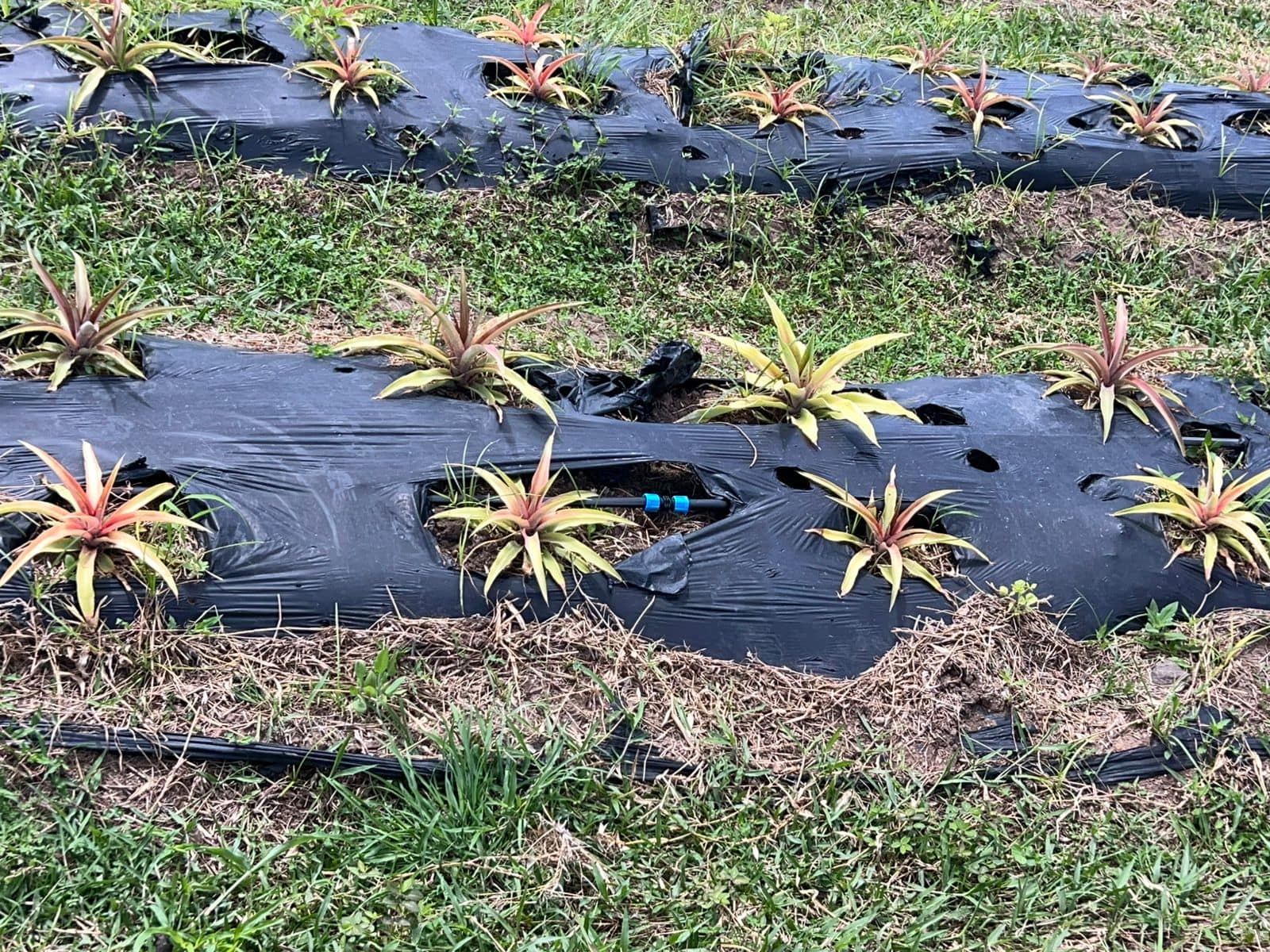
    Subsidised Irrigation Programme to Cut Farmers’ Costs

    The government of Antigua and Barbuda has announced a major agricultural initiative designed to enhance water efficiency and alleviate financial pressures on local farmers. Agriculture Minister Anthony Smith Jr. revealed plans for a subsidized drip irrigation program developed in collaboration with the Ministry of Environment.

    This program will facilitate the importation of advanced irrigation systems at significantly reduced costs. These systems will then be distributed to farmers through the CMC (Central Marketing Corporation) at heavily subsidized prices. Minister Smith emphasized the affordability, stating the equipment would be available to farmers ‘for a very, very, very reduced cost.’

    The initiative is a direct response to persistent challenges facing the nation’s agricultural sector, particularly prolonged dry conditions and the exorbitant expense associated with traditional water management. Minister Smith articulated that this intervention is crucial for ‘reducing the cost of the irrigation system going forward’ and helping farmers adapt to environmental pressures.

    Operational rollout is imminent, with the first supplies anticipated to arrive within the coming weeks. Minister Smith projected that the program should commence ‘within the next month or so.’

    This irrigation push is a key component of a broader governmental strategy to bolster national food security. The overarching goals are to increase agricultural productivity, reduce operational input costs for farmers, and build resilience against increasingly unpredictable and harsh weather patterns.

  • Gov’t Launches Tissue Culture Lab to Revive Black Pineapple Industry

    Gov’t Launches Tissue Culture Lab to Revive Black Pineapple Industry

    Antigua and Barbuda’s agricultural sector is poised for a transformative leap with the imminent launch of a state-of-the-art tissue culture laboratory. Spearheaded by Agriculture Minister Anthony Smith Jr., this facility represents a strategic investment in revitalizing the nation’s iconic black pineapple industry and bolstering overall food security.

    The core innovation lies in achieving domestic self-sufficiency for disease-free planting materials. Minister Smith highlighted a critical historical challenge: “One of our obstacles was the absence of a local tissue culture lab,” necessitating the costly and time-consuming process of sending plant samples abroad for propagation. This new infrastructure eliminates that dependency, drastically accelerating crop expansion timelines.

    Production scaling is already underway with an ambitious roadmap. The initial batch of 15,000 plants is actively circulating, with an immediate goal of reaching 100,000 specimens from the lab. Minister Smith confirmed subsequent shipments are en route, outlining a long-term vision to cultivate nearly 200,000 plants, signaling a massive ramp-up in domestic pineapple output.

    Although the project’s inauguration experienced a minor delay from its original schedule, it is now in the final stages of completion. “The launch, initially set for this month, has been rescheduled for next month,” Smith stated, indicating the project is nearing operational status.

    This initiative is hailed as a paradigm shift where advanced biotechnology converges with traditional farming. “It’s where science meets agriculture… a crucial integration for progress,” Smith emphasized, underscoring the lab’s role in enhancing both crop quality and yield.

    While the renowned Antigua black pineapple holds significant export potential, the government’s primary focus remains on fulfilling domestic demand. This strategy is integral to a broader national agenda of curbing food imports and fortifying local food sovereignty, making the laboratory a cornerstone of the country’s agricultural and economic resilience.

  • SVG signs WTO fisheries subsidies agreement

    SVG signs WTO fisheries subsidies agreement

    In a significant move for marine conservation and economic development, St. Vincent and the Grenadines has formally ratified the World Trade Organization’s Fisheries Subsidies Agreement. The signing ceremony occurred during the 14th WTO Ministerial Conference in Yaoundé, Cameroon, where Foreign Minister Dwight Fitzgerald Bramble executed the instrument of acceptance on behalf of the Caribbean nation.

    This multilateral agreement represents a critical advancement in global efforts to combat detrimental fishing subsidies that fuel overfishing, fleet overcapacity, and illegal, unreported, and unregulated (IUU) fishing operations. By joining this accord, St. Vincent and the Grenadines reinforces its dedication to responsible ocean governance and the sustainable exploitation of marine resources.

    The ministry’s official release emphasized the accord’s alignment with the country’s blue economy objectives, highlighting the indispensable function of marine assets in driving economic expansion, ensuring food security, and practicing environmental conservation. The fisheries industry serves as a vital economic pillar, supporting numerous livelihoods throughout the island chain.

    Notably, the pact incorporates special provisions for developing nations and small island developing states (SIDS), acknowledging their unique challenges and allowing implementation schedules that correspond with national development agendas. Additionally, it facilitates access to technical expertise and capacity-building initiatives designed to fortify fisheries management and surveillance infrastructures.

    Minister Bramble characterized this development as a crucial opportunity to improve the fishing sector’s durability, ecological sustainability, and long-term prosperity, all while safeguarding the marine ecosystems essential to Vincentian society. The government reaffirmed its commitment to multilateral cooperation, vowing to continue collaborating with international allies to foster sustainable development and conscientious ocean resource management.

  • Minister Maynard hails launch of historic renewable energy RFP for Basseterre Valley Solar and Battery Project

    Minister Maynard hails launch of historic renewable energy RFP for Basseterre Valley Solar and Battery Project

    On March 30, 2026, the Federation of Saint Kitts and Nevis marked a defining turning point in its clean energy transition with the official launch of a Request for Proposals (RFP) for the landmark Basseterre Valley Solar Photovoltaic and Battery Energy Storage System (BESS) Project. The initiative, which includes a 50-megawatt solar facility paired with a 30.5-megawatt/30.5-megawatt-hour storage system, is being hailed by senior government officials as a transformative step toward the nation’s sustainable development goals.

    Honourable Konris Maynard, Minister of Public Infrastructure, Energy and Utilities, described the RFP launch as a historic milestone for the twin-island federation during that day’s Prime Minister’s Press Conference with Cabinet Ministers. He emphasized that the project reached this stage only after formal Cabinet approval and a rigorous 12-month due diligence process, designed to ensure full transparency and rigorous planning from the outset.

    “This is historic, it is transformative, and importantly, it is very transparent,” Maynard told reporters. “This project will provide approximately 30 percent of our national energy needs, and we have gone about it the right way. We have engaged top-tier professionals to deliver every phase of pre-development work, from grid impact assessments to techno-economic analysis and global market sounding, to incorporate best practices and develop an optimal design for our national context.”

    Led by the St. Kitts Electricity Company Ltd (SKELEC), the project benefits from technical and legal guidance from a team of leading international advisors, including Castalia, ILF Consulting Engineers, GIDE, and Merchant Law. Once operational, it is projected to deliver three core long-term benefits for the nation: dramatically strengthened domestic energy security, reduced dependence on costly and carbon-intensive imported fossil fuels, and accelerated progress toward the country’s 2030 renewable energy commitments outlined in its United Nations Nationally Determined Contributions (NDCs).

    Minister Maynard also laid out the clear procurement timeline for interested bidders: the RFP window is now officially open for a 90-day bidding period. After submissions close, the process will move to independent evaluation, final contract negotiations, and a projected construction start in the coming months.

    Beyond national benefits, Maynard highlighted the project’s potential to set a regional benchmark for responsible, transparent renewable energy development. “This is going to be talked about across the region as a best practice approach to our energy transition,” he noted.

    A core priority of the government’s approach to the project is ensuring broad local participation across all stages of development and operation. Maynard issued a direct call for domestic businesses, local entrepreneurs, and national residents to leverage the economic opportunities created by the large-scale infrastructure initiative, stressing that no local stakeholder would be locked out of the process.

    “I do not want this to be open to everyone, and then when it’s closed [people say] ‘well we do not know’,” Maynard said. “Whether you provide food services during construction, whether you operate a local contracting company, whether you can offer consulting expertise, whether you have existing solar sector capabilities, whatever your expertise, we have made sure that this project is open and available to the residents of Saint Kitts and Nevis.”

    Interested stakeholders, both international and domestic, can access full RFP documentation and register to participate through the official bidder portal. Local contractors and independent domestic investors seeking to participate have dedicated registration pathways to signal their interest, designed to lower barriers to local engagement.

    When completed, the Basseterre Valley Solar and Battery Project will not only deliver a critical chunk of the nation’s electricity demand to support a cleaner, more resilient and self-sufficient energy system, it will also create widespread economic opportunities that benefit communities across Saint Kitts and Nevis.

  • Andre Cadogan named Senior Regulator for Nevis Financial Services Regulatory Commission

    Andre Cadogan named Senior Regulator for Nevis Financial Services Regulatory Commission

    CHARLESTOWN, Nevis – March 30, 2026 – The Nevis Branch of the Financial Services Regulatory Commission (FSRC) has formally announced the appointment of Andre Cadogan as its new Senior Regigator, with the appointment taking effect on March 1, 2026.

    Cadogan succeeds Heidi-Lynn Sutton, who completed her tenure in the role after a period of committed public service to the Nevis FSRC branch. With more than 30 years of multifaceted experience across the global banking and financial services sectors, Cadogan brings deep expertise spanning senior executive leadership, enterprise risk management, regulatory compliance, and large-scale project management to the senior leadership post.

    In his new role, Cadogan will support the FSRC in advancing its core mandate: licensing, ongoing supervision, and comprehensive oversight of all financial entities that operate within Nevis or from the jurisdiction. His broad portfolio covers strategic organizational leadership, end-to-end regulatory oversight and compliance monitoring, development and administrative implementation of regulatory legislation, stakeholder engagement with industry and government partners, and advisory guidance for the commission’s strategic initiatives.

    Before taking up this appointment, Cadogan held a series of senior leadership roles across the Caribbean financial industry, most recently serving as Vice President of Compliance at Deriv. He previously held the position of Chief Executive Officer at The St. Vincent Cooperative Bank Limited, and served as Country Head for St. Kitts, Grenada, and St. Vincent at CIBC FirstCaribbean International Bank.

    Academically and professionally, Cadogan holds a Master of Business Administration from the University of the West Indies’ Sagicor Cave Hill School of Business and Management. He is also a Certified Associate in Project Management through the Project Management Institute, and holds an Accredited Director designation from the Governance Training Institute of Canada.

    In comments following his appointment, Cadogan shared that he aims to bring a new, forward-looking perspective to regulatory risk management for Nevis’ financial sector. He noted that while regulatory risk presents substantial challenges for both Nevis and the broader Caribbean region, the landscape is also increasingly complex, requiring regulators to strike a careful balance between mitigating emerging threats and unlocking new growth opportunities for the jurisdiction. He added that he is eager to contribute to meaningful, lasting transformation across Nevis’ financial services ecosystem.

    Honourable Mark Brantley, Premier of Nevis and Minister of Finance in the Nevis Island Administration (NIA), publicly welcomed Cadogan’s appointment, expressing strong confidence that the new Senior Regulator’s extensive industry and regulatory experience will advance ongoing government and commission efforts to strengthen and modernize Nevis’ financial services regulatory framework.

    This announcement was distributed via press release from the NIA.

  • NY-based ‘Carib queen’ thrilled by visit to Fancy

    NY-based ‘Carib queen’ thrilled by visit to Fancy

    In a significant cultural exchange, Nona Aquan, a Trinidad-born spiritual leader residing in New York, made a profound visit to the northeastern community of Fancy on Thursday, March 26, 2025. Despite being recognized as a “Carib queen,” Aquan prefers the maternal titles of “Mama” or “Aunty,” emphasizing her role as a community elder and spiritual guide rather than a monarch.

    During her exclusive interview with iWitness News, Aquan articulated her philosophy of community support, stating: “I am here for the community as an elder who provides guidance in health, social matters, mental and physical wellbeing. My mission is to remind people to embrace sustainability by consuming what we cultivate in our gardens rather than manufactured foods.” She passionately advocated for a return to traditional practices, noting that “everything needed for healing, nourishment of body, mind, and soul can be found in the garden.”

    The spiritual leader expressed particular concern for women and children, whom she identified as the foundation of community future. “Children offer unconditional love and honesty that adults often withhold,” Aquan observed, highlighting the special connection she shares with younger generations.

    Her visit to Fancy left Aquan visibly moved, describing the experience as “wonderful” and “a blessing.” She recounted being brought to tears by the community’s singing and feeling a deep connection to her ancestors during the visit. The cultural exchange included Aquan sampling local delicacies such as boiled peanuts for the first time and noting similarities between Vincentian doucana and Trinidadian pastels.

    Accompanied by a seven-member delegation including North Windward MP Shevern John (who also serves as Minister of Social Welfare, Community Empowerment, Disaster Management, and National Heritage), Aquan witnessed exhibitions of traditional crafts and foods at Fancy Government School. The display featured woven baskets, coconut oil, root crops, and indigenous foods including doucouna, sweet potato pudding, and farine, with meals served traditionally in calabashes.

    Despite celebrating the thriving Garifuna culture in Fancy, Aquan raised concerns about the community’s declining population, evidenced by small classroom sizes. She humorously yet earnestly encouraged procreation, stating: “The classes should be like 20-30, not six or seven. The land provides for us.”

    Fancy Government School holds distinction as the only educational institution in St. Vincent and the Grenadines where Garifuna language, heritage, and culture are formally taught, despite not being part of the official national curriculum. The school regularly performs the national anthem in Garifuna at national events, serving as a vital repository of indigenous cultural practices.

  • Nevis dominates Leeward Islands U-15 squad with seven players, including captain

    Nevis dominates Leeward Islands U-15 squad with seven players, including captain

    Nevis’ standing as a hotbed for young cricket talent in the Caribbean has been reinforced once again, after selectors named seven Nevisian players to the 14-member Leeward Islands Under-15 squad for the 2026 Cricket West Indies (CWI) Rising Stars Tournament, with a local athlete tapped to lead the side as captain.

    Leading the Leeward Islands team into the regional 50-over competition is Karese “Bolo” Farrell. He will be joined by six fellow Nevisian prospects: Nicklos Hero, Aedan Williams, De’morae Prentice, Deshawn James, Kamarie France, and Ryan Merchant. The lopsided representation — Nevis holds more than half of the total squad spots — highlights the small island’s extraordinary depth of emerging youth cricket talent, defying its size to outproduce larger neighboring jurisdictions in development of young players.

    Nevis Premier Mark Brantley publicly celebrated the young athletes’ achievement during his monthly press conference held Monday, March 30, the same date the squad announcement was released to the public. “I want to congratulate all these youngsters. I also want to congratulate their local coach Stuart Williams for his continued dedication to the development of the sport and of course extend congratulations to our Department of Sports,” Brantley told reporters.

    The 2026 iteration of CWI’s annual youth competition kicked off one day earlier on March 29, with a restructured format that splits competing teams across three host nations: Guyana, Antigua, and Jamaica, each hosting a five-match bilateral series running through early April. The Leeward Islands kicked off their schedule with an opening match against the Windward Islands in Antigua, with subsequent fixtures set for March 31, April 2, April 4, and April 6.

    In a break from traditional tournament structures, CWI has confirmed that this year’s U-15 competition will not name an overall champion. The tournament is framed first and foremost as a regional talent identification platform, designed to expand scouting reach and give as many young prospects as possible meaningful high-level match experience to support their development. Organizers have centered the event’s goals around nurturing and assessing emerging talent, rather than prioritizing competition results or final rankings.

  • Burst main forces BCC closure

    Burst main forces BCC closure

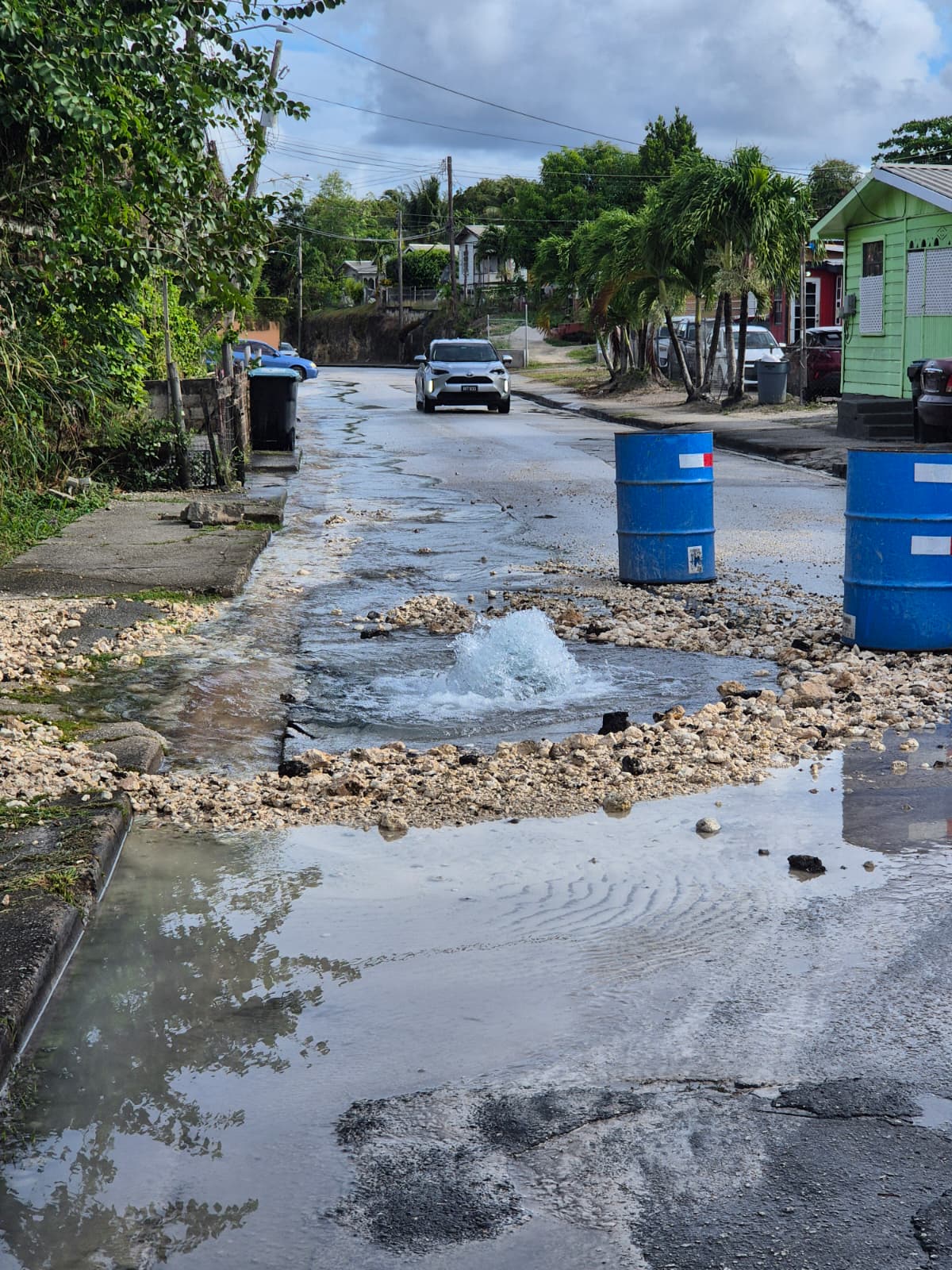
    A significant water infrastructure failure forced the abrupt closure of the Barbados Community College’s Eyrie Campus on Monday morning. The incident originated from a ruptured water main operated by the Barbados Water Authority (BWA) along Howell’s Road in St. Michael, which critically disrupted water supply to the campus and surrounding residential districts.

    Citing paramount concerns for the health and safety of its students and faculty, college administration made the decisive call to suspend all on-site operations effective 10:15 a.m. The institution swiftly enacted its contingency plan, transitioning all academic activities—including both daytime and evening classes—to remote learning platforms. Instruction continued uninterrupted through the college’s Trident Learning portal and Microsoft Teams, ensuring educational continuity.

    Emergency repair crews from the BWA were immediately dispatched to the site to conduct urgent repairs on the compromised pipeline. The water authority is working to restore service and address the damage. College officials have announced an anticipated return to standard campus operations and in-person classes beginning Tuesday, pending the full restoration of water services.

  • Major Step Forward for Nevis Geothermal Project as NIA Moves to Finalize Drilling Contract

    Major Step Forward for Nevis Geothermal Project as NIA Moves to Finalize Drilling Contract

    Nestled in the Eastern Caribbean, the small island of Nevis is on the cusp of a clean energy transformation that could reshape its economic and energy future. As of late March 2026, the Nevis Island Administration (NIA) has confirmed it is in the final stages of contracting with Iceland Drilling Company Limited to launch exploratory drilling for the island’s ambitious geothermal energy development project, marking the most significant milestone for the initiative to date.

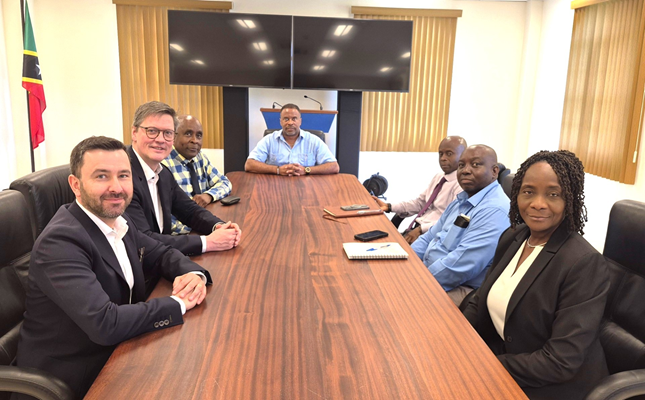
    High-level stakeholder talks held on March 26 brought together key leaders from both sides to resolve remaining technical and contractual details. Leading the NIA delegation were Nevis Premier and Minister of Energy Mark Brantley, alongside NIA Cabinet Secretary Stedmon Tross, Permanent Secretary for the Premier’s Ministry Wakely Daniel, Nevis Electricity Company (NEVLEC) Acting General Manager and Chief Financial Officer Roma Merchant, and project coordinator Naftalie Errar. Representing the drilling firm were CEO Sveinn Hannesson and Legal Counsel Lyes Kennouche, who also held separate working sessions with NEVLEC, the local agency tasked with implementing the project.

    In a monthly press briefing held March 30, Brantley shared a promising update on the project’s timeline. According to Brantley, Iceland Drilling has laid out an aggressive schedule that would see mobilization completed and drilling operations get underway as early as August 2026. The firm’s drilling rig is currently enroute to Iceland for mandatory repairs and retrofitting, after which it will sail directly to Nevis to begin work.

    “I’m optimistic that we can make it, bearing in mind that we’re now in April,” Brantley told reporters. “But they feel that the drill rig … can then sail to Nevis to commence the drilling operations here, which will be a significant forward step in terms of our geothermal ambitions.”

    Geothermal energy has long been framed as a game-changing opportunity for Nevis. Geological surveys confirm the island holds one of the Caribbean’s largest untapped geothermal resources, with estimates suggesting total potential output could reach as high as 900 megawatts—far more than the small island’s domestic energy needs.

    The first phase of development is more modest in scope: the exploratory drilling phase will core multiple test wells to confirm resource viability, laying the groundwork for an initial 10 to 30 megawatt geothermal power plant. Once operational, this facility will be able to meet 100% of Nevis’ domestic electricity demand, while also delivering surplus power to neighboring St. Kitts, part of the broader Federation of Saint Christopher and Nevis.

    Looking further ahead, the NIA’s long-term vision would turn Nevis into a regional renewable energy hub, capable of exporting low-cost, zero-emission geothermal power to other island nations across the Eastern Caribbean, many of which rely almost entirely on expensive imported fossil fuels for electricity generation.

    Brantley emphasized the urgency of accelerating the project amid ongoing global energy market volatility, driven by simmering geopolitical tensions in major oil-producing regions. As both Premier and Minister of Finance, he warned that persistent spikes in global oil prices would inevitably translate to higher costs for nearly every sector of Nevis’ economy, from electricity rates to the price of imported food, local agricultural and seafood goods, and public transportation.

    “That is why I keep saying to our people, we must remain engaged. We must watch the news. We must pay attention… because the reality is that once the price of oil goes up, everything goes up with it. The world is fuelled by energy,” Brantley said. “And I said that at this point because it simply reinforces why we must proceed with our geothermal potential in as aggressive a manner as we can.”

    With contract finalization imminent and drilling on track to start as early as the third quarter of 2026, the Nevis geothermal project is entering its most critical implementation phase to date. If successful, the initiative will deliver long-term lower energy costs for local residents, reduce the federation’s dependence on volatile imported fossil fuels, and cement Nevis’ position as a leader in renewable energy transition across the Caribbean region.