
The adage ‘children learn what they live’ underscores the profound influence of early environmental exposure on their development. From birth to age five, children are highly impressionable, absorbing and mimicking the behaviors and language they observe. This formative period shapes their adult conduct, making it imperative for parents to model appropriate behavior. The 1979 calypso ‘Think About the Children’ by Merchant remains strikingly relevant today, as it highlights the societal decay marked by violence, intolerance, and disrespect. Merchant’s plea to parents Betty-Lou and Sam to foster a stable and nurturing home environment resonates deeply in our current context, where many children are exposed to harmful behaviors. He urged parents to prioritize their children’s welfare, warning that neglecting this responsibility would lead to a generation of maladjusted adults. Today, the prevalence of such neglect is evident, with teachers and the state increasingly tasked with mitigating the emotional and psychological damage inflicted on young minds. The societal reflection on this issue is crucial, as the undisciplined and violent behavior of children often mirrors the actions of adults, including leaders who engage in vitriolic political discourse. The normalization of aggression and hostility in public spheres, amplified by instant communication, sends a dangerous message to impressionable children. Teachers frequently report instances of children mimicking inappropriate adult behavior, underscoring the need for a societal moral overhaul. Addressing this issue requires collective responsibility, as schools alone cannot rectify a problem rooted in broader societal failures. To truly care for our children, we must reevaluate and elevate our moral standards, ensuring behaviors and attitudes that foster their proper upbringing and socialization.
作者: admin
-
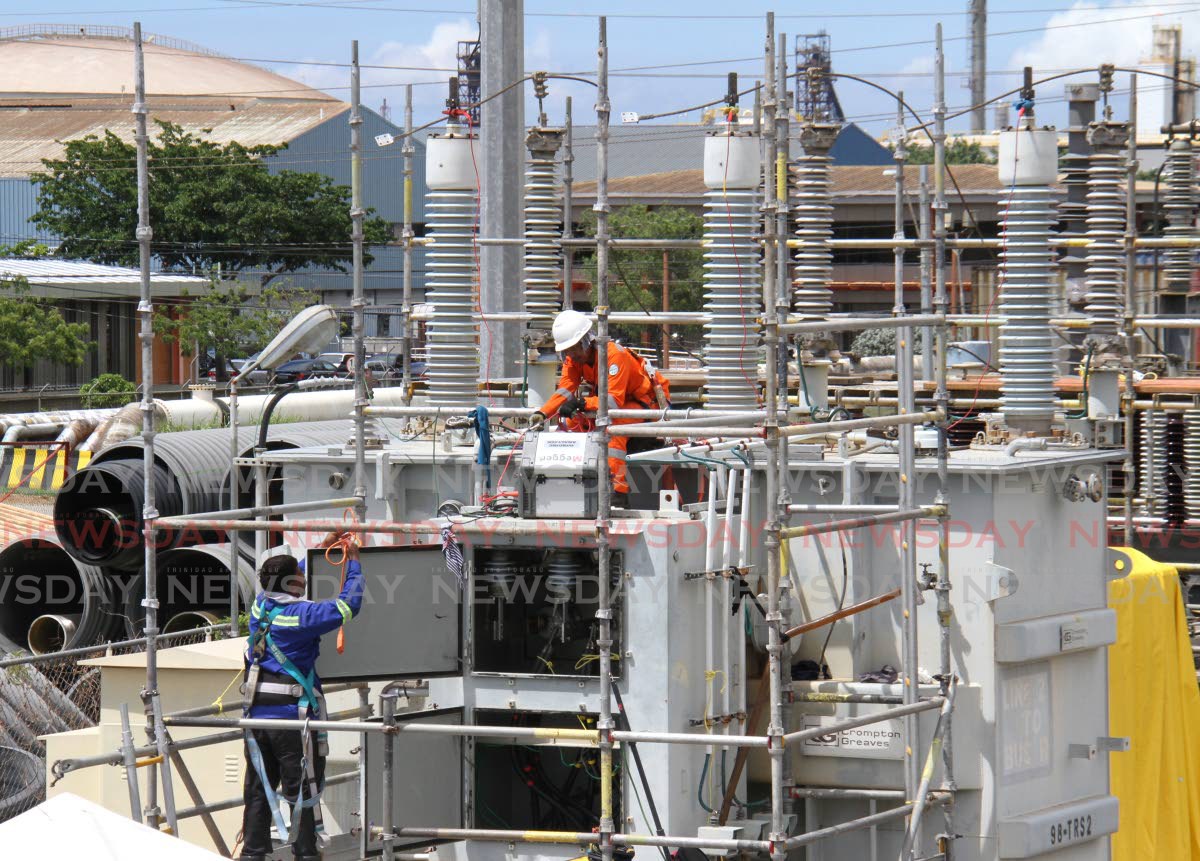
Steel Workers Union appeals Industrial Court’s Desalcott covid19 ruling
The Steel Workers Union (SWU) has lodged an appeal against the Industrial Court’s dismissal of their complaint against the Desalination Company (Desalcott) regarding actions taken during the COVID-19 pandemic. In a September 26 ruling, the court’s vice president, Hubert Soverall, and chairman of its Essential Services Division, Larry Achong, upheld Desalcott’s enforcement of pandemic-related measures, deeming it lawful. However, court member Gregory Rousseau dissented, arguing that Desalcott unlawfully locked out workers who refused the COVID-19 vaccine and breached Section 63 of the Industrial Relations Act by implementing a ‘rotation’ policy that sent employees home without pay. Rousseau ordered Desalcott to reinstate affected workers by November 10 and compensate them for lost wages and benefits dating back to June 17, 2021, while also imposing a $20,000 fine. The case originated from a July 2021 union complaint after unvaccinated employees were indefinitely sent home. Rousseau criticized Desalcott for failing to consult workers before making unilateral decisions and replacing their positions in October 2021, effectively terminating their employment without notice. He emphasized that no law authorized employers to place workers on unpaid leave, highlighting the lack of legislative clarity during the pandemic. In contrast, Soverall and Achong ruled that Desalcott acted in compliance with existing laws and government directives, prioritizing public health and worker safety. They acknowledged the challenges posed by rapidly evolving regulations and concluded that Desalcott’s actions were reasonable and consistent with good industrial relations practices. The case underscores the complexities of navigating employment laws during unprecedented public health crises.
-
Moonilal: Technology can reduce LPG tank accidents
In response to a series of tragic LPG cylinder explosions that have claimed four lives since April, Dr. Roodal Moonilal, Minister of Energy and Energy Industries, has emphasized the urgent need for technological advancements and stricter regulatory oversight to mitigate such risks. Speaking at the American Chamber of Commerce of TT (AmCham TT) Health, Safety, Security & Environment conference on November 11, Moonilal declared that these incidents ‘must come to an end.’ He has directed the ministry to collaborate with the National Petroleum (NP) and other regulators to investigate the recent accidents and implement tighter controls. The findings from these investigations are expected to significantly improve safety practices in the use of LPG. Moonilal also announced that NP’s subsidiary operations will undergo a comprehensive review, and draft LPG regulations and licenses are in the final stages of preparation. NP has been instructed to ensure that all cylinders supplied by its subsidiary, Natpet, are thoroughly inspected for leaks or defects. Additionally, the TT Bureau of Standards is set to reconvene and advance draft national LPG standards for public comment. The minister highlighted the availability of various safety technologies, such as LPG monitoring systems that detect leaks, shut off gas supply, and provide immediate alarms, as well as blast-proof technology that can be integrated into cylinders to reduce explosion risks. NP has publicly pledged its cooperation with authorities and is currently reviewing its standards and internal processes. Moonilal questioned the underutilization of such technologies and affirmed the government’s commitment to pursuing legislative, technical, and enforcement measures to address the issue.
-

Evangelist and daughter identified as plane crash victims en route to Jamaica for hurricane relief
A tragic plane crash in Florida on Monday claimed the lives of a Caymanian father and daughter who were en route to Jamaica to assist in Hurricane Melissa relief efforts. The victims have been identified as Alexander Wurm, 53, CEO of the evangelical church ministry Ignite the Fire, and his 22-year-old daughter, Serena. The ministry released a heartfelt statement on social media, describing Evangelist Wurm as the founder of a mission dedicated to empowering Caribbean youth through evangelism and missions. Serena, following her father’s example, was celebrated as a compassionate and inspiring figure in humanitarian work. Their final journey, the statement noted, symbolized selflessness and courage. Wurm is survived by his wife and two other children. The Beechcraft King Air twin-turboprop plane departed Fort Lauderdale Executive Airport at approximately 10:14 am, bound for Jamaica, but crashed into a man-made pond in Coral Springs shortly after takeoff. The cause of the crash remains under investigation. Jamaican Transport Minister Daryl Vaz revealed that the plane lacked a permit to land in Jamaica, though it had made two prior trips to the island.
-
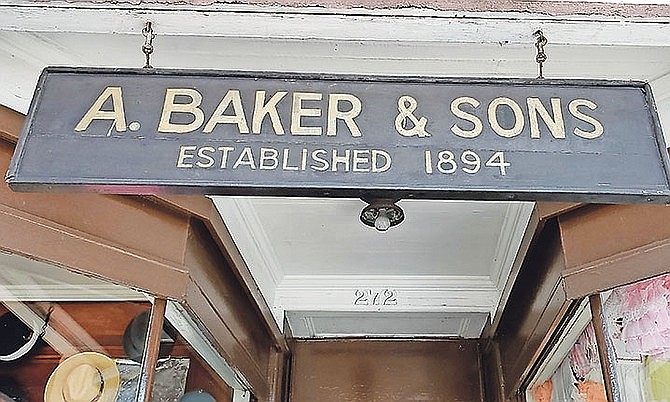
Trove of Bahamian history to be auctioned in first public sale of private antiques
A remarkable collection of Bahamian history, featuring rare antiques from the Baker Estate, will be auctioned on December 5 and 6 in Nassau. The event marks the first public sale of private antiques from a single Bahamian home, offering a glimpse into the life and legacy of Anthony Baker, a pioneering merchant who shaped Bahamian commerce in the late 19th and early 20th centuries. The auction will include over a century-old coins, first-edition Bahamian stamps, antique tools, vintage furniture, fine chinaware, collectible books, vinyl records, and rare artifacts salvaged from the historic Windsor Hotel. Born Thannous Michael Saadi in Mount Lebanon in 1873, Baker immigrated to The Bahamas in the 1890s and founded A. Baker & Sons, a retail empire that revolutionized local trade. The auction, organized by the Bahamas Liquidation and Auction Centre, also serves as a heritage exhibition, celebrating Baker’s contributions to Bahamian society. Highlights include 1920s telephones, mid-century radios, handmade mahogany furniture, and scrapbooks from the 1930s. A private viewing and early-bidding session will be held on December 5, followed by a public auction on December 6. The event will be cashless, with card payments and next-day delivery for larger items. A digital catalogue will be accessible via QR code.
-
Gibson: DRMA failed to deliver hurricane relief
Long Island Member of Parliament Adrian Gibson has publicly criticized the Disaster Risk Management Authority (DRMA) for its failure to deliver essential hurricane relief supplies to the island, describing the situation as “disgraceful,” “deeply disappointing,” and “unacceptable.” In a recent Facebook post, Gibson revealed that he personally donated tarps to Island Administrator Jandile Archer, with Royal Bahamas Defence Force (RBDF) officers present, to assist residents whose homes were severely damaged by Hurricane Melissa. Despite repeated assurances from the DRMA, no relief supplies have been sent to Long Island, leaving residents struggling with shortages of tarps, construction materials, and other critical resources. Gibson emphasized that the people of Long Island deserve timely and adequate support during this recovery period. DRMA Executive Chairman Alex Storr responded by stating that officials are collaborating with the island administrator to assess needs and plan to dispatch supplies soon. He noted that RBDF officers are already on the ground conducting assessments and repairs but could not provide a specific timeline for the arrival of relief items. Hurricane Melissa, which struck The Bahamas in late October, was one of the most powerful storms to ever hit the region, causing widespread devastation across several islands, including Long Island, San Salvador, and Cat Island. The storm left many residents without electricity for days and severely damaged homes and infrastructure. Local officials have warned that the prolonged lack of assistance could exacerbate the already dire living conditions for affected families.
-

Dream big with ‘one percenters’
Prime Minister Kamla Persad-Bissessar has unveiled the government’s Revitalisation Blueprint, a comprehensive and actionable strategy aimed at redefining Trinidad and Tobago’s economic landscape. Unlike previous plans that often lacked substance, this blueprint is rooted in economic logic and structured ambition, offering a clear pathway for sustainable growth. The initiative has garnered significant support from key business leaders, including A. Norman Sabga, Executive Chairman of ANSA McAL, who emphasized the importance of dreaming big to achieve national progress. Sabga’s endorsement underscores the critical role of the private sector in driving innovation, employment, and investment confidence. The blueprint is not just a government-led effort but a call for national collaboration, where policy stability and infrastructure from the government meet the capital, innovation, and operational excellence of businesses. This initiative is designed to benefit not only large corporations but also small and medium enterprises, creative entrepreneurs, and skilled professionals. With ANSA McAL, a symbol of stability and regional success, leading the charge, the blueprint is poised to inspire broader economic momentum. The plan highlights the collective responsibility of citizens, companies, and leaders in building a stronger Trinidad and Tobago, emphasizing that economic transformation is a shared endeavor. As Sabga aptly stated, ‘We need to dream big, manage the details, and move the country forward.’
-

Lessons from the New Deal, Singapore, Dubai
Prime Minister Kamla Persad-Bissessar recently unveiled the TT Revitalisation Blueprint, a comprehensive plan aimed at reshaping Trinidad and Tobago’s economy and physical infrastructure. Launched at the Diplomatic Centre in St Ann’s on November 6, this initiative draws inspiration from globally successful models such as America’s New Deal, Singapore’s urban transformation, and Dubai’s rapid development. The blueprint outlines over 100 major projects targeting job creation, urban renewal, and sustainable development, with a focus on diversifying the economy beyond energy into construction, tourism, digital transformation, and manufacturing. The government envisions this plan as a catalyst for economic recovery, aiming to create over 50,000 jobs and attract private sector investment. Key projects include the San Fernando Waterfront Redevelopment and the Port of Spain Invaders Bay development, which mirror Dubai’s emphasis on tourism and urban design, as well as industrial renewal zones inspired by Singapore’s economic clustering. While the blueprint has been praised for its bold vision, its success will hinge on effective execution, strong governance, and long-term planning. If implemented successfully, it could position Trinidad and Tobago as a global example of infrastructure-driven economic transformation.
-
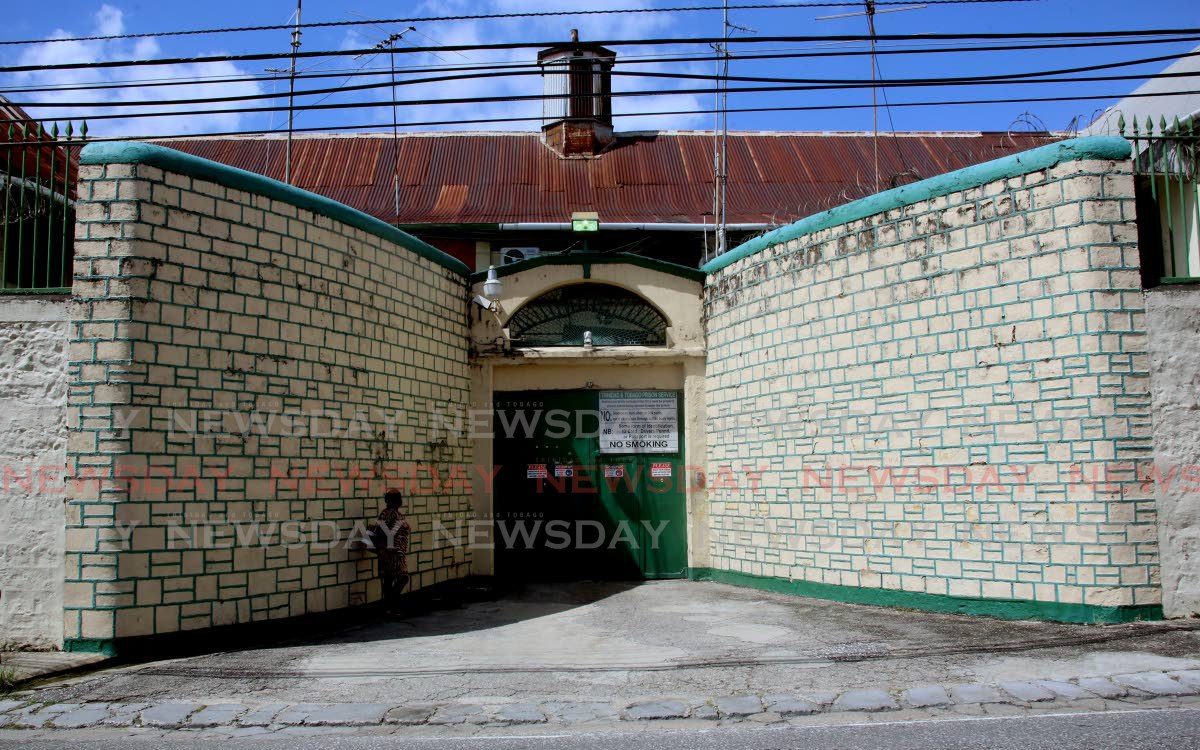
Redefining justice with prison plan
The Port of Spain Prison has long been labeled as a ‘university of crime,’ but a groundbreaking new initiative seeks to redefine its role in society. The recently unveiled prison plan envisions transforming correctional facilities into campuses for human development, where inmates can access rehabilitative and restorative programs. This transformative approach aims to reduce recidivism, lower prison populations, and foster societal reintegration. Central to this plan is the empowerment of prison officers, who will evolve into professional human development agents, gaining greater respect and job satisfaction in their roles. The initiative emphasizes maintaining family ties, equipping inmates with income-earning skills, and facilitating job placements post-release. Education, school policing, and efforts to curb narco-trafficking are also prioritized to redirect young people away from illegal activities and into legal networks. Drawing inspiration from the Abdullah Report (1980) and the Penal Reform and Prison Transformation Reports in Trinidad and Tobago (2003), this project aspires to redefine justice based on the lived experiences of those most affected by the system. Catherine Ali, in her letter to the editor, highlights the potential for this initiative to create a ripple effect across the Caribbean, the Commonwealth, and globally. Thousands eagerly anticipate the launch of this creative justice project, which could mark a historic first in defining justice from the perspective of the marginalized.
-
Alexander mum on SoE review tribunal recommendations
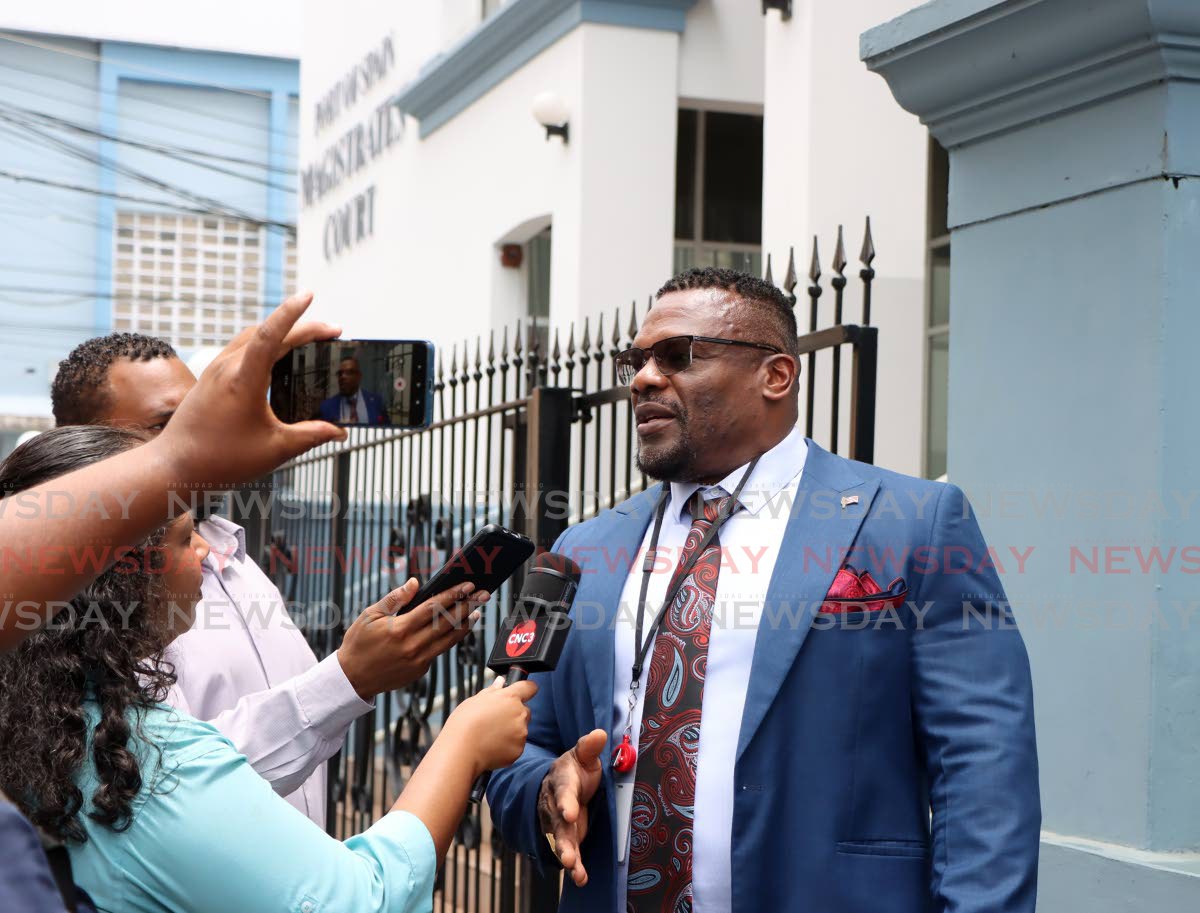
Six reports from the State of Emergency Review Tribunal have been submitted to Homeland Security Minister Roger Alexander, yet it remains unclear whether detainees have been informed of the tribunal’s findings. The reports, delivered on September 12, 19, and 28, and October 6, 9, and 22, contain recommendations on whether detainees, including prisons supervisor Garth Guada, should remain in custody. Despite repeated inquiries sent to Alexander on November 10 and 11, neither the minister, the ministry’s permanent secretary, nor its corporate communications unit have responded. Guada’s attorneys also remain silent, while attorney Darren Mitchell, representing six detainees, confirmed his clients have not received any updates. The tribunal’s secretary, however, indicated that reports for three of Mitchell’s clients were sent to the minister. Under regulations gazetted on July 18, the tribunal is tasked with assessing whether sufficient cause exists for detention and may recommend its continuation or termination. Detainees are entitled to receive the tribunal’s conclusions, though the full report remains confidential unless the minister authorizes its disclosure. The minister retains sole discretion to act on the tribunal’s recommendations, as its findings are not binding. A 2024 Court of Appeal ruling emphasized that detainees must be informed of the grounds for their detention and that ministerial decisions are subject to judicial review. The tribunal recently defended its role, stating it operates within the Emergency Powers Regulations 2025, which limit its function to reviewing detentions and reporting to the minister. Critics, including attorneys, have accused the police of using preventative detention orders (PDOs) as a substitute for proper investigations. The government extended the state of emergency for a second three-month period on October 31, with 98 of 156 PDOs executed so far.