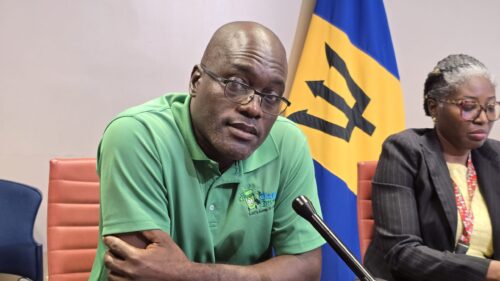
Barbados has launched the National Parish Home Garden Competition, offering over $40,000 in cash prizes to gardening enthusiasts. The initiative, which opened for entries this week, aims to foster biodiversity, promote environmentally sustainable practices, and reduce the island’s carbon footprint. The competition, running until December 15, is organized by the National Conservation Commission (NCC) and was officially announced at the Ministry of Environment headquarters in Warrens. Dewyn Phillips, the tree planting coordinator, detailed the rules and schedule, emphasizing the contest’s environmental and health benefits. Participants are required to submit their name, address, and three garden photos via WhatsApp to enter. The competition features parish-level prizes of $1,500, $1,000, and $750 for the top three gardens, with parish winners advancing to compete for grand prizes of $4,000, $3,000, and $2,000. Phillips highlighted the role of gardens in carbon sequestration, mental and physical well-being, and sustainable practices like composting and reducing landfill waste. The competition follows the recently concluded national tree planting contest, which saw five winners planting thousands of trees. Environment Minister Adrian Forde stressed the importance of integrating sustainable development and beautification into Barbados’ national identity, urging citizens to embrace these values as part of their cultural DNA.
作者: admin
-
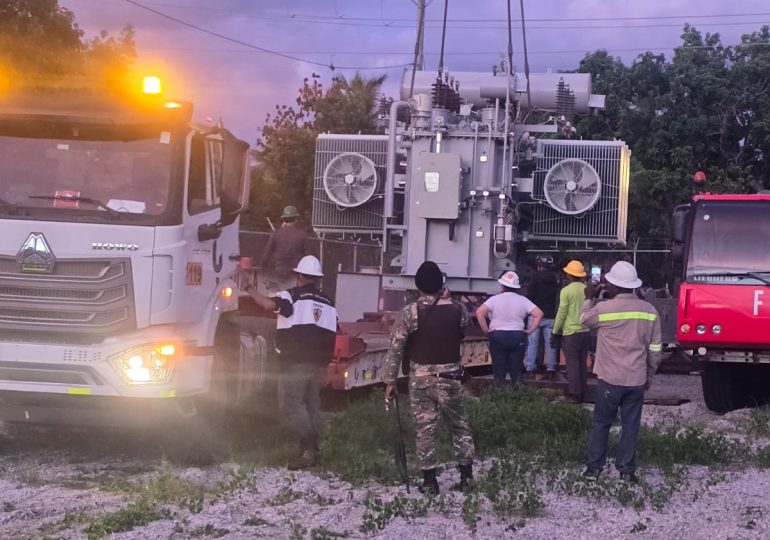
Edeeste transfers power transformer to Miches amid tensions in Nisibón
The Eastern Electricity Distribution Company (Edeeste) has successfully relocated a power transformer from the Las Lagunas de Nisibón substation to the Miches substation, marking a significant step in bolstering the electrical infrastructure in the region. The transformer, which was temporarily stationed in Nisibón, is now set to enhance the power system in Miches, ensuring improved stability and reliability for the local community.
However, the transfer process was not without challenges. During the operation, Rubén Montás, the municipal director of Nisibón, along with a community member, attempted to obstruct the team’s departure. Their actions disrupted the procedure, necessitating the intervention of public security forces to detain both individuals and safeguard the personnel and equipment involved.
Edeeste highlighted that this incident mirrors a similar obstruction on October 2, when a municipal official used a fire truck to block access to the site, halting the transfer and incurring additional costs exceeding one million pesos. The company clarified that the transformer in question was never part of Nisibón’s operational capacity and was merely awaiting its final relocation to Miches.
Despite numerous meetings aimed at explaining the critical nature of the transfer, local authorities in Nisibón remained opposed. Edeeste assured that the Nisibón substation continues to function efficiently with its existing 14MVA transformer, operating below 60% capacity, and that the relocation would not impact the community’s electrical service.
Edeeste expressed concern over the repeated obstructions and the spread of misinformation, which hinder essential infrastructure improvements. The company reaffirmed its dedication to transparency, safety, and the ongoing modernization of the electrical grid in the eastern region, emphasizing the importance of these efforts for long-term system stability.
-
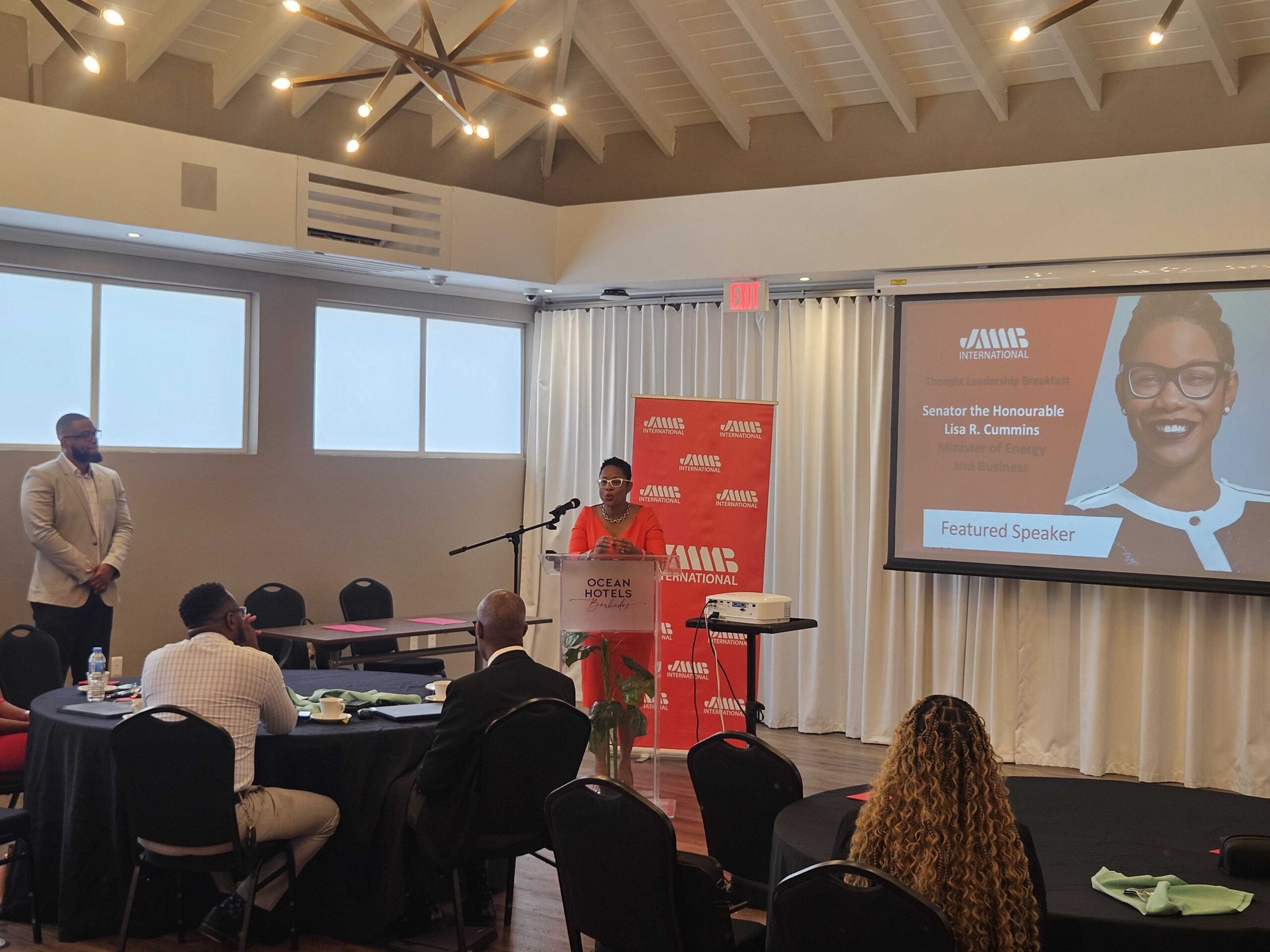
New digital tools ‘coming’ as govt vows smoother biz regulation next year
The Barbadian government has announced a series of sweeping reforms aimed at streamlining business operations and enhancing the island’s investment climate. Senator Lisa Cummins, the Minister for Business Development, revealed on Monday that these changes, set to take effect in the coming months, will focus on modernizing bureaucratic processes and introducing advanced digital tools to support business growth. Speaking at a Jamaica Money Market Brokers (JMMB) forum at O2 Beach Club, Senator Cummins emphasized the government’s commitment to creating a more predictable and efficient environment for investors and businesses alike. Key initiatives include reducing red tape, implementing transparent monitoring frameworks, and establishing an enterprise exchange to facilitate smoother transactions. The minister also highlighted a whole-of-government approach to policy-making, ensuring alignment across ministries to benefit micro, small, and medium-sized enterprises (MSMEs). She stressed the importance of institutional reforms, such as embedding financial reporting standards and fostering innovation, to build confidence and stability in the business ecosystem. However, Senator Cummins acknowledged the challenges posed by outdated legislation, such as the nearly 30-year-old Companies Act, and the slow pace of regulatory compliance. She also noted that some compliance requirements are dictated by international bodies, adding complexity to the process. Despite these hurdles, the government remains focused on creating systems that attract investment and support economic growth.
-
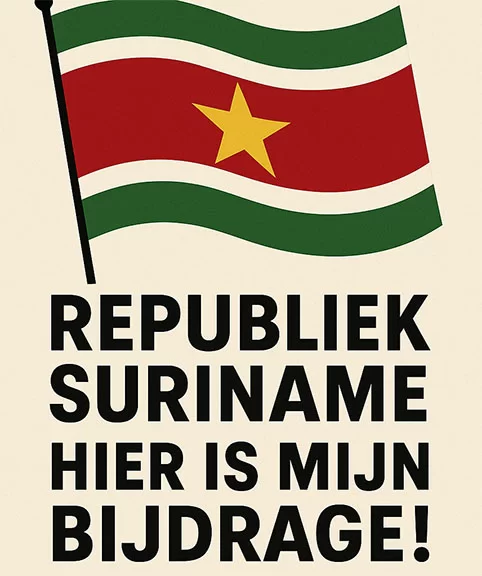
Column: Hier is míjn bijdrage – en nu die van ons allemaal
Fifty years ago, the phrase ‘Here is my contribution’ echoed across Suriname as Prime Minister Henck Arron urged every citizen to help build a prosperous nation. The posters were not mere decorations but a mandate. Now, as Suriname marks 50 years of independence (Srefidensi), that mandate rings louder than ever. Despite decades of dialogue, the task of nation-building remains incomplete. Streets are swept, flags are raised, and celebrations abound, but a clean street does not equate to a renewed state. The real question is not how grandly we celebrate but what we will do differently starting tomorrow. In my chapter in the anthology ‘Independent: 50 Writers on 50 Years of Srefidensi,’ I recount how Suriname feverishly established a constitution, a flag, a government, development aid, and UN membership in 1975. Yet, statehood did not guarantee stability. Coups, war, censorship, corruption, fear, and devaluations followed. Independence, it became clear, is not a destination but a responsibility—one often left to leaders who failed to uphold it. Despite systemic failures, Suriname endured, not because of systems but in spite of them. Surinamers supported one another, but resilience is not a strategy; it is a survival mechanism. A nation cannot survive forever; it must develop. The VSB panel discussion recently held up a mirror to these long-avoided truths. Over the past 50 years, Suriname has remained a resource-dependent nation, reliant on bauxite, gold, and now oil. It fluctuates with global prices, lacking buffers, strong institutions, or sustainable value creation. The message was blunt: continuing on the same path means another 50 years of stagnation. Suriname cannot build on hollowed-out institutions, short-term politics, or a culture of unaccountability. It needs a legally anchored long-term vision, a trustworthy government, and a civil society that acts before crises erupt. Leaders must deliver actions, not just speeches. We already know this. Every congress, committee, and report says the same. Yet, the gap between diagnosis and discipline remains wide. We talk progress to death. Now, with oil and gas on the horizon, the opportunity for transformation—or failure—looms. Without transparency and strict rules, oil will not be salvation but repetition, leaving Suriname precisely where Arron sought to protect it: a seemingly rich nation with impoverished people. Thus, his phrase is not a historical echo but a mandate. The government must create conditions for development, as outlined in Article 6 of the Constitution. Institutions must function independently. Businesses must diversify and create value. Labor unions must guide productivity and justice. Citizens must demand discipline, transparency, and accountability. Journalists must reclaim their role as watchdogs, not spectators. ‘Here is my contribution’ is not a phrase from 1975; it is the question of 2025: What will each of us contribute to the next 50 years? Suriname needs a mental shift: less complaining, more oversight; less promising, more action; less ethnic calculation, more national unity; less giving away, more building. Srefidensi is not just a celebration; it is a test: Are we finally ready to mature as a republic? The time for talk is over. Now, the work begins.
-
Airport aims to surpass ‘busiest day ever’
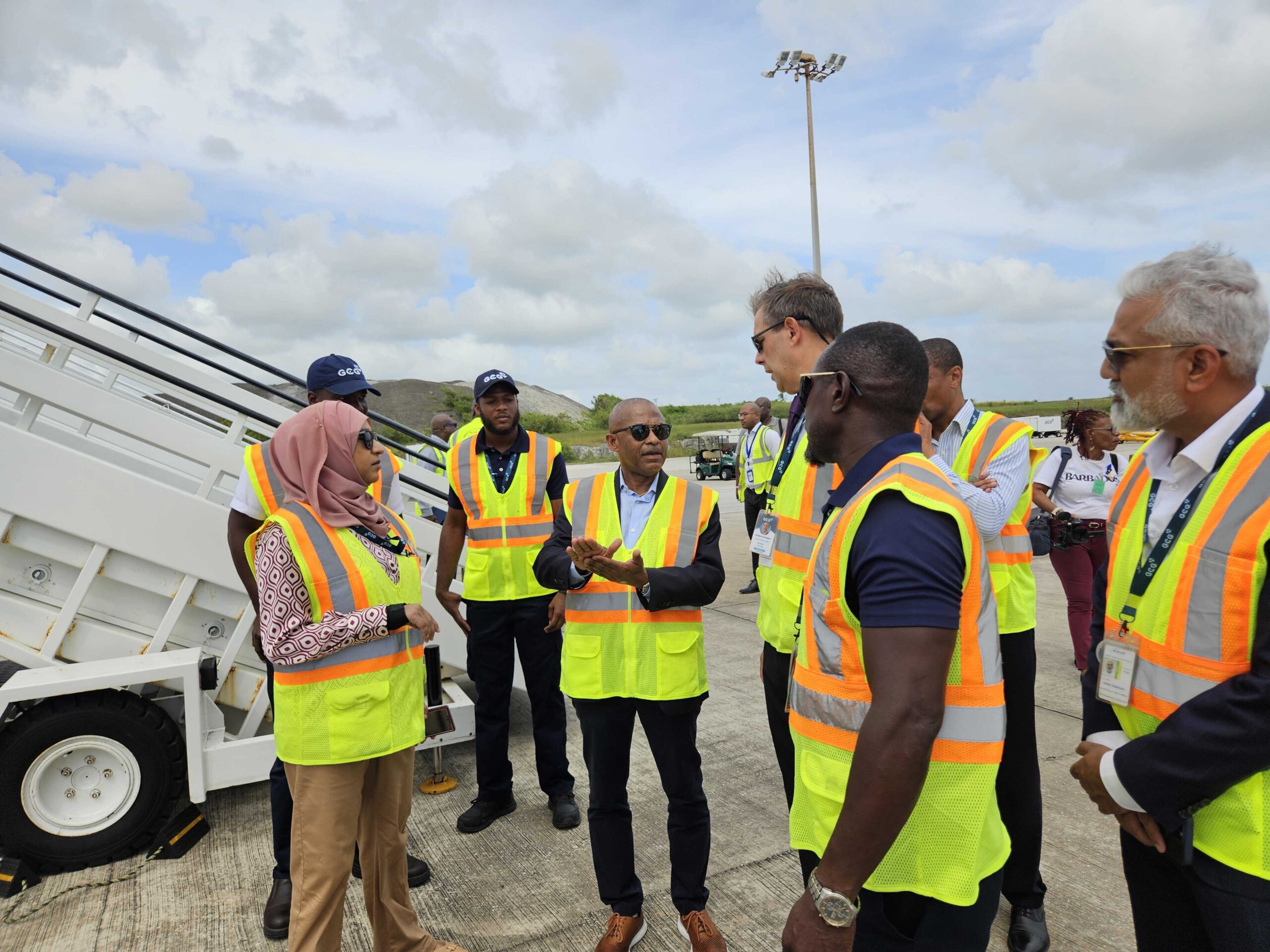
Grantley Adams International Airport in Barbados is preparing for an unprecedented surge in passenger traffic this December, with tourism officials predicting December 20 to be the busiest day in the airport’s history. Civil Aviation Minister Ian Gooding-Edghill hailed this milestone as a “historic occasion,” marking a significant achievement for the island’s aviation sector. The airport is already bracing for a high-volume day on “Fat Thursday,” November 30, when approximately 8,000 passengers are expected to pass through. However, December 20 is set to surpass this, just five days into the official winter tourist season. While Gooding-Edghill did not disclose exact figures for December, he emphasized the collaborative efforts of airport staff and aviation stakeholders in achieving this milestone. On “Fat Thursday,” 53 aircraft, excluding cargo and private jets, are scheduled to land, including 21 commercial flights, 19 air-to-sea transfers, and regional carriers. Notably, five flights from Germany, operated by Discover Airlines, Condor, and TUI, will facilitate air-to-cruise port operations. The surge in arrivals reflects a broader expansion of services, including double daily flights from the UK, a first for the winter season. This initiative is part of a strategic effort to reduce tourism seasonality and build sustainable airlift capacity. Airlines such as Delta, American Airlines, and Air Canada are also extending services and deploying larger aircraft to strengthen connections. To manage the increased traffic, over 100 temporary seasonal workers have been hired by Caribbean Aircraft Handling and Goddard Catering Group. Gooding-Edghill stressed the importance of efficiency in handling the high volume of flights and passengers, ensuring a seamless experience for travelers.
-
CCK roept op tot dankbaarheid, gerechtigheid en gezamenlijke inzet
As Suriname marks its 50th anniversary of independence, the Committee of Christian Churches (CCK) has issued a heartfelt call to the nation. Emphasizing gratitude, courage, and discipline, the CCK urges citizens to reflect on the past and work collectively toward a more just and prosperous future. Drawing inspiration from Psalm 34, the committee highlights the importance of both introspection and responsibility in shaping the nation’s destiny.
In its message, the CCK acknowledges the complexities of Suriname’s history, including tensions, missed opportunities, and societal challenges since gaining independence in 1975. While recognizing the sorrow over past struggles and the diaspora of Surinamese citizens worldwide, the committee also expresses pride in the nation’s resilience and cultural richness.
The CCK underscores the transformative power of gratitude, particularly in difficult times. It points to Suriname’s abundant natural resources, cultural heritage, and the resilience of its people as reasons for thankfulness. The committee also notes the nation’s fortunate avoidance of severe natural disasters that have afflicted other regions. Gratitude, the CCK asserts, fosters resilience, creativity, and a deeper spiritual connection.
Looking ahead, the CCK calls for positive action to address pressing issues such as education, healthcare, employment, and sustainable economic development. It emphasizes the need for discipline, unity, and courageous decision-making to build a society rooted in justice and prosperity. The committee concludes with a prayer for divine blessings over Suriname and its people, as well as those connected to the nation through bonds of friendship.
-
Dominican Republic and Chile sign a cooperation agreement on social development
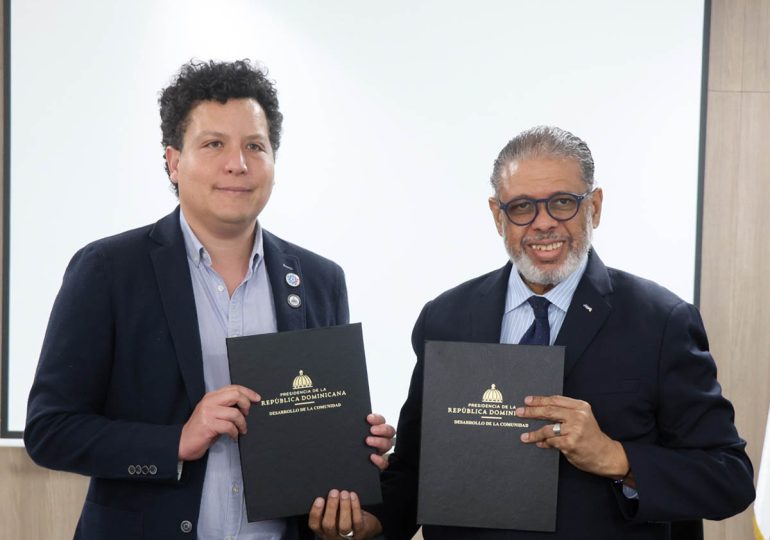
In a significant move to address pressing social issues, the Dominican Republic’s General Directorate for Community Development (DGDC) and Chile’s Social Investment and Solidarity Fund (FOSIS) have formalized a collaborative partnership. The two institutions signed a letter of intent at the DGDC headquarters in Santo Domingo, marking a pivotal step in their joint efforts to combat poverty, enhance food security, and improve housing conditions. The agreement was sealed by DGDC Director Dr. Modesto Guzmán and FOSIS Director Nicolás Navarrete, with Marcos Ibarra, head of international cooperation at FOSIS, also in attendance. Dr. Guzmán emphasized the importance of this alliance in fostering international cooperation, transparency, and sustainable development. He underscored the shared commitment to initiatives that uplift vulnerable populations. Navarrete lauded the DGDC’s leadership and expressed optimism about the partnership, highlighting the parallel social challenges and developmental trajectories of both nations. The agreement outlines a framework for technical cooperation, knowledge exchange, and future collaborative projects across technical, academic, and institutional domains. This partnership builds on Dr. Guzmán’s visit to Chile in September, where he gained insights into the country’s successful social programs.
-
Grantley Adams International ‘can now handle’ largest passenger plane
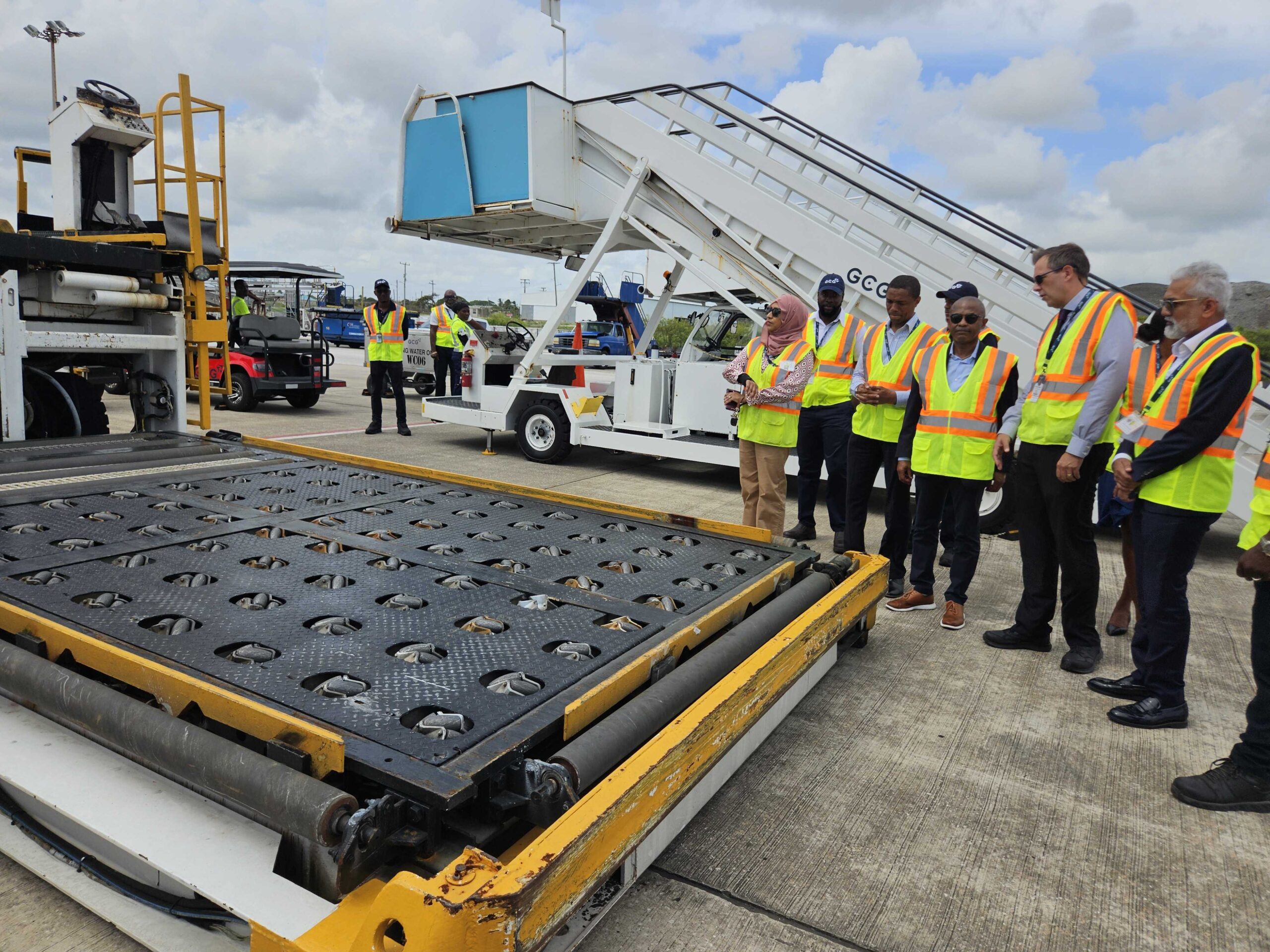
In a significant move to enhance tourism and operational efficiency, the two primary aircraft handling companies at Barbados’ Grantley Adams International Airport have collectively invested over $17 million in state-of-the-art upgrades over the past two years. The investments, announced by Tourism and International Transport Minister Ian Gooding-Edghill during a tour of the Seawell facility, include advanced ground handling equipment, upgraded sky and airport dining services, and new facilities for air-to-sea passengers.
-
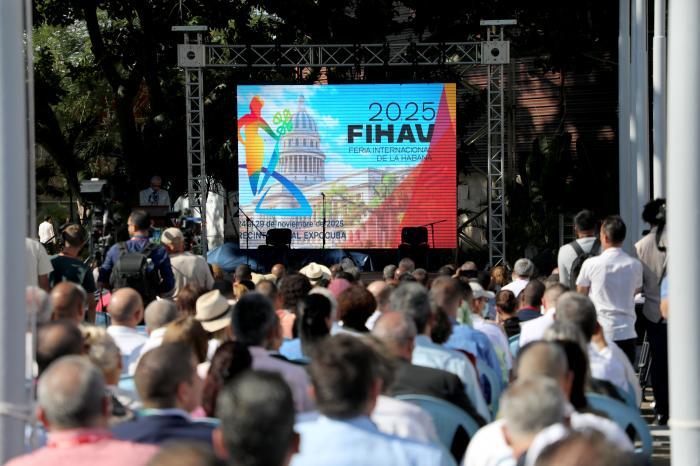
Building productive and business alliances that contribute to the country’s development
During the opening day of the Havana International Fair (Fihav) 2025, Cuban President Miguel Díaz-Canel Bermúdez highlighted the significance of the event as a testament to the nation’s resilience and creative resistance in the face of ongoing economic challenges. Addressing the Cuban press, Díaz-Canel emphasized that the fair, which runs from November 25 to November 29, serves as a platform to showcase Cuba’s potential and foster international partnerships. Despite the intensified U.S. economic blockade, the president underscored the importance of innovation, productivity, and alliances to overcome adversity. He noted that the fair enables Cuba to demonstrate its capabilities while learning from other nations, thereby building productive and business alliances crucial for the country’s development. Díaz-Canel also praised the presence of foreign businesspeople at the event, interpreting it as a sign of continued trust in Cuba. He acknowledged the challenges faced by these businesspeople, including unpaid debts and unmet commitments, yet highlighted their commitment to Cuba’s integrity and respect for their rights. The president also reflected on the participation of Cuban businesspeople living abroad, emphasizing their role in shaping the economic actors needed to build socialism in contemporary times. Díaz-Canel concluded by affirming Cuba’s determination to defend its present while striving for a better future, with the 41st edition of Fihav playing a pivotal role in this endeavor.
-
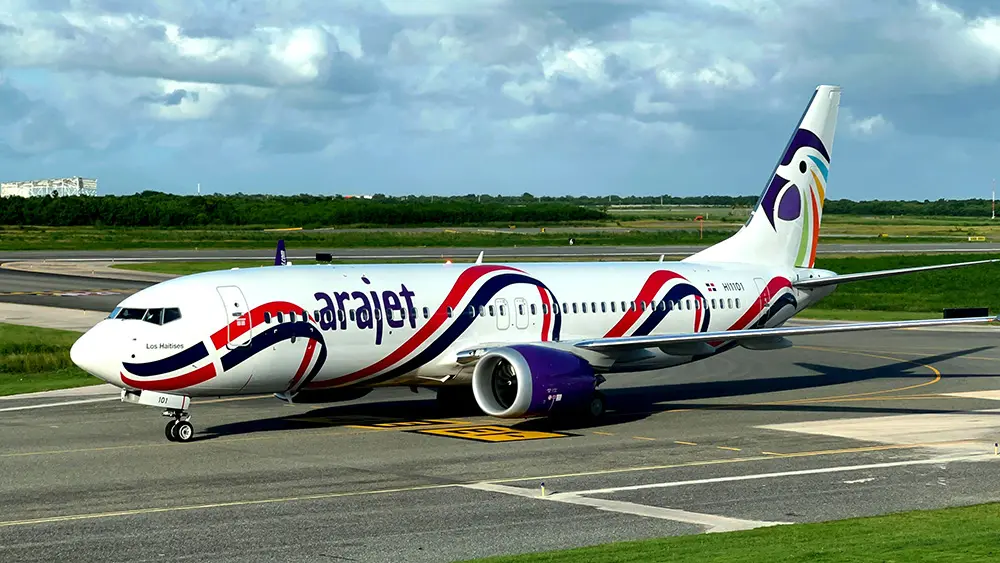
Arajet doubles daily flights to Newark as demand surges
Santo Domingo – Arajet, the Dominican Republic’s rapidly growing airline, has announced a significant expansion of its services to New York–Newark (EWR), doubling its daily flights to two starting November 19. This move comes in response to robust seasonal demand and consistently high load factors exceeding 85%. The airline’s strategic focus on strengthening its foothold in the U.S. market aligns with its broader growth objectives.