
A significant leadership crisis has emerged within Antigua and Barbuda’s Spanish-speaking community, as Alex Martinez, the long-standing de facto representative, faces growing scrutiny over his legitimacy. Amid mounting accusations that his leadership lacks formal authorization, Martinez has announced a formal election set for January 2026 to address the controversy. Martinez, who has served as the primary spokesperson for over 17,000 Spanish-speaking residents, has never been officially elected or appointed, leading critics to label his role as “self-assumed” and unaccountable. The backlash, which has been brewing for months, has now escalated into public demands for his removal. In response, Martinez has challenged his detractors to step out of the shadows and contest the position through a democratic process. He emphasized the importance of transparency, urging those with grievances to participate in the election rather than operating covertly. Martinez defended his leadership, citing his pivotal role during the COVID-19 pandemic when he and his team organized support networks, addressed immigration issues, and assisted families in need after the Spanish embassy and consulate temporarily withdrew. However, he criticized the Spanish consulate for allegedly neglecting the community and failing to communicate effectively, accusing diplomats of disrespect and inaction. Martinez’s team remains confident that the upcoming election will validate his leadership, with Jesse Shawn, a close associate, highlighting improved advocacy and community treatment under Martinez’s guidance. The 2026 election is poised to be a defining moment for the Spanish community, determining not only its leadership but also its commitment to unity, accountability, and transparent governance. As the January vote approaches, residents await a decision that could either resolve the ongoing dispute or exacerbate existing divisions.
作者: admin
-
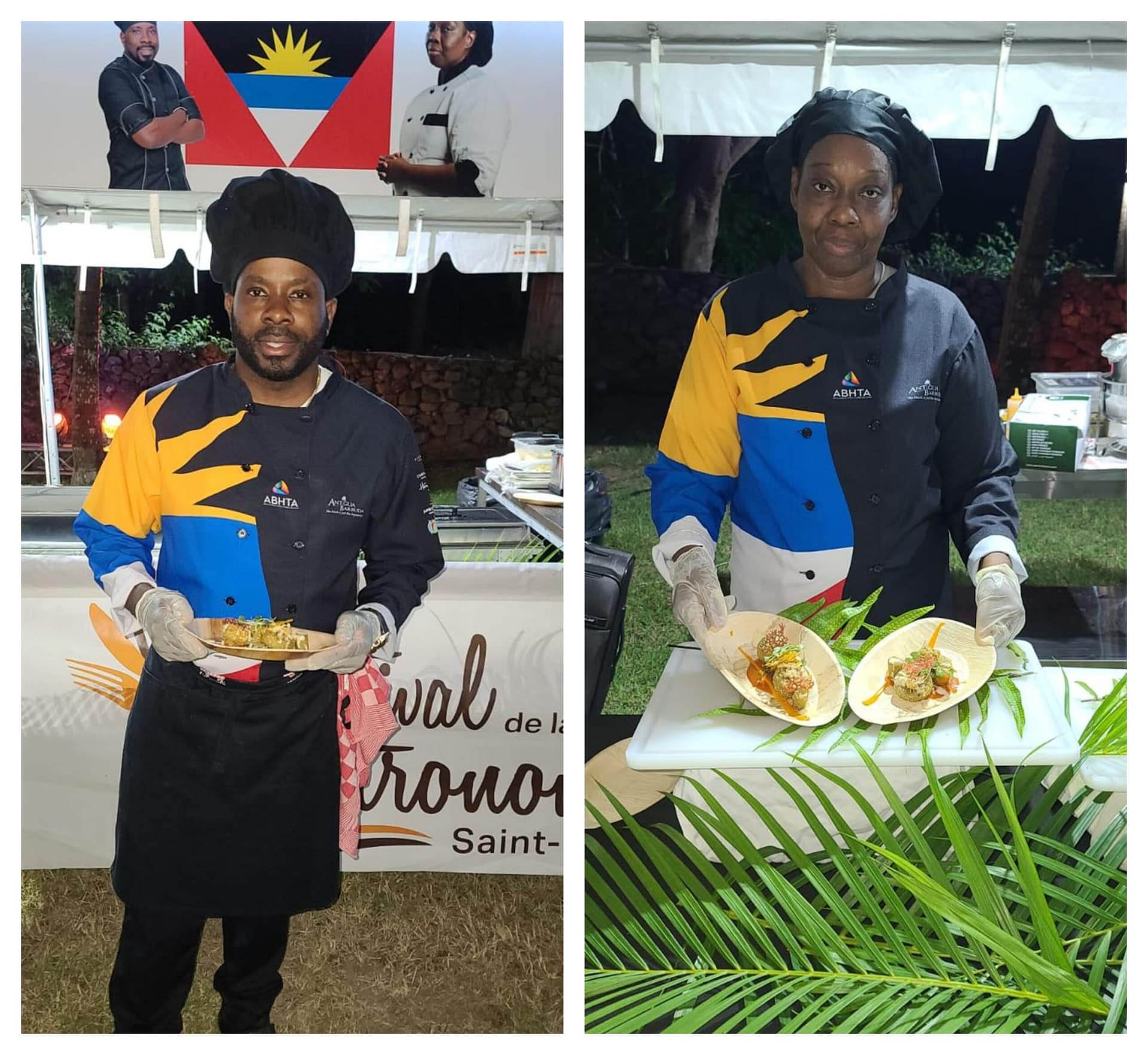
Antigua & Barbuda Showcases Signature Fungi Dishes at St. Martin Gastronomy Festival
Antigua and Barbuda made a remarkable culinary statement at the Festival de la Gastronomie in St. Martin, captivating an international audience with their rich and vibrant flavors. Renowned chefs Ronald Wilson and Maureen St. John took center stage, presenting the essence of the twin-island nation through innovative dishes. The highlight of their performance was the creative reinterpretation of the country’s signature staple, fungi. The chefs unveiled three distinct variations: Classic Fungi with Okra, Saltfish-Stuffed Fungi, and Curry Conch Fungi. Each dish was masterfully complemented by unique accompaniments, including a ginger–passionfruit drizzle, a roasted eggplant chim-chop-up, and a pineapple-infused tomato sauce. These pairings not only enhanced the flavors but also showcased the diversity and freshness of Antigua and Barbuda’s culinary heritage. The festival, which featured participation from 14 Caribbean islands, drew both locals and tourists who eagerly sampled the offerings. The response was overwhelmingly positive, with plates left clean and praise abundant. Antigua and Barbuda’s authentic and memorable food experience solidified their place as a standout participant, leaving a lasting impression on all who attended.
-
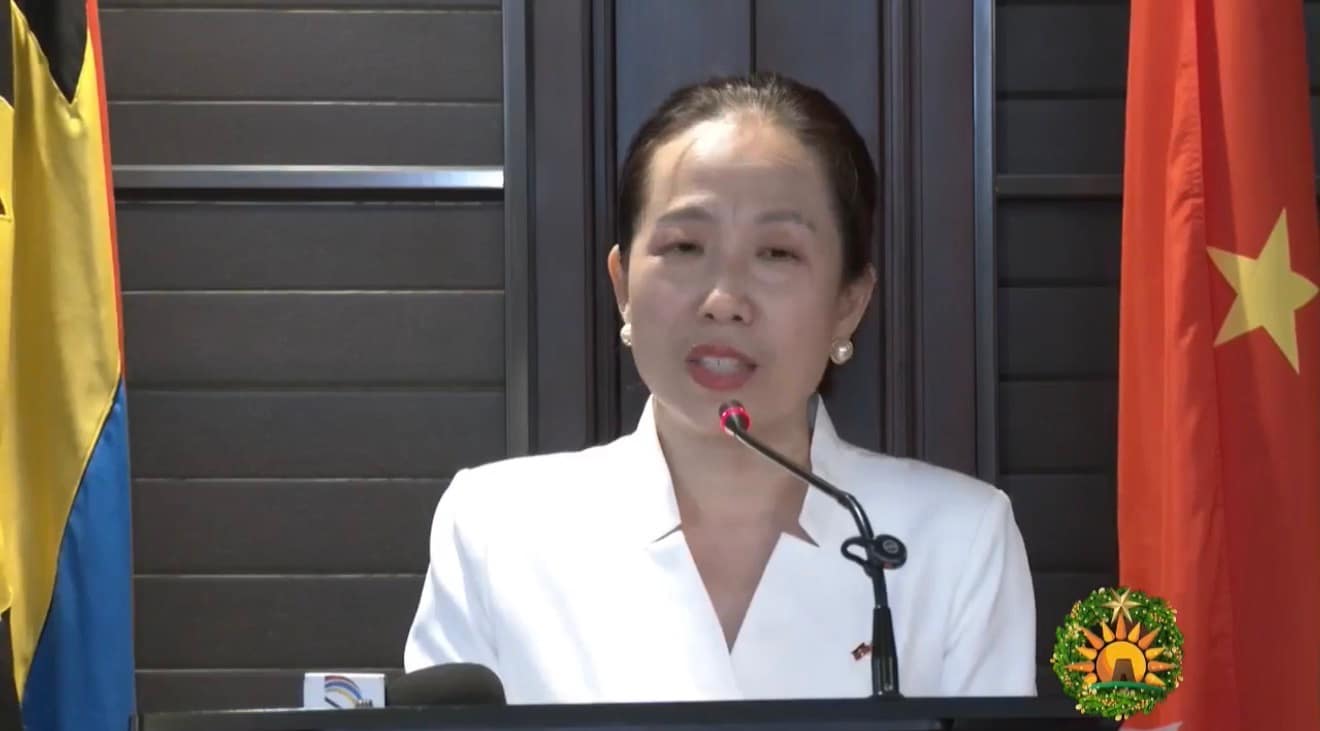
China’s New Ambassador Vows to Deepen Antigua–China Partnership
Her Excellency Jiang Wei, China’s newly appointed ambassador to Antigua and Barbuda, officially assumed her role after presenting her credentials in St John’s and engaging in discussions with senior government officials on Monday. In her inaugural address, Ambassador Jiang emphasized the robust bilateral relationship between the two nations, stating, “Antigua and Barbuda is a valued friend and partner of China in the Caribbean region. Since the establishment of diplomatic relations, our ties have flourished, driven by the unwavering commitment of our leaders.” China has emerged as a pivotal development partner for Antigua and Barbuda, significantly bolstering the country’s socio-economic progress through infrastructure development, technical expertise, and grant-funded initiatives. Ambassador Jiang expressed her eagerness to further enhance the enduring and mutually beneficial partnership between the two countries.
-

Women and Girls Facing Increased Online Threats, Civil Group Says
The Caribbean Policy Development Centre (CPDC) has reaffirmed its commitment to gender equity by joining the global observance of the 16 Days of Activism Against Gender-Based Violence, held annually from November 25 to December 10. This year, CPDC is focusing on the theme ‘UNiTE to End Digital Violence Against All Women and Girls,’ emphasizing the urgent need to combat online harassment, cyberstalking, and non-consensual image sharing. Digital spaces, which have become integral to communication, education, and professional life in the Caribbean, especially since the COVID-19 pandemic, should be safe environments for women and girls to connect, empower themselves economically, and express creativity. However, a UN Broadband Commission report highlights that women are 27 times more likely than men to experience cyber violence. Recognizing digital violence as a human rights violation, CPDC calls on civil society organizations to advocate for stronger protections, raise awareness, and provide support for survivors. Collaborative efforts with regional institutions, governments, and the private sector are essential to creating safer, more inclusive digital environments. CPDC suggests several actionable steps for civil society, including advocating for stronger laws, raising awareness through campaigns, providing support services for survivors, partnering with digital platforms to improve safety tools, and fostering cross-sector collaboration. The safety, dignity, and freedom of Caribbean women and girls must extend to all digital spaces, ensuring their full participation in society. Established in 1991 and based in Barbados, CPDC supports over 40 NGOs and partner organizations across the Caribbean, promoting good governance, social justice, human rights, and sustainable development.
-
16 days of activism against Gender-Based Violence
In a world increasingly reliant on digital platforms, the Caribbean Policy Development Centre (CPDC) has emphasized the urgent need to protect women and girls from online harassment and violence. As part of the 16 Days of Activism Against Gender-Based Violence, observed annually from November 25 to December 10, CPDC has aligned with this year’s theme: ‘UNiTE to End Digital Violence Against All Women and Girls.’ The campaign highlights the pervasive issues of cyberstalking, non-consensual image sharing, and other forms of technology-facilitated abuse that disproportionately affect women and girls in the Caribbean and beyond.
Digital spaces have become integral to daily life, particularly since the COVID-19 pandemic, serving as platforms for communication, education, and economic empowerment. However, for many women and girls, these spaces are marred by threats that undermine their safety and freedom. According to Caricom statistics, 63%–76% of women and girls in Latin America and the Caribbean have experienced gender-based violence in various settings. Globally, a UN Broadband Commission report reveals that women are 27 times more likely than men to be victims of cyber violence.
CPDC has identified digital violence as a human rights violation and a significant barrier to achieving inclusive and equitable societies. The organization is calling on civil society organizations to take the lead in advocating for stronger legal protections, raising awareness about safe digital practices, and providing support services for survivors. Collaboration with regional institutions, governments, and the private sector is essential to creating safer digital environments across the Caribbean.
To combat digital violence, CPDC recommends several strategies:
1. Advocate for stronger laws and policies to address technology-facilitated gender-based violence.
2. Raise awareness through campaigns, workshops, and educational activities on safe digital practices.
3. Provide support services for survivors, including counseling, legal assistance, and safe reporting mechanisms.
4. Partner with digital technology platforms to improve reporting systems, content moderation, and digital safety tools.
5. Collaborate across sectors to share resources and build networks that promote safe and inclusive digital spaces.The safety, dignity, and freedom of Caribbean women and girls must extend to digital spaces. By protecting their rights, amplifying their voices, and empowering them to participate fully in society, the Caribbean can move closer to becoming a truly inclusive and equitable region. CPDC urges everyone to stand up for their daughters, sisters, mothers, and friends in the fight against digital violence.
-
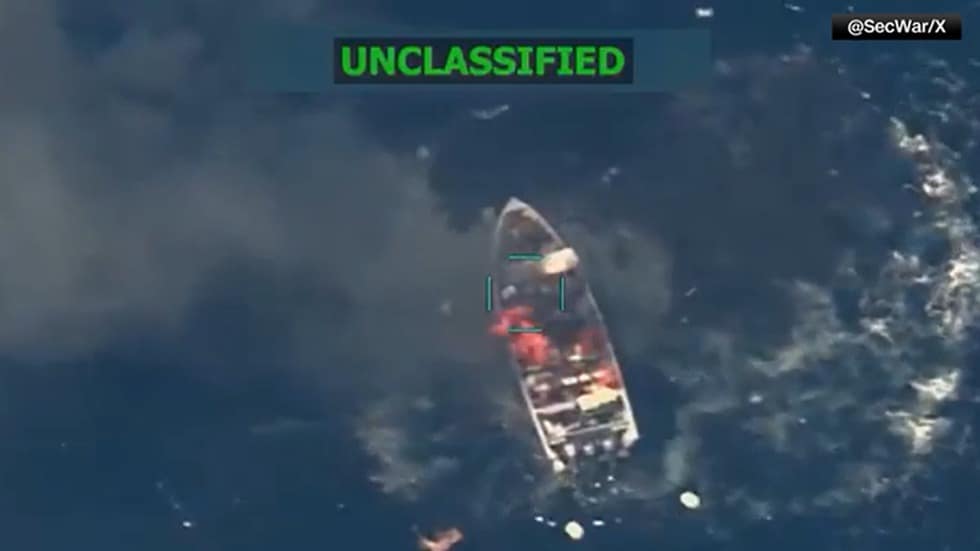
Senator demands declassification of info on Caribbean boat strikes
U.S. Senator Jacky Rosen, alongside fellow Democrats, is pushing for the declassification of documents related to military strikes conducted in the Caribbean during the Trump administration. These strikes, reportedly targeting drug trafficking operations, have raised significant legal and ethical questions. Rosen and her colleagues have formally requested Attorney General Pam Bondi and Secretary of War Pete Hegseth to release the Department of Justice’s (DOJ) Legal Counsel opinion on the matter. Last week, members of the Senate Committee on Armed Services were granted access to the classified legal opinion in a private session. Rosen claims that the Trump administration executed at least 21 unauthorized military strikes, resulting in the deaths of at least 83 individuals. The Senators argue that releasing the Office of Legal Counsel (OLC) opinions would align with past practices, such as the declassification of documents following military actions in Libya (2011) and Syria (2018). They emphasized that transparency in the use of lethal force is crucial for democratic accountability, ensuring that both Congress and the American public are fully informed of the legal rationale behind such actions.
-
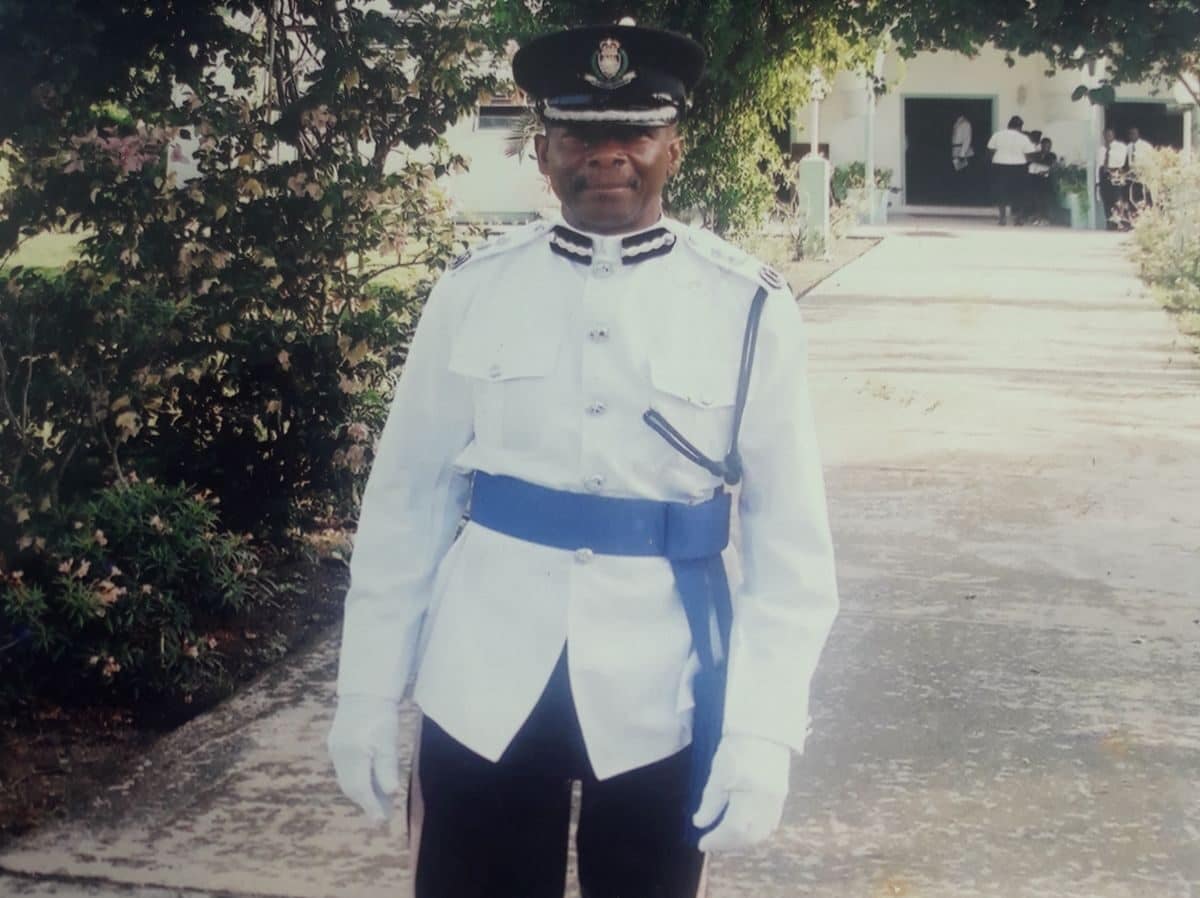
Former Police Commissioner Pompey Says Traffic Reform Needs Education, Not “Stiffer Penalties”
Former Police Commissioner Rawlston Pompey has voiced strong opposition to public demands for stricter traffic fines, emphasizing that sustainable road safety improvements hinge on education, training, and disciplined enforcement rather than merely escalating penalties. In a pointed commentary, Pompey challenged recent suggestions by a senior traffic officer, labeling them as emotionally driven rather than grounded in logic. He underscored that the core issue is not about imposing harsher penalties but about enhancing operational knowledge and ensuring a clear chain of command within the Royal Police Force of Antigua and Barbuda. Pompey outlined the hierarchical structure of the force, stressing that junior officers should not spearhead major policy decisions. Instead, he advocated for recognizing and nurturing the potential of lower-ranking officers through formal training and career advancement. Pompey highlighted the importance of public education, safe driving programs, and community outreach as foundational elements of road safety. He also addressed the unique challenges of nighttime driving, noting the difficulty in judging oncoming vehicles and the distinct visibility of emergency vehicles. Pompey criticized the notion of harsher penalties as counterproductive, advocating for balanced enforcement where minor infractions are met with warnings and serious offenses are prosecuted rigorously. He called for rigid enforcement, license suspensions when necessary, and more effective magistracy to deter reckless driving. Concluding with a stark message, Pompey urged motorists to drive responsibly and carefully, encapsulating his plea in bold, emphatic terms.
-
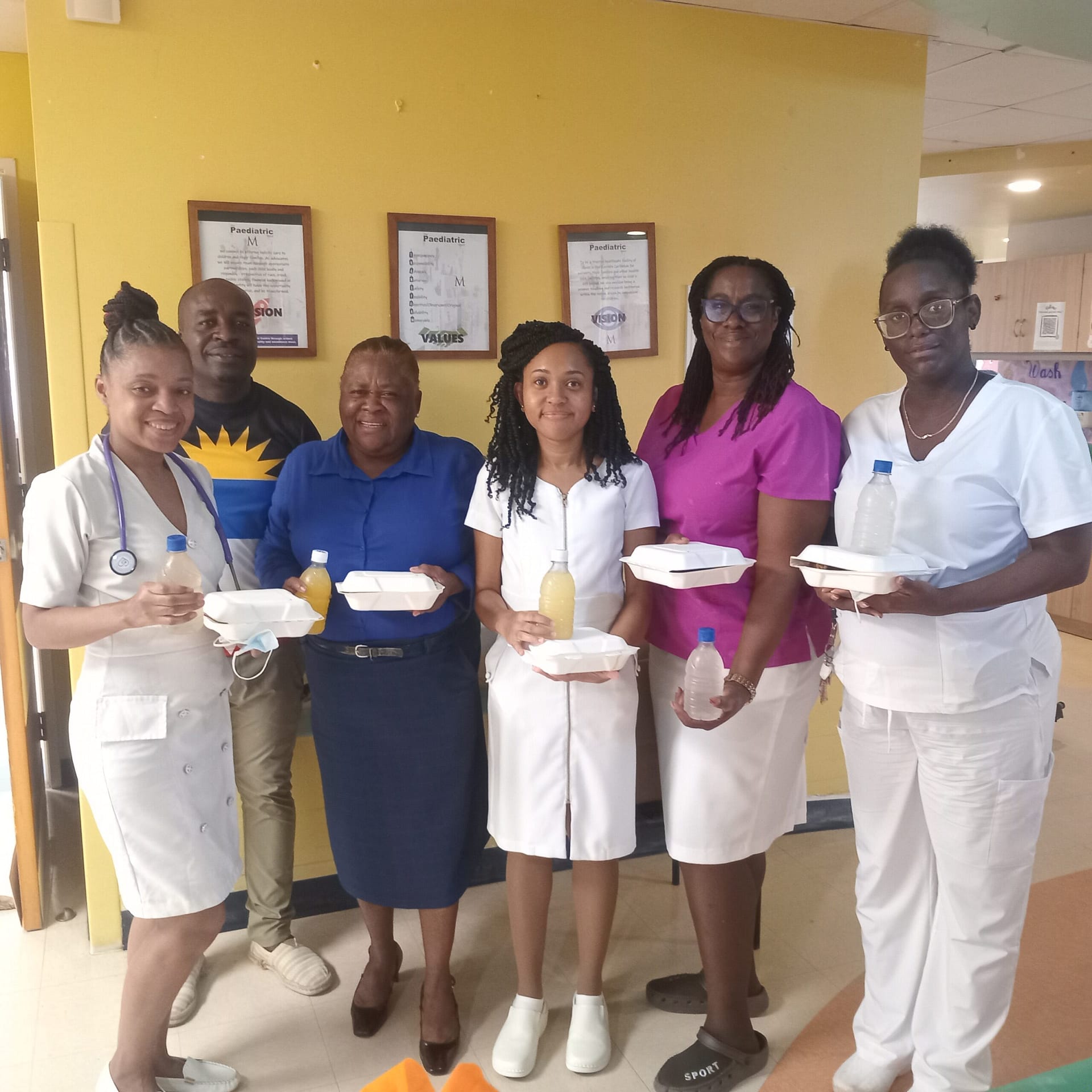
Early Christmas Cheers for Nurses at Sir Lester Bird Medical Centre
In a heartwarming act of generosity, local entrepreneur Mickey Josiah brought early Christmas joy to nurses at the Sir Lester Bird Medical Centre. Josiah, owner of Mickey’s fruit stall, personally delivered 15 hot lunches to the dedicated staff of the Neonatal Intensive Care Unit and caretakers in the Children’s Division. This thoughtful gesture was his way of expressing gratitude for their unwavering commitment and tireless efforts in providing exceptional care. Josiah also announced plans to extend his support further, promising another special treat for the healthcare workers in December. His initiative highlights the importance of community appreciation for those on the frontlines of healthcare.
-

From Flow Passion to Beach Action: Team members volunteer for successful Beach Clean-Up.
In a remarkable demonstration of community engagement and environmental stewardship, Flow’s team members recently spearheaded a beach clean-up initiative at Morris Bay in Antigua and Barbuda. Driven by a genuine spirit of volunteerism, the team successfully removed nearly 200 pounds of trash from the coastline, marking a significant contribution to preserving the region’s natural beauty. This effort was part of Flow’s annual Mission Week, which underscores the company’s dedication to environmental protection and community service. Each bag of collected waste represents a tangible step toward a cleaner, healthier shoreline, ensuring a more sustainable future for generations to come. The initiative not only highlights the importance of collective action in addressing environmental challenges but also serves as an inspiring example of how passion and commitment can translate into meaningful impact.
-

Joy and togetherness outpoured at “We Village Dat – St Peter’s”
The Parish of St. Peter in St. Kitts witnessed an extraordinary celebration of community heritage on October 29, 2025, as the Department of Cultural Heritage hosted its acclaimed “We Village Dat” initiative. The event transformed into a vibrant tapestry of historical remembrance, cultural pride, and communal bonding that resonated deeply with attendees across generations.
The gathering served as both an educational platform and celebratory space where elders passed down local history to younger community members. Delores Hobson established a reminiscent tone by engaging participants in reconstructing geographical memories of Upper and Lower Monkey Hill boundaries and revealing fascinating historical details, including how a cable boxcar system once transported sugarcane down Stapleton Hill during harvest season.
High-profile attendees included Honourable Samal Duggins, Minister of Small Business, Entrepreneurship, Cooperatives and the Creative Economy, who energized the crowd with rallying chants of “We Village Dat!” Prime Minister Dr. Terrence Drew, himself a native of St. Peter’s, shared personal anecdotes about his childhood and revealed witnessing African-derived musical rituals in the hills between St. Peter’s and Cayon during his youth.
The ceremony honored several distinguished community members for their contributions: Elroy “Bambell” Belle received recognition for entrepreneurial excellence in butchery and barbering; Sylvia “Missy” Dabrio-Queeley was celebrated for her 25-year service in the Royal St. Christopher Nevis Police Force; and Kennedy “Natural” Hazel was acknowledged for his cultural contributions as an actor and musician.
Two young talents from Dean Glasford Primary School—Zadoiah Pennyfeather, who demonstrated exceptional vocal abilities, and Adakkei Adams, a skilled acrobat—received Young Creative awards. Community Spirit Awards were presented to Asim Collins and Idread Liburd for their unwavering neighborly support.
Pierre Liburd, Director of Culture, expressed commitment to expanding this community-uplifting initiative, founded by Royd Phipps, to all communities throughout St. Kitts.