
In anticipation of the COP 30 summit earlier this month, the Association of Chartered Certified Accountants (ACCA) introduced a groundbreaking unified framework for responsible investment. This innovative approach seamlessly integrates sustainability considerations into strategic decision-making processes. Developed in collaboration with the universities of Witwatersrand and Leeds, the framework, titled ‘Understanding Responsible Investment,’ provides a comprehensive yet concise guide linking environmental and social issues to capital allocation and investment decisions. The framework outlines eight essential steps that organizations can follow to align their financial success with environmental and social responsibilities. Sharon Machado, ACCA’s head of sustainable business, emphasized the significance of this development, stating, ‘Despite the growing urgency to address climate change and social inequity, a unified approach to responsible investment has been lacking. Our collaborative effort has now filled this gap, offering a model that systematically incorporates all risks and opportunities into investment analysis.’ The framework includes key components such as ESG integration, sustainability frameworks, screening methods, investor proactivity, strategic purpose, investment options selection, regulatory requirements, and outcome measurement. Dannielle Cerbone, an associate professor at the University of Witwatersrand, praised the report for its academic rigor and practical relevance in an increasingly complex investment landscape. The report also highlights the evolving nature of sustainability reporting and the need for investees to balance financial, ecological, and social value creation to better access responsible finance. Machado expressed hope that the report would serve as a practical tool for investors and companies, particularly in assessing the impact of sustainability-related factors on organizational valuation—a task that remains challenging.
作者: admin
-

How Canada helped BWIA to take flight
In the 1960s, Air Canada and the Canadian government played a pivotal role in bolstering British West Indian Airways (BWIA) to become the Caribbean’s regional carrier. By 1967, the Trinidad and Tobago (TT) government had advanced $15,255,816 to sustain BWIA’s operations, recognizing the urgent need for fleet expansion and financial restructuring. However, BWIA faced more than just financial challenges. A 1966 memorandum from BWIA’s chairman highlighted critical deficiencies in top management, engineering, planning, and accounting expertise, as well as a severe shortage of experienced pilots. The chairman concluded that BWIA needed a financially strong partner with the ability to provide managerial and staffing support. Acting on this advice, the TT government sought suitable partners, leading to a proposal from Canada on May 23, 1967. The Canadian government, after reviewing BWIA’s situation, proposed a comprehensive corporate association between Air Canada and BWIA. Key elements of the proposal included designating BWIA as the regional carrier for the Commonwealth Caribbean, allowing Canada to acquire up to 49% of BWIA shares, appointing a majority of BWIA’s board of directors, and negotiating multilateral air agreements. The TT government, optimistic about BWIA’s potential, had envisioned it as a regional carrier since 1961, when it salvaged the airline. Despite initial efforts to persuade other West Indian territories to join BWIA, the airline’s transformation into a regional carrier was a complex and collaborative endeavor involving multiple governments and stakeholders.
-

Could AI be Trinidad and Tobago’s new ‘oil and gas’ frontier?
Trinidad and Tobago is making significant strides in embracing artificial intelligence (AI) as part of its national development strategy. Under the leadership of Dominic Smith, Minister of Public Administration and AI, the country has launched a National AI Assessment in collaboration with the United Nations Development Programme (UNDP) and UNESCO. This initiative aims to evaluate the nation’s readiness to adopt AI technologies and ensure ethical and inclusive implementation. The assessment employs two key tools: UNDP’s Artificial Intelligence Landscape Assessment (AILA) methodology and UNESCO’s Readiness Assessment Methodology (RAM). These tools will identify institutional and regulatory gaps while fostering an ethical AI ecosystem. The launch event, held on November 26 at the Government Campus Plaza in Port of Spain, brought together public and private stakeholders, civil society, and international representatives. Smith emphasized the transformative potential of AI, stating that it could modernize public services, enhance productivity, and create high-value jobs. However, he acknowledged challenges such as skills gaps, cybersecurity, and public trust. The government plans to roll out training initiatives to upskill citizens and position Trinidad and Tobago as a leading AI-driven island state. The findings of the assessment are expected to be publicly released in March/April 2026, marking a pivotal step in the country’s digital transformation journey.
-

Sammy’s comment misses the mark
Darren Sammy, the former West Indies cricket captain, has sparked controversy with his recent comments dismissing critics of the regional cricket team. In a heated statement, Sammy remarked, ‘People who don’t know an iota of cricket are criticising us.’ While Sammy is known for his passion, his sweeping dismissal of public opinion has been labeled as not only misplaced but also deeply insulting. Critics argue that Sammy has overlooked a fundamental truth: West Indies cricket was built not just by legendary players but also by generations of devoted fans across the Caribbean. From farmers in St Vincent to schoolboys in Laventille, every supporter has a vested interest in the team’s success. The right to critique a team’s performance, especially during repeated failures, is not contingent on personal cricketing expertise. Representing the West Indies is about embodying pride, culture, and resilience. When the team consistently underperforms, it’s natural for fans, who contribute through viewership, merchandise, and unwavering support, to demand better. Critics are not attempting to coach the players but are highlighting issues like lack of hunger, weak leadership, and a growing disconnect between the team and its supporters. The West Indies cricket team has not only been losing matches but also the hearts of its fans. Instead of reflecting on these concerns, Sammy’s response appears defensive, shielding mediocrity rather than addressing the root problems. The call is clear: rather than silencing the fans, the team should engage with them, listen to their concerns, and work towards rebuilding what’s broken.
-

Priorities and Prospects: Driving Tobago’s economic development
The Tobago Division of the TT Chamber of Industry and Commerce is gearing up for a revitalized economy in 2026, driven by a combination of strategic policies and collaborative efforts. As the primary advocate for sustainable business growth on the island, the division is actively promoting projects that stimulate economic activity and bolster investor confidence. Key initiatives include addressing public infrastructure needs, enhancing government service efficiency, and fostering closer collaboration with the central government. These efforts aim to position Tobago to seize emerging opportunities in a rapidly evolving economic landscape. Tourism remains the cornerstone of Tobago’s economy, contributing nearly 14% of the island’s GDP and employing around 16,000 people. The sector’s potential is further amplified by the completion of the airport expansion project, which triples passenger capacity and opens up new investment opportunities in high-end accommodations and logistics. Additionally, the development of a modern commercial port, including a cruise ship terminal and marina, is expected to boost international trade, tourism, and marine activities while creating long-term employment and attracting foreign exchange. The chamber emphasizes the importance of aligning these projects with Tobago’s sustainable tourism strategy and environmental goals. Beyond tourism, the division is exploring diversification in export markets, particularly through the Caricom Single Market and Economy (CSME), which offers new avenues for local businesses to expand their reach. Challenges such as foreign exchange shortages persist, but the chamber remains committed to finding solutions in collaboration with relevant stakeholders. Opportunities abound in agriculture, renewable energy, manufacturing, and the digital economy, positioning Tobago as a hub for innovation and investment. The chamber’s optimism for the island’s economic future is unwavering, as it continues to foster an environment that supports both local and international enterprises, ensuring inclusive growth for all stakeholders.
-
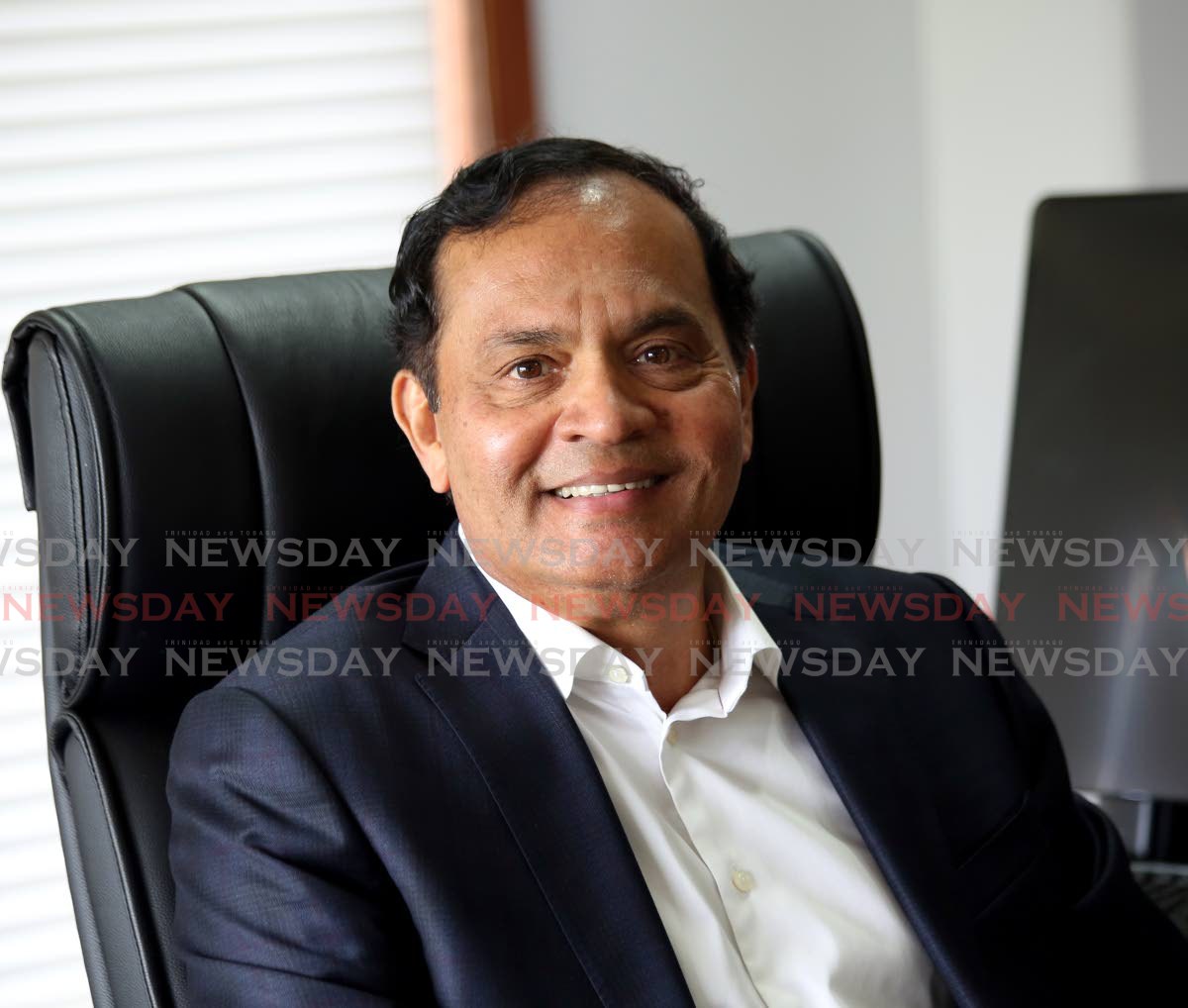
Forged in innovation, driven by purpose
In a powerful address to the 2025 graduating class of the University of Trinidad and Tobago (UTT), Sieunarine Persad Coosal, Executive Chairman of the Coosal’s Group of Companies and honorary doctor of entrepreneurship and innovation, urged graduates to embrace their role as change-makers in an era of unprecedented transformation. Coosal emphasized that the world is evolving rapidly, driven by advancements in technology, artificial intelligence, climate change, economic uncertainty, and social inequality. He challenged the graduates not to passively adapt to these changes but to lead them with purpose and innovation. Coosal highlighted the importance of resilience, creativity, and a mindset focused on solutions rather than problems. Drawing inspiration from historical figures like Thomas Edison and Malala Yousafzai, he reminded the audience that failure is a stepping stone to progress and that true success lies in uplifting others. Coosal called on the graduates to use their education to make a meaningful impact on their families, communities, and nation, urging them to dream boldly and act with purpose. He concluded by celebrating their achievements and potential, describing them as the architects of a resilient and prosperous future.
-
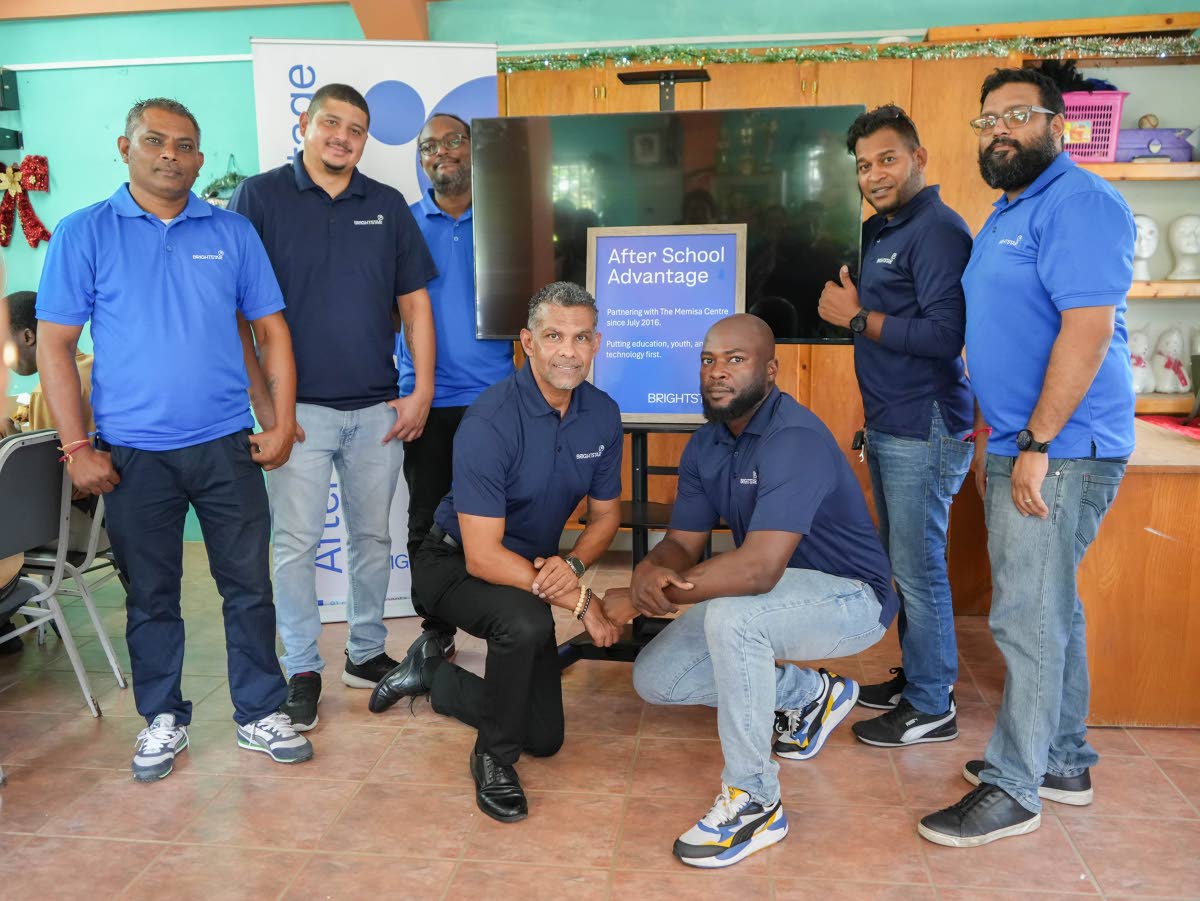
Brightstar empowers Memisa Centre with learning technology
Brightstar Lottery celebrated International Men’s Day on November 19 by making a transformative technology donation to The Memisa Centre, a residential facility in Arima, Trinidad and Tobago, dedicated to supporting adult men with intellectual disabilities. The donation, facilitated through Brightstar’s After School Advantage (ASA) programme, included digital projectors, Samsung tablets, and Smart TVs, aimed at enhancing the centre’s vocational training and life skills programmes. Brightstar employees also volunteered their time to install the equipment and engage with the trainees, fostering meaningful connections and encouragement. The Memisa Centre, which currently serves 15 trainees, focuses on areas such as food preparation, agriculture, beauty, and remedial education. Michelle Baptiste-Games, acting manager of the centre, emphasized the impact of the donation, stating that the new technology would bring lessons to life, promote interaction, and build confidence among the residents. Desmond Sydney, Brightstar’s retail manager, highlighted the company’s commitment to inclusion and community development, viewing International Men’s Day as an opportunity to serve as positive role models. This initiative marks another milestone in Brightstar’s ongoing partnership with The Memisa Centre, which began in 2016.
-

Bryden pi supports animal welfare organisations
In a heartwarming display of corporate compassion, Bryden pi, through its newly launched Pawfect Pets brand, has extended its support to local animal welfare organizations with a generous donation of $10,000 and a dedicated volunteer day. The initiative, which took place on November 21 at the Trinidad and Tobago Society for the Prevention of Cruelty to Animals (TTSPCA), underscores the company’s commitment to community and care.
The donation, part of Bryden pi’s corporate social responsibility (CSR) programme, was distributed among several local animal welfare organizations. The TTSPCA received $5,000 to support ongoing shelter operations and animal rescue initiatives, while the Mustapha Project and Animals Alive TT each received $2,500 to aid in rescuing, fostering, rehoming, and providing veterinary care for animals in need.
Sheena Alexander, TTSPCA supervisor, accepted the donation from Wendy Mahabir, division manager at Bryden pi, on behalf of Pawfect Pets. The event also saw Bryden pi team members actively participating in animal care, feeding, and maintenance activities at the TTSPCA, embodying the company’s belief that corporate responsibility begins with personal action.
Nabila Lackhan, senior brand manager at Bryden pi, emphasized the company’s dedication to animal welfare. ‘Pawfect Pets was created to care for animals, and this initiative allows us to take that care one step further – by giving back to the organizations that dedicate their time and resources to animal welfare every day,’ she said. ‘Through donations and active volunteering, we are proud to help create a better, kinder community for all creatures, big and small.’
The Pawfect Pets line, which includes Waterless Shampoo, Puppy Shampoo, Oatmeal Shampoo, and Whitening Shampoo, is designed with love and protection in mind, reinforcing Bryden pi’s message of empathy and responsible care. The company’s CSR philosophy, centered on ’empathy in action,’ continues to drive meaningful initiatives that align with its core values and connect with the community.
-

Wintering in the Caribbean
As winter approaches, the boreal forests and tundra of the far north signal the start of a remarkable natural phenomenon: bird migration. In the southern Caribbean, this annual event brings a flurry of avian activity, with species like the spotted sandpiper and blackpoll warbler making their way to warmer climes. These birds, driven by ancient instincts, traverse vast distances, some covering the equivalent of a lunar journey over their lifetimes. The spotted sandpiper, for instance, arrives in Trinidad and Tobago in August, shedding its spotted plumage for a more subdued winter look, only to regain its vibrant appearance by April in preparation for its return north. The migration is not just a visual spectacle but also an auditory one, with warblers adding their melodic chirps to the Caribbean soundscape. However, this natural rhythm faces challenges from human activities and extreme weather events, which can disrupt migratory paths. Despite these obstacles, the resilience and adaptability of these birds underscore their role as true global citizens, offering lessons in sustainability and ecological balance.
-

San Fernando chamber seizes new opportunities for wealth creation
The Greater San Fernando Area Chamber of Commerce has unveiled a groundbreaking initiative poised to reshape the economic landscape of southern Trinidad. The Southern Investment and Marketing Co-operative Credit Union Society (SIMCO-OP), set to launch early next year, aims to provide tailored financial solutions for micro, small, and medium-sized enterprises (MSMEs). This initiative is expected to unlock new opportunities for financing, wealth creation, and business growth in the region.
Kiran Singh, president of the chamber, announced the initiative during the annual Christmas charity event, ‘Mix and Mistletoe,’ held on November 15 at Achievors Banquet Hall in La Romaine. Singh emphasized that SIMCO-OP will not only facilitate business development but also foster job creation and wealth generation. The cooperative plans to host pop-up markets and workshops to support entrepreneurs and the broader community.
In addition to SIMCO-OP, the chamber is rolling out a comprehensive health plan for its 153 members and introducing a multi-faceted discount card to reduce operational costs. These efforts underscore the chamber’s commitment to enhancing its role in the national financial system and bolstering the economic resilience of its members.
The chamber is also expanding its international presence, with members participating in global trade events such as the Consumer Electronics Show in the US, a pharmaceutical expo in India, and trade forums in China. A recent seminar on ‘doing business with India,’ hosted in collaboration with the Indian High Commissioner, further broadened international trade opportunities.
Regionally, the chamber has forged ties with the Georgetown Chamber of Commerce in Guyana, with a trade mission planned for the new year. Exploratory engagements with the Jamaican market are also on the horizon for 2026. These partnerships aim to provide southern businesses with access to shared information networks and new markets.
The chamber is collaborating with the San Fernando City Corporation to upgrade public spaces like Harris Promenade and enhance security measures. Two televisions were donated to the TT Police Service for improved monitoring in downtown San Fernando, with local businesses contributing CCTV cameras.
Singh highlighted the chamber’s efforts to restore San Fernando’s status as Trinidad and Tobago’s industrial capital. He encouraged members to explore opportunities in the global services sector, a trillion-dollar industry with significant potential for export diversification and foreign-exchange earnings.
Neil Gosine, parliamentary secretary at the Ministry of Trade, Investment and Tourism, commended the chamber for its dual focus on economic leadership and social responsibility. He outlined several government projects under the TT Revitalisation Blueprint, including a waterfront redevelopment in San Fernando, a new highway, and the transformation of a legacy hospital into a modern health city. These initiatives aim to create over 50,000 jobs and position Trinidad and Tobago as a global investment and tourism hub.
Gosine also announced the upcoming launch of the Private Sector Organisation of TT (PSOTT) and a ‘Buy Local, Build Trinbago’ campaign to reduce import dependency and boost domestic production. He reaffirmed the government’s commitment to supporting private-sector growth as a cornerstone of national development.