作者: admin

  • Municipal cop charged with Eversley’s murder

    Municipal cop charged with Eversley’s murder

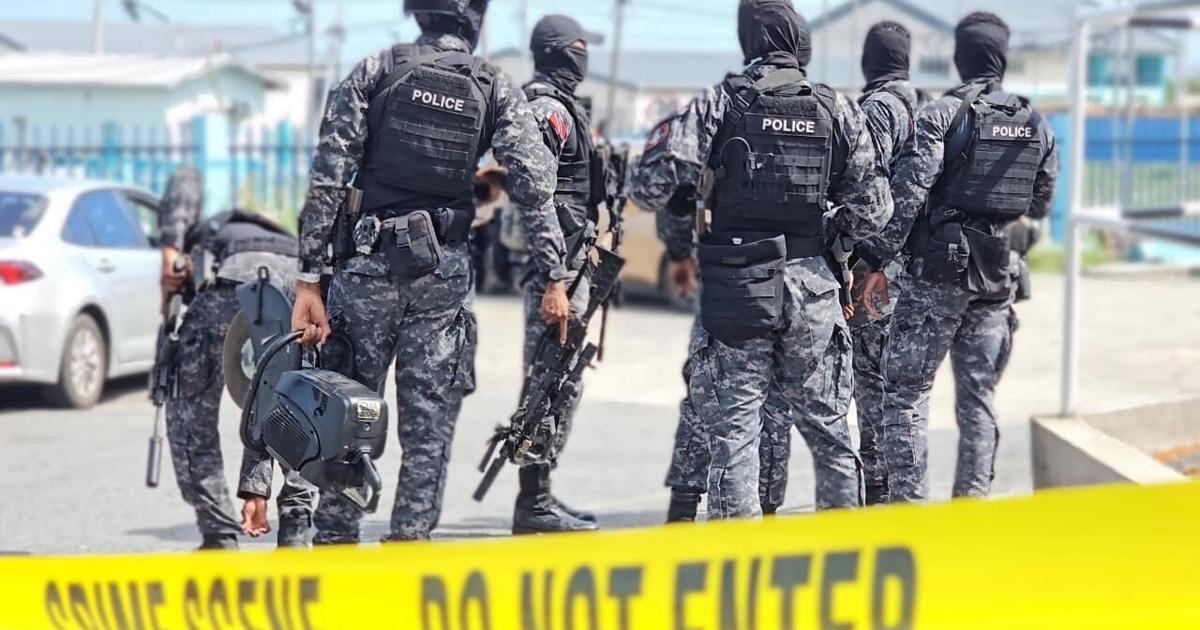
    In the wake of a high-profile, shocking killing that has roiled Trinidad and Tobago’s law enforcement community, Director of Public Prosecutions Roger Gaspard, SC, has formally authorized criminal charges against a serving municipal police officer connected to the death of acting corporal Anuska Eversley. Late Tuesday, Gaspard issued charging instructions for 28-year-old Jivon Cooper, a resident of Cedar Hill, Claxton Bay, who faces four separate counts: murder, robbery with violence, firearms trafficking, and illegal possession of ammunition. The charges stem from a violent incident that unfolded last Sunday at the San Fernando Municipal Police Station.

    The investigation, which has moved at a rapid pace, was launched after Eversley’s colleagues arrived for duty early Sunday morning and discovered blood seeping out of her on-site quarters. Just after 4:40 a.m., they found the 36-year-old’s lifeless body resting on a mattress inside the station, and her remains were later moved from the facility to King’s Wharf along Lady Hailes Avenue. Following the discovery of Eversley’s death, homicide investigators launched an immediate probe, with Gaspard formalizing charging instructions after closing consultations with senior leads from Homicide Region III, including Superintendent Persad and acting Assistant Superintendent Mahara.

    Beyond the murder of Eversley, the incident exposed a massive security breach at the municipal police facility: investigators confirmed that a large cache of weapons and ammunition was stolen from the station’s secure strongroom. Initial reports peg the stolen stock at more than 100 firearms and 4,000 rounds of ammunition, though law enforcement has already made significant recoveries: to date, officers have seized 43 illegally held firearms and 929 rounds of ammunition connected to the case. In addition to Cooper, nine other suspects remain in police custody pending further investigation, while two people who were detained earlier in the probe have since been released from custody. ACP Surrendra Sagramsingh, the head of the Trinidad and Tobago Municipal Police Service, has also been placed on administrative leave as the investigation into the security breach continues.

    Police Commissioner Allister Guevarro has publicly confirmed the pending charges against Cooper, issuing a strongly worded statement emphasizing that no member of law enforcement is exempt from the rule of law. Guevarro commended the investigative team for its swift, detail-oriented work, noting that the rapid progress reflects the professional standards the Trinidad and Tobago Police Service (TTPS) upholds across all ranks. “Their decisive action brings us closer to justice for the family and colleagues of Acting Corporal of Police Eversley and for a nation traumatised by this deeply troubling act of betrayal,” Guevarro said in the official TTPS release. “The lure of greed and quick money can never justify the betrayal of public trust.”

    Guevarro framed Eversley’s killing inside a police station as an unprecedented “shocking moment to the nation”, highlighting the breach of public trust that accompanied the crime. The commissioner confirmed that the ongoing investigation is being jointly coordinated by Deputy Commissioner of Police Natasha George, Assistant Commissioner of Police Richard Smith, and Senior Superintendent of Police Sean Dhillpaul of the Homicide Bureau of Investigations Region Three, with on-the-ground supervision handled by Supt Persad and the HBI Region Three team. Investigators expect Cooper to make his first court appearance as early as Friday, or early next week at the latest.

    In his statement, Guevarro also reiterated that all officers, regardless of their posting—whether municipal, transit, estate, special reserve, or regular police—are bound by their oath of office to uphold public safety and integrity. “For those who choose corruption and criminality, we will leave no stone unturned to remove you from among the officers who risk their lives daily to protect our citizens and place you instead among those who enjoy State-provided accommodation with reinforced burglar-proofing and 24-hour security,” he said, adding that the TTPS remains fully committed to preserving the integrity of the national police force.

  • No Cabinet reshuffle on the cards’

    No Cabinet reshuffle on the cards’

    On the eve of marking one full year in office, Trinidad and Tobago Prime Minister Kamla Persad-Bissessar has confirmed that no immediate Cabinet reshuffle is planned, while offering a candid assessment of her administration’s early progress – most notably a significant drop in national crime rates. The Prime Minister made the announcement Saturday following a sod-turning ceremony for the new Hilton Garden Inn development at South Park in San Fernando, where she fielded questions from reporters on two key topics: the widely speculated restructuring of ministerial portfolios and her government’s performance ahead of its first anniversary.

    When asked about the possibility of reshuffling her Cabinet ahead of the milestone, Persad-Bissessar made her position clear: “There is no reshuffle on the cards at this time.”

    Turning to reflection on her administration’s first 12 months in office, the Prime Minister struck a balanced tone, acknowledging meaningful progress while emphasizing that a large volume of work remains to fulfill campaign pledges to the public. “I think we’ve done a lot. There’s still so much to do…we have many promises to keep… and I’m not shirking from that. I’m looking forward to continue to work for the people of our country,” she said.

    A full comprehensive breakdown of the government’s completed projects and policy achievements over the past year will be delivered by Persad-Bissessar this weekend at a national address hosted by the United National Congress at Couva South Hall. The Prime Minister used her earlier media interaction to highlight one key early win that formed the centerpiece of her party’s election campaign: falling crime statistics.

    Persad-Bissessar noted she is encouraged by consistent downward trends in criminal activity, though she stopped short of declaring victory on the issue, stressing that ongoing work is critical. “Crime was something we campaigned heavily on, and we have some achievements, (but) as I say, much more to do. Murder is down by 42%. Serious crime is down by 30%,” she told reporters. “Crime is down from 600 to whatever it was at the end of last year. And again, this year, so far, from last year to now, that too is down. So, I am very happy about that, but I’m not overjoyed, because I think there’s still much more to do.”

    She also clarified a key distinction in the government’s approach, explaining that the administration has implemented what she calls an “anti-crime plan”, rather than a generic crime plan – a deliberate framing that she said rejects the idea that the status quo works for criminals. “The crime plan is in the hands of the criminals, and the anti-crime plan, as I said, state of emergency (SoE) is one part of it. It is not the be all and end all of it,” she explained.

    Beyond a state of emergency, the government’s multi-pronged anti-crime strategy includes embedding police officers in primary and secondary schools, expanding the total size of the national police service through new recruitment drives, and allocating additional patrol vehicles to frontline law enforcement teams to improve response times. When asked about the long-delayed reform of national firearms legislation, Persad-Bissessar confirmed that policy development is currently ongoing in collaboration with the Law Reform Commission. She added that she has ordered comparative research into regulatory frameworks used in other Commonwealth countries to identify evidence-based models that can be adapted for local use. “Yes, we will reform it,” she confirmed.

  • 5 more officers sent on leave

    5 more officers sent on leave

    Authorities have placed five additional San Fernando Municipal Police Station personnel on administrative leave, ramping up probes into the fatal shooting of acting corporal Anuska Eversley and the brazen theft of dozens of firearms and ammunition from the facility early last week. The Sunday incident has sent shockwaves through Trinidad and Tobago’s law enforcement community, triggering a sweeping internal overhaul even as investigators close in on persons of interest and recover leads on stolen weapons.

    Senior law enforcement sources confirmed to local outlet Express that San Fernando Municipal Police Superintendent Dustan Renn, alongside four constables who were on duty alongside Eversley during the fatal shift, were ordered to take immediate paid leave. In a separate connected development, the contract of Senior Superintendent Cecil Santana, the station’s top command, has been terminated and not renewed. Santana, whose contract officially expired on April 5, had previously received verbal promises of an extension before the high-profile attack, but those guarantees were withdrawn in the wake of the incident, sources said.

    The personnel changes extend beyond the station level: on Tuesday, Municipal Assistant Commissioner of Police Surrendra Sagramsingh was also placed on immediate administrative paid leave via an official letter dated April 21, 2026, issued by the acting permanent secretary at the Ministry of Rural Development and Local Government. The correspondence explicitly noted that Sagramsingh’s leave is a precautionary step designed to protect the integrity of the ongoing investigation, and does not amount to a finding of misconduct or legal liability on his part.

    Investigators have clarified that the officers placed on leave are not automatically classified as suspects in Eversley’s murder or the weapons heist. Instead, the step was taken because all affected personnel had either access to areas of the station central to the probe or held operational responsibility for station security at the time of the attack.

    New details on the attack itself have also emerged from law enforcement sources. Eversley was on duty the night before the killing, Saturday, and offered to secure the downstairs charge room while her two on-duty colleagues rested upstairs. Two additional officers assigned to the shift were working out of a remote sub-office on San Fernando’s Penitence Street at the time, leaving Eversley alone as the only active officer in the main station building.

    Per witness and intelligence accounts, a silver vehicle was parked outside the station compound ahead of the attack. After killing Eversley, the primary suspect signaled for two accomplices waiting in the vehicle to enter the station, where the group stole multiple firearms and hundreds of rounds of ammunition before fleeing the scene. Investigators have named a known drug addict as the prime suspect and alleged mastermind behind the operation.

    Authorities confirmed they have developed credible intelligence on the location of at least some of the stolen weapons, and have pledged to apprehend any persons found to be aiding or sheltering the suspects involved in the crime.

    The security breach has sparked widespread public and political concern over gaps in internal police station security, and the severe risk that stolen law enforcement firearms could fall into the hands of criminal gangs and be used for additional violent crime. The incident has also intensified public pressure on Trinidad and Tobago’s national police service to deliver a full accounting of how the brazen attack on one of its own facilities was able to occur.

  • ‘Some stolen police guns sold for $10,000 each’

    ‘Some stolen police guns sold for $10,000 each’

    Nearly a week after a deadly attack on the San Fernando Municipal Police Station left an acting officer dead and over 100 firearms stolen, investigators tracking the missing weapons have received verified intelligence showing that several stolen Glock pistols have already been sold to criminal networks for as much as $10,000 per unit.

    Multiple law enforcement sources familiar with the ongoing probe have confirmed to local media that a Central Trinidad-based businessman, now considered a key person of interest, has fled to avoid arrest. Authorities allege the businessman organized the offloading of multiple stolen firearms and rounds of ammunition to two separate criminal kingpins in the last two days – one based in San Fernando, and another operating out of the Enterprise community.

    The getaway vehicle used to move the stolen weaponry out of the Claxton Bay region was identified as a Kia sedan registered to the fugitive businessman, which remains unaccounted for as of investigators’ latest update.

    Despite the setback of the missing suspect and vehicle, the investigation has recorded small wins: several persons already detained in connection with the heist have begun cooperating with authorities, providing new details that could help law enforcement recover the remaining missing stockpile.

    Investigators add the businessman has long been linked to organized criminal groups, and they are confident he was directly involved in smuggling the stolen weapons out of the police station’s secure armory.

    So far, authorities have recovered 43 of the stolen firearms. Twenty-two of those were found buried in a shallow pit at the Forres Park landfill, while the second cache of 21 guns and additional ammunition was seized during a routine highway stop near the Claxton Bay flyover on Tuesday. The stop led to the arrest of three men and the seizure of their vehicle, a white Kia K2700.

    A breakdown of the recovered weapons shows the first search yielded 10 Glock pistols, 10 M&P pistols, one Browning pistol, one Smith & Wesson pistol, and 612 rounds of 9mm ammunition. The second seizure added 14 more Glock pistols, a Benelli shotgun, one Sig MPX submachine gun, and an additional 288 rounds of 9mm ammunition to the recovered stock.

    Initial estimates immediately after the attack put the number of stolen firearms at 62, taken from the station’s secure strongroom. However, Assistant Commissioner of Police Surrendra Sagramsingh, head of the Trinidad and Tobago Municipal Police Service, later issued a correction updating the total number of missing weapons to more than 100, meaning the majority of the stolen firearms remain unaccounted for.

  • Dominican Republic reduces secondary school dropout rate to 5.7%

    Dominican Republic reduces secondary school dropout rate to 5.7%

    Santo Domingo, Dominican Republic – The country’s Ministry of Education has announced encouraging progress in secondary education retention, with the national dropout rate falling from 6.3% during the 2020–2021 academic year to 5.7% in the 2024–2025 school cycle. Education authorities attribute this gradual improvement to a suite of coordinated student retention policies and expanded systemic support designed to keep learners enrolled through the full academic year.

    Officials confirm the downward trend in dropouts directly stems from targeted interventions that address the root causes of early school leaving, all aligned with a national education strategic roadmap focused on bolstering continuous enrollment and academic progress. Education Minister Luis Miguel De Camps emphasized that strengthening student retention remains a non-negotiable core pillar of the current administration’s education policy. The ministry has centered its efforts on three key priorities: expanding access to secondary education, lifting overall learning quality, and expanding wrap-around support for learners at every stage of their academic careers.

    Beyond the falling dropout rate, the ministry also highlighted a concurrent improvement in secondary school promotion rates, signaling that more learners are advancing to the next grade without unnecessary delays or interruptions to their education. This overall trend, according to education officials, points to growing internal efficiency within the country’s secondary education system and the creation of more stable, accessible learning pathways for diverse groups of students.

    To sustain these gains and expand retention efforts, the Dominican government has scaled up access to technical-professional education and arts education programs, building clear connections between secondary schooling and future employment opportunities for graduates. Additional targeted initiatives include the “Secondary Advances” program, which centers on improving both quality and equity across all secondary education institutions, and the national “I Choose to Learn” public awareness campaign, which encourages out-of-school young people and adults to re-enroll and complete their secondary studies.

  • Senator Isalean Phillip named to the World Economic Forum’s 2026 Young Global Leaders

    Senator Isalean Phillip named to the World Economic Forum’s 2026 Young Global Leaders

    In an announcement that highlights the rising influence of Caribbean leadership on the global stage, Saint Kitts and Nevis Senator and Minister of State Isalean Phillip has been named to the World Economic Forum’s 2026 Class of Young Global Leaders, the WEF confirmed in an official announcement posted to its website on April 16, 2026.

    Phillip, who serves as Minister of State for Social Development and Gender Affairs, with oversight of the Ministry of Youth Empowerment, Ageing and Disability, is one of just six Caribbean leaders selected to join this year’s cohort of 118 emerging leaders under the age of 40. The 2026 group draws accomplished change-makers from more than 50 countries across sectors including academia, private business, sports, civil society, government, arts and culture, social entrepreneurship, and media.

    The Young Global Leaders initiative, launched by the WEF to identify and elevate next-generation leadership, recognizes trailblazers who demonstrate unique capacity to bring fresh perspectives, adaptive problem-solving, and courageous leadership amid global uncertainty. With this appointment, Phillip becomes part of a sprawling global network of more than 1,400 active leaders from over 120 nations, all focused on collaborative leadership development and collective action to address pressing transnational challenges.

    Throughout her tenure in the Saint Kitts and Nevis government, Phillip has centered her policy agenda on advancing equity, social protection, and inclusive governance. Under her direction, the ministry has advanced landmark updates to the country’s child protection frameworks, creating stronger safeguards for vulnerable children, and expanded accessible opportunities for meaningful social engagement for senior citizens. A lifelong advocate for marginalized communities, she has consistently pushed for expanded rights and accessibility for people living with disabilities, and has made embedding youth voices in national policy and decision-making a core priority of her work.

    The official appointment was announced to local audiences by the St. Kitts and Nevis Information Service (SKNIS) in a press release distributed from Basseterre on April 23, 2026.

  • U.S. Embassy advises travelers to monitor weather conditions in Dominican Republic

    U.S. Embassy advises travelers to monitor weather conditions in Dominican Republic

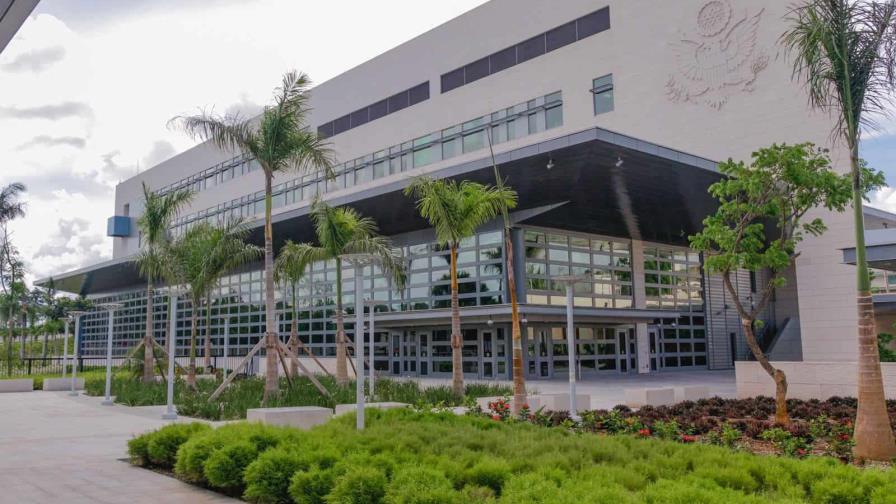
    Amid ongoing severe weather that has battered multiple regions of the Dominican Republic, the U.S. Embassy in Santo Domingo has amplified an official storm and flood warning issued by the country’s Emergency Operations Center (COE), bringing heightened attention to hazardous conditions for both local residents and international visitors.

    As sustained heavy downpours and active storm systems continue to pummel the northern Dominican provinces of Puerto Plata and Espaillat, the COE has upgraded those two areas to the highest level of red alert, signaling imminent, life-threatening weather risks. A broader swathe of the country, including the nation’s capital district known as the National District, remains under lower-level yellow and green alerts, with emergency management teams working around the clock to track evolving conditions, assess damage, and pre-position response resources if conditions worsen.

    In its public advisory, shared across the embassy’s official social media channels including Instagram, the U.S. diplomatic mission urged all people in affected zones — from local citizens to U.S. travelers staying in the country — to prioritize safety by relying on updates from official Dominican government emergency outlets, checking frequent weather forecasts, and preparing for potential secondary hazards tied to the persistent precipitation. Those hazards include widespread road closures, traffic disruptions, flash flooding, and potential landslides in low-lying or hilly areas, all of which are common during extended periods of heavy tropical rainfall in the Caribbean nation.

    The warning comes as the Dominican Republic, a top Caribbean tourist destination, regularly faces heightened storm activity during the Atlantic hurricane season, when sustained rainfall can quickly overwhelm local drainage infrastructure and disrupt travel and daily life for communities across the country.

  • Fuel Prices Trend Downward as Government Delivers Targeted Cost-of-Living Relief

    Fuel Prices Trend Downward as Government Delivers Targeted Cost-of-Living Relief

    Basseterre, St. Kitts – In a tangible win for households and businesses across St. Kitts and Nevis, targeted government interventions to ease cost-of-living pressures have already delivered visible reductions in retail fuel prices, just weeks after Prime Minister Dr. Terrance Drew outlined the relief package in a national address.

    As of April 22, 2026, the maximum retail price for unleaded gasoline across both Delta and SOL Service Stations in St. Kitts has dropped to EC$18.19 per gallon. This marks a clear downward shift from prices recorded only eight days earlier, on April 14, when Delta stations charged a maximum of EC$18.42 per gallon and SOL stations set a cap of EC$19.30 per gallon.

    The immediate price reduction stems from one core policy rolled out by the Drew administration: a temporary 50% cut to the excise tax on gasoline, which lowered the levy from EC$1.95 per gallon to EC$0.98 per gallon. This measure is set to remain in effect through July 31, 2026, and represents a direct fiscal commitment of roughly EC$1.2 million from the government, designed to buffer local consumers and enterprises from ongoing volatility in global fuel markets.

    A second key relief measure is set to appear at fuel pumps in the near future: a temporary cut to the Customs Service Charge on gasoline, which will drop from 6% to 3% also through the end of July. The full impact of this adjustment will be reflected in retail prices as new fuel shipments arrive in the federation over the coming weeks.

    Officials and economic analysts project that lower fuel prices will generate broad, positive ripple effects across the St. Kitts and Nevis economy. By cutting transportation costs for both commercial operators and private motorists, the measures are expected to stabilize overall prices for everyday goods and services, ease strain on stretched household budgets, and provide critical support to key productive sectors including agriculture, manufacturing, and logistics – industries where energy and transport costs make up a large share of operating expenses.

    The St. Kitts-Nevis Labour Party Administration has reaffirmed its commitment to advancing people-centered, strategic fiscal policies that deliver measurable, on-the-ground benefits to all citizens. Amid ongoing global economic instability that continues to put upward pressure on essential goods prices worldwide, the administration says it will maintain a proactive approach to protecting public welfare, ensuring that the gains of responsible fiscal management are shared across every segment of society.

  • URGENT : 3 departments on Alert threatened by heavy rain

    URGENT : 3 departments on Alert threatened by heavy rain

    On April 23, 2026, Haitian disaster management authorities issued an urgent weather alert, placing three northern departments of the country on heightened standby amid ongoing forecasts of heavy rain and thunderstorms. The National System for Risk and Disaster Management (SNGRD), working in coordination with the General Directorate of Civil Protection (DGDPC), has maintained a Yellow alert level for the North, Northeast, and Northwest departments, responding to persistent threats of flash floods and landslides across the far northern region of Haiti.

    Meteorological projections released on the same date confirm that unstable weather conditions will continue through the forecast period, bringing sustained downpours that raise the likelihood of sudden, life-threatening flooding and earth movement in vulnerable northern zones. Low-lying coastal areas, communities adjacent to ravines, and regions with a documented history of flood damage are identified as the highest-risk locations, prompting officials to roll out clear, actionable guidance for local residents to reduce potential harm.

    Civil protection authorities have issued specific safety instructions for populations residing in at-risk zones. First, households located near coastlines, ravines, or flood-prone terrain are advised to pre-arrange emergency shelter with relatives or friends located outside of high-risk areas to avoid being trapped by sudden flood surges. Second, officials have issued a strict warning against attempting to cross flooded waterways or roadways under any circumstances, regardless of whether travel is on foot, horseback, or by motor vehicle, as hidden debris, fast-moving currents, and weakened roadbeds create extreme, often fatal hazards. Third, residents are reminded to secure critical personal documents and valuable belongings by storing these items in elevated, water-tight locations to prevent irreversible damage.

    The alert remains in effect as meteorologists continue monitoring weather patterns, with authorities prepared to upgrade the warning level or issue additional guidance if conditions worsen across northern Haiti.

  • Ágora Mall reports major energy and water savings

    Ágora Mall reports major energy and water savings

    In the wake of 2025 International Earth Day celebrations, one of the Dominican Republic’s most high-profile retail destinations, Santo Domingo-based Ágora Mall, has publicly reaffirmed its long-standing dedication to corporate environmental stewardship by releasing a comprehensive update on the outcomes of its decade-long sustainability programs. Over 14 years of operation since opening its doors in 2012, the mall has delivered transformative reductions in resource use, cutting electricity consumption by 12% and slashing water usage by a striking 40% compared to baseline operational levels.

    These efficiency gains translate to extraordinary cumulative resource savings: more than 28.3 million kilowatt-hours of energy kept from unnecessary use, and over 810,000 cubic meters of water conserved across the mall’s history. Through the mall’s signature public-facing sustainability initiative, the “Together We Are Green” platform, paired with a formal, third-party-audited environmental management system, Ágora Mall has processed and diverted more than 4.2 million pounds of recyclable waste from local landfills. This extensive diversion effort has not only eased strain on regional waste infrastructure but also prevented the release of nearly 794,000 cubic meters of carbon dioxide, a major greenhouse gas that contributes to global climate change.

    Cony Taveras, a representative of Ágora Mall’s leadership, emphasized that embedded sustainability has never been an afterthought for the retail center, but rather a core pillar of the company’s overarching corporate strategy. Beyond internal operational changes, the mall prioritizes spreading environmental awareness to the tens of thousands of visitors it hosts annually, working to normalize and encourage eco-friendly daily habits among the general public. To extend this impact beyond its own walls, the mall maintains a permanent public recycling collection center open to local residents on weekends, creating accessible opportunities for community members to participate in formal waste recovery and recycling programs.

    Ágora Mall’s commitment to sustainable building and operations has already earned it global recognition: it holds the distinction of being the first shopping center across Central America and the entire Caribbean region to earn the coveted LEED Certification from the U.S. Green Building Council, a widely respected third-party designation that verifies adherence to rigorous global standards for sustainable construction and operational practice. Today, the mall stands as a benchmark for corporate sustainability leadership in the Latin American and Caribbean retail sector, demonstrating that commercial spaces can deliver both strong business outcomes and meaningful environmental progress.