作者: admin

  • PCT rejects U.S. access to Dominican military and airport facilities

    PCT rejects U.S. access to Dominican military and airport facilities

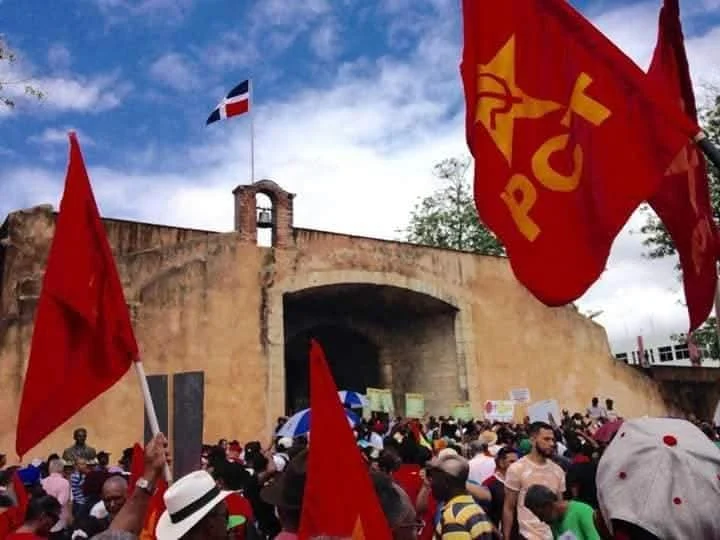
    SANTO DOMINGO – The Communist Party of Labor (PCT) has launched vehement opposition to the Dominican government’s recent authorization granting United States Armed Forces operational access to secured zones within San Isidro Air Base and Las Américas International Airport (AILA) for counter-narcotics missions. The controversial decision, officially ratified on Wednesday, has sparked significant political backlash from the left-wing organization, which characterizes the move as both an infringement on national sovereignty and a catalyst for potential regional destabilization.

    The PCT’s formal declaration emphasized that permitting foreign military entities to utilize critical national infrastructure represents a fundamental breach of Dominican self-determination. The party maintains that ultimate authority over security matters and territorial control must reside exclusively with Dominican institutions rather than external powers. Beyond sovereignty concerns, the political group highlighted apprehensions about broader geopolitical implications, suggesting that US military presence in the Caribbean could extend beyond stated drug interdiction objectives and potentially embroil the nation in indirect conflicts with neighboring states, particularly amid existing tensions involving Cuba and Venezuela.

    In response to these developments, the communist faction has demanded immediate revocation of the military access agreement. Instead, they advocate for establishing cooperative frameworks grounded in principles of mutual respect, non-interventionism, and adherence to international legal standards. The party contends that effective anti-drug trafficking operations should be conducted through enhanced bilateral or multilateral partnerships that strengthen domestic law enforcement capabilities while preserving national autonomy. This stance reflects growing ideological divisions within the Dominican Republic regarding appropriate forms of international security cooperation and the preservation of national interests.
  • BWS Denies MICS7 Claims of Contaminated Water

    BWS Denies MICS7 Claims of Contaminated Water

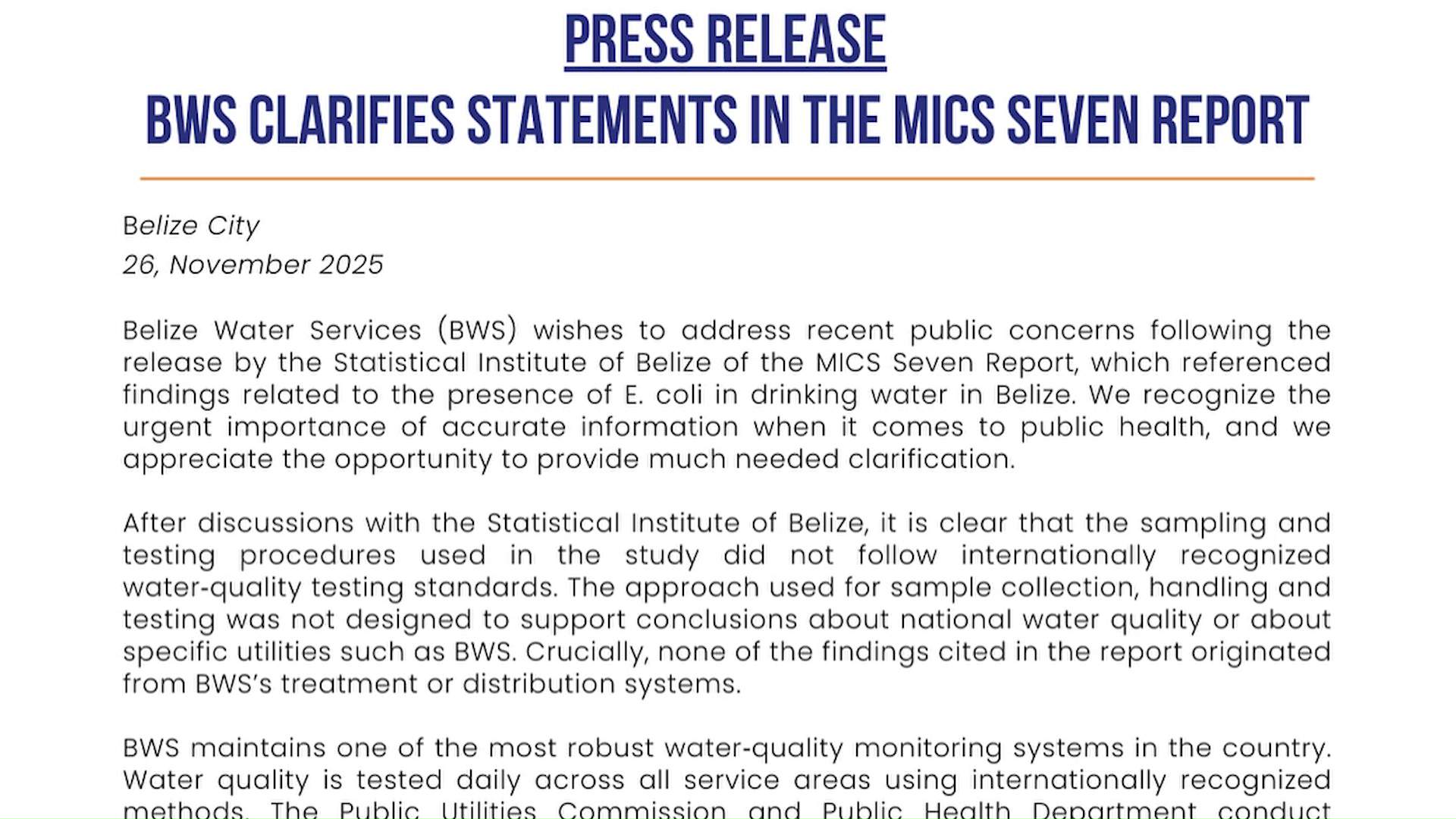
    Belize Water Services (BWS) has addressed public concerns regarding the safety of drinking water following a report from the Statistical Institute of Belize that raised alarms about E. coli contamination. BWS has firmly denied the claims, emphasizing that the findings in the MICS Seven Report lack proper context and do not reflect the actual quality of tap water. The company asserts that the testing methods used in the study did not adhere to internationally recognized standards for water-quality assessment. BWS clarified that the report’s conclusions were not based on samples from its treatment or distribution systems, which are subject to rigorous daily testing and monthly independent checks by regulators. Furthermore, BWS highlighted its participation in international benchmarking to ensure compliance with global standards. The Ministry of Health and Wellness also weighed in, stating that approximately 4,000 water samples are analyzed annually, confirming the safety of the national drinking water supply. Routine microbial monitoring is conducted across various systems, including BWS operations, rudimentary systems, and bottled/purified water facilities, reinforcing the government’s commitment to public health.

  • Social Security Board Weighs BEL Investment

    Social Security Board Weighs BEL Investment

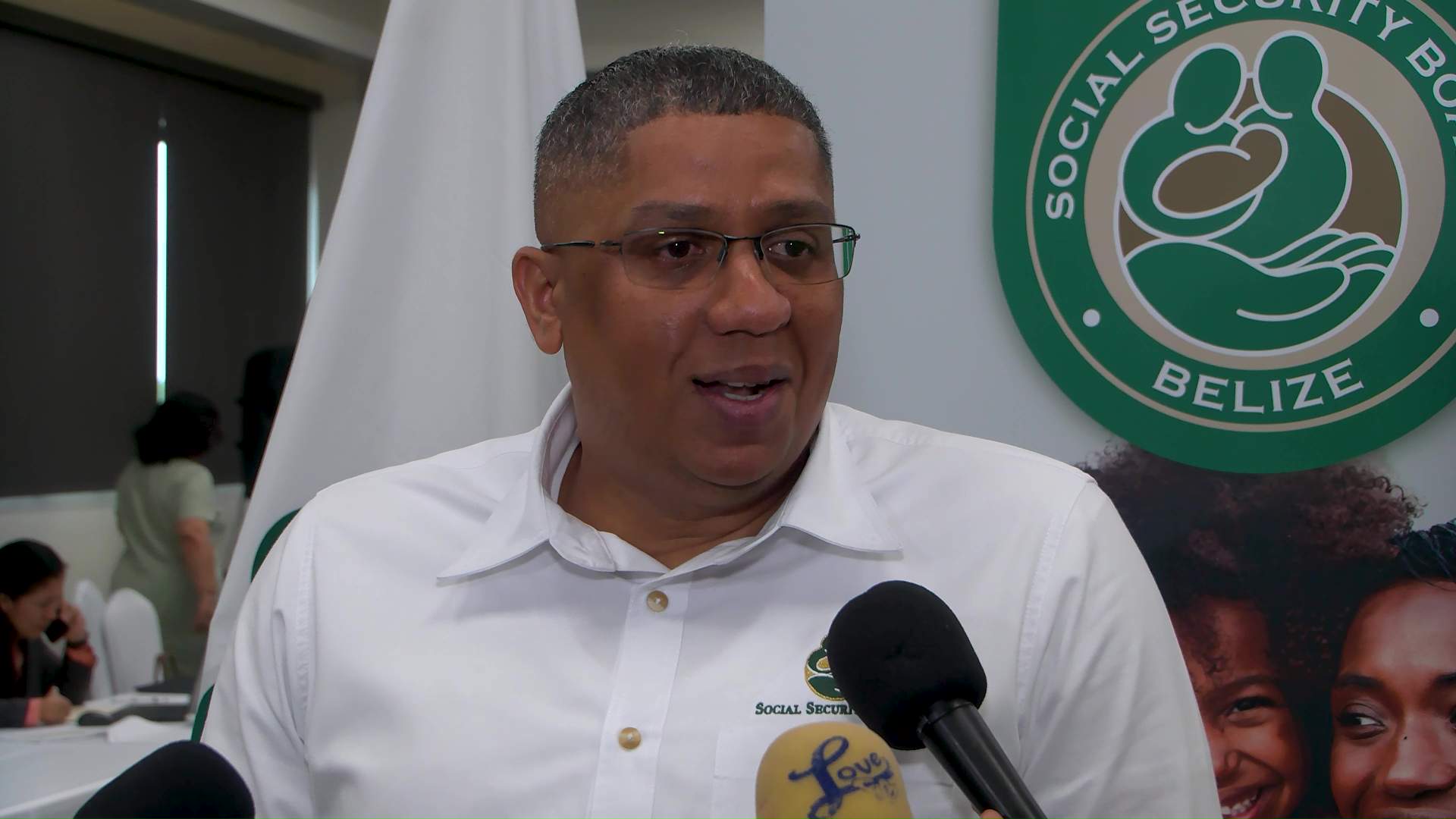
    In a significant development for Belize’s economy, the Briceño administration’s acquisition of Fortis Belize’s hydro assets and a 33% stake in Belize Electricity Limited (BEL) for $110 million Belize dollars has opened new investment opportunities. The deal, finalized in October 2025, has sparked extensive discussions in both the House and Senate, focusing on environmental concerns and long-term energy security. Prime Minister John Briceño hinted during negotiations that local investors, including the Social Security Board (SSB), were keen to participate. SSB CEO Jerome Palma recently addressed the potential investment, emphasizing the need for thorough due diligence. Palma stated that while the opportunity is promising, the SSB must evaluate the costs, returns, and overall feasibility before committing Belizeans’ retirement savings to the energy sector. He also highlighted the importance of growing reserves and exploring other secure investment avenues, such as municipal bonds and development projects, to ensure consistent returns for the fund. As Belize’s economy expands, the SSB remains committed to identifying practical, secure, and profitable investment opportunities.

  • Telecom : Internet performance results between Digicel and Natcom

    Telecom : Internet performance results between Digicel and Natcom

    A comprehensive telecommunications performance report for Haiti has revealed a clear market segmentation between leading service providers during the first half of 2025. According to data released by internet analytics firm Ookla’s Speedtest Intelligence, the Caribbean nation’s connectivity landscape shows distinct leaders in mobile and fixed broadband categories.

    Digicel emerged as the undisputed leader in mobile network performance, demonstrating significant advantages across multiple metrics. The telecommunications provider achieved a median download speed of 16.08 Mbps, substantially outperforming competitor Natcom’s 5.22 Mbps. Upload capabilities further cemented Digicel’s mobile dominance with a median speed of 11.32 Mbps. The comprehensive Speedtest Connectivity Score, which evaluates overall user experience through multiple performance indicators, ranked Digicel highest at 44.6 among Haitian mobile operators.

    Regional analysis uncovered substantial geographic disparities in mobile connectivity. Fermathe recorded the fastest median mobile download speed at 22.15 Mbps, followed by Carrefour and Port-au-Prince. Conversely, Ouanaminthe district struggled with the slowest connectivity at just 3.58 Mbps. The South Department led regional mobile performance with 15.13 Mbps, while the Northeast Department trailed significantly at 6.74 Mbps.

    In fixed broadband, Natcom established itself as Haiti’s premier internet service provider. The company achieved remarkable median download and upload speeds of 52.94 Mbps and 54.91 Mbps respectively. Natcom’s network reliability proved exceptional, with 75.6% of samples meeting or exceeding the 25 Mbps download and 3 Mbps upload threshold. The provider earned a Speedtest Connectivity Score of 57.47, reflecting superior overall user experience for fixed broadband services.

    Geographic analysis of fixed broadband revealed Carrefour as the top-performing urban center with median download speeds reaching 64.36 Mbps, followed by Port-au-Prince and Les Cayes. The Nippes department led regional fixed broadband performance at 56.15 Mbps, while the Central Department recorded the slowest speeds at 24.65 Mbps. This detailed performance assessment highlights both the progress and persistent challenges in Haiti’s telecommunications infrastructure as the nation works to bridge its digital divide.

  • Shooting near White House injures National Guard members; Trump orders reinforcements

    Shooting near White House injures National Guard members; Trump orders reinforcements

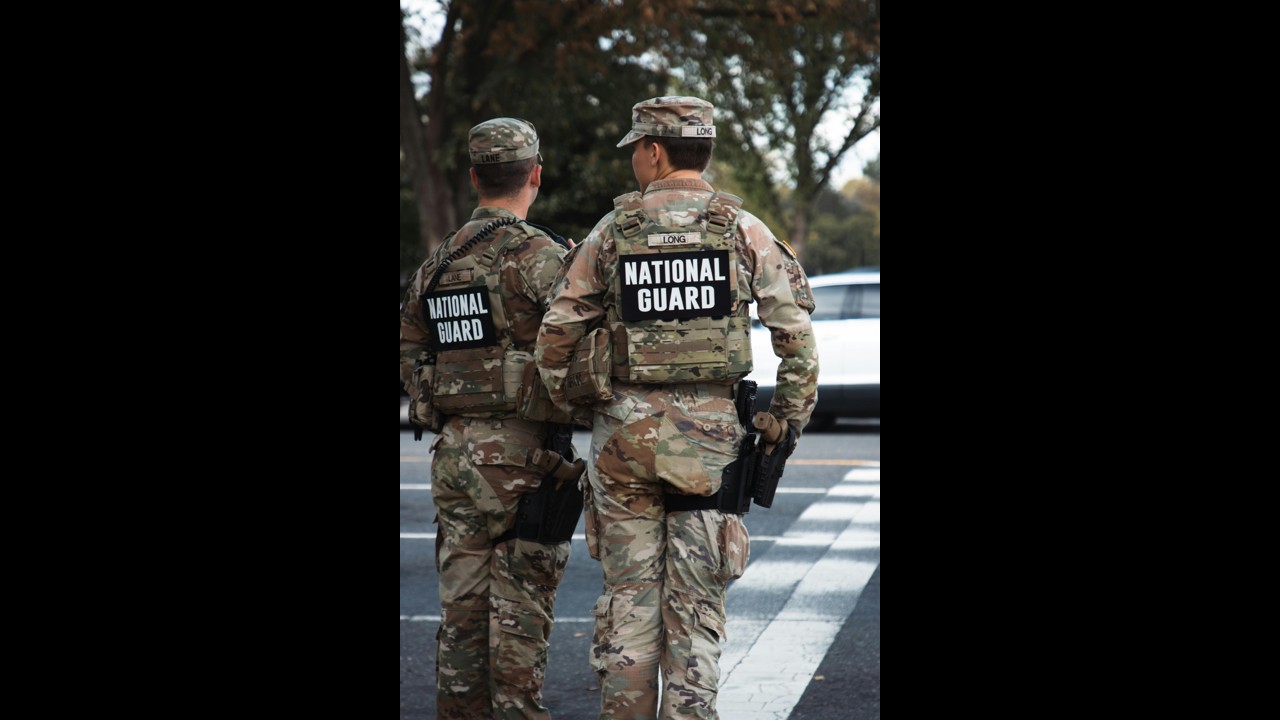
    In a shocking incident on Wednesday, two National Guard members sustained injuries in a targeted shooting near a metro station located just blocks from the White House. Officials confirmed the attack, with Mayor Muriel Bowser labeling it as a deliberate act of violence. Witnesses recounted scenes of chaos as gunfire erupted, prompting people to flee the area. Law enforcement authorities reported that one suspect was shot and apprehended, sustaining non-life-threatening injuries.

    In response to the attack, President Donald Trump, who was in Florida for Thanksgiving, announced the deployment of an additional 500 National Guard members to Washington. Defense Secretary Pete Hegseth revealed that nearly 2,200 troops are already stationed in the city. Trump vowed that the perpetrator would face severe consequences, stating, “the gunman will pay a very steep price.”

    Vice President JD Vance expressed his concern for the wounded soldiers, urging the public to pray for their recovery. He emphasized that the incident serves as a stark reminder of the risks faced by service members in their line of duty.

    The National Guard has been actively deployed in Washington since August under an emergency order issued by President Trump. Their duties include patrolling neighborhoods, transit hubs, and public events to ensure safety and security.

  • FLASH : End of Temporary Protected Status for some 353,000 Haitians (official)

    FLASH : End of Temporary Protected Status for some 353,000 Haitians (official)

    In a significant immigration policy shift, the U.S. Department of Homeland Security (DHS) has officially announced the termination of Temporary Protected Status (TPS) for Haitian nationals, effective February 3, 2026. The decision, published in the Federal Register on November 26, 2025, will impact approximately 352,959 Haitian beneficiaries who must now either secure alternative legal immigration status or prepare for departure from the United States.

    This move follows extensive interagency consultations and a comprehensive review conducted by U.S. Citizenship and Immigration Services. Homeland Security Secretary Noem concluded that Haiti no longer meets the statutory requirements for TPS designation, determining that continued temporary protection for Haitian nationals contradicts U.S. national interests.

    The announcement marks the latest development in a protracted legal and political battle surrounding Haiti’s TPS status. The Trump administration previously attempted to terminate the program, but faced judicial intervention when Federal Judge Brian M. Cogan blocked the measure in July, ruling that the interests of Haitian beneficiaries substantially outweighed potential government concerns.

    DHS has outlined specific procedures for affected individuals, including the use of the CBP Home mobile application to facilitate what the department describes as a ‘secure and convenient self-deportation process.’ This digital platform offers a complimentary plane ticket and a $1,000 exit bonus, along with potential opportunities for future legal immigration to the United States.

    The termination decision has sparked considerable debate, with previous attempts to end TPS for Haiti having drawn opposition from Democratic lawmakers and immigrant advocacy groups who argue that ongoing challenges in Haiti warrant continued protection for its nationals in the United States.

  • Vice President inaugurates Cotoperí Solar, largest photovoltaic complex in Central America and the Caribbean

    Vice President inaugurates Cotoperí Solar, largest photovoltaic complex in Central America and the Caribbean

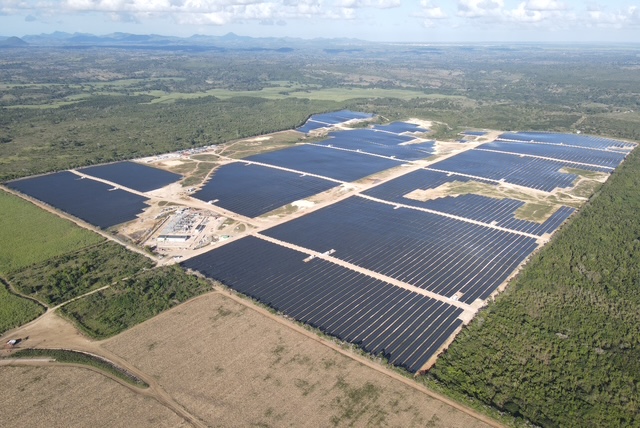
    In a landmark event for renewable energy, Vice President Raquel Peña officially launched the Cotoperí Solar complex on Wednesday, marking it as the largest photovoltaic project in Central America and the Caribbean. Situated in Guaymate, La Romana, this state-of-the-art facility boasts a nominal capacity of 162.6 MW, comprising three solar plants that are projected to generate 286 GWh of clean energy annually. This significant output is expected to offset over 210,000 tons of CO₂ emissions, an environmental impact equivalent to planting 5.5 million trees.

    The inauguration ceremony was graced by prominent figures including Energy and Mines Minister Joel Santos, Acciona President and CEO José Manuel Entrecanales, JMMB Dominican Republic Executive President Juan José Melo, and Grupo País CEO Juan Carlos País. The project is a joint venture, with Acciona Energía holding a 51% stake and Cotosolar Holding, which includes the JMMB Sustainable Energy Fund (FES), Grupo País, and other investors, owning the remaining 49%.

    Beyond its environmental contributions, Cotoperí Solar has already spurred substantial economic and social development in the region. During its construction phase, the project created over 600 direct and indirect jobs. Additionally, it has implemented community-focused initiatives benefiting more than 3,500 individuals. These programs include job placement schemes that prioritize local employment, vocational and entrepreneurship training, and road safety campaigns.

    In collaboration with Centro Arcoíris and acciona.org, Cotoperí Solar is also addressing critical infrastructure needs by improving water and sanitation access for over 4,500 residents in the Bella Vista and Villa Penca communities of Bajos de Haina. This multifaceted approach underscores the project’s commitment to fostering sustainable development and enhancing the quality of life for local populations.

  • Nieuw politie-uniform: goedkoper, tactischer en beter zichtbaar

    Nieuw politie-uniform: goedkoper, tactischer en beter zichtbaar

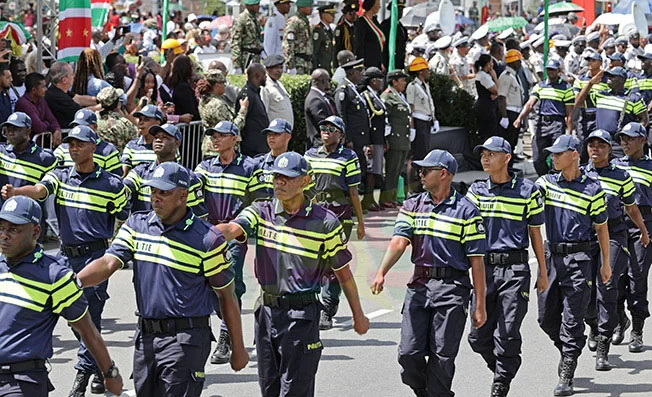
    The Suriname Police Force (KPS) has officially confirmed the adoption of a new tactical police uniform, which was first showcased during the Srefidensi Parade. This marks the end of nearly three decades of using the gray uniform introduced in 1995. Designed by police officers Levens Anastacio and Angelo Waterberg, the new uniform represents a significant modernization effort initiated in 2020, now fully approved and ready for widespread implementation. The decision to replace the outdated gray uniform stems from its inadequacy for tactical police operations. Internationally, many police forces have already updated their gear to enhance mobility and visibility in diverse conditions, and the KPS is following suit. The new uniform features a green tactical trouser, a polyester/dry-fit sweater, and a baseball cap. Notably, the design is not only more functional but also cost-effective, with production costs lower than the previous uniform. Key benefits include a unisex design, climate-appropriate materials, improved visibility, a professional tactical appearance, and reduced expenses. Additionally, the uniform incorporates elements of Surinamese identity, with color accents inspired by the national flag. The design underwent multiple revisions based on feedback from the force, and its public debut at the Srefidensi Parade served as the final test before official approval.

  • Manual line disconnection triggered nationwide blackout, report says

    Manual line disconnection triggered nationwide blackout, report says

    The Coordinating Body of the National Interconnected Electric System (OC-SENI) in the Dominican Republic has concluded its technical investigation into the nationwide blackout that occurred on November 11. The comprehensive report, now available on the agency’s website, was completed within the same month of the incident—a notably faster turnaround compared to similar investigations in countries like Spain or Chile, which can take up to five months. The inquiry was conducted by a multidisciplinary team, underscoring the urgency and thoroughness of the process. The blackout originated at the 138 kV San Pedro de Macorís I substation, where a manual disconnection of a live line caused a high-intensity short circuit. Although protection systems responded immediately, the fault led to the disconnection of several nearby lines, isolating 575 MW of generation in the eastern region from the grid. This imbalance triggered automatic shutdowns of major power plants as part of their safety mechanisms. While SENI managed to stabilize system frequency within 89 seconds, the grid’s vulnerability, due to the lack of synchronized cold reserve capacity and incomplete replacement of EDAC circuits, resulted in a sudden frequency collapse and total system shutdown. The OC-SENI report not only details the sequence of events but also proposes corrective measures to bolster grid resilience. These include installing additional protections in double-bus substations, enhancing operational protocols to integrate thermal and renewable technologies, incorporating battery-based storage for auxiliary services and black-start capability, adjusting protection settings and automatic disconnection schemes, and reviewing high-frequency criteria in generation plants. The Coordinating Body is now focused on overseeing the implementation of these recommendations to improve the efficiency, safety, and reliability of the SENI.

  • Renewed calls for passage of Dominica’s Legal Profession Bill

    Renewed calls for passage of Dominica’s Legal Profession Bill

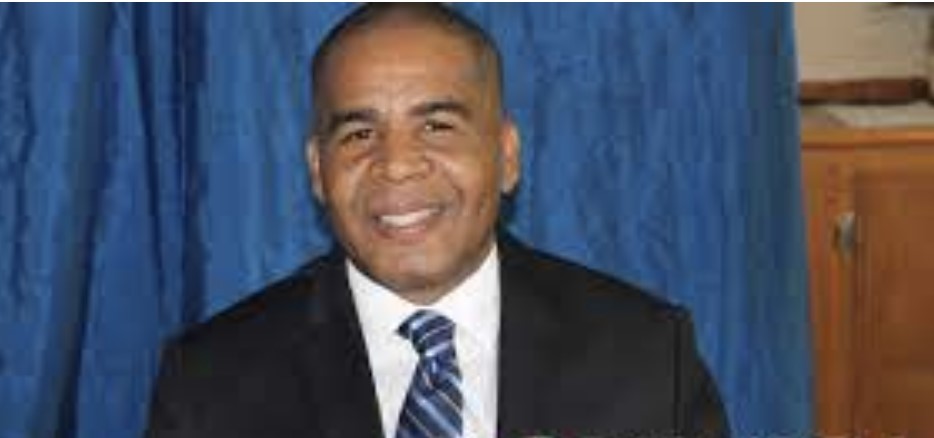
    Attorney-at-law Joshua Francis has formally urged Attorney General Levi Peters to expedite the long-awaited Legal Profession Bill, emphasizing its critical role in bolstering ethical standards and accountability within Dominica’s legal sector. In a detailed letter to Peters, Francis outlined the bill’s potential to establish clear conduct guidelines, address malpractice, and foster public trust in the legal profession. He highlighted Peters’ historical advocacy for such reforms, dating back to his presidency of the Dominica Bar Association in 2008, and called for the bill’s swift return to Parliament. The Dominica Bar Association echoed the urgency, acknowledging the bill’s importance while noting the complexities involved in its drafting. The Association revealed that multiple versions of the legislation have been reviewed over the years, with careful consideration given to aligning it with international practices. However, concerns were raised about provisions in earlier drafts that sought to regulate the Bar Association without mandating membership. The Association argued that either membership should be compulsory to enable regulation or the bill should focus solely on individual lawyers. Despite these challenges, both Francis and the Bar Association agree that the Legal Profession Act is vital for modernizing Dominica’s legal system, ensuring transparency, and protecting public interests.