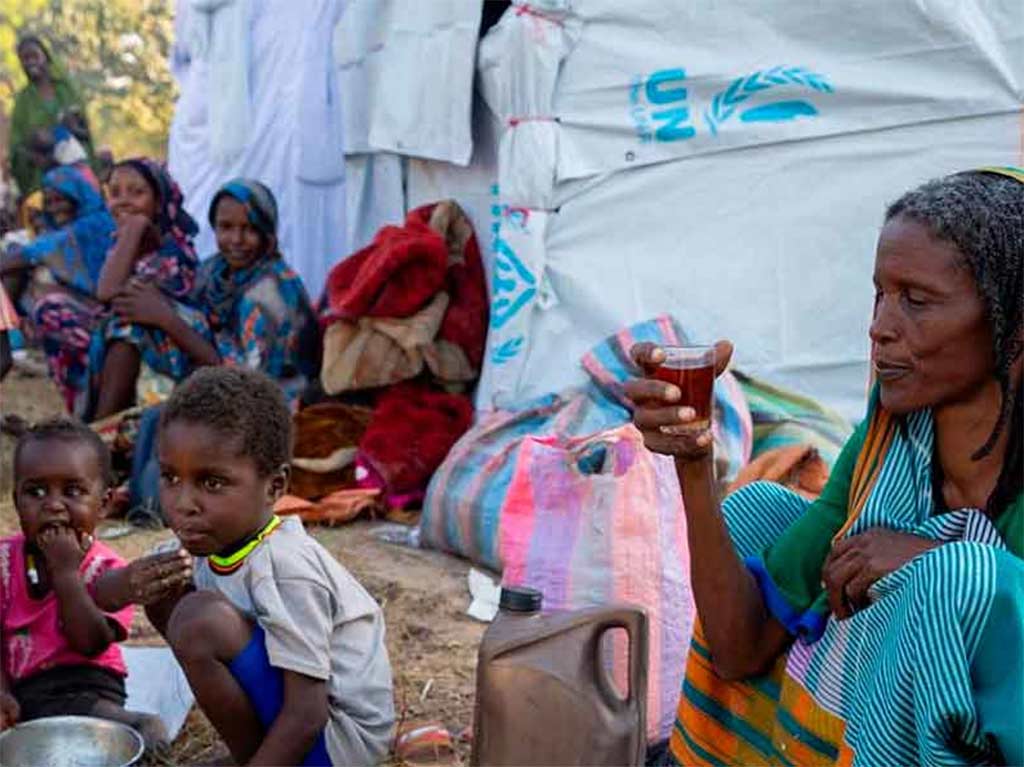
The United Nations Children’s Fund (UNICEF) has issued a grave warning regarding the escalating humanitarian catastrophe in Sudan, describing the situation as a ‘silent emergency’ for the global community but ‘deafening for the children who endure its horrors daily.’ Blanca Carazo, overseeing International Programs at UNICEF Spain, emphasized on Wednesday that millions of Sudanese children have been forcibly displaced from their homes, facing profound uncertainty regarding their next meal or access to essential medical treatment. The UN agency further reported that Sudan’s healthcare infrastructure is teetering on the brink of total collapse, exacerbated by multiple direct airstrikes targeting medical facilities. Compounding the crisis, humanitarian access remains critically constrained, severely hampering relief efforts. This devastating turmoil stems from an intense power struggle that erupted in mid-April 2023 between the nation’s military leader, General Abdel Fattah al-Burhan, and the commander of the paramilitary Rapid Support Forces (RSF), General Mohamed Hamdan Dagalo. The conflict has plunged the country into a severe internal war, creating one of the world’s most urgent yet underreported humanitarian disasters.
作者: admin
-
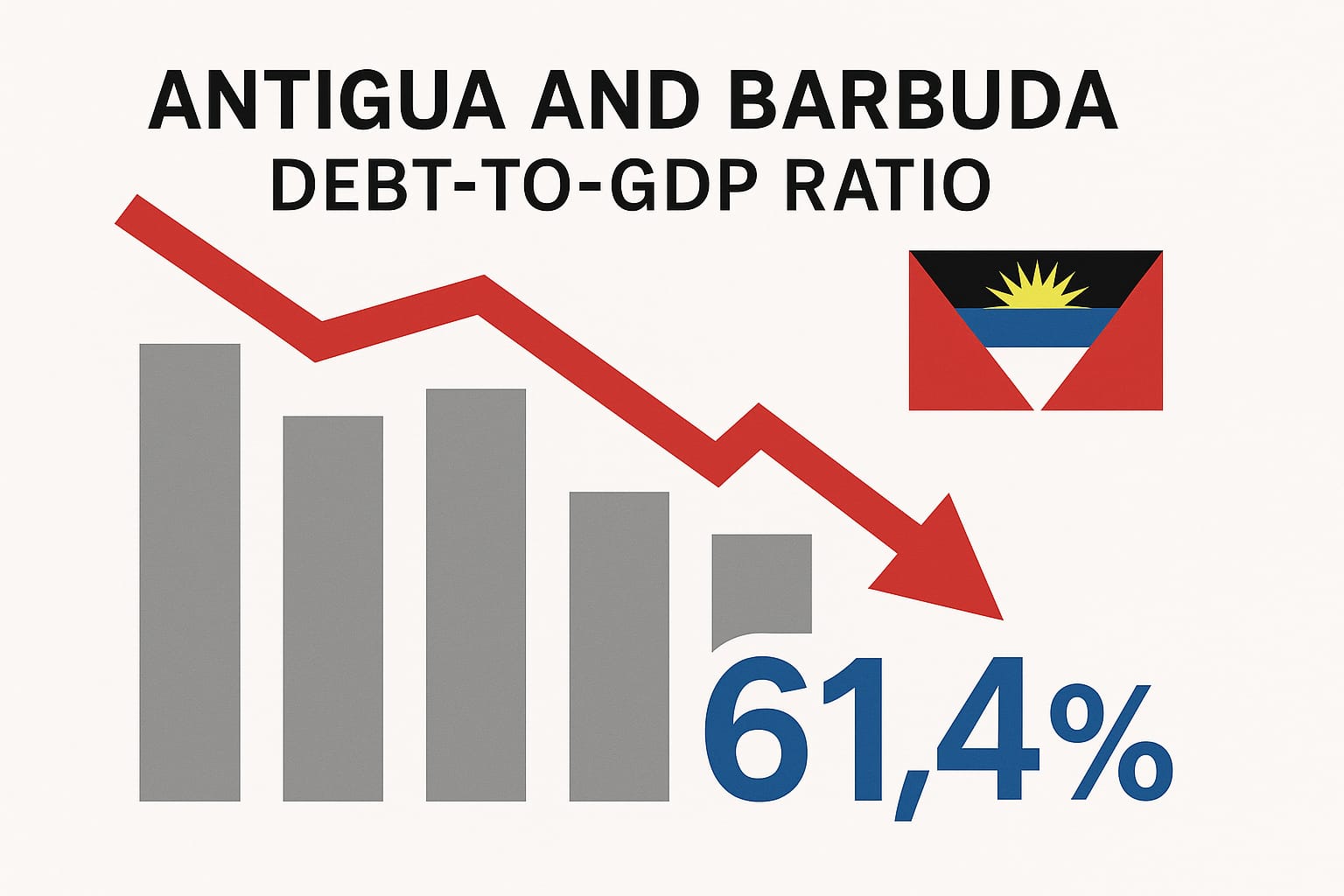
Debt-to-GDP Falls to 61.4%, PM Says, Bringing Antigua Closer Than Ever to ECCU Target
In a significant fiscal milestone, Antigua and Barbuda has achieved its most favorable debt position in over ten years, with Prime Minister Gaston Browne announcing a debt-to-GDP ratio of 61.4% during Thursday’s 2026 national budget presentation. This figure places the twin-island nation within immediate reach of the Eastern Caribbean Currency Union’s benchmark target of 60%, marking a transformative recovery from the 120% debt burden recorded in 2014.
The Prime Minister characterized this dramatic reduction—effectively halving the national debt over eight years—as concrete validation of his administration’s strategic fiscal consolidation policies. Addressing Parliament, Browne emphasized that this achievement demonstrates ‘sound fiscal management’ and positions the country favorably for enhanced financial stability.
Economic analysts note that approaching the ECCU benchmark carries substantial implications for the nation’s financial future. A lower debt ratio typically translates to improved credit ratings, reduced borrowing costs, and increased access to favorable financing terms—critical factors for sustainable economic development.
The debt reduction coincides with impressive fiscal performance, including an overall surplus of $116.3 million and a primary surplus of $254.9 million. These positive indicators have been fueled by robust revenue generation across key sectors, particularly tourism, construction, and import-related activities.
Browne’s fiscal update accompanied the presentation of the 2026 budget, themed ‘People-Centered Growth and Development,’ which prioritizes investments in education, healthcare, housing, and infrastructure. The Prime Minister assured that these initiatives would be supported by maintained fiscal discipline, noting that the government now comfortably covers all expenses, including interest payments, while retaining development funds.
Parliamentary debate on the proposed budget is scheduled to resume next week, with lawmakers expected to examine the detailed spending plans within the context of the country’s improved economic standing.
-
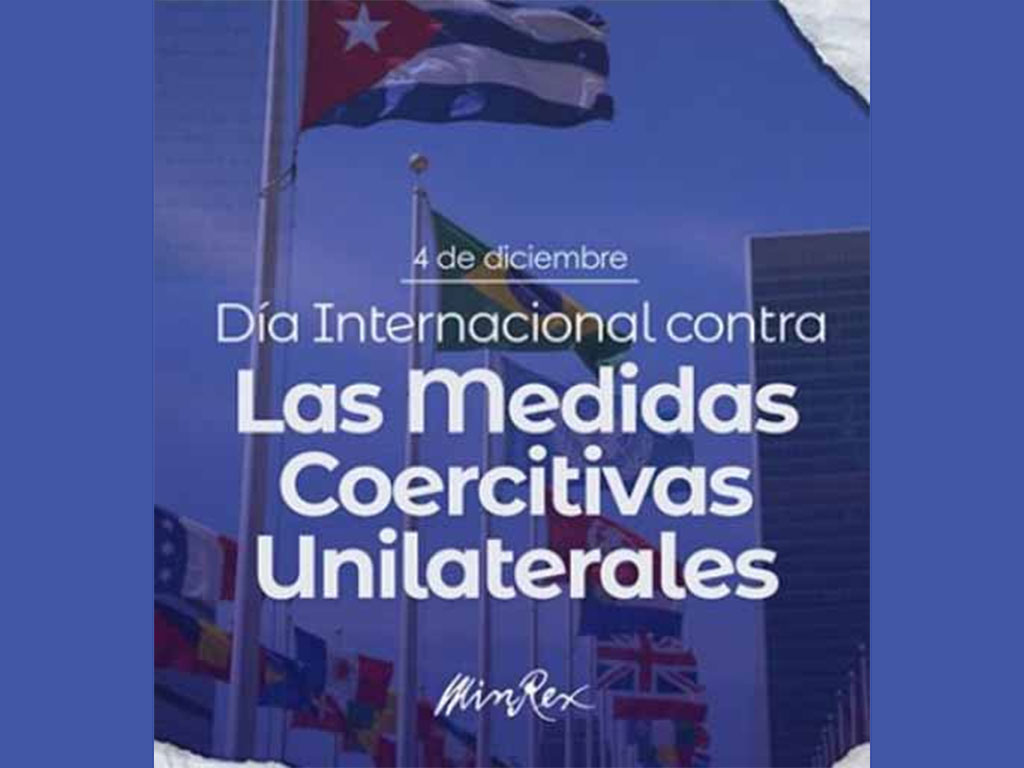
Cuba commemorates Day Against Unilateral Coercive Measures
In a forceful diplomatic statement, Cuban officials have launched a renewed condemnation against the longstanding United States economic embargo, characterizing the policy as a deliberate campaign of “economic war and intensified strangulation” against the Cuban populace. The remarks highlighted the daily hardships and systemic challenges faced by ordinary citizens as a direct consequence of the comprehensive sanctions regime.
Extending beyond national interests, the address expressed Cuba’s firm solidarity with all sovereign states subjected to comparable unilateral coercive measures. These international sanctions were categorically denounced as both “illegal and arbitrary,” representing what was described as a violation of international law and the principles of national self-determination. The rhetoric framed the embargo not merely as a bilateral issue, but as part of a broader pattern of geopolitical pressure tactics employed against independent nations.
The condemnation underscores the persistent tension in US-Cuba relations and signals Havana’s intent to continue its diplomatic campaign against the embargo on the global stage. This positioning aligns Cuba with other nations critical of the use of economic sanctions as a tool of foreign policy, seeking to build a coalition of support within international forums like the United Nations, where the embargo has been overwhelmingly criticized by the General Assembly.
-
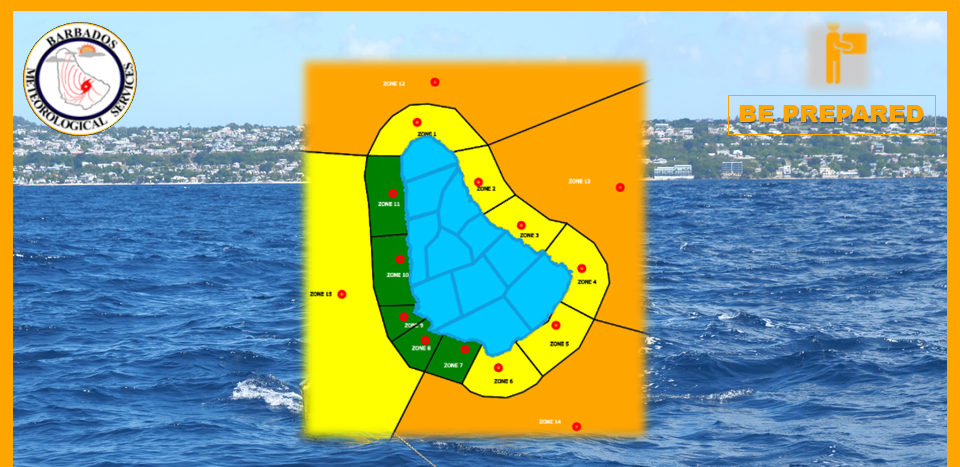
Small Craft Advisory remains in effect for Barbados
The Barbados Meteorological Services (BMS) has maintained its Small Craft Advisory through Friday evening as turbulent marine conditions persist across the island’s coastal waters. According to Thursday’s official bulletin, sustained winds measuring 20 to 25 knots continue generating substantial swells reaching 2.0 to 3.0 meters (7-10 feet) in open waters.
Meteorologists attribute these challenging conditions to a robust Atlantic high-pressure system currently influencing eastern Caribbean marine patterns. While projections indicate gradual improvement over the weekend, maritime conditions are expected to remain unstable through Friday.
Authorities have issued renewed cautions to marine operators, particularly small craft vessels and recreational beachgoers, highlighting potential navigation hazards posed by the persistent swell activity. The advisory remains effective until 6:00 PM local time on Friday, December 5th, subject to potential extension should conditions warrant.
The BMS emphasizes the importance of monitoring updates from official channels including the Department of Emergency Management and Barbados Fisheries Division. Marine stakeholders are advised to exercise heightened vigilance and adhere strictly to safety protocols issued by relevant authorities during this period of elevated maritime risk.
-
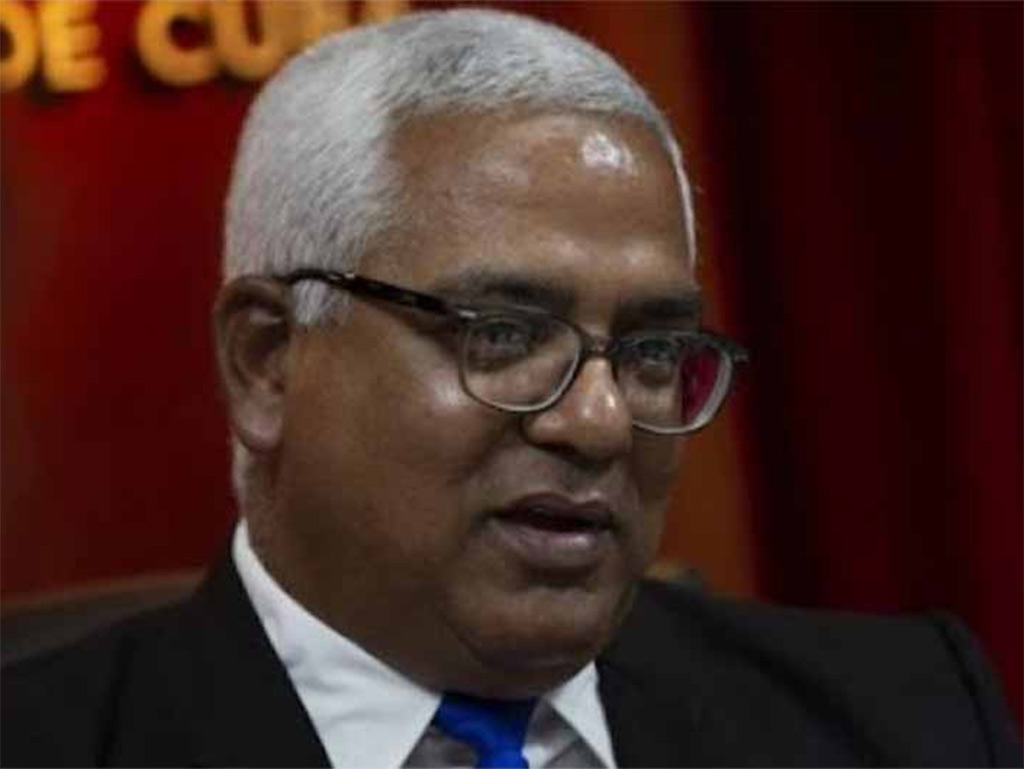
Cuba reaffirms Zero tolerance policy on drugs
Cuban authorities have detailed the nation’s ongoing battle against international drug trafficking networks during a comprehensive press briefing. Silvera, who chairs the National Drug Commission, acknowledged that while domestic drug consumption remains relatively contained, the country faces escalating challenges from increasingly diverse and potent narcotics circulating globally.
Addressing the complex situation, Silvera emphasized the government’s collaborative approach, working across multiple societal sectors to implement preventative strategies against substance abuse. This multi-faceted effort comes despite Cuba’s unique position as a non-producing and non-trafficking nation that nevertheless suffers repeated attempts at drug introduction, primarily through maritime routes.
Colonel Juan Carlos Poey, head of the Specialized Anti-Drug Unit at the Ministry of the Interior (Minint), provided critical context, noting that Cuba’s geographical placement on major trafficking corridors makes it vulnerable to transnational criminal operations. First Colonel Ivey Carballo, Chief of Staff of the Border Guard Troops Directorate, further elaborated on this strategic challenge, explaining that the nation’s position on the South-North trafficking route necessitates constant vigilance over maritime territories.
The officials highlighted the crucial role of public cooperation in anti-drug efforts, with Cuban citizens frequently assisting authorities by reporting and temporarily securing packages containing illicit substances discovered in coastal waters. This community involvement, combined with systematic institutional efforts, forms the backbone of Cuba’s comprehensive strategy to eliminate drug trafficking—a phenomenon fundamentally incompatible with the nation’s social principles and foundational values.
-
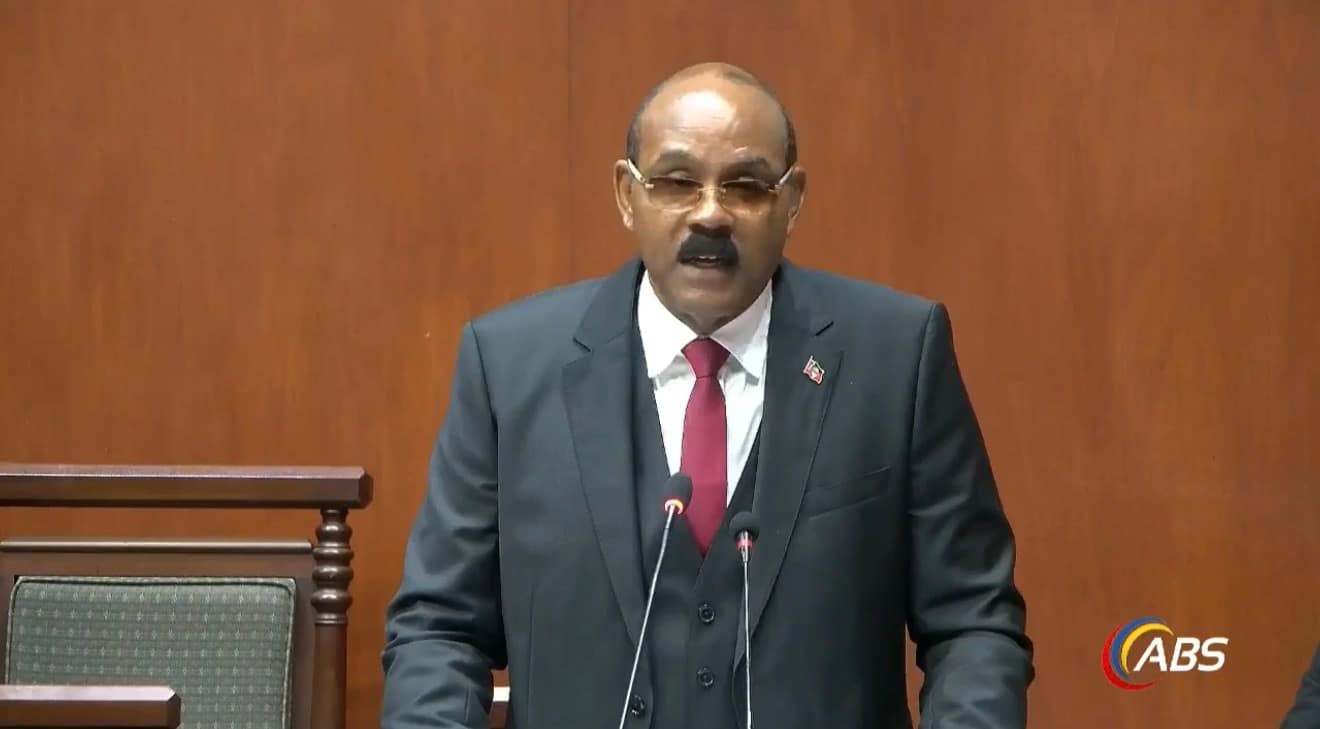
Antigua and Barbuda Records $254.9M Primary Surplus, PM Announces in 2026 Budget
In a landmark fiscal announcement, Antigua and Barbuda has revealed extraordinary financial results for the 2026 budget cycle, demonstrating one of the most robust economic performances in the nation’s contemporary history. Prime Minister Gaston Browne presented the national budget to Parliament on Thursday, disclosing a remarkable primary surplus of $254.9 million alongside an overall surplus of $116.3 million.
The substantial surpluses signify a dramatic reversal from the significant deficits that plagued the nation’s economy over a decade ago. Prime Minister Browne attributed this financial transformation to stringent fiscal discipline, consistent economic growth, and enhanced revenue generation across multiple sectors. “Achieving a primary surplus exceeding a quarter billion dollars demonstrates our capacity to meet all financial obligations, including debt servicing, while retaining substantial reserves,” Browne stated, characterizing the figures as testament to a resilient and strategically managed economy.
Critical to this fiscal success has been the dramatic improvement in the nation’s debt profile. According to Finance Ministry data, the debt-to-GDP ratio has been reduced to 61.4 percent—a sharp decline from the 120 percent level recorded when the current administration assumed office eleven years ago. This improved debt position enables the government to pursue ambitious public investment initiatives while reinforcing social safety nets for vulnerable populations.
The economic resurgence has been fueled by multiple factors including sustained growth patterns, revitalized tourism numbers, heightened construction activity, and increased import volumes. Enhanced tax compliance measures and broader post-pandemic recovery trends have further bolstered government revenues.
Under the theme “People-Centered Growth and Development,” the 2026 budget prioritizes strategic investments in education, healthcare, housing, and infrastructure development. These initiatives will be funded through the nation’s strengthened fiscal position without requiring additional borrowing.
Parliamentary debate on the budget proposal is scheduled to commence next week, setting the stage for legislative approval of the government’s economic agenda. -

Opposition Leader: 2026 budget disconnected from the people
Grenada’s parliamentary proceedings witnessed intense scrutiny as Opposition Leader Emmalin Pierre delivered a scathing assessment of the 2026 Budget presented by Finance Minister Dennis Cornwall. During the December 4th legislative session, Pierre characterized the EC$1.9 billion fiscal plan as fundamentally disconnected from citizens’ daily realities and indicative of systemic financial mismanagement.
The opposition leader articulated profound disappointment with the budget’s failure to address critical cost-of-living challenges facing Grenadians. Pierre emphasized that supermarket visits have become ‘painful exercises in survival’ amid skyrocketing electricity bills that force households to choose between basic utilities and essential medications. She particularly highlighted the government’s inadequate response to Hurricane Beryl’s impact in July 2024, demanding urgent assistance for affected communities.
Economic projections reveal concerning trends, with 2026 forecasted to exceed 2025’s deficit by EC$30.4 million, reaching EC$309.8 million or negative 7.3% of GDP. Pierre noted this represents the second consecutive year of approximately EC$300 million deficits, despite inheriting over EC$500 million in reserves during 2022. The government’s plan to borrow EC$450 million to address the growing deficit raised additional concerns about fiscal sustainability.
A particularly contentious aspect involves the budget’s new expenditure classification termed ‘initiatives,’ allocating EC$206.7 million alongside recurrent (EC$1.7 billion) and capital (EC$370.4 million) categories. Pierre criticized this as a misleading attempt to portray new project investments totaling EC$577.1 million, arguing it obscures true fiscal priorities rather than addressing public needs.
The budget debate continues with all Lower House members scheduled to contribute before proceeding to the Upper House. Grenada’s fiscal year runs from January 1 to December 31 annually, with the 2026 budget requiring parliamentary approval before taking effect on New Year’s Day.
-
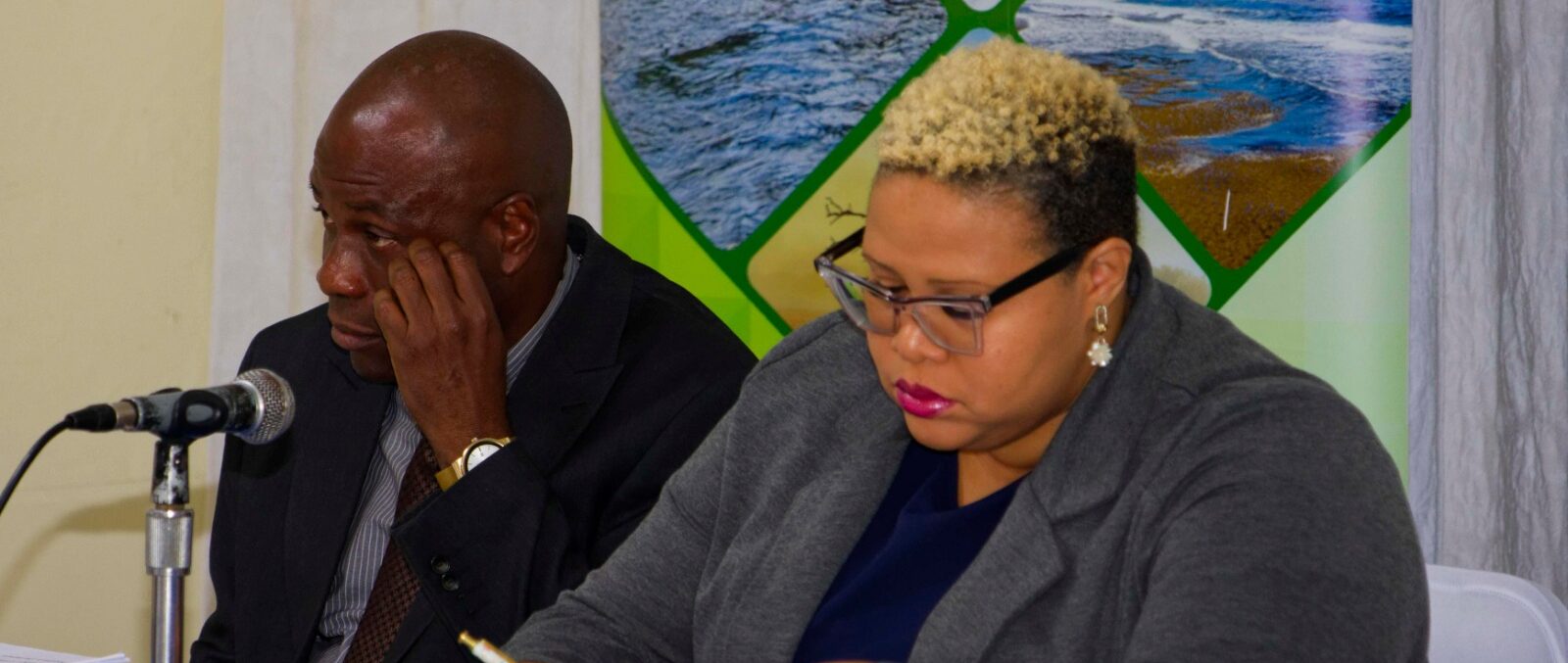
Dominica holds 5th National Climate Outlook Forum
Dominica has launched its fifth National Climate Outlook Forum at the Prevost Cinemall, gathering cross-sector stakeholders to confront escalating climate challenges under the theme “Safeguarding Health and Lives against Dust and Climate Impacts.” The initiative represents a coordinated effort to bolster national resilience through scientific forecasting and strategic planning.
Central to the discussions are the health implications of Saharan dust incursions and atmospheric pollutants, with experts emphasizing the urgent need for mitigation strategies. The forum features detailed analyses of the anticipated 2025 wet and hurricane season, providing critical data for emergency preparedness. Additionally, participants will examine projections for the 2025-2026 dry season to inform resource allocation and long-term planning.
The event serves as a collaborative platform for sharing best practices and developing practical solutions to reduce climate-related health vulnerabilities. Through structured presentations and dialogues, attendees aim to create actionable frameworks that address the interconnected challenges of air quality, extreme weather, and public health.
Notable participants included Mrs. Vernie Marcellin Honoroe from Dominica Meteorological Services, who welcomed delegates, and Mr. Adrian Thomas, Chief of Applied Meteorology at the Caribbean Institute for Meteorology and Hydrology. Key government representatives included Mr. Samuel Carrette, National Resilience Coordinator, Hon. Kent Edwards, Parliamentary Secretary for Health, and Permanent Secretary Jo-Anne Commodore from the Ministry of National Security, underscoring the multidisciplinary approach to climate resilience.
-
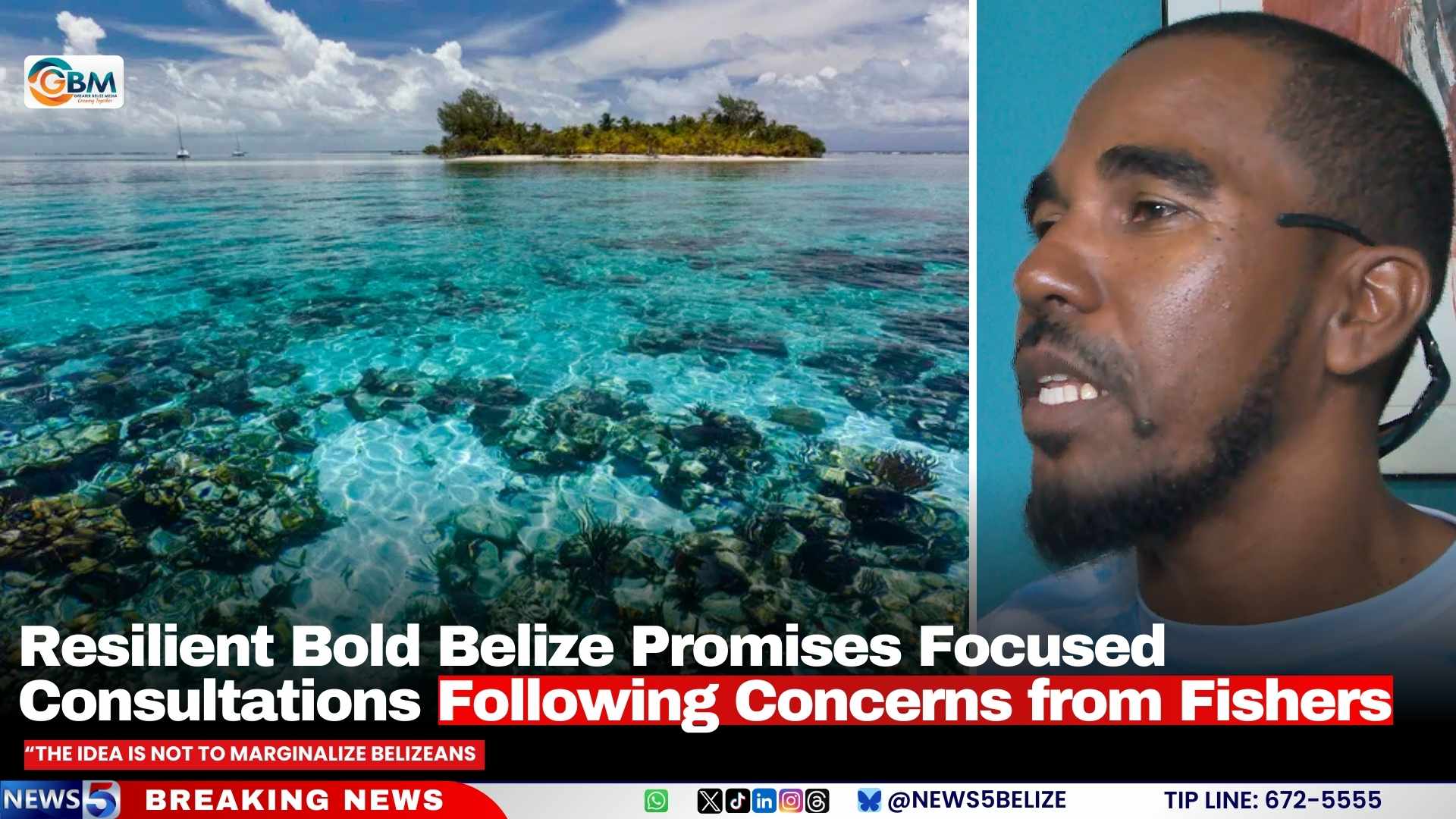
Resilient Bold Belize Promises Focused Consultations Following Concerns from Fishers
The Belizean government has committed to organizing specialized consultations regarding its ambitious Resilient Bold Belize conservation initiative, responding directly to concerns raised by fishing communities about potential impacts on their livelihoods. Beverly Wade, Chief Executive Officer of the Ministry of Blue Economy, confirmed the planned consultations following critical feedback from fisheries representatives.
The environmental protection program, designed to preserve 20% of Belize’s globally significant coral reef system, constitutes a crucial component of the nation’s broader commitment to safeguarding 30% of its ocean territory through the Blue Bond financing mechanism. This comprehensive marine conservation effort represents one of the most substantial environmental protection undertakings in the Caribbean region.
Wade emphasized the government’s receptiveness to stakeholder input, specifically acknowledging concerns raised by Eworth Garbutt, President of the Belize Flat Fishery Association. “We genuinely value the constructive feedback received from Mr. Garbutt,” Wade stated. “Our approach is fundamentally inclusive rather than exclusionary, seeking to establish an equitable balance between environmental protection and sustainable economic activity.”
The announcement follows Garbutt’s public expressions of concern regarding insufficient consultation processes for an initiative with significant implications for coastal communities dependent on fishing. The fisheries representative is scheduled to hold a press conference to elaborate on specific areas of concern identified by the fishing industry.
The development highlights the ongoing challenge facing conservation efforts in developing nations: reconciling critical environmental protection objectives with the socioeconomic needs of local communities who depend on natural resources for their subsistence and economic stability.
-
Gov’t officials confirm Dominica’s geothermal project on track for timely completion
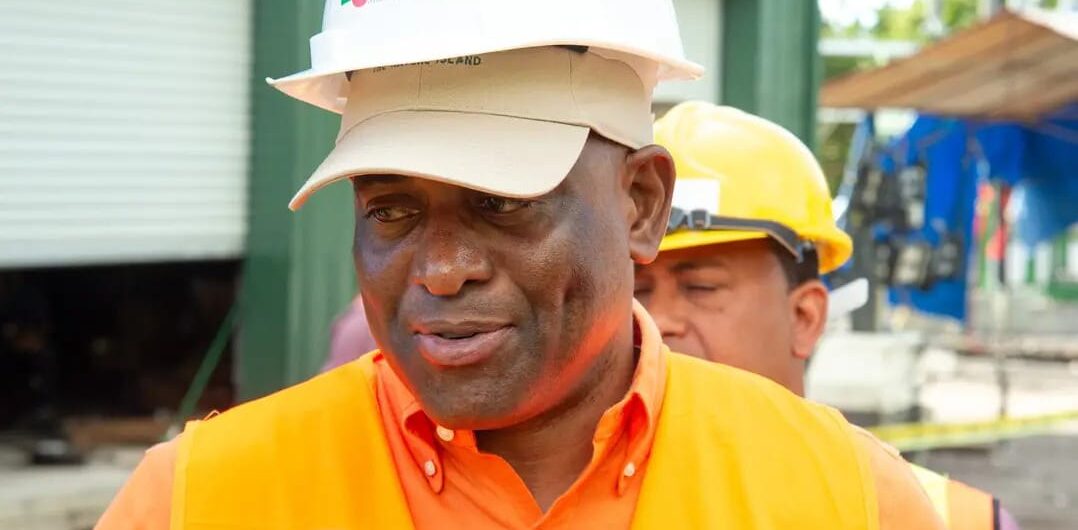
Dominica’s ambitious geothermal energy initiative has reached a pivotal construction phase, with national leaders confirming the project remains firmly on schedule for its critical February power transmission deadline. During an inspection tour of the Laudat facility, Prime Minister Roosevelt Skerrit expressed considerable satisfaction with the advancement of this transformative energy infrastructure project.
The Prime Minister specifically highlighted the February timeline for connecting the geothermal output to Dominica Electricity Services (DOMLEC), which will subsequently distribute the renewable energy to households and commercial establishments across the nation. Skerrit attributed the project’s consistent progress to the dedicated oversight provided by Energy Minister Dr. Vince Henderson, recognizing his sustained leadership and strategic guidance throughout the development process.
Both government officials praised the collaborative partnership with international geothermal specialist Ormat Technologies. Skerrit characterized the relationship as productive and professional, noting the company’s technical expertise and expressing anticipation for a continued 25-year operational partnership following plant completion.
Energy Minister Henderson echoed these sentiments, describing Ormat as an ‘excellent partner’ despite the inherent complexities of public-private infrastructure contracts. He clarified the division of responsibilities within this partnership framework: the government manages transmission infrastructure development while Ormat oversees plant construction and operations.
Henderson further confirmed the adjusted timeline, with commissioning activities beginning December 2025 and full commercial operations commencing March 2026—representing only a minimal two-month extension from original projections. The Minister emphasized that this achievement demonstrates Dominica’s capacity to successfully execute sophisticated engineering projects.
This geothermal facility, with its 10-megawatt capacity, represents a fundamental component of Dominica’s strategic shift toward sustainable energy independence. The project is widely regarded as crucial infrastructure that will substantially enhance the nation’s energy security and environmental sustainability for decades to come.