作者: admin

  • Column: Vreemdelingen, vrienden, brothers & sisters

    Column: Vreemdelingen, vrienden, brothers & sisters

    In an extraordinary display of cross-cultural connection, more than 100 journalists from 94 countries transformed from strangers into family through the China International Press Communication Center Program 2025. Despite initial language barriers and diverse backgrounds, these media professionals developed profound relationships that transcended geographical and cultural divides.

    The four-month program, which spanned from summer through early winter, provided a unique environment for building genuine human connections. Participants gradually moved beyond professional collegiality to form deep friendships rooted in shared values of truth-seeking and storytelling. Communication evolved beyond verbal language to include smiles, understanding glances, and attentive listening—creating a tapestry of human experiences that bridged national origins and beliefs.

    Seasonal changes provided a magical backdrop to their journey, culminating in a memorable first snowfall experience for many participants. The group embraced childlike wonder during midnight snowball fights on their residential plaza, creating joyful disturbances that drew curious neighbors to their windows.

    Cultural exchange reached its peak when journalists collectively learned two iconic Chinese songs—’The Moon Represents My Heart’ and ‘Zài Jiàn (Goodbye)’—adding English lyrics that expressed their emotional journey: ‘I promise you, my friend, to see you and I’m being honest/Hand in hand, we’ll walk together again.’

    As the program concludes, participants face emotionally charged farewells filled with both sadness and profound gratitude. The parting feels particularly poignant given the intensity of connections formed in this relatively brief period. Rather than viewing this as an ending, journalists are committing to maintain their bonds through future visits and ongoing communication, proving that true friendship can overcome any barrier of language, religion, or culture.

    This experience demonstrates that in an often-divided world, genuine human connection remains possible when people come together with open hearts and minds. The program has not only created lasting personal relationships but has also expanded participants’ worldviews, making the global community feel both smaller in its connectivity and larger in its possibilities.


  • ExxonMobil hires new ground transportation provider; CEO promises high quality service

    ExxonMobil hires new ground transportation provider; CEO promises high quality service

    In a significant development within Guyana’s energy sector logistics, locally-owned Scoop Inc has been appointed as the exclusive ground transportation provider for ExxonMobil Guyana. Chief Executive Officer Edmond Braithwaite confirmed the contract award on Sunday, highlighting the company’s commitment to international service standards and substantial local investment.

    The transportation company, which represents a fully Guyanese-owned enterprise, has already deployed US$2 million in capital investments and created approximately 200 jobs. With anticipated expansion into additional oil and gas sector contracts, Braithwaite projects investment growth to US$5 million and workforce expansion to nearly 400 employees.

    This contractual shift follows the termination of previous provider Cyril’s Transportation Service, whose owner was involved in a December 2024 incident involving the discharge of a licensed firearm that disabled the vehicle assigned to ExxonMobil Guyana President Alistair Routledge.

    Scoop Inc emphasizes rigorous safety protocols, including international-standard defensive driving training, random substance testing for alcohol and narcotics, and comprehensive GPS monitoring of all vehicles. The company’s fleet features emergency preparedness equipment and premium amenities including complimentary beverages from local producer Banks DIH.

    Braithwaite brings four decades of U.S. business experience to the venture, which was initiated following encouragement from family members within Guyana’s transportation industry. The launch event garnered support from Prime Minister Mark Phillips, who noted that Scoop Inc’s emergence reflects broader technological advancements and infrastructure development within Guyana’s transportation landscape.

    In a related business development, Braithwaite confirmed his leadership role at ERES Guyana Inc, a property management firm connected to U.S.-based Energy Real Estate Solutions, which counts ExxonMobil among its major clients.

  • President Abinader inaugurates El Cercado–Hondo Valle–Juan Santiago highway

    President Abinader inaugurates El Cercado–Hondo Valle–Juan Santiago highway

    President Luis Abinader has officially opened the El Cercado–Hondo Valle–Juan Santiago highway, a transformative infrastructure initiative in the Dominican Republic’s southern border province of Elías Piña. This strategic project, long neglected for years, signifies a major governmental commitment to regional integration and economic revitalization.

    Constructed by the Ministry of Public Works under the direction of Minister Eduardo Estrella, the 22-kilometer roadway represents an investment exceeding RD$1 billion. The infrastructure dramatically slashes travel duration, reducing the journey from the capital, Santo Domingo, to Hondo Valle from over six hours to approximately four. This enhancement promises to revolutionize mobility for local residents, agricultural producers, and commercial transporters alike.

    The highway’s inauguration is projected to deliver profound socioeconomic benefits. By bridging the municipalities of El Cercado, Hondo Valle, and Juan Santiago, it effectively ends decades of isolation for surrounding communities in Elías Piña and San Juan provinces. Officials project that over 45,000 individuals will experience direct and indirect advantages, including strengthened local commerce, improved access to essential services, and new economic opportunities in rural zones.

    This development is strategically designed to curb urban migration by fostering sustainable growth in agricultural production and tourism within the border region. The project also emphasizes improved road safety and reinforces the government’s dedication to comprehensive territorial integration and security, marking a pivotal step in the nation’s broader regional development agenda.

  • Guyana: een economie die explodeert, terwijl dagelijks leven onbetaalbaar wordt

    Guyana: een economie die explodeert, terwijl dagelijks leven onbetaalbaar wordt

    Guyana presents a study in economic contrasts as it undergoes one of the world’s most rapid transformations. While massive infrastructure projects reshape the coastal landscape around Georgetown and Demerara, the population grapples with living costs disproportionately high compared to local incomes. This divergence between macroeconomic indicators and daily reality defines South America’s fastest-growing economy.

    Since commencing oil production in late 2019, Guyana has achieved extraordinary economic expansion. GDP surged over 60% in 2022, followed by 20-30% annual growth in 2023 and 2024, with projections of 12-15% growth for 2025. The offshore Stabroek Block operations, led by ExxonMobil with Chevron and CNOOC, now exceed 600,000 barrels daily, driving unprecedented government revenues and foreign reserves.

    Despite these indicators, daily life reveals a different story. Senior journalist Denis Chabrol of Demerara Waves describes Guyana as effectively dollarized, with prices for imported goods mirroring US levels while average monthly incomes range between $500-600. Georgetown residents require approximately $750 monthly for basic survival excluding transportation, creating significant financial pressure.

    The monetary system exacerbates these challenges. The Bank of Guyana maintains an artificial exchange rate stability around GYD 208-215 per USD, masking a structural dollar shortage. Strict currency controls force businesses and citizens through lengthy dollar acquisition processes, fostering a parallel market where dollars trade 10-20% above official rates. These additional costs ultimately transfer to consumers.

    Wage growth remains constrained, particularly in non-oil sectors including education, healthcare, retail, and government services. This deliberate policy to avoid inflation acceleration has diminished purchasing power as fixed costs for housing, food, and transportation escalate dramatically. Street interviews near Stabroek Market reveal food prices increasing 60-100% over five years, with rents approaching Caribbean and US levels.

    Additional complications arise from migration patterns. The oil boom has attracted workers from Venezuela and Cuba, primarily filling construction, hospitality, and domestic service roles. While some positions remain unfilled by locals, the increased demand for housing and services further drives inflation in urban centers.

    Environmental challenges accompany economic growth, with waste accumulation along waterways and streets indicating inadequate waste management systems struggling to match urbanization pace.

    Guyana now stands at a historical crossroads. Without reforms in currency policy, wage development, and social investment, the nation risks falling prey to the ‘resource curse’ – where impressive economic growth coincides with decreasing affordability of daily life. For neighboring Suriname, anticipating its own oil industry emergence by 2028, Guyana’s experience serves as both mirror and warning about managing natural resource wealth for sustainable, inclusive development.

  • Rodrigues woos investors to Rupununi

    Rodrigues woos investors to Rupununi

    Guyana’s Minister of Tourism, Industry and Commerce Susan Rodrigues has issued a compelling call to action for domestic investors, urging them to capitalize on emerging opportunities in the Region Nine (Upper Takatu-Upper Essequibo) area. This appeal comes alongside significant infrastructure advancements, including the ongoing construction of the critical Linden-Lethem Road and planned development of a major international airport in Lethem.

    Addressing attendees at the Georgetown Chamber of Commerce and Industry’s annual awards ceremony, Minister Rodrigues emphasized that Guyanese businesses should not delay their strategic positioning until project completion. “Now is the time to make strategic decisions about your presence, your services and your role in that region,” she asserted, highlighting that the roadway will create direct access to substantial economic zones in neighboring Brazil.

    The Minister confirmed that contract awarding for the modern Lethem airport has been finalized, with construction scheduled to commence in 2026. Rodrigues delivered a sense of urgency to potential investors, stating plainly: “If you are not there, you’re almost late already.

    Tourism development features prominently in the government’s regional strategy, with Rupununi identified as one of ten priority locations for eco-lodge construction. Rodrigues specifically invited GCCI members to submit proposals for these initiatives, noting they represent “potential opportunities for business expansion through engagement and partnership with local communities.”

    The investment push coincides with Guyana’s remarkable tourism growth trajectory. Official projections indicate a 20 percent increase in visitor numbers compared to the previous year, with the Caribbean Tourism Organization confirming the country achieved the region’s “highest percentage increase” in tourist arrivals during the first seven months of 2025.

  • Montecristi and Dajabón producers to receive RD$23 million for solar energy projects

    Montecristi and Dajabón producers to receive RD$23 million for solar energy projects

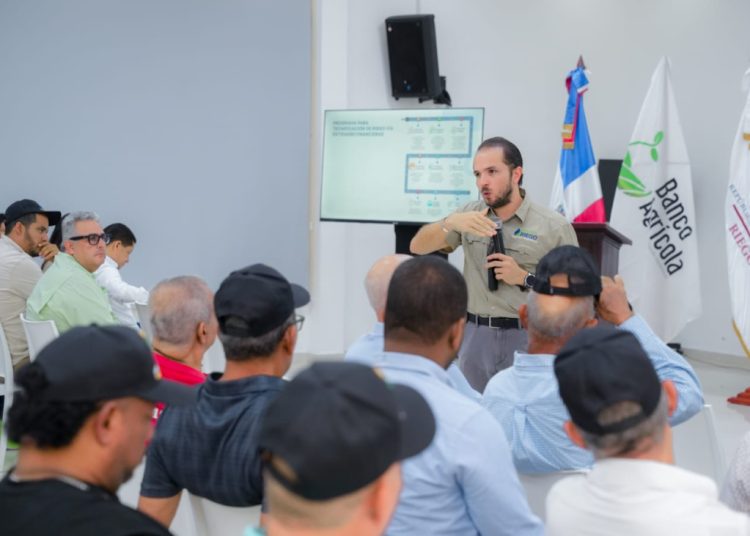
    The Dominican Republic’s agricultural sector is embracing renewable energy through a major government-backed initiative. The National Irrigation Technology Directorate (TNR) and the Agricultural Bank (Bagrícola) have announced a new funding round under the Fund for the Promotion of National Irrigation System Technology (Fotesir), specifically targeting agricultural producers in the northwestern provinces of Montecristi and Dajabón.

    This program provides substantial non-refundable incentives covering up to 25% of project costs, backed by an investment of RD$23 million (approximately US$390,000). The primary objective is to facilitate the adoption of solar-powered irrigation systems that reduce production expenses, enhance climate resilience, and advance sustainable farming practices across the nation.

    Operating under the Bagri-Riego program framework, this initiative will accept applications until February 6, 2026. It represents a strategic effort to modernize Dominican agriculture by decreasing reliance on fossil fuels while promoting environmentally conscious farming methods.

    Claudio Caamaño Vélez, Director of TNR, emphasized that solar energy integration is crucial for agricultural modernization. “Photovoltaic technology serves as a transformative tool for reducing energy costs, boosting productivity, and strengthening national food security while simultaneously supporting our environmental commitments,” Vélez stated.

    Steven Baldera, Project Coordinator at Bagrícola, revealed enhanced financing terms accompanying the technological incentives. Loan repayment periods have been extended from five to seven years with reduced interest rates, including special provisions of 7% financing for female agricultural producers and zero-interest loans for young farmers.

    The program has already generated significant interest nationwide, with hundreds of producers participating. Montecristi and Dajabón now join other regions benefiting from these renewable energy and irrigation technology projects.

    Eligibility is restricted to small and medium-scale agricultural producers—both individuals and legal entities—operating in the two northwestern provinces. Projects are limited to 60 kilowatts of installed capacity. Priority consideration will be given to proposals that demonstrate: replacement of conventional energy sources with solar irrigation technology, improved water efficiency, rehabilitation of existing pumping equipment, and measurable reduction of environmental impact. These criteria align with the government’s broader vision for a more competitive and sustainable agricultural sector.

  • Dominican Republic assumes presidency of Regulatel at Punta Cana assembly

    Dominican Republic assumes presidency of Regulatel at Punta Cana assembly

    PUNTA CANA – In a significant development for regional telecommunications governance, the Dominican Republic has been elected to preside over the Latin American Association of Telecommunications Regulators (Regulatel) for the second time. The leadership transition occurred during the 28th Plenary Assembly of Regulatel, hosted in Punta Cana, where Guido Gómez Mazara, President of the Dominican Institute of Telecommunications (Indotel), formally accepted the presidency from Colombia.

    Gómez Mazara characterized the appointment as a strategic opportunity to enhance collaborative efforts among regional regulators. He emphasized that Regulatel functions as a vital platform where regulatory authorities, telecommunications operators, and international partners converge to tackle shared challenges within the telecommunications and digital economy landscapes of Latin America and the Caribbean.

    The Dominican Republic’s leadership agenda will prioritize several critical initiatives: bridging the persistent digital divide, bolstering digital security measures, elevating service quality and affordability, and modernizing regulatory frameworks to keep pace with accelerating technological innovation. Gómez Mazara underscored that an inclusive approach to digital transformation is paramount to ensuring equitable access to technological advancements across all societal segments.

    A notable aspect of this presidency involves fostering bi-regional cooperation between Latin America and Europe. Regulatory entities including Spain’s National Commission for Markets and Competition (CNMC) and the Body of European Regulators for Electronic Communications (BEREC) are expected to play instrumental roles in this collaboration. The partnership aims to align regulatory standards, enhance market predictability, and drive sustainable development throughout the telecommunications sector.

    This marks the Dominican Republic’s second tenure leading Regulatel, having previously held the presidency in 2011. This recurrence solidifies the nation’s influential status in shaping regional discourse concerning telecommunications policy, digital transformation strategies, and digital economic development, demonstrating its sustained commitment to fostering innovation and inclusive growth throughout Latin America.

  • Former SENASA Director Santiago Hazim sent to 18 months of pretrial detention in major corruption case

    Former SENASA Director Santiago Hazim sent to 18 months of pretrial detention in major corruption case

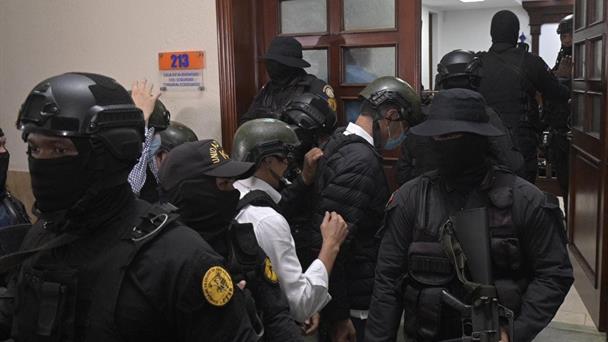
    In a landmark ruling that has sent shockwaves through the Dominican Republic’s public health sector, a National District court has mandated 18 months of pre-trial incarceration for former National Health Insurance (SENASA) director Santiago Hazim and six co-defendants. The decision comes in response to their alleged involvement in a sophisticated financial fraud scheme that reportedly defrauded the state-run insurer of over RD$15 billion.

    The Permanent Attention Office of the National District issued the detention order following extensive evidentiary presentations from the Public Prosecutor’s Office, which has characterized the case as one of the most significant corruption investigations in recent Dominican history. Prosecutors have identified Hazim as the purported mastermind behind a criminal network that operated undetected for approximately five years, employing falsified documentation and altered records to conceal systematic financial malfeasance within the health insurance system.

    In a contrasting development, the judicial authority demonstrated leniency toward three additional defendants who provided substantive cooperation with investigative authorities. These individuals received alternative restrictive measures including house arrest and international travel prohibitions rather than incarceration.

    According to official allegations, the organized network implemented elaborate mechanisms to divert public health funds while simultaneously creating complex financial structures to hide illegally acquired assets. The prosecution further contends that Hazim engaged in deliberate obstruction of justice through witness intimidation tactics designed to compromise the investigation’s integrity.

    This case has triggered intensified public scrutiny regarding the management of national health resources and amplified demands for enhanced transparency mechanisms within Dominican public institutions. The scale of the alleged fraud has prompted nationwide discussions about institutional accountability and governance reforms in the country’s public health administration.

  • Dominican Rep. : Export volume to Haiti will exceed US$1 billion (2025)

    Dominican Rep. : Export volume to Haiti will exceed US$1 billion (2025)

    The Dominican Republic’s export economy with Haiti is poised to break the $1 billion barrier in 2025, according to the latest trade data released by the General Directorate of Customs (DGA). Between January and October 2025, bilateral trade reached $982.9 million, dominated by $977.13 million in Dominican exports to Haiti with only $5.77 million in return imports.

    This substantial trade flow represents a remarkable 30.09% increase compared to the same period in 2024, highlighting one of the Caribbean’s most dynamic economic relationships despite regional challenges. The trade ecosystem involves 1,212 exporters from 20 Dominican provinces trading 1,821 different product categories, demonstrating significant diversification in commercial exchange.

    The export structure reveals that 70.07% of shipments operate under the national regime, followed by free trade zones (22.67%), temporary admission (3.80%), and re-export mechanisms (3.45%). Dominant export categories include unalloyed iron or steel bars (11.01%), hydraulic cements including colored variants (9.43%), and wheat or mixed grain flour (6.27%), positioning the Dominican Republic as a critical supplier of industrial, construction, and food production inputs to Haiti.

    Free trade zone exports show particular concentration in textiles, with knitted t-shirts and undershirts accounting for 35.09% of shipments, followed by other cotton fabrics (29.26%) and textile yarns and ropes (5.24%).

    Conversely, imports from Haiti have experienced a dramatic 56.81% decline, reflecting diminished production capacity likely attributable to ongoing political instability and security challenges within Haiti. This growing trade imbalance underscores the asymmetric nature of the economic relationship between the two neighboring nations.

  • Dozens protest at Palace of Justice over SENASA corruption and RD$15 billion embezzlement

    Dozens protest at Palace of Justice over SENASA corruption and RD$15 billion embezzlement

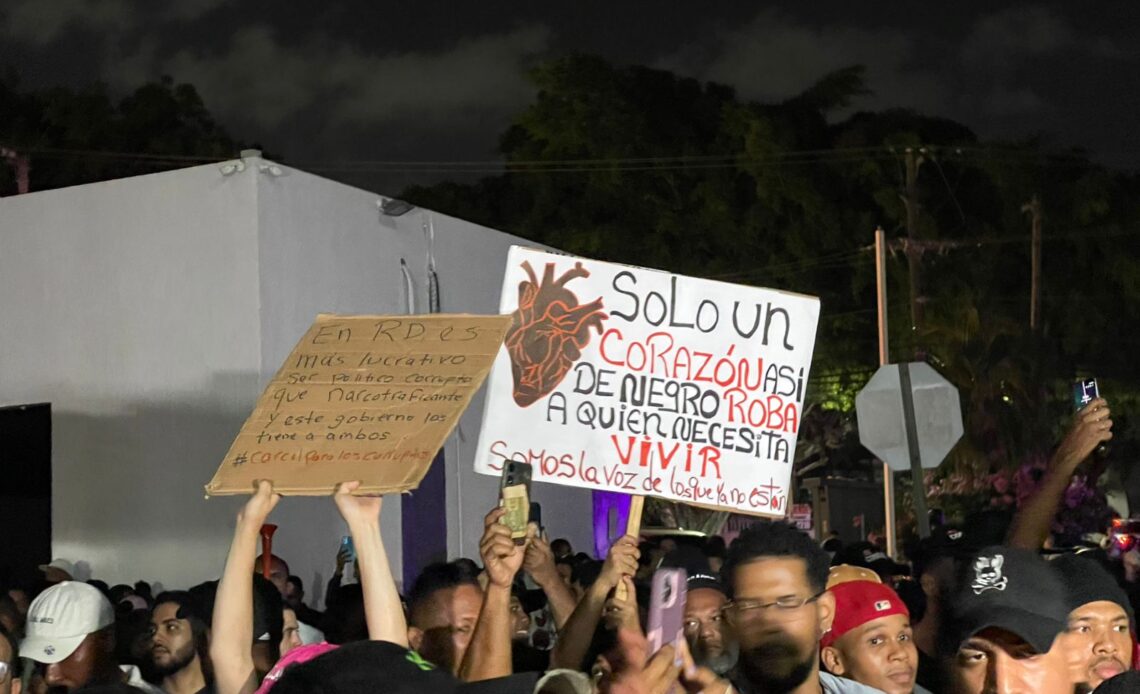
    SANTO DOMINGO – Public outrage erupted outside the Palace of Justice as dozens of demonstrators mobilized to demand accountability in a massive corruption scandal involving the National Health Insurance (SENASA). The protest coincided with judicial hearings to determine pretrial detention for individuals accused of embezzling over RD$15 billion from the state-run health insurer.

    Protesters carried placards calling for transparency and stringent anti-corruption measures, while civil society organizations emphasized that partial recovery of stolen funds would be meaningless without severe legal consequences. Police presence intensified around the courthouse to ensure order during proceedings that have captured national attention due to their implications for public health financing.

    The scandal, known as Operation Cobra, centers on former SENASA director Dr. Santiago Hazim and reveals a devastating financial collapse within the institution. According to newly released 2024 financial statements, SENASA’s net worth plummeted from a positive RD$2.9 billion in 2023 to a staggering negative RD$14.5 billion this year—a situation bordering on technical insolvency.

    Despite generating RD$75.4 billion in revenue, operating expenses surged to nearly RD$79 billion, resulting in losses exceeding RD$6.2 billion. This deficit was primarily driven by healthcare claim payments totaling RD$56.9 billion, alongside reinsurance and operational costs. With responsibility for providing health coverage to more than 7.6 million citizens, SENASA now faces urgent demands for financial restructuring and enhanced oversight mechanisms to prevent further mismanagement of public resources.