作者: admin

  • Extreemrechtse José Antonio Kast gekozen tot president Chili

    Extreemrechtse José Antonio Kast gekozen tot president Chili

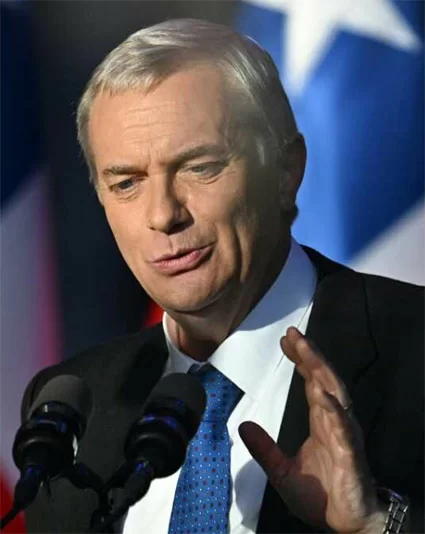
    Chile has elected José Antonio Kast as its new president following a decisive runoff election on Sunday. The ultra-conservative Republican Party candidate secured a substantial victory with over 58% of the vote, defeating leftist contender Jeannette Jara who garnered approximately 41%. This electoral outcome represents the most significant political realignment in Chile since the end of Augusto Pinochet’s dictatorship in 1990.

    The presidential race proceeded to a second round after the November 16th, 2025 initial election failed to produce an absolute majority winner. Kast, who qualified as the second-place finisher in the first round, ultimately triumphed over Jara despite her endorsement from the incumbent left-wing government.

    Kast’s successful campaign centered on three core issues: public security, immigration control, and economic recovery plans. These themes resonated strongly with Chilean voters amid growing concerns about crime rates and migration patterns. His victory signals a pronounced rightward turn in a nation that has been governed predominantly by center-left coalitions for three decades.

    Constitutional protocols dictate that Kast will not assume office immediately. The presidential inauguration is scheduled for March 11, 2026, when he will succeed current President Gabriel Boric following a standard transition period.

    While Kast’s administration is expected to implement substantial policy changes regarding public safety and immigration, governing may prove challenging without an absolute congressional majority. This political reality may necessitate negotiation and compromise to advance his complete legislative agenda.


  • OPINION: From Community Pride to Career Advantage: Why Behaviour Now Matters More Than Ever

    OPINION: From Community Pride to Career Advantage: Why Behaviour Now Matters More Than Ever

    A profound transformation is reshaping global recruitment and admissions practices, marking a significant departure from traditional evaluation methods. Where organizations once prioritized technical proficiency through the 40/60 rule—40% behavioral assessment versus 60% technical competence—a new paradigm has emerged. The contemporary 60/40 model now reverses these priorities, placing greater emphasis on behavioral attributes while technical abilities assume secondary importance.

    This strategic shift is grounded in empirical evidence demonstrating that technical expertise alone fails to guarantee effective performance, employee retention, or team cohesion. Hiring managers increasingly recognize that most organizational objectives are achieved through collaboration, communication, and trust. Research consistently indicates that interpersonal skills, adaptability, and accountability serve as stronger predictors of long-term success than job-specific technical capabilities.

    The service economy further amplifies this transition, where employee behavior directly influences brand reputation and customer loyalty. A single negative interaction can undermine years of technical excellence, demonstrating that poor behavior impacts not only workplace morale but also revenue generation.

    Consequently, organizations now prioritize emotional intelligence (EQ) over traditional intelligence quotient (IQ) metrics. A global talent survey reveals that over 90% of hiring professionals consider behavioral skills equally or more important than technical competencies during recruitment decisions. Employers recognize that while technical skills can be rapidly acquired, behavioral traits including integrity, empathy, resilience, and professionalism require sustained developmental investment.

    This behavioral emphasis extends beyond corporate recruitment into educational admissions. Universities and tertiary institutions increasingly evaluate applicants based on community engagement, volunteerism, leadership demonstrated, and civic participation alongside academic performance. Personal statements and reference letters now assess character, values, and social contributions with equal weight to academic achievements.

    Empirical studies on graduate employability confirm this trend, showing that students with robust communication skills, teamwork experience, and civic involvement transition more successfully into the workforce. Community involvement has evolved from merely commendable to strategically valuable, with acts of kindness and positive social behavior now serving as indicators of employability and leadership potential.

    The fundamental message is clear: who you are and how you behave now matter as much as what you know. As the 60/40 behavioral-first model continues to dominate hiring and admissions decisions, individuals investing in behavioral development will be better positioned for success in the evolving global workforce.

  • Spreading Holiday Cheer at the St. Christopher Outreach Centre

    Spreading Holiday Cheer at the St. Christopher Outreach Centre

    In a heartwarming display of corporate social responsibility, executives and staff from St. Kitts-Nevis-Anguilla National Bank Limited personally served meals during the Annual Soup Kitchen Christmas Luncheon at St. Christopher Outreach Centre on December 15, 2025.

    Managing Director Terrence Crossman and CEO Anthony Galloway led the bank’s volunteer contingent in distributing warm meals and engaging with community members during the festive event. This initiative represents a tangible manifestation of the financial institution’s National Cares Initiative, which demonstrates the organization’s sustained dedication to creating meaningful social impact within the communities it serves.

    The Christmas luncheon provided both nourishment and human connection during the holiday season, particularly benefiting vulnerable populations. Bank representatives noted that such outreach programs form an integral component of their corporate philosophy, emphasizing that financial institutions bear responsibility beyond mere economic transactions.

    Organizers expressed profound gratitude to all participants and contributors who facilitated the successful execution of this community event, highlighting the collaborative spirit that characterizes such philanthropic endeavors during the holiday period.

  • OPINION: Do Abortion Laws Matter?

    OPINION: Do Abortion Laws Matter?

    Comprehensive data from multiple nations demonstrates that legalizing abortion directly correlates with significant reductions in maternal mortality and healthcare complications. The most striking evidence emerges from Romania’s historical experience, where dictator Nicolae Ceausescu’s 1965 abortion ban resulted in thousands of preventable female deaths until its reversal in 1990 prompted an immediate decline in abortion-related fatalities.

    Caribbean nations provide contemporary validation of this pattern. Barbados documented a 43% decrease in induced abortion complications at Queen Elizabeth Hospital within a decade of legalization, with adolescent cases dropping by 59%. Guyana achieved even more dramatic results: septic abortion admissions at Georgetown Public Hospital Corporation declined by 97% over thirty years following legalization, dropping from the third-leading cause of hospital admissions to a rare occurrence.

    Contrary to common misconceptions, research from the Allan Guttmacher Institute reveals that abortion rates in Guyana actually decreased by 20% post-legalization, while unintended pregnancies fell by 28%. This data indicates improved contraceptive adoption rather than diminished family planning interest, largely attributed to post-abortion counseling services that see over 90% of patients requesting long-term birth control methods.

    The analysis concludes that accelerated implementation of reproductive healthcare frameworks, combined with comprehensive public education and contraceptive access, could achieve similar positive outcomes in other regions within five years rather than decades, potentially saving countless lives through evidence-based policy reform.

  • Bewolkt weer met pittige buien in de middag

    Bewolkt weer met pittige buien in de middag

    Meteorological conditions across Suriname indicate predominantly cloudy to heavily overcast skies throughout the day, with significant weather activity anticipated during afternoon and evening hours. Weather experts report heightened probabilities of rainfall and thunderstorms, particularly affecting coastal regions and western territories. Interior zones may also experience locally intense showers.

    Daytime temperatures are projected to reach maximum values between 28°C and 32°C (82°F to 90°F), while early morning minimum temperatures will hover around 23°C to 24°C (73°F to 75°F). The combination of elevated temperatures and high humidity levels is expected to create noticeably muggy conditions across the nation.

    Surface winds will maintain light to moderate intensity from eastern directions throughout the day. However, meteorological authorities note that wind velocities may temporarily intensify during thunderstorm activity. Residents in affected areas are advised to monitor weather developments and exercise caution during severe weather episodes. The weather pattern reflects typical December meteorological behavior for the region, though the intensity of thunderstorms may cause localized disruptions.

  • Bird Rock Desalination Plant nears completion, promising water relief for Basseterre

    Bird Rock Desalination Plant nears completion, promising water relief for Basseterre

    BASSETERRE, Saint Kitts – December 12, 2025 – A groundbreaking desalination facility at Bird Rock is approaching final commissioning stages, poised to deliver substantial water relief to residents throughout Basseterre and adjacent communities. This state-of-the-art reverse osmosis plant, capable of producing two million gallons of fresh water daily, represents a critical infrastructure development for the region.

    The project emerges as a collaborative endeavor between the national Water Service Department and Royal Utilities Ltd., an established private sector entity with extensive experience in water management solutions. Comprehensive testing protocols have been consistently successful, with all microbiological and operational assessments meeting stringent quality benchmarks.

    Gerry Moise, General Manager of Royal Utilities Ltd., elaborated on the strategic advantages of the Caribbean Sea location during the recent National Discussion on Water forum held December 10th. “The Caribbean side offers significantly superior operational conditions compared to the Atlantic coast,” Moise explained. “We benefit from lower salinity levels and avoid the persistent sargassum seaweed intrusions that frequently disrupt seawater intake systems on the eastern shoreline.”

    Environmental impact assessment studies conducted prior to construction included repeated water quality analyses, with ongoing monitoring supervised by the Bureau of Standards to ensure compliance with international water safety protocols. Moise emphasized the exceptional quality output, noting: “The purified water from this new facility exceeds even the standards of our Marriott Resort operation, which has maintained flawless performance for over two decades without a single quality complaint.”

    The desalination initiative addresses chronic water shortages exacerbated by diminishing rainfall patterns, representing a strategic shift toward technological solutions for water security. “Desalination has proven its reliability globally for half a century,” Moise affirmed. “Saint Kitts’ investment in this technology demonstrates forward-thinking leadership in sustainable resource management.”

    The December 10th forum, themed “Embracing Desalination for a Sustainable Future,” highlighted the project’s significance within the broader context of climate adaptation and water resilience planning for the island nation.

  • Abinader and Collado inaugurate renovation of La Caleta Underwater National Park

    Abinader and Collado inaugurate renovation of La Caleta Underwater National Park

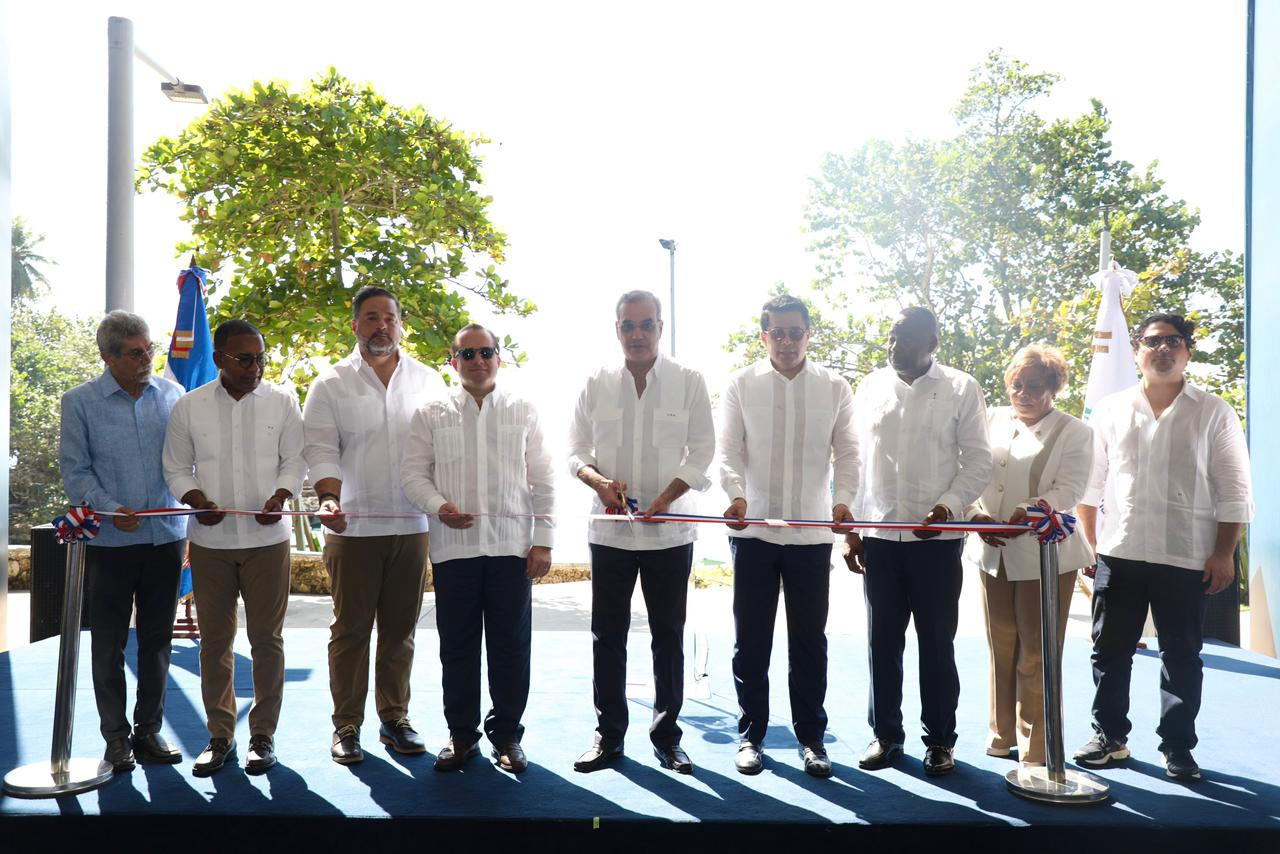
    Santo Domingo, Dominican Republic – President Luis Abinader and Tourism Minister David Collado have officially unveiled the completed first phase of La Caleta Underwater National Park’s comprehensive renovation, marking a significant milestone in the nation’s sustainable tourism and conservation efforts. The RD$420 million (approximately US$7 million) transformation represents one of the Caribbean nation’s most ambitious ecological and cultural preservation initiatives.

    The newly revitalized park, strategically positioned near Las Américas International Airport, now serves as an impressive gateway for international visitors. The extensive redevelopment covers approximately 120,000 square meters and features a meticulously constructed 2.74-kilometer seaside promenade, completely renovated public plazas, enhanced internal walkways, modern lighting systems, extensive landscaping, and contemporary public facilities.

    During the inauguration ceremony, President Abinader emphasized La Caleta’s historical significance as a premier destination for diving and aquatic sports. He outlined the government’s vision for implementing an integrated governance model that brings together national authorities, the Ministry of Environment, local government representatives, and private sector stakeholders to ensure the park’s long-term preservation and sustainable utilization.

    Tourism Minister David Collado characterized the project as fulfilling a four-decade-old commitment to the La Caleta community, demonstrating the administration’s dedication to reclaiming neglected public spaces through transparent and responsible investment strategies. The renovation forms part of a broader national coastline revitalization program designed to benefit both local residents and international tourists alike.

    Environmental officials highlighted the park’s dual role as both a protected marine ecosystem reserve and an educational center, while simultaneously serving as a hub for recreational activities including scuba diving and open-water swimming. The area boasts exceptional coral diversity and contains significant archaeological sites featuring indigenous artifacts and historical shipwrecks.

    With its new infrastructure—including pedestrian pathways, scenic viewpoints, recreational zones, service buildings, and improved security measures—La Caleta Underwater National Park has been repositioned as a flagship destination for eco-tourism, marine conservation, and cultural heritage appreciation in the Caribbean region. Temporary management will be overseen by a private sector-supported foundation until a permanent board of trustees is established.

  • Zestien doden en tientallen gewonden bij schietpartij in Sydney

    Zestien doden en tientallen gewonden bij schietpartij in Sydney

    SYDNEY – A horrific mass shooting shattered the evening calm at Sydney’s iconic Bondi Beach on Sunday, leaving 16 people dead and more than 40 injured, including four children. The attack occurred at approximately 6:40 PM local time as over a thousand Jewish celebrants gathered for a Hanukkah festival, transforming a joyous public event into a scene of terror and tragedy.

    According to New South Wales Police, two armed men initiated a sustained shooting spree that lasted approximately ten minutes. Emergency services responded en masse to the scene where officers encountered the perpetrators actively firing upon civilians. In the ensuing confrontation, police opened fire, resulting in two officers being seriously wounded. Both are currently reported in serious but stable condition.

    One shooter, identified as a 50-year-old male, was fatally shot by police at the scene. The second suspect, a 24-year-old man, sustained critical injuries and remains under police guard in a hospital. Authorities have secured three firearms for forensic examination as the investigation continues.

    The human toll continues to mount, with fourteen victims pronounced dead at the scene. Two additional casualties – a 10-year-old girl and a 40-year-old man – later succumbed to their injuries at medical facilities. The victims, who have not been formally identified, are believed to range in age from 10 to 87 years. Five survivors remain in critical condition, with others classified as serious or stable.

    Bondi Beach and surrounding roadways remain closed as forensic teams process the extensive crime scene. The attack represents one of Australia’s deadliest mass shootings in decades, particularly shocking for its targeting of a religious celebration at one of the nation’s most recognizable public spaces. While the investigation remains ongoing, authorities have not yet disclosed potential motives for the unprecedented violence.

  • The unity we need today is that of those who argue strongly, but march together

    The unity we need today is that of those who argue strongly, but march together

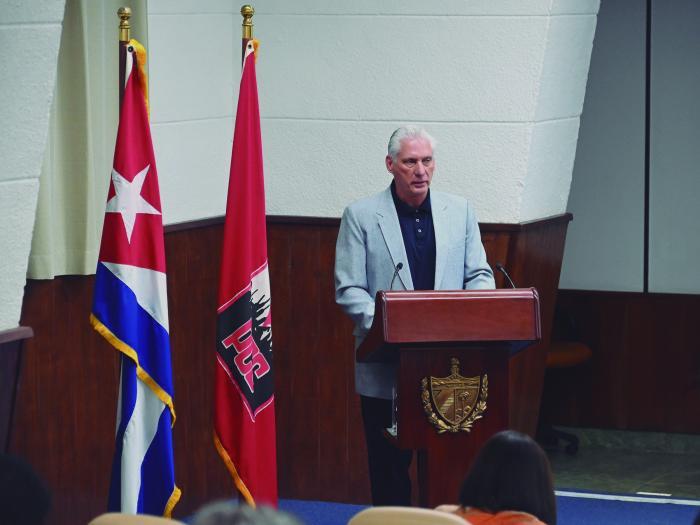
    In a pivotal address concluding the 11th Plenary Session of Cuba’s Communist Party Central Committee, President Miguel Díaz-Canel delivered a comprehensive assessment of the nation’s critical challenges while outlining a path forward for the revolutionary government. The December 13, 2025, speech at Havana’s Palace of the Revolution confronted Cuba’s severe economic contraction, with GDP declining over 4% and inflation soaring amid what the president characterized as “brutal persecution” by the United States.

    Díaz-Canel acknowledged the devastating impact of Hurricane Melissa alongside structural economic problems, including paralyzed industrial activities, critical power generation shortages, and unmet food distribution needs. He presented these challenges within the context of six decades of US economic embargo, which he described as a “genocidal policy” designed to suffocate the Cuban Revolution.

    The president emphasized that revolutionary transformation requires more than economic adjustments, demanding fundamental changes in mentality and party work methods. He stressed that authentic leadership emerges not from reports but through direct engagement with communities, stating: “Our most important tasks are in the field, in the neighborhoods, with our ears to the ground and our feet on the ground.”

    Díaz-Canel condemned the new US National Security Strategy as a return to “gunboat diplomacy,” citing the recent seizure of a Venezuelan oil tanker as evidence of escalating aggression in the region. He positioned Cuba within broader Latin American solidarity movements, vowing to strengthen integration with sister nations facing similar pressures.

    The address outlined specific economic measures, including prioritizing food production as a national security imperative, reforming state enterprises, responsibly integrating MSMEs and cooperatives, and pursuing monetary reforms while protecting vulnerable populations. The energy transition emerged as a critical focus, with investments in renewable sources and efficiency programs framed as both practical necessities and social justice commitments.

    Díaz-Canel called for renewed youth engagement, transparency in governance, and systematic implementation of plenary agreements with clear accountability mechanisms. He concluded with a rallying cry for unity and revolutionary perseverance, invoking Cuba’s historical resilience against external pressure while acknowledging internal shortcomings that require addressing through criticism and self-criticism.

  • Every day of the Revolution is a victory

    Every day of the Revolution is a victory

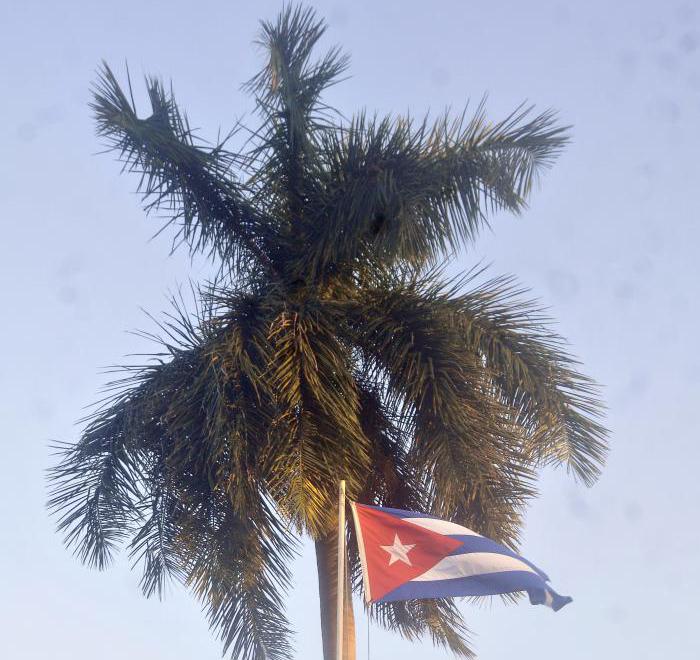
    In a significant political decision, Cuba’s Central Committee has unanimously voted to postpone the 9th Communist Party Congress originally scheduled for April 2026. The 11th Plenary Session, conducted virtually on December 13, concluded that the nation must prioritize addressing its severe economic challenges over political gatherings.

    The postponement proposal originated from Army General Raúl Castro Ruz, revolutionary leader and former president, who emphasized the revolutionary principle of always choosing what best serves Cuba’s interests. His recommendation, presented by current First Secretary and President Miguel Díaz-Canel Bermúdez, argued that all national resources and cadre energy should be directed toward resolving pressing economic problems rather than congress preparations.

    The decision reflects Cuba’s deteriorating economic situation amid what officials describe as an intensified U.S. blockade and ongoing media warfare. The Plenary Session identified several immediate priorities: refining the government’s economic program to correct distortions, implementing approved economic measures, ensuring the 2026 budget addresses popular needs and national defense, and strengthening support for regions devastated by recent natural disasters.

    President Díaz-Canel outlined additional critical objectives, including enhancing youth participation in national development and intensifying ideological and cultural efforts to counter what he characterized as anti-Cuban disinformation campaigns. The leadership called for united action to boost production, generate income, and multiply successful economic experiences while eliminating bureaucratic inertia and pessimistic thinking.

    The postponed congress will now focus on 2026 recovery efforts, coinciding with the centenary celebration of Fidel Castro’s birth, which officials hope to honor through tangible economic improvements. The resolution reaffirmed confidence in Cuba’s capacity for self-emancipation through dedicated effort, citing ongoing recovery work in eastern provinces following Hurricane Melissa as evidence of the population’s resilience.

    The statement concluded with revolutionary rhetoric, describing the Cuban people as heir to José Martí’s tradition and faithful to Fidel and Raúl Castro’s teachings, capable of daily creative resistance against external pressures and economic siege.