作者: admin

  • PM Tells MPs Election Victory Is “Not a Mandate for Slothfulness”

    PM Tells MPs Election Victory Is “Not a Mandate for Slothfulness”

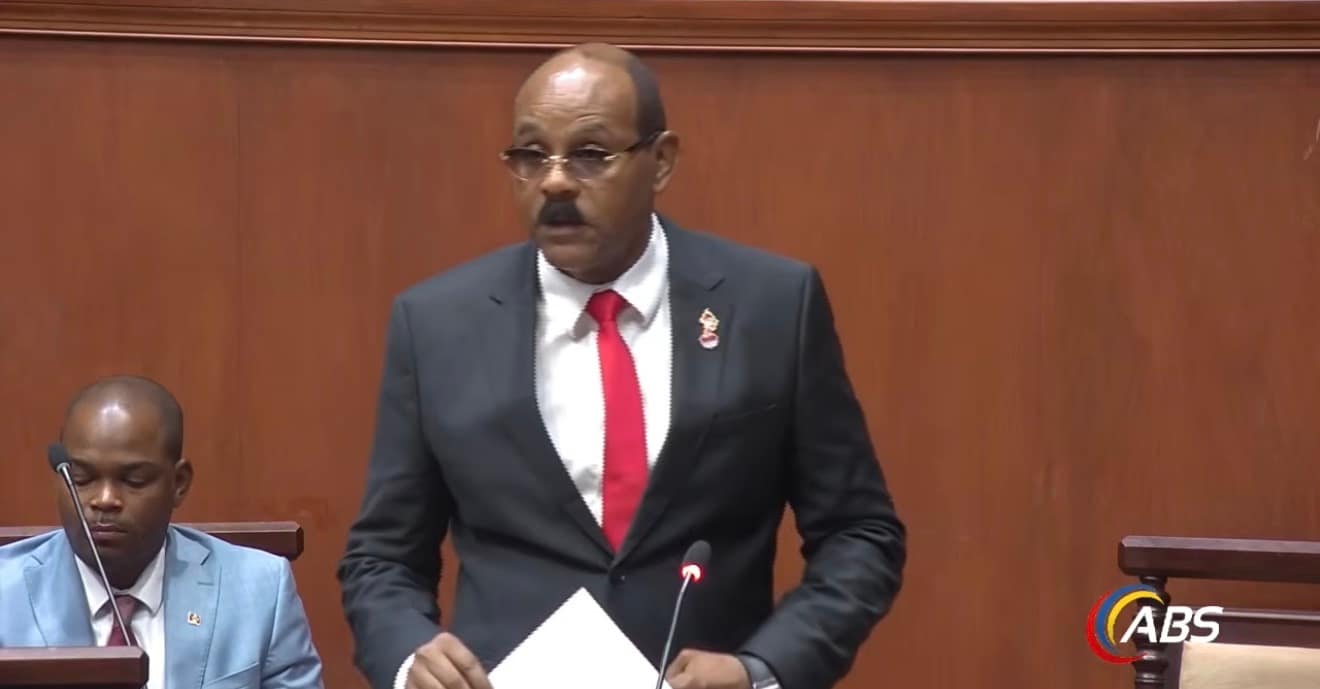
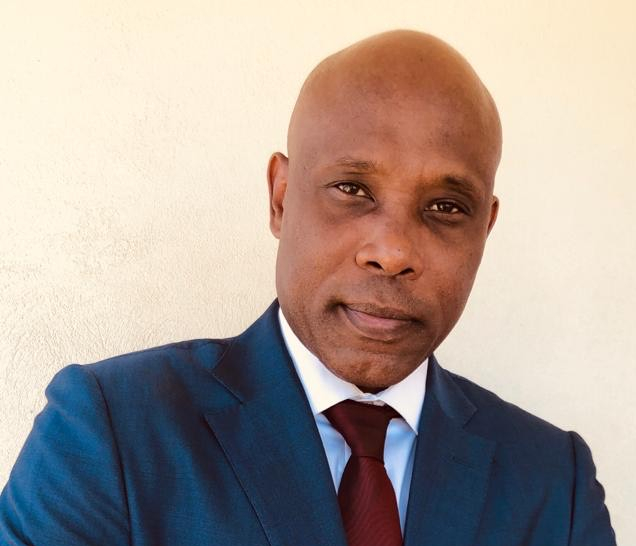
    Fresh off a dominant landslide victory at the polls, the Antigua and Barbuda Labour Party has formally launched its new parliamentary term, but Prime Minister Gaston Browne is making clear that celebration will give way to accountability. Speaking on Monday during the inaugural sitting of the newly elected Parliament at the nation’s Parliament Building, immediately following the official swearing-in of all elected Members of Parliament, Browne delivered a blunt reminder to his party’s lawmakers that their decisive win does not equal permission to step back from public service.

    In opening remarks to the newly seated chamber, Browne doubled down on a message he has stressed repeatedly throughout the transition: the landslide result is no mandate for slothfulness. “If anything, it is actually a mandate for us to serve more faithfully the people of Antigua and Barbuda,” he told assembled lawmakers. He laid out clear expectations for all members of the legislature, calling for unrelenting effort to advance social and economic empowerment for citizens across both islands. The prime minister emphasized that Parliament retains its status as the highest decision-making body in the nation, and attendance will be a core accountability measure for all members.

    Browne stressed that casual attendance will not be tolerated, noting that lawmakers should only miss sittings when facing illness, official government travel, or other well-documented extenuating circumstances. Beyond participation, he reminded MPs that they hold a critical fiduciary responsibility to their constituents, requiring that they carry out their work with consistent dignity and professional conduct.

    The opening sitting included formal leadership appointments, with Browne extending congratulations to Osbert Frederick on his reappointment as Speaker of the House and Philmore Benjamin on his new election as Deputy Speaker. He framed the parliamentary chamber as a sacred space at the heart of the nation’s democracy, charging the new leadership with upholding the chamber’s core values. Frederick and Benjamin, he said, are tasked with leading proceedings with wisdom, fairness, and unwavering firmness, all while protecting the dignity and institutional integrity of the House.

    “You are entrusted with safeguarding the dignity, order, and integrity of this honorable house,” Browne stated, adding that the government expects the chamber to avoid descending into chaos even amid the inevitable political challenges of the coming term. He praised Frederick’s track record from his previous tenure as Speaker, noting his consistent reputation for being fair and firm, and expressed confidence he would uphold that standard in his new term.

    Ahead of the government’s policy agenda for the coming term, Browne also called for cross-party unity as the administration works to advance its national development agenda. “Let us continue to work in a united way to continue to advance Antigua and Barbuda as we seek to expand the Renaissance, this new era of progress and development,” he said.

    Before closing his remarks, Browne extended congratulations to all newly elected and re-elected lawmakers, singling out veteran parliamentarian Stedroy Benjamin for special recognition. Benjamin, the MP for St. John’s City South, took the parliamentary oath of office for the eighth consecutive time, marking a historic milestone in his decades-long career of public service.

  • IN PICTURES: Government MPs take oath in parliament

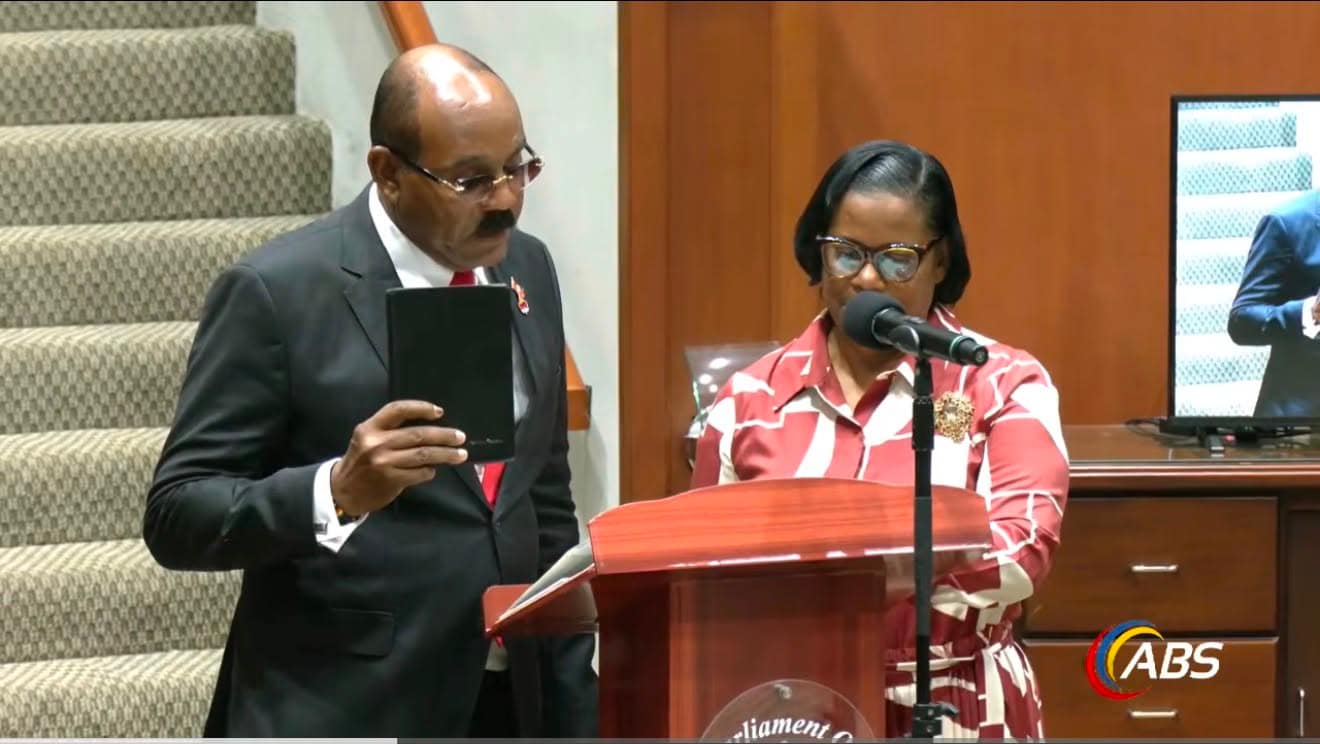
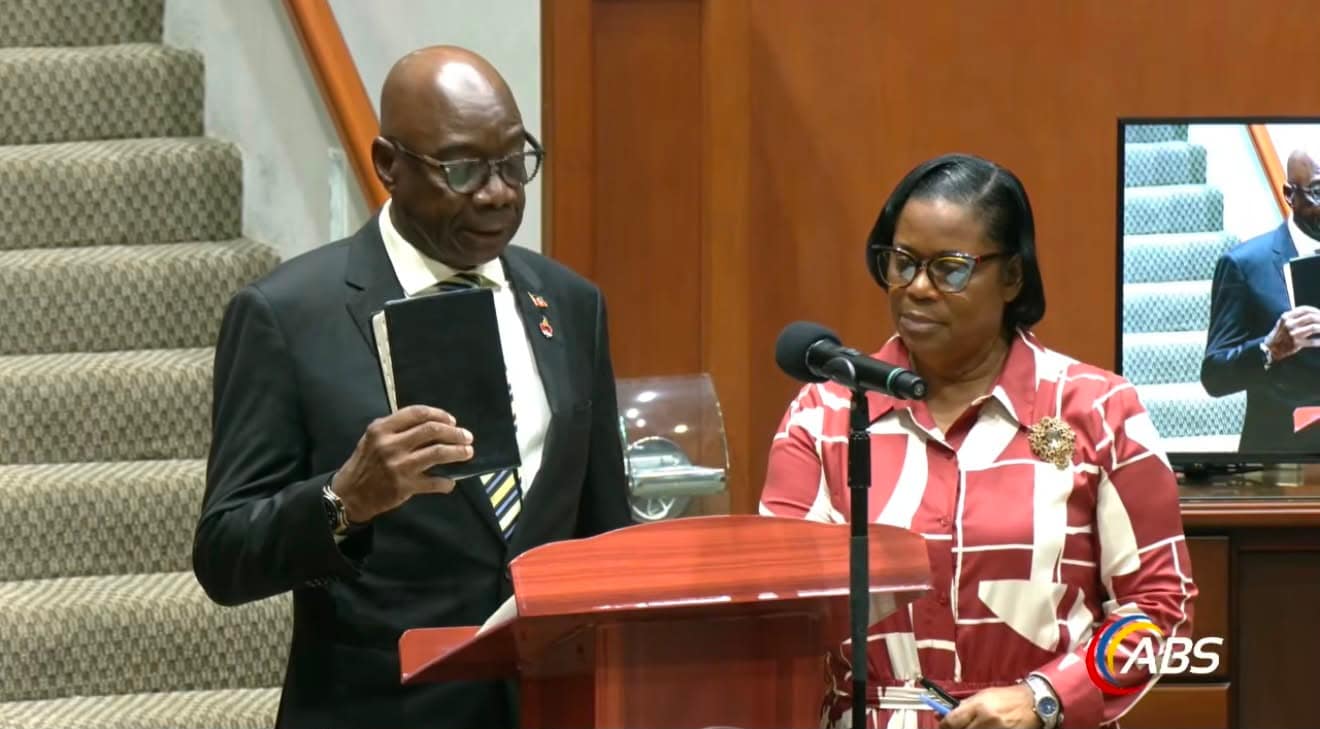
    IN PICTURES: Government MPs take oath in parliament

    A key constitutional milestone unfolded in the nation’s legislative chamber this week, as sitting government members of parliament formally marked the start of their new term by taking their official oaths of office. The timed-honored ceremony, a required step under the country’s parliamentary constitution, saw every ruling party MP affirm their commitment to uphold the nation’s laws, serve the public interest, and remain faithful to their constitutional duties before the speaker of the house and assembled legislative peers.

    The oath-taking process comes on the heels of the recent general election that delivered the current government its parliamentary mandate, clearing the way for the administration to move forward with its policy agenda, from economic stimulus plans to public service reform. Political observers note that the completion of this formal step is far more than a symbolic ritual: it legally validates the new parliament’s authority to conduct official business, pass legislation, and hold the executive branch to account. After the conclusion of the ceremony, the newly sworn-in MPs began preliminary preparations for the opening of the first parliamentary session, where the government will lay out its legislative priorities for the coming term.

  • St. John’s Development Corporation Announces Start of Carnival Vending Applications for 2026 Season

    St. John’s Development Corporation Announces Start of Carnival Vending Applications for 2026 Season

    Preparations for the 2026 St. John’s Carnival are already underway, with the St. John’s Development Corporation (SJDC) officially announcing key details for this year’s vending program. The annual Carnival Vending event is scheduled to run from July 11 through August 8, 2026, giving local and visiting vendors a six-week window to operate during one of the city’s busiest and most high-profile cultural events.

    Interested vendors can now pick up official application forms from two convenient locations across the city: the SJDC Head Office, situated at Vendors Mall on Thames Street, and the Craft Market housed within the city’s Public Market Complex. Application collections are available on weekdays, from Monday to Friday, between the hours of 8:30 a.m. and 2:00 p.m., giving aspiring participants plenty of time to secure their paperwork ahead of the event. The full breakdown of vending fees, which vary by product category, is clearly outlined on each application form to give vendors full transparency on associated costs.

    According to the SJDC’s official announcement, approved vending operations will be allowed across two main zones: throughout the incorporated city limits of St. John’s, and within specifically marked enclosed areas designated for vending during the Carnival period.

    The corporation has emphasized that all participating vendors are required to strictly adhere to the full set of rules and regulations established for Carnival vending. To maintain a safe, orderly experience for attendees, vendors, and local residents alike, the SJDC has committed to diligent monitoring and consistent enforcement of these guidelines throughout the duration of the event. The organization notes that this proactive oversight is a core part of its plan to deliver a smooth and successful 2026 Carnival season for all stakeholders.

    Vendors with questions about the application process, fee structures, or vending regulations are encouraged to reach out directly to the St. John’s Development Corporation for additional clarification. Interested participants can also access the application online via the official link shared by the SJDC.

  • Caridocs to Host Bulk Application Day for Jamaican Nationals in Antigua

    Caridocs to Host Bulk Application Day for Jamaican Nationals in Antigua

    For Jamaican citizens building lives in Antigua and Barbuda, a persistent bureaucratic barrier has long complicated their efforts to secure immigration status, residency, and other critical life milestones: accessing and processing official Jamaican documents for international use. For years, this community has grappled with a trifecta of challenges: exorbitant processing fees, extended waiting periods, and widespread confusion over official requirements that derail applications before they even reach the right authorities. Now, a regionally rooted support organization is stepping in to bridge the gap between frustrated applicants and official government institutions.

    Caridocs, a Caribbean-focused document processing and immigrant support service, has launched a targeted initiative designed to streamline the often-convoluted documentation process for Jamaican nationals based in Antigua. Operating not as a replacement for official government agencies, but as a dedicated intermediary, the organization focuses on closing gaps in communication and procedural guidance that leave countless applicants stuck in administrative limbo.

    Nevoy Morrison, principal consultant at Caridocs, explained that two core problems plague most applicants: prohibitive costs to obtain documents directly from Jamaica, and a widespread lack of clarity around mandatory authentication steps. One of the most commonly missed requirements is the apostille or legalization process, a mandatory step overseen by Jamaica’s Ministry of Foreign Affairs and Foreign Trade that confirms a document’s validity for use outside the country. Without this certification, documents are automatically rejected, forcing applicants to restart the entire process from scratch.

    “Many applicants don’t realize that documents must be apostilled before submission. As a result, they are sent back to restart the process, which creates unnecessary delays and expenses,” Morrison noted. These repeated setbacks do not just waste time—they add unplanned costs that put essential services out of reach for many community members.

    To solve this, Caridocs has developed a streamlined, affordable workflow that guides applicants through every step of the process correctly on their first attempt. By proactively clarifying requirements and coordinating between applicants and Jamaican official bodies, the service cuts down on common errors and drastically reduces processing wait times. The organization repeatedly emphasizes it remains strictly a facilitator: it does not issue official government documents, nor does it bypass official protocols. Its sole role is to ensure full compliance with all regulatory requirements and clear up miscommunication that often slows progress.

    To make its support more accessible to the community, Caridocs has scheduled a Bulk Application Day on June 5, 2026, running from 9:00 AM to 2:00 PM at the Villa Polyclinic Conference Room. During the session, Jamaican nationals in Antigua will be able to receive one-on-one guidance to understand eligibility requirements, review their application materials for completeness, and submit correctly prepared documents—eliminating the common delays that stem from incomplete or improperly prepared paperwork.

    In addition to offering legitimate support, Caridocs is issuing a public warning against unregulated “back door” services that claim to offer fast-tracked document processing. The organization stresses that these offerings are almost always fraudulent, and participants can face severe legal penalties for using unauthenticated, illegitimate documents. All valid, legally recognized documents for international use must go through official government channels and complete the required authentication process, the group confirmed.

    Jamaican nationals interested in accessing Caridocs’ services or learning more about detailed fee breakdowns and application requirements are encouraged to contact the organization directly by phone at (268) 780-8681 to schedule support or ask questions ahead of the upcoming Bulk Application Day.

  • Empress Daniel explores healing with minerals in new book

    Empress Daniel explores healing with minerals in new book

    For over 20 years, renowned wellness advocate and holistic healer Empress Isis Daniel has guided countless individuals in rebuilding their connection to the natural world through herbal remedies, plant-centered diets, and intentional mindful living practices. With the launch of her latest book, *The Ancient Mineral Kingdom*, Daniel expands her life’s work to shine a much-needed spotlight on one of the most underrecognized pillars of human health: dietary minerals.

    Drawn from more than two decades of clinical observation, hands-on client guidance, and independent research, the book came to life after Daniel identified a striking pattern across the many people struggling with chronic illness and bodily imbalance who came to her for support.

    “A huge portion of the common health conditions and chronic ailments people live with today can be traced directly to mineral deficiencies, impaired nutrient absorption, and a widespread lack of awareness about how critical mineral nutrition is for whole-body health,” Daniel explained.

    She points out that modern dietary habits are largely focused on immediate hunger satisfaction rather than deep, cellular-level nourishment that the body needs to thrive. “So often, people eat just to curb hunger or feel full, but they rarely stop to question whether the food they are consuming actually feeds their cells and delivers the essential minerals required for every intracellular structure to work as it should,” she said. It was this widespread gap in public understanding that ultimately pushed her to put her insights into book form.

    *The Ancient Mineral Kingdom* breaks down the role of naturally occurring minerals in supporting the body’s innate ability to stay strong, repair damaged tissue, and maintain internal balance. It walks readers through how to identify common signs of mineral deficiency, embrace whole-food focused nutrition, and access key mineral nutrients through herbal and natural plant sources.

    “The earth stores all the minerals our bodies need to build natural strength, facilitate healing, and sustain balance,” Daniel shared of the book’s core message. “These essential nutrients, sourced directly from the earth, are central to human nourishment and long-term physical vitality.”

    Daniel intentionally designed the work as a practical, accessible guide for everyday readers rather than a dense academic or clinical textbook, with the core goal of helping people reconnection with nature’s original approach to nourishing the body. “The aim here isn’t perfection,” she emphasized. “The goal is reconnection: reconnecting our bodies to the soil that grows our food, and reconnecting nourishment to its original natural source.”

    Opening with a philosophical, ancestral perspective on health, the introduction reminds readers that minerals are far more than a passing modern wellness trend—they are the ancient building blocks of all life on Earth. “Long before nutrition was reduced to counting macronutrients and tracking percentages, our bodies inherently understood the language of the earth,” Daniel writes. “Minerals were never a fad. They were never isolated chemicals stripped from whole food. They were, and still remain, the foundational elements that build structure, enable movement, sustain rhythm, and maintain balance in the human body.”

    Daniel also devotes space to exploring the interconnected relationship between healthy soil, nutrient-dense plants, and human health. “Every single mineral starts in the soil,” she explained. “From the soil it moves into a plant, and from that plant into our bodies. This cycle isn’t a new discovery—it’s as old as life itself.”

    For Daniel, the book is far more than just a basic health guide: it is an invitation for readers to slow down their busy lives, become more intentional about the food they consume, and rediscover holistic wellness rooted in the natural world. As global conversations around holistic health and plant-based natural healing continue to grow in popularity, Daniel hopes her work will encourage readers to rebuild a more intentional relationship with both their food and the planet that provides it, “to remember that true human strength is built from the ground up.”

    Blending accessible wellness education, time-honored natural healing philosophy, and grounded spirituality, *The Ancient Mineral Kingdom* works both as a practical instructional guide and a thoughtful reflection on humanity’s long-forgotten connection to the earth—one essential mineral at a time.

  • Dr. Philmore  Benjamin Elected Unopposed as Deputy Speaker of the House

    Dr. Philmore  Benjamin Elected Unopposed as Deputy Speaker of the House

    Less than a month after Antigua and Barbuda held its general election on April 30, the first formal sitting of the nation’s newly constituted House of Representatives convened on Monday to confirm key leadership positions for the incoming legislative term. In a unanimous, opposition-free vote, St. Mary’s North Member of Parliament Philmore Benjamin secured the post of Deputy Speaker of the Lower House. Benjamin brings a rare dual background to the role: he is both a seasoned veteran of parliamentary work and a practicing medical doctor, a combination that has positioned him as a well-respected figure across the political spectrum. Alongside Benjamin’s confirmation, Osbert Frederick was also re-elected unopposed to retain his position as Speaker of the House. Monday’s inaugural sitting marked a key procedural step ahead of the official ceremonial opening of Parliament, which is scheduled to take place on May 26. During that high-profile event, Governor General Sir Rodney Williams will deliver the traditional Throne Speech, laying out the incoming government’s full policy and legislative agenda for the new parliamentary session. The smooth, unopposed election of both top House leadership positions signals a largely unified opening to the new legislative term following the April general election.

  • Russische drone raakt Chinees schip bij Oekraïense kust

    Russische drone raakt Chinees schip bij Oekraïense kust

    On the night between Sunday and Monday, Russian forces launched one of the largest cross-border strikes against Ukraine in recent months, deploying 524 drones and 22 missiles across multiple target areas. Among the attack targets were two civilian cargo vessels sailing in the Black Sea off Ukraine’s Odesa region, a critical Black Sea shipping and economic hub that has faced repeated Russian bombardments on civilian infrastructure since the full-scale invasion began.

    According to Ukraine’s maritime port authority, the two vessels struck by Russian drones were flagged under different jurisdictions: one to the Marshall Islands, and the other to Guinea-Bissau. The Marshall Islands-flagged vessel, the KSL Deyang, is owned by Chinese interests and carries an all-Chinese crew. Russian drone attacks left part of the ship’s hull charred and damaged, but the Ukrainian navy confirmed no crew members sustained injuries in the strike. The ship was approaching Pivdennyi port in the Odesa region to load a cargo of iron ore concentrate, and remained seaworthy enough to continue its planned voyage after the attack.

    Ukrainian President Volodymyr Zelenskyy issued a statement via social media following the incident, emphasizing that Russian command must have been fully aware of the Chinese ownership of the vessel when the strike was ordered. Attacks on civilian shipping in the Odesa port area have become a regular tactic for Russian forces since the full-scale invasion launched in February 2022, with Moscow repeatedly targeting infrastructure and commercial vessels to disrupt Ukraine’s critical agricultural and mineral export routes through the Black Sea.

    The incident comes at an unusually sensitive moment in geopolitical terms, falling just 24 hours before Russian President Vladimir Putin was set to travel to Beijing for high-level talks with Chinese President Xi Jinping. The ongoing full-scale war in Ukraine is expected to top the agenda for the bilateral meeting. China has maintained an official stance of neutrality since the invasion began, repeatedly calling for ceasefires and negotiated peace settlements while avoiding explicit public condemnation of Russia’s 2022 invasion of Ukraine.

  • Osbert Frederick Returns Unopposed as Speaker of the House

    Osbert Frederick Returns Unopposed as Speaker of the House

    When Antigua and Barbuda’s Parliament gathered for its inaugural sitting of the freshly elected legislative term on Monday, a key ceremonial and procedural milestone unfolded: Osbert Frederick secured another term as Speaker of the House of Representatives without any opposition. This opening sitting formally inaugurated the new Lower House, coming nearly three weeks after the island nation’s April 30 general election that reshaped its national legislative body.

    The election outcome that preceded this sitting delivered a decisive mandate to the incumbent Antigua and Barbuda Labour Party, which claimed a fourth consecutive term in government after a landslide victory at the polls. Monday’s session focused on laying the groundwork for the new legislative session, with lawmakers moving forward to select a Deputy Speaker and address other routine procedural business. All these preparations are leading up to the formal ceremonial opening of Parliament and the delivery of the Throne Speech, which is scheduled to take place on May 26.

    Notably, two key opposition figures were missing from the opening sitting. Jamale Pringle, the leader of the parliamentary opposition, and Trevor Walker, the Member of Parliament representing Barbuda, confirmed over the weekend that they would be out of the country and unable to attend. In an official statement released on Sunday, Pringle explained that he had traveled to the United States to accompany his underage daughter for a required medical procedure. Walker, for his part, noted that he was attending to urgent personal family matters. Both legislators have confirmed that they will complete their mandatory Oath of Allegiance during the next scheduled ordinary sitting of the Lower House when they return to the nation.

  • Upcoming Caribbean Computer Coding Workshops (C3W) to focus on building digital skills in the region

    Upcoming Caribbean Computer Coding Workshops (C3W) to focus on building digital skills in the region

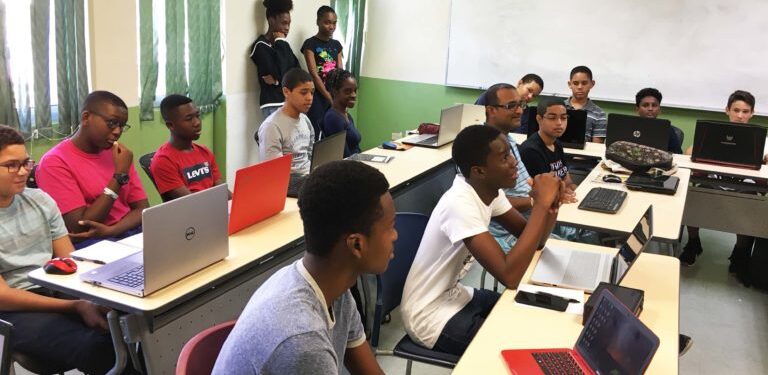
    Against a backdrop of a rapidly shifting global economy that increasingly values digital expertise, the Caribbean Science Foundation (CSF) has launched a transformative new initiative: the Caribbean Computer Coding Workshops (C3W). The program was developed to address two pressing interconnected needs: the rising global importance of computer programming literacy and the urgent demand to expand and strengthen the Caribbean’s local digital workforce.

    Workshop organizers emphasize that coding has evolved from a specialized technical skill to a foundational competency for entry-level employment across many sectors, mirroring the universal requirement for proficiency in word processing and spreadsheet tools today. As global economies continue their transition to knowledge-based industries, this shift has placed new pressure on regional education systems to adapt.

    While many other developing regions have already scaled up investment in advanced digital training — covering high-demand areas from website development and mobile app creation to machine learning — the Caribbean has faced persistent barriers that have left it working to catch up. Significant existing skills gaps and uneven access to information and communications technology (ICT) education have put the region behind global competitors. In a public statement on the initiative, CSF acknowledged that “the Caribbean continues to lag in this race” for digital readiness.

    To reverse this trend, the C3W initiative is intentionally designed to nurture a future-ready regional tech workforce, with a deliberate focus on including marginalized and underrepresented groups. Specifically, the program prioritizes low-income and at-risk youth, girls and young women, and people with disabilities — groups that have historically faced limited access to tech training opportunities in the region.

    Beyond building basic coding skills, the program carries a set of broader strategic goals for the Caribbean’s digital ecosystem. It aims to grow the overall pool of skilled ICT workers across the region, spark early interest in science and engineering career pathways, and encourage more students to pursue advanced studies in computer science. It also seeks to stimulate a culture of local innovation and lay the groundwork for the growth of technology-focused entrepreneurship across the Caribbean.

    CSF frames the long-term mission of C3W as twofold: to prepare local students for advanced study in STEM (science, technology, engineering, and mathematics) disciplines, and to strengthen the region’s overall ability to compete in the fast-growing global digital economy.

    CSF has outlined a wide range of anticipated long-term benefits from sustained delivery of the C3W program. These include raising public awareness of STEM career pathways and expanding opportunities for more people to enter science and engineering fields. The workshops will also equip students with the foundational skills needed to succeed in university-level STEM programs. Over time, the initiative is expected to build a more well-trained knowledge-based workforce, equipping more graduates — particularly at-risk youth — with the enhanced skill sets and qualifications needed to secure entry-level tech positions.

    Another key outcome organizers expect is the growth of technology-focused entrepreneurship, creating more self-employment opportunities for young people across the region. In the long run, the program aims to support the development of more globally competitive Caribbean ICT companies that can generate increased foreign exchange for local economies. It also sets the regional economy on a clear path to close the ICT gap with more developed nations. Most ambitiously, C3W seeks to ignite and nurture the innate inventiveness of Caribbean youth, creating the conditions that could one day see the next global tech giant, like Google, launched from the region.

    For more information on the Caribbean Computer Coding Workshops and the Caribbean Science Foundation’s broader work, interested parties can visit the official CSF website.

  • Beyond the boom: The ECCU’s decade of decision

    Beyond the boom: The ECCU’s decade of decision

    ## Introduction\nIn April 2020, finance and business strategy advisor Fletcher St Jean published an analysis tracking 30 years of economic evolution in the Eastern Caribbean Currency Union (ECCU). The region had shifted from an agricultural base built on bananas, sugar and nutmeg, through the collapse of preferential trade agreements after the end of the Lomé Convention, to a tourism-led growth model that became its economic cornerstone. At that time, Jean put forward a two-part argument: tourism would remain the ECCU’s primary revenue driver, but the COVID-19 pandemic had laid bare critical overconcentration risk that made urgent economic diversification unavoidable.\n\nSix years later, hard data has arrived to test that 2020 thesis. Tourism has not only recovered from the pandemic collapse, but now outperforms pre-2020 peaks in most ECCU member states. Progress on diversification, however, has been deeply uneven: partial gains have been made in agriculture, Citizenship by Investment (CBI) has been transformed beyond recognition, and the healthcare sector remains almost entirely untouched by reform. Compounding these uneven outcomes is a sharply more challenging global context: a major global energy crisis triggered by the closure of the Strait of Hormuz, the Caribbean Development Bank (CDB)’s official designation of this period as the Caribbean’s “decade of decision,” and a hemispheric energy realignment driven by the rapid expansion of Guyana’s oil and gas sector. This updated analysis revisits Jean’s 2020 framework, maps emerging high-impact opportunities that should anchor ECCU strategy, and puts forward a refreshed set of actionable policy recommendations.\n\n## The Tourism Thesis: Vindicated, But New Concentration Risk Emerges\nJean’s 2020 prediction that tourism would retain its status as the ECCU’s dominant economic engine has been confirmed by the Eastern Caribbean Central Bank (ECCB)’s 2024-2025 Annual Report. Visitor arrivals in most member states have exceeded pre-pandemic levels, expanded construction activity has boosted fixed capital investment, and the average ECCU debt-to-GDP ratio has edged down from 77% to 76% – marking the first sustained improvement in this metric since 2008.\n\nThis strong recovery, however, carries hidden risks if interpreted without critical analysis. Before the pandemic, tourism contributed 30% to 40% of total GDP across the ECCU, and accounted for well over half of foreign exchange earnings in several smaller member states. The post-pandemic recovery has restored this concentration – and in some cases, deepened it. The systemic vulnerability that the pandemic exposed has not been resolved; it has grown more acute.\n\nThe ECCB itself has publicly acknowledged this challenge. Its latest strategic plan outlines the “Big Push” initiative, which sets a goal of doubling the overall size of the ECCU economy over the coming decade. This target cannot be achieved through further expansion of tourism alone. It requires that the diversification the region has debated for 30 years finally moves from policy communiques to tangible implementation.\n\n## Citizenship by Investment: From Niche Revenue Stream to Existential Policy Question\nOf all the shifts that have reshaped the ECCU since 2020, none have unfolded faster or carry higher stakes than the transformation of CBI programmes. The 2020 analysis noted that CBI was already facing growing external pressure, particularly from the United States government. By 2026, the question is no longer whether CBI faces pressure – it is whether current CBI models will survive the end of the decade.\n\nThree major developments have reshaped the operating environment for ECCU CBI. In July 2023, the United Kingdom revoked visa-free access for holders of Dominica’s passports, citing failures in CBI due diligence processes. In April 2025, the European Court of Justice issued a landmark ruling that Malta’s investor citizenship programme violated EU law, establishing a precedent that blocks member states from operating transactional citizenship schemes. The European Commission hardened this position further in its December 2025 Visa Suspension Mechanism report, which concluded that the operation of CBI programmes “in itself” constitutes sufficient grounds to suspend Schengen-area visa-free access for programme participants.\n\nIn response to this mounting pressure, ECCU member states have undertaken the most significant institutional reform of CBI in the programme’s 40-year history. A 92-article draft agreement signed on 1 July 2025 established the Eastern Caribbean Citizenship by Investment Regulatory Authority (ECCIRA), headquartered in Grenada, with operations set to launch in early 2026. The new regulatory regime introduces a harmonized US$200,000 minimum investment floor, mandatory biometric due diligence, required in-person applicant interviews, annual caps on total applications, a 30-day in-country residency requirement, and 5-year initial passport validity contingent on ongoing compliance.\n\nThese reforms have already had substantial fiscal impacts. St Kitts and Nevis recorded a 60% drop in CBI revenue in 2024 alone, contributing to an estimated budget deficit equal to 11% of national GDP. Member states that have long relied on CBI inflows to fund capital expenditure now face structurally lower revenue ceilings. For these governments, the core strategic question is no longer how to protect existing CBI revenue streams – it is how to redirect the capital that CBI has historically generated into new, sustainable growth areas. This is where the opportunity of medical tourism becomes centrally important.\n\n## Medical Tourism: The ECCU’s Most Underexploited Growth Opportunity\nGlobal medical tourism is one of the fastest-growing service sectors in the world. The market was valued at roughly US$76 billion in 2025, and is projected to hit US$174 billion by 2035, representing an 8.4% compound annual growth rate. Across the Caribbean, Barbados has already built a strong, credible position in this space: its healthcare and medical tourism sector was valued at US$538 million in 2024, and is forecast to approach US$950 million by 2034. The Cayman Islands’ Health City has also demonstrated that a single well-capitalized, internationally accredited tertiary medical facility can completely reshape a small island’s economic and healthcare profile.\n\nBy comparison, ECCU participation in this high-growth market remains negligible. This is not due to any inherent disadvantage: the ECCU’s geography, tropical climate, and proximity to major source markets in North America and Europe all give it a competitive edge. Instead, the gap stems from a failure of capital allocation. The ECCU has not made the required investments to upgrade its tertiary medical facilities to meet international accreditation standards, and as a result, has ceded a potential hundreds-of-millions-of-dollars market opportunity to competitors including Barbados, the Cayman Islands, the Dominican Republic and major Latin American medical hubs.\n\nThe strategic case for redirecting CBI capital into medical tourism is compelling. The structurally declining CBI revenue streams can be deliberately and systematically redirected into a sector that delivers three simultaneous high-value returns: it creates a new export industry that generates stable foreign exchange, it delivers tangible upgrades to domestic healthcare quality for ECCU citizens, and it sends a credible signal to regional and international partners that CBI capital is being deployed to support genuine, long-term development.\n\nThe proposed policy path is straightforward. ECCU member governments should formally earmark a minimum of 25% of net CBI inflows to a dedicated Regional Medical Excellence Fund (RMEF). The fund’s core mandate would be to finance the construction or upgrade of one specialized tertiary medical center per ECCU member state, bringing each facility up to internationally recognized accreditation standards (such as those set by the Joint Commission International or Accreditation Canada International). Specializations would be distributed across member states to avoid duplication, with high-potential areas including cardiology, orthopedics, oncology, fertility treatment, dialysis and renal care, and rehabilitation medicine. The ECCU is well positioned to compete on the cost-quality-climate combination that drives medical tourism patient decision-making.\n\nA single mid-sized, international-standard specialty center that attracts 700 to 1,000 international patients annually can generate between US$17 million and US$25 million in gross annual revenue. When aggregated across the ECCU’s seven member states, with targeted specialization, the region could capture between US$150 million and US$250 million in annual revenue within a decade. This compares favorably to structurally declining CBI revenue, and is far more sustainable over the long term. Every year of delay allows competitors to cement market share that will become progressively harder to displace.\n\n## The 2026 Energy Crisis and the New Caribbean Energy Landscape\nThe 2020 commentary was written in the wake of the largest global demand shock in modern economic history, triggered by the COVID-19 pandemic. This 2026 update is written against the backdrop of the largest global energy supply shock in recent memory. The closure of the Strait of Hormuz following the outbreak of hostilities on 28 February 2026 has created what the International Energy Agency describes as the single greatest threat to global energy security in history. Daily ship transits through the strait fell from roughly 130 in February 2026 to just six in March. Brent crude prices, which averaged US$67.74 in 2025, jumped roughly 65% at the peak of the disruption, and remain above $100 per barrel even after the April ceasefire agreement.\n\nFor the ECCU, which imports nearly all of its energy in the form of refined petroleum products, the impacts are immediate. Higher energy costs flow directly into higher electricity prices, transportation costs, and food prices – driven in large part by spiking fertilizer costs, as more than 30% of global urea trade passes through the Strait of Hormuz. Higher energy costs also squeeze tourism operating margins. While the Eastern Caribbean dollar’s peg to the U.S. dollar protects the region from currency-driven import inflation, it does not insulate the ECCU from underlying commodity price increases, which are already visible in early 2026 economic data.\n\nThis crisis has also accelerated a hemispheric energy realignment that began when Guyana produced its first commercial oil in 2019. By February 2026, Guyana was producing roughly 926,550 barrels of oil per day from the Stabroek Block, overtaking Venezuela to become South America’s second-largest oil producer. Production is forecast to hit 1.7 million barrels per day by 2030. Guyana’s economy grew 19.3% in real terms in 2025, and is projected to grow a further 16.2% in 2026.\n\nMore importantly for the ECCU, Guyana is evolving from a major oil producer into a potential regional energy supplier. The Lisa gas-to-energy project is on track to be completed by the end of 2026, and will deliver natural gas to a 300-megawatt domestic power plant, displacing fuel oil for domestic electricity generation. ExxonMobil’s proposed Longtail development could ultimately produce up to 1.5 billion cubic feet of natural gas per day through a dedicated liquefied natural gas (LNG) export facility. Many Caribbean countries currently spend up to 15% of GDP on fuel imports for power generation, and Trinidad and Tobago – the region’s traditional LNG supplier – has seen export volumes drop roughly 40% since the pandemic. A regional energy partnership centered on Guyanese supply is no longer a hypothetical concept. ECCU member states that position themselves as anchor offtake partners between 2026 and 2028 will secure far more favorable long-term energy pricing than countries that delay engagement.\n\n## Food Security: Progress Made, Target Missed, and the Path to 2030\nIn 2020, Jean argued that ECCU governments needed to allocate larger budget shares to commercial agriculture and fisheries, reduce the prohibitive 12% average interest rates faced by smallholder and commercial farmers, and build a functional internal market for regional agricultural goods. The regional response to this call came in the form of Caricom’s “25 by 2025” initiative, which aimed to cut the region’s roughly US$6 billion annual food import bill by 25% by the end of 2025. The target was not met. At the 48th Caricom Heads of Government Meeting in February 2025, the initiative was formally extended to 2030 and rebranded “25 by 2025+5.”\n\nThe extension reflects both significant headwinds and genuine progress. Headwinds include Hurricane Beryl in July 2024, global commodity price spikes, and the 2026 Strait of Hormuz disruption that has driven further increases in fertilizer costs. Even so, regional production achievement rates have risen steadily from 57% in 2022 to 70% in 2023 and 82% in 2024, delivering a 23.1% increase in total regional food production. Caricom has now set a new target of 4.3 million tons of annual regional food production by 2030.\n\nAchieving meaningful food security specifically for the ECCU – distinct from the broader Caricom aggregate, which is buoyed by Guyana’s large agricultural capacity – requires a more focused strategic approach. Four key interventions would materially improve the ECCU’s food security profile by 2030:\nFirst, establish a regional Agricultural Credit Guarantee Facility, capitalized through partnerships between the ECCB, CDB and member governments, to bring effective borrowing costs for qualified commercial farmers down from the current 10% to 12% range to a globally competitive 4% to 6%. The cost of borrowing, not a lack of farmer capability, is the binding constraint on ECCU agricultural competitiveness.\nSecond, mandate that a minimum of 35% of food consumed in ECCU hotels, hospitals, schools and government facilities be sourced from regional producers by 2030. This type of demand-side guarantee has anchored agricultural development in every major emerging market success story. It imposes no direct cost on public budgets and creates the offtake certainty that mobilizes private sector investment.\nThird, treat the ECCU’s exclusive economic zone – which covers more than 600,000 square kilometers of ocean – as the strategic economic resource it is. Commercial fisheries, aquaculture, sustainable mariculture, and sargassum valorisation are all revenue-generating activities that are currently treated as cost centers or environmental nuisances in most national budgets.\nFourth, remove remaining internal ECCU and Caricom barriers to intra-regional agricultural trade. The anomaly of free movement for labor without corresponding free movement for agricultural goods, which was identified in 2020, persists in 2026. Closing this gap remains the single most impactful reform available to the region at zero fiscal cost.\n\n## The CDB Strategic Plan 2026-2035: A Framework for Coordinated Action\nIn February 2026, the Caribbean Development Bank’s Board of Directors approved the institution’s 10-year Strategic Plan for 2026-2035, themed “Innovate. Transform. Thrive.” CDB President Daniel M. Best, addressing the bank’s annual press conference on 3 March 2026, described this period as the Caribbean’s “decade of decision” and outlined the region’s financing needs: an estimated US$65.2 billion will be required between 2024 and 2033 just to prevent economic stagnation. Achieving meaningful climate adaptation, upgrading core infrastructure, and building fiscal buffers could double that requirement.\n\nThe Strategic Plan is built on three interconnected pillars: Social Resilience, Economic Resilience, and Environmental Resilience, anchored by a core commitment to poverty reduction. The core themes of this analysis – economic diversification, food security, healthcare modernization, energy transition, and climate adaptation – all fit squarely within this strategic framework.\n\nThe opportunity for ECCU member states is not theoretical. The CDB has retained its AA+ credit rating from Fitch, raised CHF 100 million on the Swiss capital market, executed a US$450 million Exposure Exchange Agreement, and announced a forthcoming Euro Medium-Term Note Programme of up to US$1 billion over three years. The institution now has more lending capacity than at any point in its history. ECCU member governments and the ECCB should treat the period from mid-2026 through 2027 as a focused alignment exercise: national development plans, the ECCB’s “Big Push” initiative, the OECS Development Strategy, and member state budget cycles should all be explicitly mapped to the CDB’s three strategic pillars. Member states that come to the CDB with credible, pillar-aligned project pipelines will capture a disproportionate share of the bank’s available capital.\n\n## Refreshed Recommendations for the Decade of Decision\nSix years of additional data, combined with the new pressures and opportunities outlined above, require a substantial expansion of the original 2020 recommendations. Eight core priorities are put forward for member governments, the ECCB, the CDB, and the regional private sector:\n1. Translate the ECCB’s “Big Push” doubling target into measurable, member-state-level diversification milestones. Each member state should publish, alongside its annual budget, a Diversification Index showing the share of GDP, employment, and government revenue derived from each key sector – including tourism, CBI, agriculture, fisheries, financial services, medical tourism, and the digital economy – with explicit five-year targets for shifting the sectoral mix.\n2. Establish the Regional Medical Excellence Fund (RMEF) by earmarking a minimum of 25% of net CBI inflows, with the goal of bringing one accredited tertiary specialty center online per member state within seven years.\n3. Frame the CBI transition as a structural fiscal adjustment, not a temporary cyclical fluctuation. Member states where CBI contributes more than 10% of total government revenue should publish formal CBI Transition Plans outlining how projected revenue declines will be absorbed without adding new unsustainable public debt.\n4. Negotiate a regional energy partnership with Guyana during the 2026-2028 window, leveraging the Lisa gas-to-energy project and the projected Longtail LNG development to reduce the ECCU’s dependence on imported fuel oil. The 2026 Strait of Hormuz crisis has converted this from a strategic preference to an urgent fiscal necessity.\n5. Close the agricultural finance gap through a regional Agricultural Credit