作者: admin

  • Dangriga Man Dies Following Machete Fight in Rivas Estate

    Dangriga Man Dies Following Machete Fight in Rivas Estate

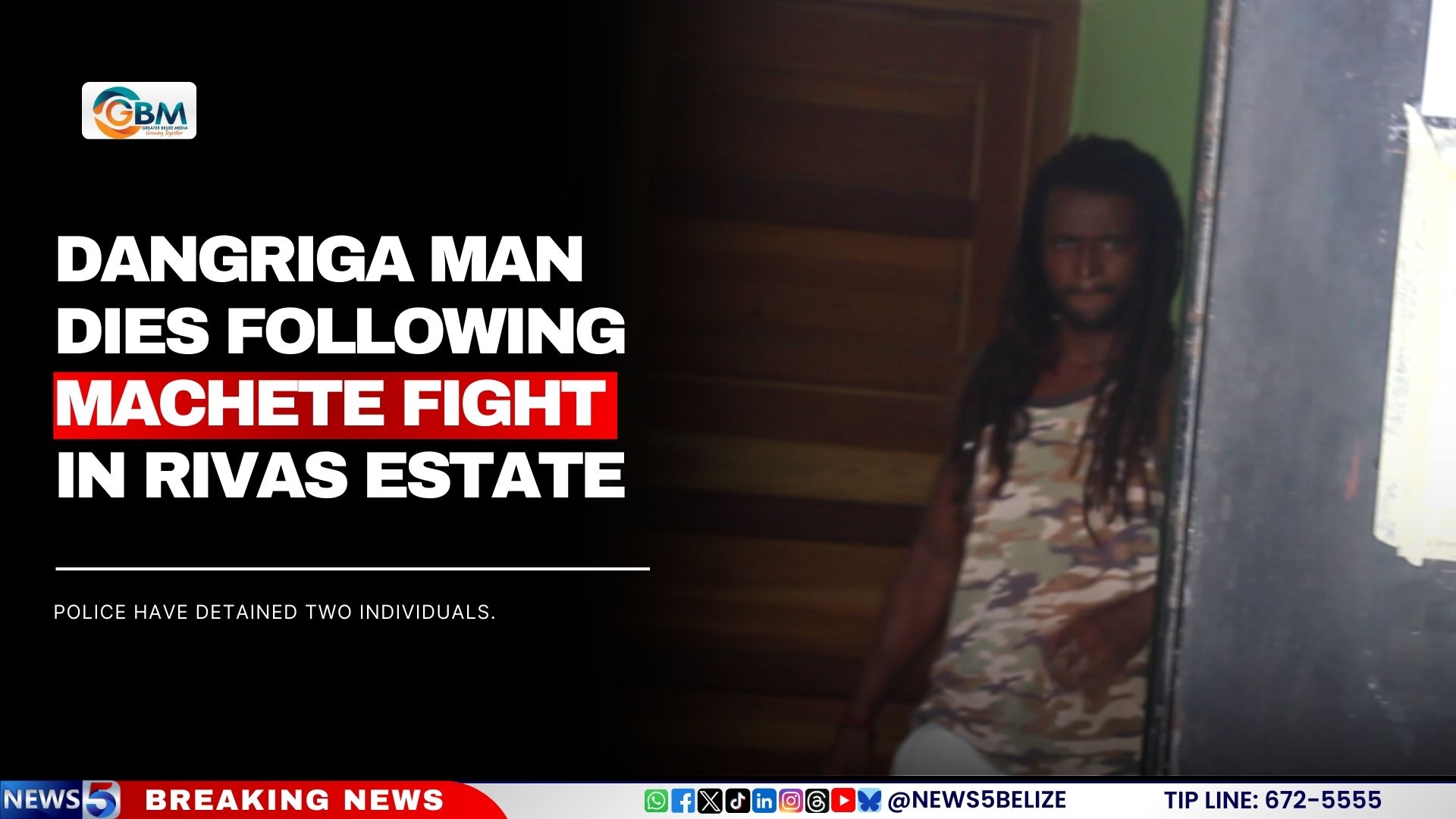
    A violent confrontation involving machetes has resulted in the death of 41-year-old Linden Kelly in the Rivas Estate area of Dangriga Town, Stann Creek District. The incident occurred on the evening of December 23, 2025, when Kelly reportedly approached a residence seeking his girlfriend before departing and returning armed with a bladed weapon.

    According to official police reports, Kelly was subsequently engaged by two male individuals, leading to a physical altercation that left him with catastrophic injuries. Medical assessment revealed severe brain trauma, significant cerebral hemorrhaging, and ocular damage. His common-law wife, Susan, described the devastating medical prognosis indicating substantial brain swelling and displacement.

    In the aftermath of the violence, law enforcement authorities have taken two persons into custody for questioning. The investigation continues to determine the precise circumstances that precipitated the deadly confrontation.

    Historical court documents reveal Kelly had prior involvement with the judicial system, having faced murder charges in September 2016 for the fatal stabbing of 32-year-old Elton Polonio on San Pedro Island. That previous incident, which allegedly originated from a romantic entanglement, resulted in Polonio’s collapse and death following an altercation within a hardware establishment on Angel Coral Street.

    Family members remember Kelly as an enthusiastic equestrian who demonstrated generosity toward others. His partner expressed both disbelief regarding allegations of horse theft and her desire for judicial accountability for those responsible for his fatal injuries.

  • Azerbaijan and Cuba discuss cooperation in the health sector

    Azerbaijan and Cuba discuss cooperation in the health sector

    In a significant diplomatic engagement, officials from Azerbaijan and Cuba have reaffirmed their commitment to strengthening bilateral relations, with particular emphasis on their successful cooperation in the health sector. The discussions, led by Cuban representatives, highlighted the substantial progress in mutual collaboration across multiple domains.

    The pivotal role of health sector cooperation emerged as a cornerstone of this international partnership. Notably, the deployment of Cuban medical specialists to Azerbaijan in 2020 during the COVID-19 pandemic was recognized as a decisive factor in enhancing bilateral relations. This timely assistance not only supported Azerbaijan’s pandemic response efforts but also established a foundation for continued partnership in public health initiatives.

    Further solidifying this health alliance, both nations emphasized the importance of the ‘Memorandum of Understanding between the Ministry of Health of the Republic of Azerbaijan and the Ministry of Public Health of the Republic of Cuba’ signed in 2023. This agreement, formalized during a Cuban Health Ministry delegation’s visit to Baku, creates a structured framework for advancing cooperation in medical science development and implementing joint health programs.

    Diplomatic sources indicate that this memorandum serves as a strategic instrument for enhancing collaborative efforts in healthcare innovation and scientific exchange between the two nations. Beyond health-related matters, the meeting facilitated productive discussions on various subjects of mutual interest, demonstrating the expanding scope of Azerbaijan-Cuba relations and their shared commitment to international cooperation.

  • Cuba warns of the dangers of fentanyl use

    Cuba warns of the dangers of fentanyl use

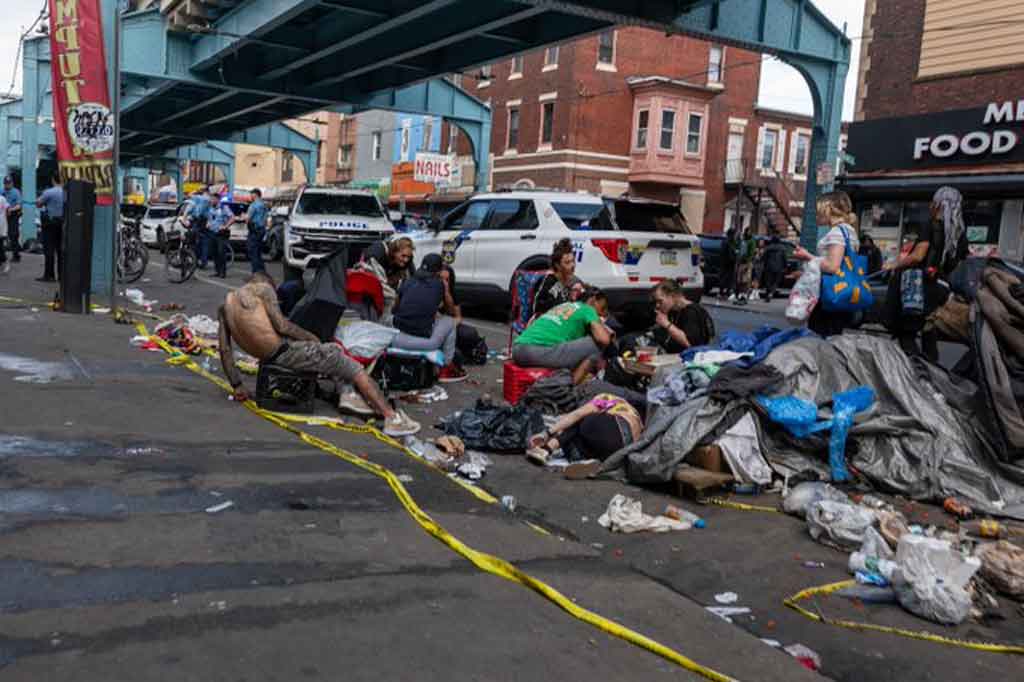
    A Latin American official has launched a scathing critique against the United States government’s recent designation of fentanyl as a weapon of mass destruction, characterizing the move as a calculated strategy to justify military intervention in sovereign nations. Through a statement published on the social media platform X, the representative asserted that this classification establishes dangerous false pretexts for initiating warfare against states throughout Latin America and the Caribbean.

    The official further contended that this designation serves broader geopolitical objectives, including the overthrow of legitimately elected governments and the appropriation of natural resources belonging to other nations. The criticism extended to what was described as a deliberate effort by U.S. authorities to oversimplify the complex, multifactorial origins of the fentanyl crisis while simultaneously obscuring the devastating consequences of its misuse.

    Additionally, the statement included strong condemnation of American pharmaceutical corporations, accusing them of engaging in systematic malpractice that contributes to the epidemic. The official pointed to inherent vulnerabilities within the United States itself, citing the country’s vast drug market, the widespread and often indiscriminate prescription of potent opioids like oxycodone, amphetamines, and other addictive substances, coupled with a healthcare system that remains financially inaccessible for many citizens, as fundamental drivers of the crisis.

  • Guyana onderschept kwik vermoedelijk gesmokkeld uit Suriname

    Guyana onderschept kwik vermoedelijk gesmokkeld uit Suriname

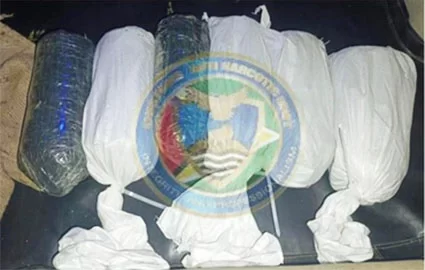
    In a significant environmental enforcement operation, Guyana’s Customs Anti-Narcotics Unit (CANU) has intercepted a substantial mercury shipment valued at approximately GY$18 million (US$86,000) near Crabwood Creek along the Corantijn River in Berbice. Authorities strongly suspect the hazardous material originated from Suriname before being illegally trafficked across the border into Guyana.

    The discovery occurred during a routine vehicle inspection conducted by CANU operatives, according to reports from Demerara Waves. Subsequent forensic examination revealed multiple packages containing the highly toxic and strictly regulated substance. The driver was immediately taken into custody and transported to CANU headquarters for intensive interrogation as part of the ongoing investigation.

    Environmental experts emphasize mercury’s severe dangers to both human health and ecological systems. The heavy metal can infiltrate ecosystems through atmospheric dispersion, water contamination, soil pollution, and bioaccumulation in fish species, ultimately entering the human food chain. Guyana has implemented sustained efforts to eliminate mercury usage in gold mining operations due to these documented public health and environmental risks.

    Following preliminary valuation procedures, the confiscated mercury has been transferred to Guyana’s Ministry of Natural Resources for specialized handling, processing, and secure destruction protocols. The suspect remains in police custody while cooperating with investigators. CANU officials indicate that additional arrests may follow as the international smuggling investigation progresses.

  • UN reports on complex situation in Gaza

    UN reports on complex situation in Gaza

    The World Health Organization has issued a grave warning through its official channels, expressing profound concern over the systemic collapse of healthcare infrastructure in the Palestinian territories amid continued Israeli military operations. The multilateral body urgently called for enhanced protection of its ground teams and unimpeded access to deliver critical medical assistance.

    Current WHO data reveals that approximately 10,600 critically ill patients have been medically evacuated since the escalation of hostilities, with children comprising more than half of these cases at 5,600. However, the organization emphasizes that numerous patients still require immediate transfer to facilities capable of providing comprehensive medical treatment.

    According to documentation from the Gaza Ministry of Health, a minimum of 1,092 patients perished while awaiting medical evacuation between July 2024 and late November 2025. Health authorities caution that this official figure likely represents a significant undercount of the actual mortality rate due to reporting challenges in conflict-affected areas.

    United Nations spokesperson Stéphane Dujarric recently reported that despite declared ceasefires, persistent accounts of airstrikes, artillery shelling, and small arms fire continue to cause civilian casualties and severely disrupt humanitarian operations. Dujarric further highlighted that extreme shelter shortages have forced numerous families to seek refuge in structurally compromised buildings, many of which have subsequently collapsed under precarious conditions.

    The UN has renewed its diplomatic appeal to Israeli authorities, urging the complete removal of restrictions on humanitarian aid entry, including critically needed construction materials for emergency shelter and infrastructure repair.

  • US Congressman Backs Trinidad PM as She Denounces CARICOM and Venezuela’s Maduro

    US Congressman Backs Trinidad PM as She Denounces CARICOM and Venezuela’s Maduro

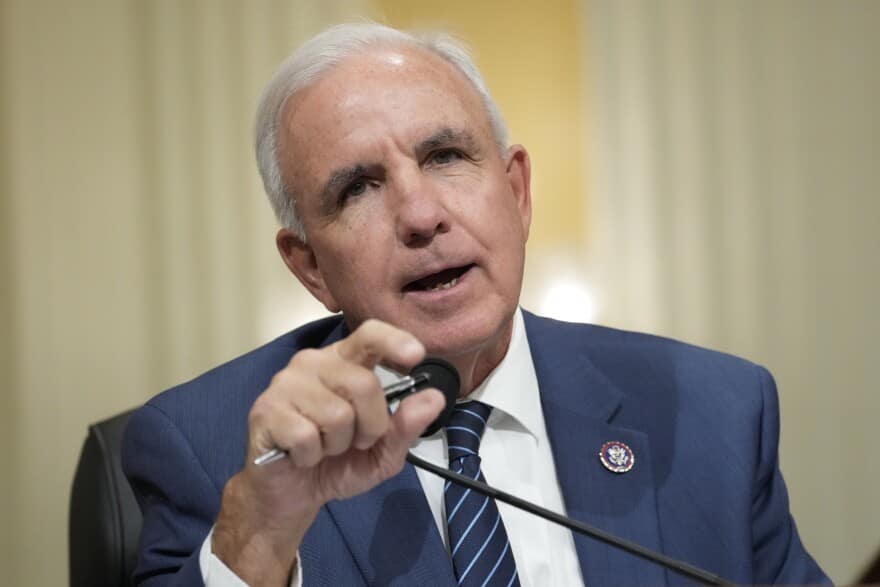
    In a significant geopolitical development, US Congressman Carlos Gimenez has thrown his weight behind Trinidad and Tobago Prime Minister Kamla Persad-Bissessar’s controversial criticism of Caribbean regional consensus and Venezuela’s leadership. The Florida representative publicly endorsed Persad-Bissessar’s alignment with Washington’s hardline approach toward Caracas through a social media post on Monday.

    Gimenez specifically commended the Prime Minister’s dismissal of CARICOM’s longstanding ‘zone of peace’ doctrine as ‘fakery’ while applauding her support for enhanced US military and maritime operations in the region. The congressman characterized Nicolás Maduro’s administration as an ‘illegitimate, narco-dictatorship,’ echoing Persad-Bissessar’s own characterization of Venezuela’s government.

    This endorsement represents a rare instance of explicit US legislative support since Persad-Bissessar began realigning her nation’s foreign policy closer to Washington’s strategic interests. The Trinidadian leader has accused the Caribbean Community of supporting what she terms a ‘narco government’ in Caracas and has withdrawn her nation’s support from CARICOM’s traditional peace-oriented stance.

    Persad-Bissessar has justified her position by citing Venezuela’s alleged threats toward Guyana and implying potential territorial claims involving Trinidad and Tobago. This strategic pivot marks a dramatic departure from Trinidad’s historical support for CARICOM’s emphasis on diplomatic dialogue and non-militarization, sparking intense regional debates about foreign policy sovereignty and security priorities in the Caribbean basin.

    The developing alliance signals potential recalibration of regional alliances and could influence broader geopolitical dynamics between Caribbean nations and external powers.

  • Mexico to state position on Venezuela at Security Council Meeting

    Mexico to state position on Venezuela at Security Council Meeting

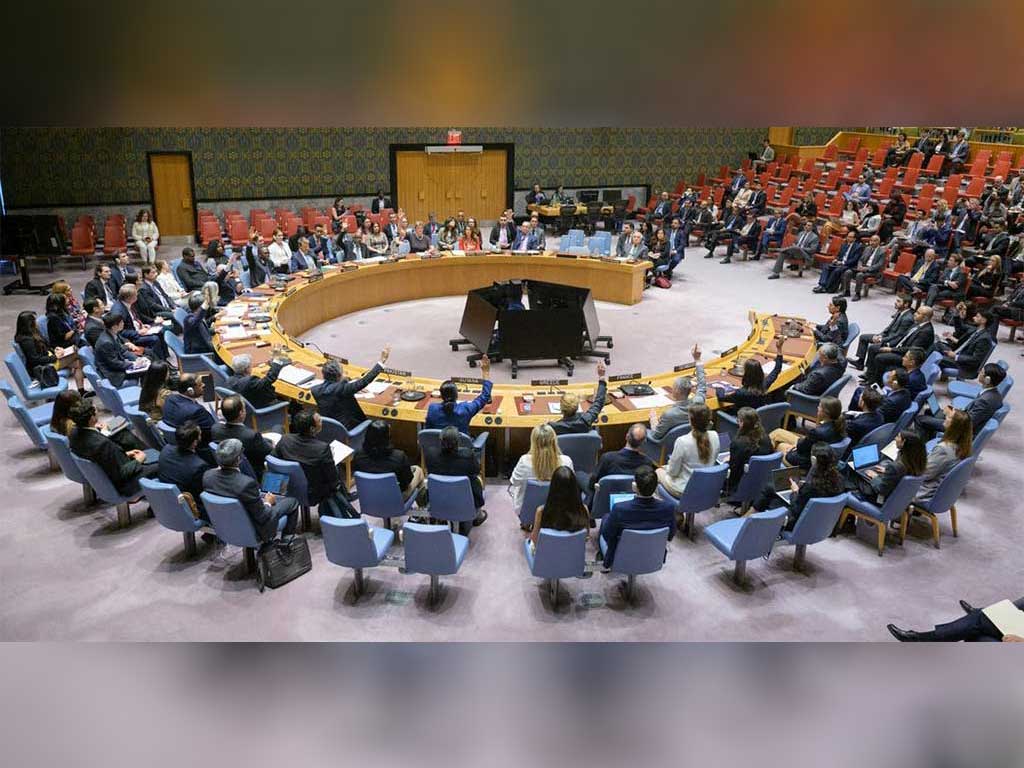
    Mexican President Claudia Sheinbaum has announced that her administration will present a strong diplomatic position at the United Nations opposing U.S. military threats against Venezuela. Ambassador Héctor Vasconcelos will represent Mexico at the UN, with Foreign Affairs lead Roberto Velasco delivering what the president described as “a very firm statement” reflecting Mexico’s longstanding foreign policy principles.

    The Mexican government reaffirmed its commitment to core diplomatic doctrines including non-intervention in sovereign states, non-interference in internal affairs, and peaceful conflict resolution. This position comes in direct response to recent announcements by U.S. President Donald Trump regarding the construction of new naval capabilities, which Mexican officials perceive as threatening to regional stability.

    President Sheinbaum referenced her November 2024 proposal at the G20 Leaders’ Summit in Brazil, advocating for global arms spending reallocation. Her initiative suggested that diverting just one percent of worldwide military expenditures to social programs like Mexico’s ‘Sembrando Vida’ (Sowing Life) initiative could support over six million participants while promoting sustainable peace.

    The diplomatic stance aligns with Venezuelan President Nicolás Maduro’s recent appeals to Latin American, Caribbean, and UN member states to form a united front against what he characterized as U.S. “military and piracy threats.” Mexico’s declaration signals a significant reinforcement of regional opposition to potential military intervention in Venezuela.

  • Happy 75th Anniversary to the Wesleyan Holiness Church of Gray’s Farm

    Happy 75th Anniversary to the Wesleyan Holiness Church of Gray’s Farm

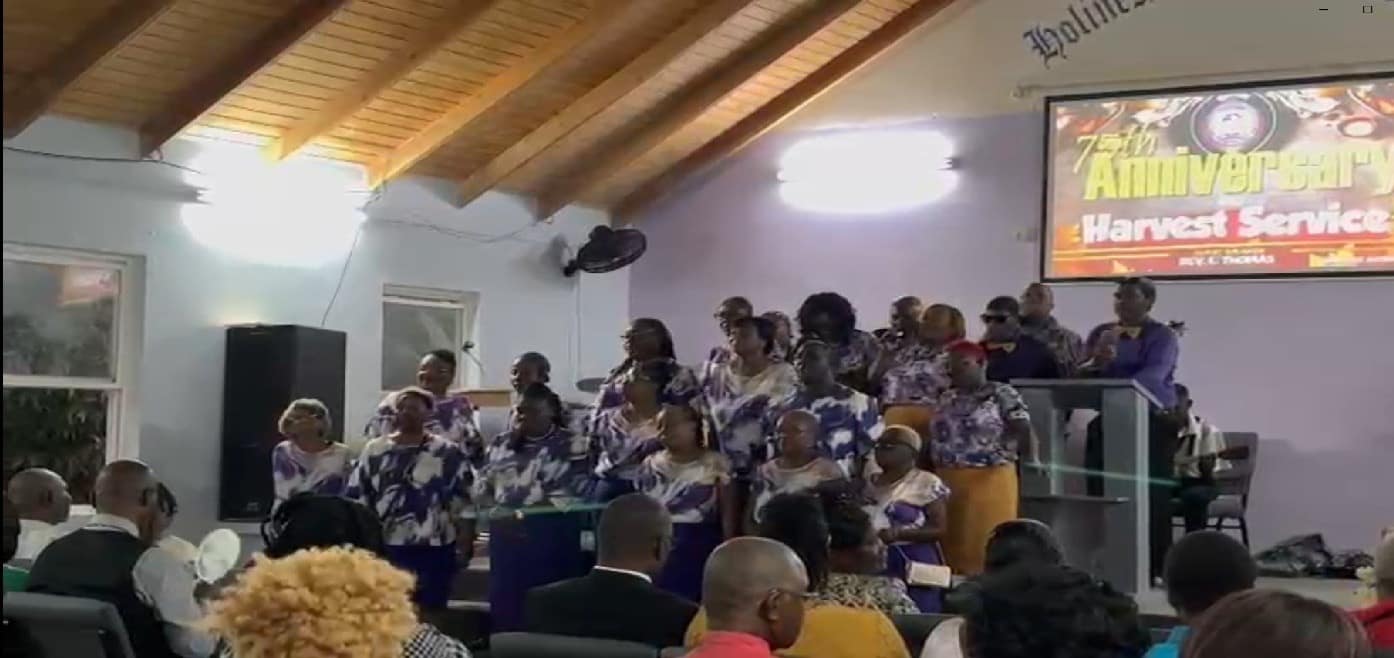
    The Wesleyan Holiness Church in Gray’s Farm marked a significant milestone last Sunday, transforming its usual Sabbath proceedings into an elaborate celebration of its 75th anniversary. The historic occasion featured a comprehensive program of worship, musical performances, and reflective presentations, all within a completely revitalized sacred space that underwent substantial renovations for this momentous event.

    The sanctuary emerged with a transformed aesthetic, featuring rebranded interior walls, new seating arrangements, plush carpeting, and contemporary furnishings that collectively established an unprecedented ambiance. Congregation members contributed to the visual harmony by donning coordinated attire that complemented the church’s new color scheme.

    Dr. Milaydis Thomas, the resident minister, commenced proceedings promptly with an invocation before introducing Christopher Stevens as Master of Ceremonies. Stevens demonstrated exceptional professionalism throughout the event, first inviting fifteen-year-old Micah Thomas to deliver a scripture reading with remarkable poise and confidence.

    Mrs. Brenda Matthews extended official welcomes, hinting at the program’s substantial offerings before Mrs. Lauren Charles-Stevens and her worship team energized the congregation with dynamic musical performances supported by the resident band. Stevens later delivered an original poetic composition recounting church history, earning thunderous applause for his eloquent delivery.

    The ceremony took an emotional turn when former youth member Cathy-Ann Burnette flew from Europe to present a biographical tribute to her spiritual grandmother, Ms. Everette Matthews—a congregant for over six decades. Matthews subsequently provided a comprehensive historical account of the church’s development, leaving no significant detail unaddressed.

    Local musician Willie Wawa captivated attendees with an exceptional trumpet performance, followed by uniformed choir members delivering a harmonically precise rendition of “We Have Come Here by Faith” to introduce guest speaker Rev. Dr. Everton Thomas from St. John’s Wesleyan Holiness Church.

    Rev. Thomas delivered a charismatic and forceful sermonette that held the congregation’s undivided attention, concluding with an inspirational charge for members to maintain faith in anticipation of greater developments. Resident minister Dr. Milaydis Thomas closed the ceremony with an enthusiastic vote of thanks before attendees departed with commemorative gifts and refreshments, all exhibiting profound satisfaction with the celebrations.

  • Nicaragua reiterates solidarity with Venezuela before of US

    Nicaragua reiterates solidarity with Venezuela before of US

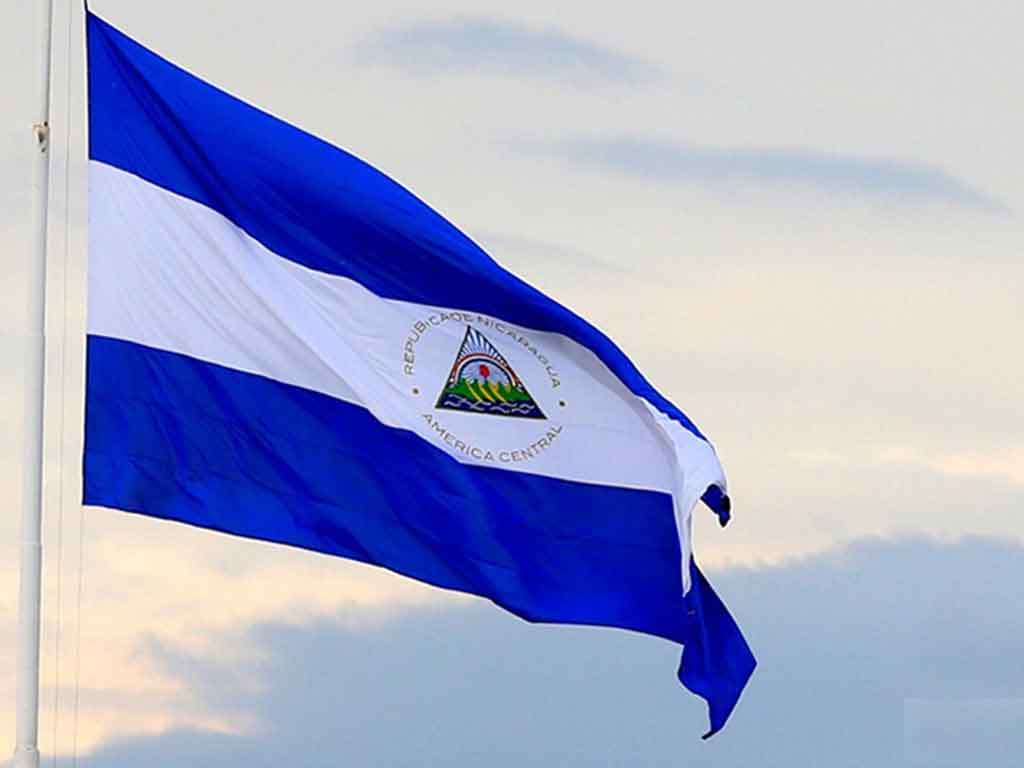
    The Nicaraguan Government of Reconciliation and National Unity has issued a forceful declaration of solidarity with Venezuela, condemning what it characterizes as imperialist aggression against the Bolivarian nation. In an official communiqué, Managua expressed profound appreciation for detailed documentation of threats and hostile actions targeting both Venezuela and the broader “Our America” region.

    Nicaragua’s executive leadership explicitly recognized the Venezuelan government’s commitment to peaceful resolution of conflicts while simultaneously pledging the “unwavering solidarity” of the Nicaraguan people with their Venezuelan counterparts. The statement invoked revolutionary symbolism by referring to the “heroic and unyielding people of Bolívar and Chávez,” connecting current struggles to historical anti-imperialist movements.

    The comprehensive condemnation specifically targeted what Nicaragua described as systematic destabilization campaigns orchestrated by imperial powers and their allies. These actions, according to the statement, fundamentally oppose peace, violate established international legal frameworks, and demonstrate disregard for national sovereignty principles.

    Nicaragua further aligned itself with Venezuela’s position regarding several specific grievances: acts of aggression against territorial integrity; economic actions characterized as “piracy, looting, and theft” of natural resources; and extrajudicial killings deemed illegal even under United States jurisprudence. The government demanded immediate cessation of all activities violating both the United Nations Charter and broader international law.

    Despite acknowledging “extraordinarily difficult times,” the statement concluded with resolute optimism, asserting certainty that Venezuela would ultimately prevail through what it described as a divinely-supported defense of rights, progress, and revolutionary achievements.

  • Cuba presents environmental protection policy

    Cuba presents environmental protection policy

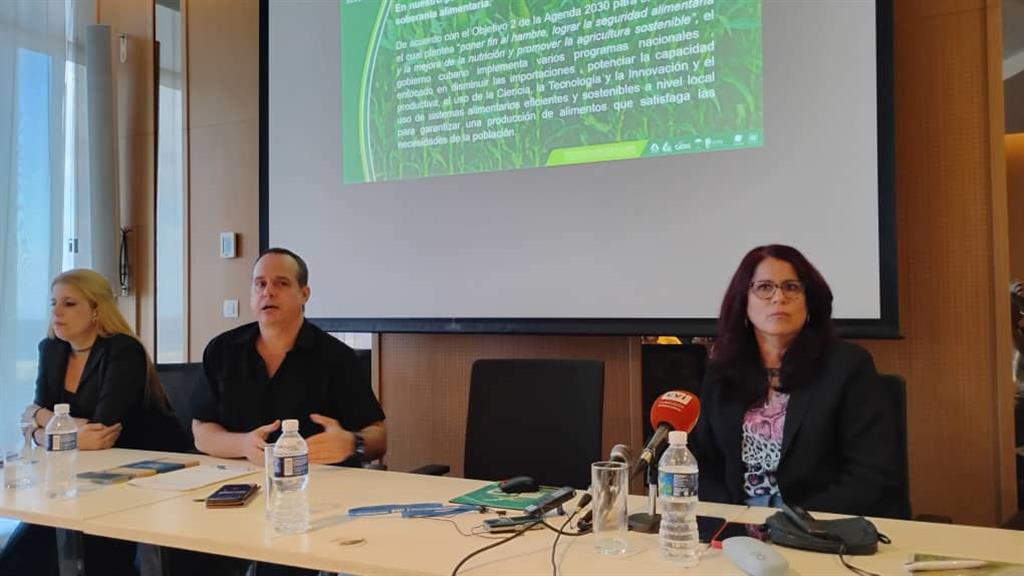
    Cuba has established a comprehensive regulatory framework for environmental protection and safety through the Office of Regulation and Environmental Safety (ORSA), which operates as the nation’s primary authority in this domain. Under the leadership of Director General Antonio Casanova, this agency functions as a critical enforcement body ensuring adherence to environmental laws and technical provisions throughout the island nation.

    ORSA’s mandate extends across multiple specialized areas including chemical, biological, nuclear, and radiological safety protocols. The agency maintains particular focus on preventing environmental pollution while simultaneously balancing Cuba’s economic and social development priorities. As an entity within the Ministry of Science, Technology and Environment (CITMA), ORSA receives institutional support and coordinates with various inspection bodies to fulfill its mission.

    The agency’s responsibilities encompass biodiversity conservation efforts, specifically protecting species of special significance to Cuba’s unique ecosystem. ORSA regulates international trade of threatened wildlife and flora under international conventions, while also overseeing genetic resources derived from biological diversity. Additional oversight extends to industrial chemicals management, hazardous waste disposal protocols, and technology transfer regulations.

    Furthermore, ORSA operates with government-delegated authority to verify Cuba’s compliance with international environmental commitments. This function positions the agency as Cuba’s primary interface for global environmental agreements, ensuring the nation meets its obligations across all areas of the agency’s competence. The integrated approach combines domestic regulatory enforcement with international treaty compliance, creating a comprehensive environmental governance system.