作者: admin

  • PSC calls for MPs to be barred from police appointments

    PSC calls for MPs to be barred from police appointments

    In a significant move toward institutional autonomy, Trinidad and Tobago’s Police Service Commission (PSC) has issued a formal demand for complete independence from parliamentary oversight in the appointment of its board members and senior police leadership. The recommendations, detailed in the PSC’s 2024 annual report presented to the House of Representatives in November, call for sweeping reforms to eliminate perceived political patronage.

    The commission specifically advocates for removing the requirement for House of Representatives approval in appointing both PSC members and the Commissioner and Deputy Commissioners of Police. This structural change aims to bolster public confidence in the police force’s independence and enhance the commission’s supervisory capabilities.

    Among the key proposals is extending the Commissioner of Police’s retirement age to 65 and removing the position from Section 75 of the Police Service Act, which currently grants the President authority to extend the service of senior officers beyond retirement age based on national interest considerations.

    The PSC further recommends expanding its membership from five to seven individuals with fixed five-year terms, while seeking broader mandates including consultation rights on appointment criteria for top police positions and monitoring powers over Assistant Commissioners of Police.

    To strengthen its selection processes, the commission seeks mandatory powers to compel organizations to provide information for security vetting of candidates. Additionally, the PSC requests full audit authority over police service performance, oversight of recruitment, promotion, disciplinary processes, and the establishment of conduct standards.

    The report also highlights operational challenges, with PSC Chairman Dr. Wendell Wallace noting a 50% staffing shortage in the commission’s secretariat and expressing concern over one-third of staff lacking job security, with many employed on monthly contracts.


  • Coast Guard officer loses promotion lawsuit

    Coast Guard officer loses promotion lawsuit

    In a significant ruling affirming military autonomy in personnel decisions, Justice Devindra Rampersad of the High Court has dismissed a judicial review claim filed by Coast Guard Lieutenant Jeffery Hernandez, who challenged the denial of his promotion based on unresolved disciplinary concerns.

    The court determined that military authorities acted lawfully and rationally in considering Hernandez’s overall suitability for advancement, particularly regarding serious fraternization allegations dating to 2016. While acknowledging Hernandez met technical qualifications including seniority and examination requirements, Justice Rampersad emphasized that promotion within the Coast Guard remains discretionary and contingent on comprehensive suitability assessments beyond mere technical compliance.

    The case centered on allegations that Hernandez, while serving as a training officer, maintained an inappropriate relationship with an officer cadet under his supervision, violating Defense Force fraternization policies. Although no court-martial determination had been reached on the four disciplinary charges filed in 2016, the court found commanding officers were justified in considering the institutional implications of these unresolved matters when evaluating promotion readiness.

    Justice Rampersad’s ruling established a crucial distinction between punitive disciplinary proceedings and evaluative promotion decisions, noting that the presumption of innocence in criminal contexts does not prevent military leaders from assessing whether pending matters affect confidence in an officer’s fitness for higher command. The court found no evidence of unlawful, irrational, or procedurally improper conduct by promotion authorities.

    The judgment also rejected Hernandez’s claim of legitimate expectation, noting the absence of any clear representation or settled practice guaranteeing automatic promotion based solely on seniority or examination results. The court accepted evidence that officers promoted ahead of Hernandez had met all eligibility requirements at relevant times.

    Legal representation included Arden Williams, Mariah Ramrattan and Anthony Moore for Hernandez, while the state was represented by Natoya Moore and Raquel Le Blanc, instructed by Savitri Maharaj and Chelsea Downes.

  • Ex-managing director wins wrongful dismissal claim but ordered to return $215k

    Ex-managing director wins wrongful dismissal claim but ordered to return $215k

    In a landmark employment ruling, the High Court has delivered a complex judgment that simultaneously condemned both a medical company’s wrongful termination practices and its former director’s financial misconduct. Justice Jacqueline Wilson presided over the contentious case between The Surgical Specialist Centre Ltd and its ex-managing director Elizabeth Kelly, revealing a troubling pattern of informal financial management within the organization.

    The court determined that while Kelly must reimburse $215,724.05 for unauthorized payments from company accounts, her 2022 dismissal was legally unjustified. The case emerged from the complete deterioration of both professional and personal relationships between Kelly and Dr. Alan de Freitas, fellow director and equal shareholder in the medical facility established in 2016.

    Justice Wilson’s examination uncovered that the company’s financial operations lacked formal structure, with both principals routinely utilizing corporate funds for personal expenses without clear guidelines or consistent application. This informal approach to financial management ultimately undermined the company’s allegations of fiduciary breach against Kelly.

    “Both parties have admitted to using company funds for personal expenses,” Justice Wilson noted in her judgment, emphasizing that the absence of defined financial protocols and employment contracts complicated the determination of contractual breaches.

    The court awarded Kelly $120,000 in damages for wrongful termination—equivalent to six months’ salary—though this amount will be deducted from her required repayment to the company. Additionally, both parties were assigned reciprocal cost payments, with Kelly ordered to pay $41,358 in prescribed costs while the medical center must pay $27,000 toward her counterclaim.

    Legal representation saw Naline Sharma and Andrea Goddard advocating for Surgical Specialist Ltd, while Jean Louis Kelly and Natalie King represented the former managing director. The case highlights the critical importance of establishing formal financial controls and employment agreements within corporate structures, particularly when personal relationships intersect with business operations.

  • Ex-soldier loses lawsuit over discharge

    Ex-soldier loses lawsuit over discharge

    In a significant judicial ruling, High Court Justice Joan Charles has unequivocally dismissed the constitutional challenge brought by former Defence Force soldier Jenna Jackson, affirming the legality of her 2014 discharge under the grounds of ‘completion of engagement.’ The court determined that military authorities acted within their statutory powers under the Defence Act, delivering a judgment that reinforces the discretionary nature of military re-engagement protocols.

    The case centered on Jackson’s assertion that her termination was premature, irrational, and violated constitutional protections under Section 4(b) regarding protection of the law. Represented by attorney Ronald Simon, she sought reinstatement, compensation for lost earnings, and damages claiming unfair treatment and denial of natural justice.

    Justice Charles’s comprehensive analysis revealed Jackson’s extensive medical history—including polycystic ovaries, back injuries, and postpartum complications—that resulted in prolonged sick leave and permanent restrictions preventing her from performing essential military duties. The court documented how these limitations affected her capacity for physical training, prolonged standing, and night operations.

    In her rationale, Justice Charles emphasized that military organizations retain ultimate authority in managing operational effectiveness and fitness standards. ‘Re-engagement is discretionary, not automatic,’ the judgment stated, noting that Jackson had ‘no legitimate expectation’ of continued service beyond her initial term.

    While acknowledging the Defence Force’s failure to provide a discharge certificate initially, the court found sufficient alternative remedies existed through the Defence Council petition process and judicial review mechanisms. The ruling establishes important precedent regarding the balance between military discretion and constitutional rights, with Justice Charles explicitly stating courts should not substitute their judgment for military operational decisions.

    Although the option of medical discharge existed, the court found the ‘completion of engagement’ rationale legally sound. In a concluding decision on costs, Justice Charles ordered each party to bear their own legal expenses.

  • Caricom/TT tiff: Minister calls for closed-door meetings

    Caricom/TT tiff: Minister calls for closed-door meetings

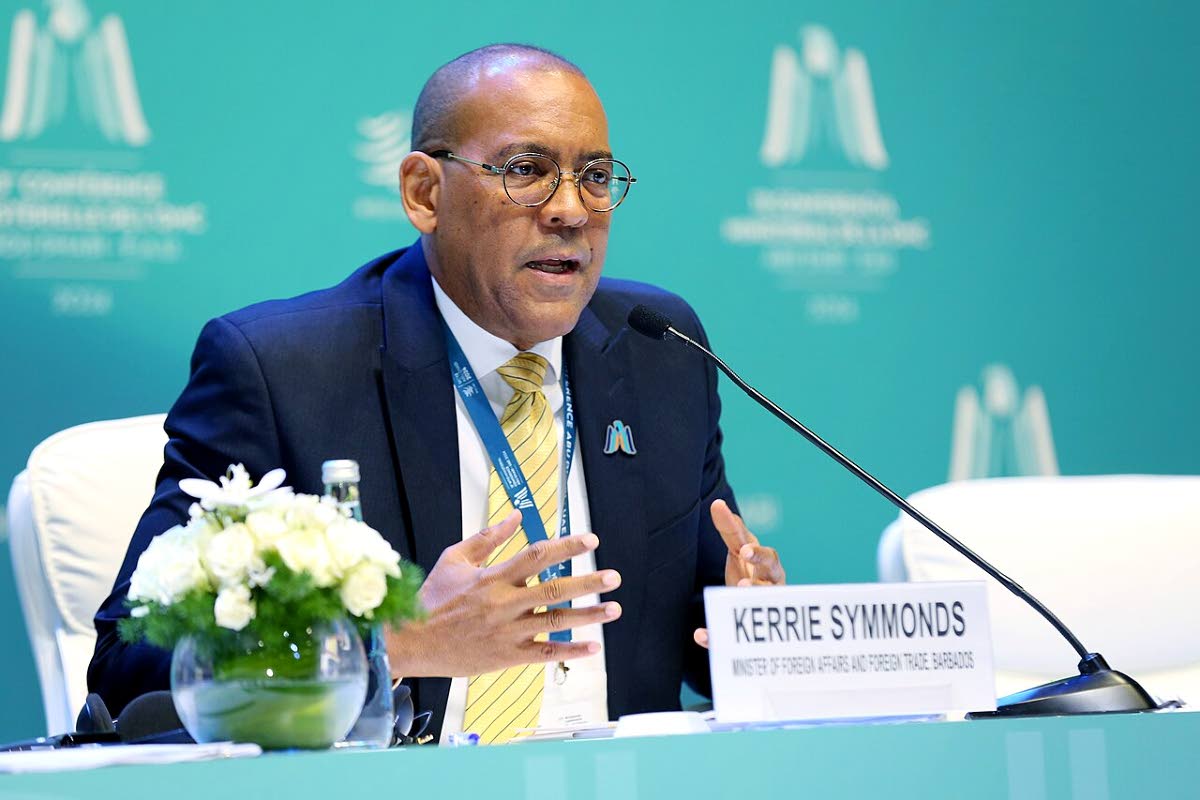
    Amid escalating tensions within the Caribbean Community (CARICOM), Barbados Foreign Affairs Minister Kerrie Symmonds has proposed confidential high-level discussions to address mounting concerns across the 15-member regional bloc. The initiative comes as public disagreements threaten to expose deeper divisions within the organization.

    Minister Symmonds acknowledged the “uncompromising tone” emanating from Trinidad and Tobago Prime Minister Kamla Persad-Bissessar’s administration but characterized the situation as a temporary period of uncertainty rather than genuine disharmony. He emphasized that private dialogue would enable leaders to share security concerns without public posturing, noting that regional security constitutes a collective undertaking under CARICOM’s charter.

    The diplomatic friction intensified recently when Antigua and Barbuda Prime Minister Gaston Browne challenged Persad-Bissessar to substantiate claims that CARICOM members had aligned with Venezuela’s “Maduro narco government.” Symmonds suggested that Trinidad’s current economic pressures—including a severe credit squeeze limiting monthly US dollar access to approximately $2,000 per entity—might be influencing its stance.

    Despite the tensions, the Barbados minister highlighted compelling economic incentives for maintaining regional unity. Trinidad and Tobago generated nearly $1 billion from CARICOM trade in 2024, making the bloc its second-largest trading partner after the United States. The Common External Tariff (CET) system particularly benefits Trinidadian manufacturers by protecting domestic production through regional trade barriers.

    Symmonds concluded that while sovereign nations inevitably experience diplomatic tensions, CARICOM remains a proven partnership in an increasingly unpredictable global landscape. He expressed confidence that shared economic interests and institutional dependencies would ultimately preserve regional cohesion despite current challenges.

  • Private sector groups recommit to Caricom

    Private sector groups recommit to Caricom

    Amidst escalating diplomatic tensions between Caribbean leaders, the Caribbean Community Private Sector Organisation (CPSO) has issued a strong declaration of support for regional economic integration and the Caricom Single Market and Economy (CSME). The organization, serving as the umbrella body for seven national private sector associations, emphasized the critical importance of maintaining unity within the 15-member regional bloc.

    The CPSO highlighted the substantial economic benefits derived from the CSME framework, noting its significant contributions to intra-regional trade, supply chain reinforcement, and foreign exchange earnings across member states including Trinidad and Tobago. Since attaining associate institution status within Caricom, the private sector group has actively collaborated with business organizations to advance projects aligned with CSME objectives.

    This reaffirmation of commitment comes against the backdrop of heated exchanges between Antigua and Barbuda Prime Minister Gaston Browne and Trinidad and Tobago Prime Minister Kamla Persad-Bissessar regarding Caricom’s stance toward Venezuela. Persad-Bissessar had previously accused certain Caricom members of aligning with what she termed ‘the Maduro narco government,’ while expressing concerns about Venezuela’s territorial threats toward Guyana and Trinidad and Tobago.

    The CPSO statement strategically emphasized the complementary nature of Caricom’s trading relationships, noting that regional integration and strong external partnerships—particularly with the United States as Caricom’s largest external trading partner—are mutually reinforcing rather than contradictory. The organization stressed that in times of global economic uncertainty, private sector success depends fundamentally on confidence, stability, and constructive engagement among member states.

    Concluding with a call for solidarity, the CPSO endorsed the ‘stronger together’ principle, recognizing Caricom as essential for transforming regional vulnerabilities into assets through strategic global economic integration. The statement was jointly endorsed by private sector organizations from Jamaica, Barbados, Guyana, OECS, Suriname, and Belize.

  • Court awards $22k to businessman arrested in illegal traffic stop

    Court awards $22k to businessman arrested in illegal traffic stop

    In a significant judicial ruling, High Court Justice Devindra Rampersad has mandated the Trinidad and Tobago state to compensate a sporting apparel wholesaler with over $223,000 in damages, interest, and legal costs for unlawful detention and malicious prosecution during a 2018 traffic stop.

    The claimant, whose identity remains protected due to security concerns regarding the country’s crime situation, was subjected to false imprisonment and malicious prosecution by officers of the Trinidad and Tobago Police Service during a highway traffic exercise on June 23, 2018. Represented by attorney Joel Roper, the businessman successfully demonstrated that police officers violated his rights during what began as a routine traffic stop.

    Justice Rampersad’s judgment detailed specific compensation awards: $50,000 for false imprisonment (including aggravated damages), $70,000 for malicious prosecution, and $25,000 as special damages. The court additionally granted interest on these awards while declining to award exemplary damages, noting that additional punitive measures were unwarranted. The state was further ordered to cover the claimant’s legal costs amounting to $34,410.41.

    Court documents reveal the claimant was initially stopped while traveling to conduct business deliveries and photograph a wedding. After receiving tickets for speeding and tinted windows, he was stopped again minutes later, forcibly removed from his vehicle, handcuffed, searched, and transported to Cumuto Police Station. He endured approximately eight hours of detention without being informed of arrest reasons or afforded his constitutional rights, including access to legal counsel or telephone communication. The subsequently filed charges of using insulting language were dismissed by a magistrate, reinforcing the foundation for the malicious prosecution claim.

  • TTBWA: No HDC housing for the blind

    TTBWA: No HDC housing for the blind

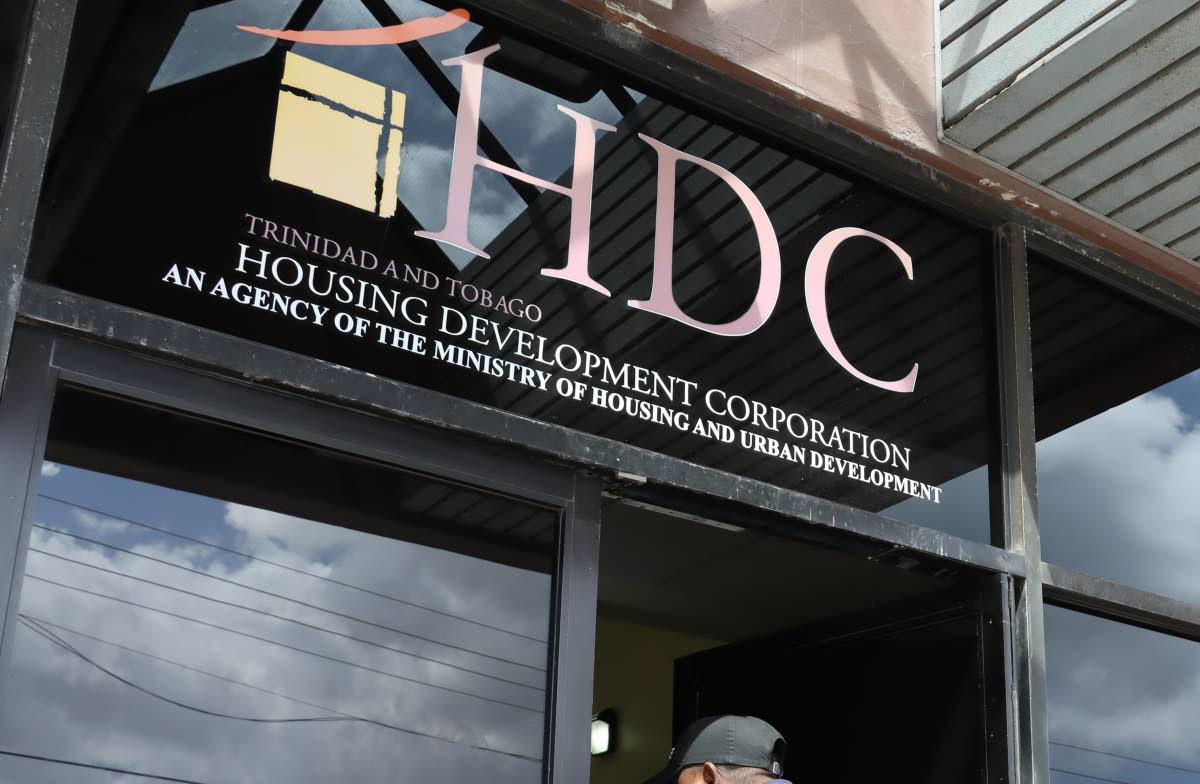
    The Trinidad and Tobago Blind Welfare Association (TTBWA) has raised significant concerns regarding the exclusion of visually impaired citizens from the Housing Development Corporation’s (HDC) 2025 housing allocation program. Despite the distribution of over 120 housing units this year, not a single blind or visually impaired individual benefited from the national initiative.

    In a December 25 media release, the advocacy organization emphasized that housing represents far more than mere shelter—it constitutes a fundamental component of independence, dignity, safety, and social inclusion. The association highlighted the particular vulnerability of blind and visually impaired individuals, who frequently encounter persistent barriers to employment, income stability, and accessible living environments.

    The TTBWA articulated that persons with disabilities possess equal rights as citizens and legitimate expectations to benefit from public housing programs, especially when vulnerability and extended waiting periods are recognized as qualifying criteria for housing assistance.

    The organization has called for deliberate inclusion measures in future housing distributions, improved tracking mechanisms for disabled applicants, and enhanced collaboration with disability representative organizations to develop truly inclusive housing policies. They emphasized that national progress should be measured not merely by the quantity of homes delivered, but by the inclusivity of that progress.

    The TTBWA has expressed its readiness to constructively engage with policy-makers and housing authorities to ensure more equitable outcomes in future allocation cycles, advocating for systemic changes that recognize housing as a fundamental right for all citizens regardless of physical ability.

  • Piparo family keeps watch on mud volcano

    Piparo family keeps watch on mud volcano

    Residents of Piparo faced a disruptive Christmas as seismic activity from the local mud volcano intensified, prompting an urgent visit from Works and Infrastructure Minister Jearlean John on December 25th. The minister emphasized that holidays become insignificant during crises as she assessed the damage firsthand.

    The volcanic activity, which commenced on December 24th, has generated substantial infrastructure damage, including major fissures in roadways that have rendered them unusable. At least five households have been directly impacted by the eruption, which ejected heated mud and smoke into the atmosphere.

    Fedell Solomon, a resident residing in close proximity to the eruption site, described the ongoing geological disturbances. While the volcanic noises have diminished, new fissures continue to emerge around his two-story property where he lives with his wife, three children, and elderly parents. Solomon reported complete water supply disruption due to damaged pipelines caused by ground movement.

    Minister John committed to immediate infrastructure repairs, promising restored road access by the following Wednesday and coordination with relevant authorities to address the water crisis. The Rural Development and Local Government Ministry had previously issued warnings about restricted access to Piparo Road and advised alternative routes with heightened safety precautions.

    This event echoes previous volcanic activity in October 2019 and a significant 1997 eruption that necessitated community evacuations. Solomon revealed that his family had been offered alternative housing during the 2019 incident but declined due to financial constraints, noting their home was constructed 38 years prior without any visible volcanic indicators.

    The close-knit community has mobilized support efforts while residents and officials maintain vigilant monitoring of the evolving geological situation.

  • SoE and US/Venezuela tensions hit tourist arrivals in Tobago

    SoE and US/Venezuela tensions hit tourist arrivals in Tobago

    The picturesque shores of Tobago’s Charlotteville waterfront remained unusually tranquil during the peak Christmas season, presenting a stark contrast to the typical holiday bustle. With minimal local activity and a conspicuous absence of international visitors, the scene encapsulated the severe challenges facing Tobago’s hospitality sector.

    Tourism industry leaders have identified dual catalysts for this pronounced downturn: escalating military tensions between the United States and Venezuela, coupled with the ongoing state of emergency declaration. Reginald MacLean, President of the Tobago Hotel and Tourism Association, confirmed substantial declines in both advance bookings and actual tourist arrivals during what should be the island’s most profitable period.

    MacLean, who simultaneously serves as general manager of Blue Waters Inn in Speyside, provided concrete metrics illustrating the sector’s struggles. His establishment operated at approximately 70% capacity during the critical holiday period—a significant reduction from the complete occupancy achieved during the same timeframe in 2024.

    Industry-wide assessments confirm this pattern extends across the island. Alpha Lorde, former association president and current general manager of Mt Irvine Bay Hotel, characterized both the 2024 and 2025 Christmas seasons as ‘fairly dismal’ with no hospitality operators reporting strong performance.

    Transportation infrastructure limitations have exacerbated the situation. MacLean emphasized that constrained flight availability and reduced ferry services have created fundamental capacity constraints preventing hotel occupancy recovery.

    Industry executives have expressed frustration with governmental support levels. Despite official rhetoric about economic diversification beyond hydrocarbon dependence, tourism stakeholders perceive insufficient concrete action. Multiple attempts by Newsday to obtain comments from Chief Secretary Farley Augustine and Tourism Secretary Tashia Burris yielded no response.

    The industry’s challenges accumulated throughout 2025, beginning with an initial state of emergency, progressing through electoral transitions and governmental changes, and culminating with renewed emergency declarations and geopolitical complications. Tourism professionals maintain cautious optimism that 2026 may bring improved circumstances and renewed visitor interest to Tobago’s hospitality sector.