作者: admin

  • Families Sue After Three Revere Women Die in Belize

    Families Sue After Three Revere Women Die in Belize

    In a profound transformation of grief into legal action, families from Revere, Massachusetts have initiated federal wrongful death proceedings nearly one year after three young women tragically died during a trip to Belize. The lawsuit, filed in Massachusetts federal court, contends that the deaths were entirely preventable and asserts that proper accountability must be established through the American judicial system.

    At an emotionally charged press conference, Ikram Naqqad, sister of deceased Kaoutar Naqqad, articulated the families’ dual mission: securing justice for their lost loved ones and establishing protections to prevent similar tragedies from affecting other families. The legal action emerges after what families describe as an inadequate investigation that forced them to conduct their own inquiries amid damaging rumors about the circumstances.

    The three women—Kaoutar Naqqad, Wafae, and Imane—were remembered as accomplished professionals with promising futures. Kaoutar served as a youth counselor with aspirations to join the state police; Wafae worked in research at Massachusetts General Hospital; and Imane was pursuing nursing studies. Described as perpetually happy individuals who brought light to every room they entered, their deaths represent not just personal tragedy but the loss of their significant potential contributions to society.

    The lawsuit transcends mere financial compensation, representing instead a crusade for factual accuracy about the circumstances surrounding the deaths, proper remembrance of three vibrant lives ended prematurely, and the establishment of precedents that might protect future travelers. The families emphasize that their delayed grieving process resulted from having to advocate for proper investigation procedures when initial responses proved inadequate.

    This legal action highlights broader concerns about tourist safety in international destinations and the responsibilities of travel providers and destination authorities to ensure visitor protection. The case continues to develop as families seek both closure and meaningful change from their profound loss.

  • Inside the $5.8M Makeover of Belize’s National Assembly

    Inside the $5.8M Makeover of Belize’s National Assembly

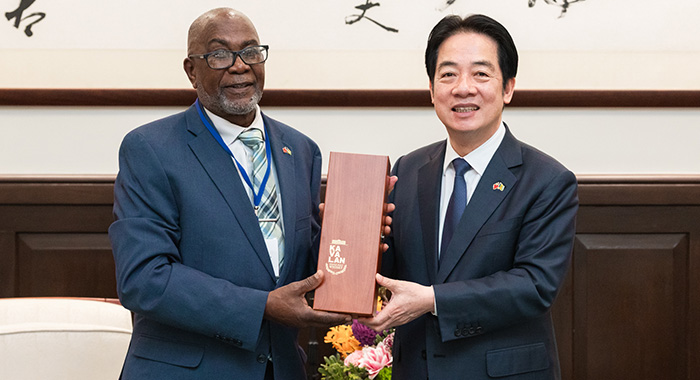
    Belmopan’s National Assembly Building has emerged from its most comprehensive renovation in fifty years, marking a significant milestone in Belize’s governmental infrastructure. The transformative $5.8 million project, funded through a strategic partnership between Taiwan and the Belizean government, has successfully merged contemporary functionality with the building’s distinctive architectural heritage.

    The extensive modernization effort addressed longstanding accessibility and efficiency concerns throughout the three-story structure. A newly installed elevator now provides universal access, while reconfigured first-floor spaces consolidate key operations including the offices of the Speaker of the House and Senate President. The building’s workflow has been radically improved with updated filing systems and optimized workspaces for parliamentary staff.

    Within the main chamber, legislators now benefit from ergonomic seating replacing outdated wooden chairs, enhanced lighting systems, and a refreshed layout designed to accommodate extended parliamentary sessions. Adjacent members’ rooms for Government, Opposition, and Independent Senators feature new furnishings complemented by artwork from Belize’s national collection.

    The renovation extended to public and press areas, with the third-floor gallery receiving improved seating configurations and wheelchair accessibility. Media representatives now enjoy dedicated workspace, eliminating previous conditions that forced journalists to work from cramped corners or tile floors.

    Taiwan contributed $1.5 million through a grant mechanism, with the Belizean government investing the remaining $4.2 million to complete the comprehensive modernization while preserving the building’s historical character. The project faced scrutiny regarding its budgetary allocation, though officials maintain the investment was necessary to bring critical parliamentary infrastructure into the modern era while maintaining the building’s structural identity.

    The upgraded facility officially commenced operations during Monday’s joint sitting, representing both a practical enhancement to democratic functions and a preservation of national heritage for future generations.

  • Are “Boots” Martinez and Patrick Faber Returning as Standard Bearers?

    Are “Boots” Martinez and Patrick Faber Returning as Standard Bearers?

    The United Democratic Party is navigating internal speculation regarding the potential political rehabilitation of former senior figures Patrick Faber and Anthony ‘Boots’ Martinez. Recent discussions have centered on whether these former officials might reclaim their positions as standard bearers, potentially displacing recently selected female candidates in the Collet and Port Loyola constituencies.

    Party Leader Tracy Taegar-Panton addressed these rumors following Saturday’s National Party Council meeting, where members passed a resolution to rectify ‘injustices and wrongs’ committed against four senior UDP members under previous leadership. The resolution specifically acknowledged improper treatment of Senator Patrick Faber, Beverly Williams, John Saldivar, and Taegar-Panton herself.

    ‘We made clear motion declarations that what happened was wrong and completely wrong,’ stated Taegar-Panton, emphasizing the party’s commitment to documenting these corrections for historical posterity.

    Regarding constituency leadership, Taegar-Panton clarified that no immediate changes are planned for Port Loyola’s representation. However, she acknowledged that the Collet constituency caretaker position would be reviewed ‘at the appropriate time’ through collective consultation with the leadership team and current caretaker.

    The party leader attributed Faber’s previous exclusion to ‘injustice,’ noting he had been ‘effectively expelled a third time’ for attending a National Party Council meeting where his participation was warranted. Taegar-Panton emphasized the UDP’s rebuilding efforts following a major leadership reset, with the ultimate goal of securing victory in the 2030 elections.

    Despite online speculation about imminent candidate shake-ups, Taegar-Panton maintains that the organization is focused on structured rebuilding rather than reactive changes, with any decisions regarding standard bearers to be made through proper consultation processes.

  • Belize Business Bureau Says “Competition Destroys Profits”

    Belize Business Bureau Says “Competition Destroys Profits”

    BELIZE CITY – In a significant endorsement of market consolidation, the Belize Business Bureau has publicly championed Belize Telemedia Limited’s (BTL) planned acquisition of competitor Speednet (SMART). The Bureau characterized the proposed merger, announced February 3, as “a sound economic business proposal” poised to deliver substantial national and shareholder benefits.

    The Bureau’s analysis indicates BTL’s annual revenues have plateaued at approximately $32 million. The acquisition is framed as the essential catalyst for breaking this stagnation and securing the company’s long-term viability. Projections suggest the consolidated entity could achieve profits soaring to $50 million within a three-year horizon, with profit margins dramatically expanding from below 10% to over 20% in just two years.

    Shareholders are positioned for considerable gains, with earnings per share forecast to surge from under thirty cents to more than one dollar over a five-year payback period. This would effectively double dividends, a critical development for institutional investors like the Social Security fund.

    Addressing potential labor concerns, the Bureau emphasized that the acquisition’s due diligence must incorporate robust worker protections, including severance agreements, arbitration mechanisms, drawback rights, and non-compete clauses. An ancillary proposal for a ‘data-free Sunday’ was highlighted as a measure to aid vulnerable demographics, including the elderly, unemployed, and students.

    The Bureau’s position hinges on a stark economic rationale, concluding that “competition destroys profits.” It argued that the existing rivalry between BTL and SMART has mutually diminished both companies’ incomes. The statement ended with an appeal for objective analysis, urging stakeholders to examine the proposal “more closely and with less prejudice.”

  • Afro  Caraïbische Educatie Academie reikt eerste certificaten uit

    Afro Caraïbische Educatie Academie reikt eerste certificaten uit

    PARAMARIBO – In a significant milestone for community-based education, the Afro-Caribbean Education Academy (ACEA) has successfully graduated its inaugural class of 18 students aged 11-18. The ceremony, held recently, marked the completion of an intensive extracurricular program designed to empower Surinamese youth through cultural awareness and practical life skills.

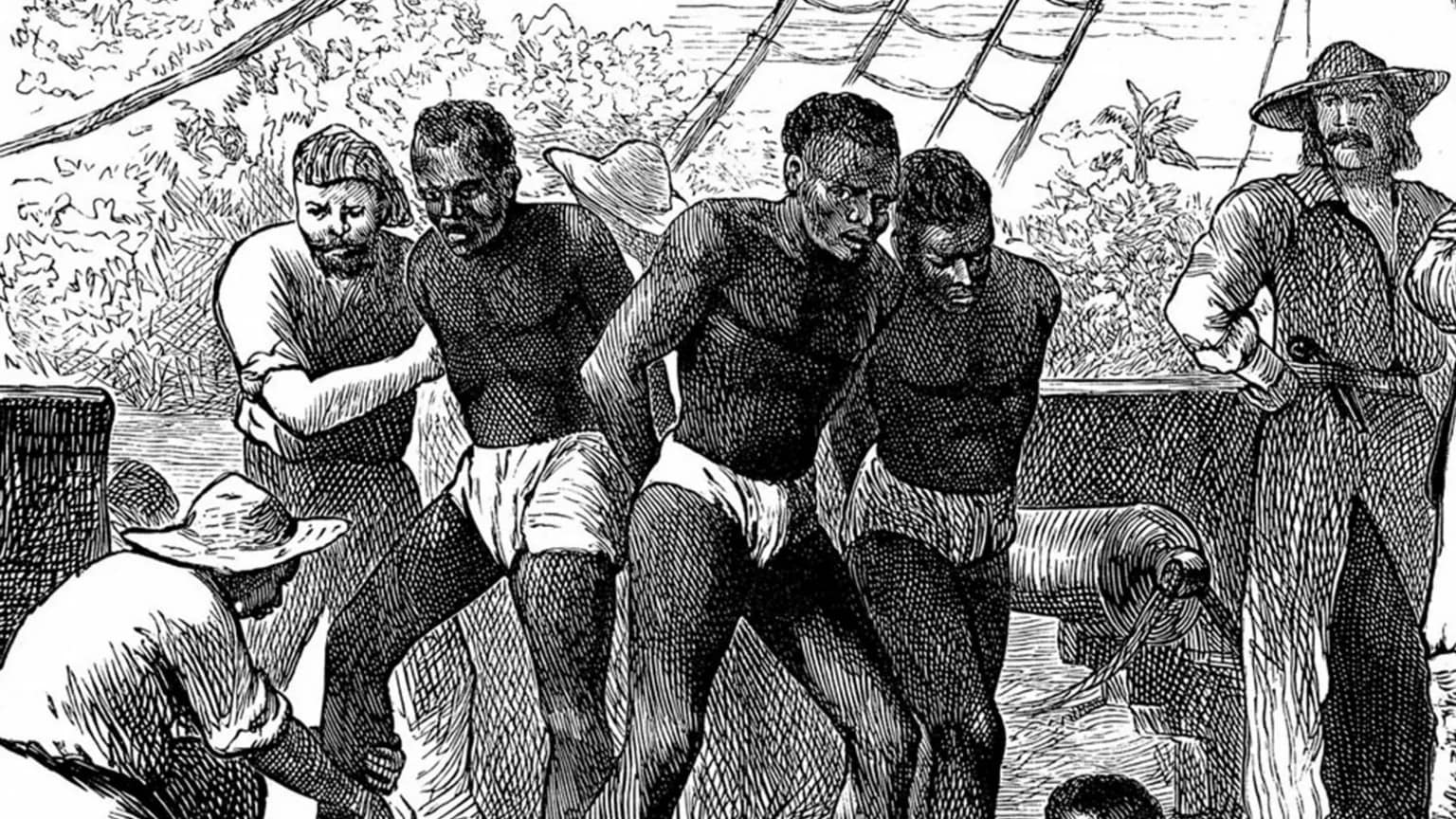
    Established by the National Reparation Platform Suriname Foundation (NRPS), ACEA represents an innovative educational initiative focusing on identity development, social consciousness, and community strengthening through an inclusive framework. The academy’s curriculum encompasses six core modules: historical studies, social competencies, cultural philosophy, creative expression, entrepreneurship fundamentals, and financial budgeting.

    Although the program commenced with 30 enrolled participants, 18 students successfully completed the comprehensive requirements. Instruction was delivered by experienced educators possessing both professional teaching credentials and demonstrated affinity with the target demographic. Program administrators noted the cohort’s exceptional engagement and knowledge acquisition throughout the curriculum, characterizing the learning environment as mutually inspiring for both students and instructors.

    The culminating ceremony featured addresses from NRPS leadership alongside demonstrative presentations by participating youth, showcasing their acquired knowledge and skills. The foundation’s board oversaw program execution, emphasizing the institution’s commitment to addressing educational gaps through culturally relevant pedagogy that extends beyond conventional school settings.

  • Guyana’s President Concludes Visit in Belize

    Guyana’s President Concludes Visit in Belize

    Belize City, February 3, 2026 – Guyana’s President Dr. Mohamed Irfaan Ali concluded a significant three-day state visit to Belize, marking a new chapter in bilateral relations between the two nations. The diplomatic engagement resulted in the establishment of multifaceted cooperation agreements spanning critical sectors including national security, education, tourism, technology, and investment.

    The two governments emphasized practical implementation over ceremonial commitments, with a focus on tangible outcomes including enhanced joint crime prevention initiatives, expanded scholarship programs and vocational training opportunities, tourism development strategies, and digital government service modernization through technological innovation.

    Security cooperation forms a cornerstone of the new partnership, with both nations committing to collaborative efforts against transnational criminal networks and emerging security threats. The framework includes provisions for strengthening defense capabilities and intelligence sharing mechanisms to address regional security challenges.

    Belize Prime Minister John Briceño characterized the agreements as “laying a substantive foundation for deepened collaboration in mutually beneficial areas,” though noted the arrangements represent political commitments rather than legally binding treaties.

    Beyond formal negotiations, President Ali’s itinerary included strategic visits to key economic facilities in the Cayo District, including Santander Sugar Limited and Quality Poultry Products, highlighting agricultural and industrial development opportunities.

    The state visit concluded with a ceremonial farewell by the Belize Defence Force Honour Guard, underscoring the military diplomacy dimension of the renewed bilateral relationship.

  • “Belize” Appears Multiple Times in Epstein Files

    “Belize” Appears Multiple Times in Epstein Files

    Recent scrutiny of the fully released Epstein Library from the U.S. Department of Justice has uncovered multiple references to Belize within the extensive document trove. While an initial keyword search yields 156 results, a deeper examination reveals that the vast majority represent duplicate documents, tangential market research, or incidental mentions rather than substantive connections to Jeffrey Epstein himself.

    Upon filtering out these peripheral references, the number of meaningful Belize-related entries diminishes considerably. However, several notable exchanges remain that connect the Central American nation to Epstein’s network of financial and political associates.

    One particularly significant communication dates to 2017, when an individual identified as ‘Alford’ emailed Epstein regarding Belize’s emerging real estate market, explicitly describing the country as a ‘great tax shelter.’ Epstein responded with apparent interest, noting: ‘Thx, I will; I’ll be back around the 20th.’

    Additional Belize mentions within the archive involve Epstein’s business partners and his final girlfriend, who exchanged messages about vacation plans to the country. These communications consistently maintained a positive tone regarding Belize.

    The document release, which occurred on January 30th under the Epstein Files Transparency Act, comprises millions of pages, images, and videos that name numerous prominent figures including Richard Branson, Bill Gates, and Elon Musk. Authorities have emphasized that appearance in the files does not indicate wrongdoing, and many named individuals have denied any involvement. Some lawmakers continue to argue that the administration has not fully complied with document disclosure requirements.

  • ‘Not fair’: Fmr. Dominican UN Ambassador on U.S. demands to end Cuban medical training

    ‘Not fair’: Fmr. Dominican UN Ambassador on U.S. demands to end Cuban medical training

    Caribbean leaders are mounting a vigorous defense of their long-standing medical education partnerships with Cuba following recent U.S. demands to terminate these programs. The escalating diplomatic tension emerges as Washington intensifies pressure on CARICOM nations ahead of their February summit in St. Kitts.

    Former Dominican UN Ambassador Crispin Gregoire has emerged as a vocal critic, characterizing the American directive as “deeply unfair” and potentially devastating to regional healthcare systems. “If the Americans prohibit our medical training in Cuba, will they provide alternative scholarships to U.S. universities? The unequivocal answer is negative,” Gregoire stated. “The United States lacks sufficient capacity to educate its own physicians, let alone accommodate ours.”

    The medical education ultimatum forms part of a comprehensive U.S. policy shift that includes termination of USAID programs throughout the Caribbean, restrictive visa policies targeting Dominica, Antigua and Barbuda, and St. Vincent, requirements to accept U.S. deportees, and requests to host American military radar installations.

    St. Lucian Prime Minister Philip Pierre confirmed receiving Washington’s demand to cease Cuban medical education exchanges, noting this creates a “major issue” for his nation’s healthcare infrastructure. “Numerous our physicians received training in Cuba, and now the eminent United States dictates we must discontinue this practice,” Pierre remarked.

    The geopolitical dimensions extend beyond educational concerns. With Venezuela ceasing oil shipments to Cuba and Mexico facing pressure to halt energy supplies, Cuba confronts a severe energy crisis. Russian and Iranian assistance offers might be obstructed by heightened U.S. naval presence in Caribbean waters.

    Gregoire contextualized the confrontation within broader global power competition: “The entire international architecture is transforming. America is focusing on its backyard because Chinese and Russian engagement intensifies here. They seek to counter that influence. Cuba currently stands in the crosshairs.”

    CARICOM leaders, including summit chair and Cuban-trained physician Terrance Drew of St. Kitts, prepare for crucial February 24 discussions that may determine the future of regional healthcare cooperation and Caribbean sovereignty in an increasingly multipolar world.

  • French Hospital Evacuated After Live WWI Shell Found in Patient

    French Hospital Evacuated After Live WWI Shell Found in Patient

    A major security operation unfolded at a medical facility in Toulouse, France, following the extraordinary discovery of a live artillery shell from the First World War inside a patient. The incident occurred on the night of Saturday, February 3, 2026, when a 24-year-old male French national was admitted to the Rangueil Accident and Emergency unit reporting intense pain.

    During an urgent surgical procedure, medical staff made the alarming find: an active eight-inch munition, later identified as dating back to 1918, embedded within the patient’s anal canal. Recognizing the immediate danger, hospital authorities initiated emergency protocols, contacting specialized bomb disposal units and the local fire brigade without delay.

    A substantial security perimeter was rapidly established around the affected area, necessitating the partial evacuation of the hospital wing to ensure staff and patient safety. Expert bomb disposal technicians were dispatched to the scene to evaluate and neutralize the potentially lethal object. Following a careful assessment, the century-old ordnance was successfully extracted from the patient and transported for secure destruction.

    The individual at the center of this unusual case remained hospitalized, recovering from the surgical intervention. Meanwhile, judicial authorities have initiated proceedings, with prosecutors reportedly considering charges related to the illegal possession of category A munitions, a serious offense under French law.

    This event marks the second such occurrence in recent years. In 2022, a hospital in the southern city of Toulon faced a nearly identical situation when an elderly patient arrived with a similar WWI-era shell, likewise prompting a partial evacuation and bomb squad response.

  • COMMENTARY: From vulnerability to agency – Building Caribbean power in a post-rules world

    COMMENTARY: From vulnerability to agency – Building Caribbean power in a post-rules world

    The Caribbean region faces an unprecedented historical inflection point as the post-war international order fractures rather than reforms. Canadian Prime Minister Mark Carney’s recent Davos declaration that ‘We are in the midst of a rupture, not a transition’ underscores the urgent challenge confronting CARICOM and OECS nations. This rupture demands fundamental adaptation as traditional diplomatic approaches become increasingly obsolete in an era of weaponized trade, securitized migration, and eroded multilateralism.

    Professor C. Justin Robinson articulates the stark new reality: the international system that once protected small states has become unreliable, and ‘no one is coming to save us.’ This diagnosis gains traction across Caribbean leadership, with Assistant Secretary-General Wayne McCook acknowledging that weakening multilateral norms and ‘America First’ policies necessitate deeper regional integration through food security, industrial policy, and free movement as essential shock-absorption mechanisms.

    The limitations of compliance-based diplomacy emerge clearly in recent Citizenship by Investment (CBI) controversies. While Caribbean governments implemented substantial legislative reforms, Washington now evaluates risk through enforcement consistency and information-sharing reliability rather than statutory language. Recent U.S. actions represent not moral condemnation but leverage signals demanding demonstrable, sustained enforcement.

    Human capital strategy requires equal transformation. The region must abandon outdated brain drain narratives and instead mobilize its diaspora as strategic assets through circular engagement models and regional talent platforms. Cultural icon Gordon Henderson emphasizes that contribution transcends geography, while Hon. Mark Brantley notes tightening migration regimes may paradoxically benefit Caribbean development.

    The proposed solution centers on asymmetric engagement—intervening where power actually forms within Congressional committees, regulatory agencies, and risk-management units before positions harden. This necessitates reimagining the Institute for Caribbean Studies (ICS) in Washington as a permanent idea-translation platform focused on narrative formation, comparative policy analysis, and diaspora intellectual coordination rather than traditional lobbying.

    External influence must be powered by domestic competence through human-centered governance integrating AI and behavioral psychology to build institutional credibility. This comprehensive approach—combining narrative reclamation, diaspora mobilization, institutional presence, and governance innovation—offers the Caribbean pathway from vulnerability to agency in a post-rules world.