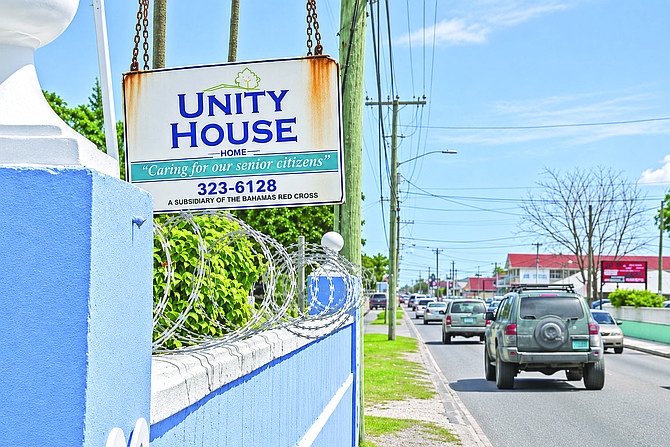
Nestled in the local community, Unity House long-term care facility has become an unexpected last stop for dozens of elderly and disabled adults whose families have all but vanished from their lives, leaving many residents sitting alone in common areas wiping away tears as they voice the same heart-wrenching question: “Why did they put me here and forget about me?”
Judith Smith, the facility’s on-site supervisor who has worked alongside her sister Reverend Janet Smith-Butler, Unity House’s founder and owner, for 30 years, says that widespread family abandonment of residents has become the single most persistent crisis facing the small care home. Many of the 25 full-time residents, plus five additional community clients who drop in daily for support services, have gone multiple consecutive years without a single phone call, in-person visit, birthday card or holiday greeting from the relatives who admitted them to the facility. Smith recounts daily conversations where confused, hurt residents turn to her for answers, desperate to understand why their loved ones have disappeared. When she attempts to track down family members to check in on their relatives, the vast majority of outreach attempts go completely unanswered, even after repeated phone calls, written notices and public service announcements broadcast on local radio stations.
Of the facility’s 25 full-time residents, only 10 have family members who make regular efforts to check in, bring supplies or visit. The resident population spans ages 35 to 89, with many living with progressive conditions including Alzheimer’s disease, various forms of dementia, schizophrenia and other chronic physical and mental health impairments that require round-the-clock specialized care.
The harm caused by this abandonment extends far beyond the profound emotional loneliness residents experience. Unresponsive families have also created a crippling financial burden for the independent, community-run facility. Smith explains that many relatives continue to collect their elderly family members’ monthly pension and National Insurance benefits directly, while refusing to contribute a single dollar toward their accommodation, meals, medical supplies or care fees. With no government safety net to cover these gaps, Unity House is forced to divert limited operating funds from other critical services to cover these unpaid costs, as staff say they will never turn vulnerable, disabled residents out onto the streets to fend for themselves. The facility estimates it needs thousands of dollars in donations every single month to cover rent, utility bills, prescription costs, food and daily living supplies to keep operations running.
Even amid these mounting pressures, the tight-knit staff team goes to extraordinary lengths to foster a warm, family-like atmosphere for residents, hosting regular birthday parties, Christmas and Mother’s Day celebrations, and group social outings to prevent anyone from feeling isolated or forgotten. “Unity House is a real home away from home,” Smith explains. “We give every single resident the same level of love, attention and support they would get if they were living with their own family. We never let anyone feel like they are just a number in a cold old folks’ home.”
This crisis is far from unique to Unity House. Just one month prior, Patricia Moxey, owner of the nearby Pat’s Senior Citizens Home, shared identical struggles with The Tribune, revealing that delinquent family members had left her facility holding more than $200,000 in unpaid care fees, even as many of those same relatives continued to siphon off their elders’ government pension benefits. Moxey emphasized that no matter how dire the facility’s financial strain becomes, she cannot bring herself to evict fragile elderly residents who have no other safe place to go.
For Smith, however, the most urgent priority remains reaching out to the families who have cut off all contact with their loved ones. She is issuing a public plea to all relatives who have abandoned elderly family members in care facilities to reach out, arrange a visit and reconnect before the chance to do so is gone forever. “Make the time to come see them before it is too late,” she urges. “That is your mother, your father, your brother or sister sitting there waiting. You have no idea how overjoyed they would be to see your face again.”
‘They just put me here and forget about me’