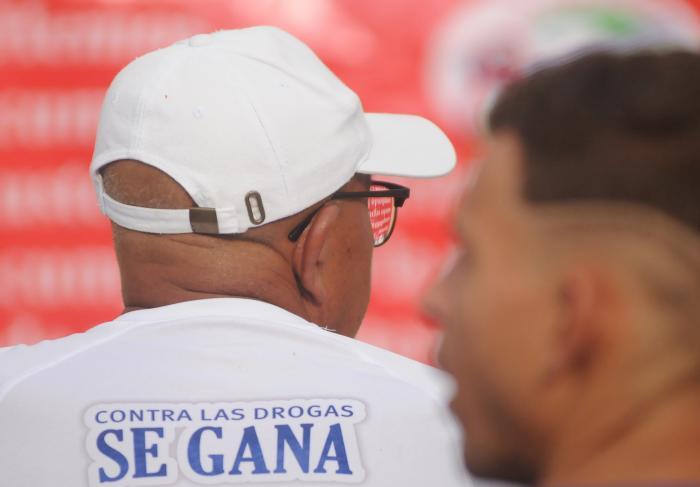
HAVANA, Nov 10, 2026 — Cuban national authorities have ramped up coordinated, cross-agency anti-narcotics operations across the entire national territory and all border points under a strict zero-tolerance framework, building on 65 years of proven local drug control policies and successful past initiatives including the 2003 Operación Coraza Popular (Operation Popular Shield). Launched in September 2026, the joint enforcement campaign brings together personnel from the Ministry of the Interior, the General Customs of the Republic, and additional relevant government bodies to close gaps in counter-narcotics response and adapt to evolving internal and external drug trafficking threats. As of the latest official update, the ongoing operations have resulted in the detention of over 250 individuals now under active investigation, spanning high-level international traffickers, local street-level distributors, people who collect drug shipments washed ashore, illegal crop cultivators, and even consumers who participate in illicit drug distribution networks. Law enforcement teams have also dismantled 15 unregulated crack houses, most clustered in high-risk, densely populated neighborhoods of Havana, where crack cocaine and synthetic cannabinoids were openly consumed. The operation has successfully neutralized repeat offenders who re-entered drug supply chains, criminal networks acting as domestic support for Cuban trafficking organizers based overseas, and groups that specialized in hijacking drug shipments operating across Havana, Matanzas, and Granma provinces. Seizures to date include a wide range of illicit substances: marijuana, cocaine, crack, methamphetamine, and the largest volume of synthetic cannabinoids, commonly sold in the form of printed sheets, strips, and small paper pieces. Authorities have also confiscated over 8 million Cuban pesos in cash, more than 35,000 U.S. dollars, 650 euros, two cars, seven motorcycles, and a full inventory of drug production and distribution paraphernalia. To reinforce border interception capacity, the government has rolled out enhanced specialized training for customs and interior ministry personnel stationed at air borders, deepened advanced intelligence analysis, prioritized screening for high-risk flights originating from regional countries with the highest documented rates of drug smuggling into Cuban territory, and implemented targeted inspection protocols for air cargo, a frequently exploited vector for illicit drug entry. Senior officials emphasized that the campaign will continue uninterrupted, noting that collective public participation, tighter cross-agency coordination, and sustained investment in both prevention and enforcement are critical to fully eradicating the drug scourge from the island.