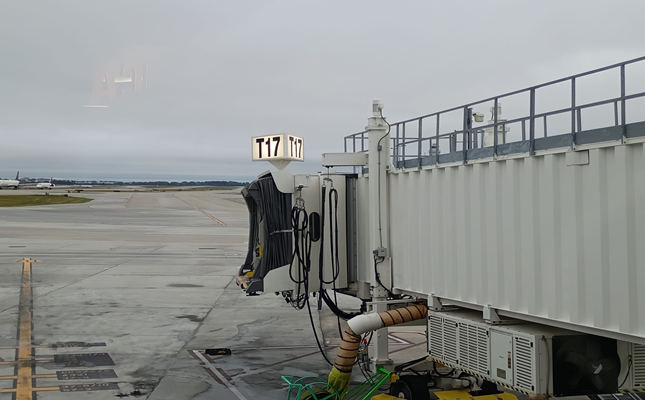
Washington, D.C. – On the evening of November 13, 2026, the U.S. Federal Aviation Administration (FAA) issued an unprecedented nationwide ground stop directive that paused every departing commercial and general aviation flight across the country, after a critical system-wide communication fault disrupted core air traffic control operations. Unlike routine, localized ground stops that typically target individual airports or small regional zones in response to severe weather, isolated equipment glitches or temporary security concerns, this full national restriction is an extremely rare occurrence, with only two comparable nationwide disruptions recorded in the U.S. national airspace system in 2011 and 2023 respectively. Under the current FAA mandate, no aircraft scheduled for departure is permitted to push back from gates or enter active runways until the communication fault is fully resolved, while inbound cross-border and domestic flights already in transit are being evaluated for landing clearance on a case-by-case basis to minimize cascading safety risks. U.S. Transportation Secretary Sean Duffy publicly confirmed the unfolding situation via official social media channels, verifying that the root cause of the outage impacts all 21 of the country’s geographically dispersed Air Route Traffic Control Centers, which are responsible for overseeing high-altitude flight navigation across the entire U.S. airspace. Local on-site reports from major Illinois transit hubs confirmed that both of Chicago’s largest international airports had already activated their own localized ground restrictions in line with the federal directive, with initial internal briefings pointing to a sudden critical equipment failure as the trigger for the broader system breakdown. Aviation industry analysts warn that the widespread hold is already creating cascading ripple effects across the U.S. and global air travel network, with thousands of passengers facing unplanned extended waits, missed connections and significant schedule disruptions as FAA technical teams work around the clock to diagnose the fault and restore full normal communication functionality.
US grounds all departing flights amid nationwide FAA communication issue