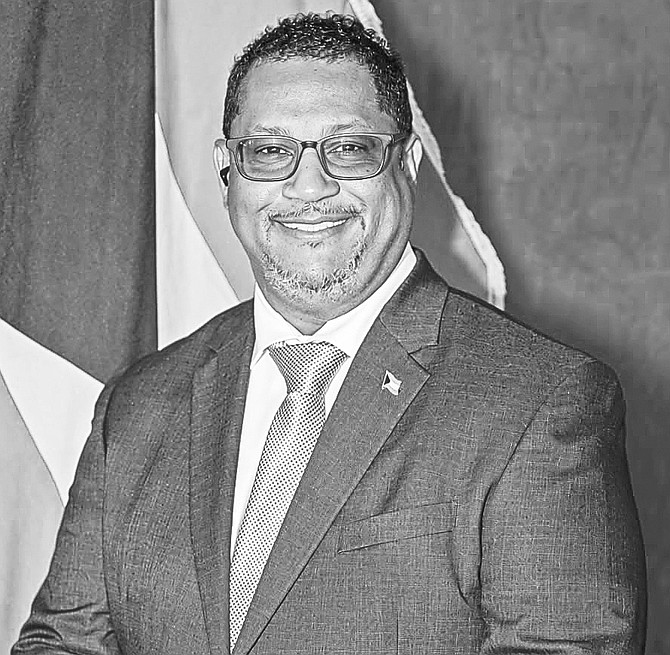
In a landmark milestone for cross-border community leadership, Bahamian Senator Keno Wong has secured election to the vice-presidency of Neighborhoods USA (NUSA), marking the first time in the 51-year history of the U.S.-headquartered non-profit that a leader based outside the United States has ascended to the organization’s senior executive team.
Founded to advance grassroots community development, NUSA has spent decades empowering local neighborhood groups, amplifying resident voices, and supporting collaborative, community-led solutions to local challenges ranging from public safety gaps to disinvestment in underserved residential areas. The organization’s network spans hundreds of neighborhood associations across the U.S., with a long track record of facilitating peer learning between local community leaders.
Wong brings extensive hands-on experience in grassroots community organizing to his new global leadership post. Prior to his election to the Bahamian Senate, he served as chairman of the Bahamas National Neighbourhood Watch Council, where he spearheaded a suite of targeted initiatives to cut local crime rates, boost resident volunteer participation, and build tighter, more collaborative bonds between neighbors across dozens of Bahamian residential communities.
Stakeholders on both sides of the U.S.-Bahamas border say Wong’s historic election will unlock unprecedented new pathways for bilateral collaboration between Bahamian neighborhood associations and their U.S. peers. The new partnership framework is set to include structured knowledge sharing sessions, cross-site exchange visits for community organizers, and co-development of tailored neighborhood improvement strategies that draw on successful models from both nations.
In his first public remarks after the election results were announced, Wong laid out a clear, action-focused agenda for his tenure as vice-president. He confirmed he will work closely alongside NUSA’s full board of directors, prioritize direct outreach to collect feedback and actionable recommendations from the organization’s diverse member base, and drive targeted reforms to support NUSA’s long-term growth and expanded reach. He repeatedly emphasized that meaningful, sustainable progress on neighborhood challenges can only be achieved through intentional cross-sector partnerships, shared collective responsibility between residents and local institutions, and centering community voices at every stage of problem-solving. He added that his core priority in the new role will be to break down geographic barriers to cooperation, and equip local communities of all sizes with the tools and peer support they need to design and implement context-specific solutions to the most pressing issues facing their residents.
Senator Keno Wong elected vice-president of US community organisation