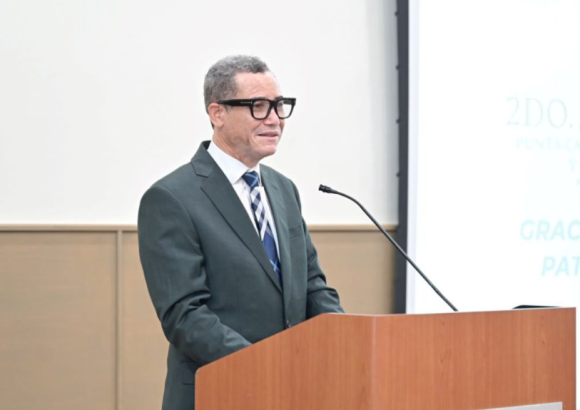
In a public advisory issued from the Dominican capital Santo Domingo, the country’s top labor official has sounded an urgent alarm over deceptive international job recruitment schemes that could place Dominican workers in danger linked to the ongoing Russia-Ukraine war. Minister of Labor Eddy Olivares Ortega noted that these fraudulent offers typically lure applicants with promises of exceptionally high wages and improved quality of life, but hide severe underlying risks to personal safety and labor rights.
Olivares emphasized a critical procedural step for all Dominican job seekers considering opportunities outside the country: any offer received through social media channels, digital recruitment platforms, third-party agencies, unvetted intermediaries or even personal connections must first be officially verified by the Ministry of Labor before the candidate accepts the position, signs a binding contract, or departs on international travel.
Addressing the specific case of Russia, Olivares clarified that the Dominican Republic currently maintains no bilateral labor migration agreement that would formalize and regulate cross-border worker recruitment from the country. He was careful to add that this lack of a government-to-government agreement does not automatically render all individual private employment contracts with Russian entities illegal, but it does mean there is no official framework to protect Dominican workers deployed there.
The minister’s warning came in direct response to emerging reports of Dominican nationals who traveled to Russia after accepting advertised technical or civilian job roles, only to end up entangled in situations connected to the active armed conflict. Olivares stressed that tactics including hiding the true purpose of a position, lying about actual working conditions, and failing to disclose conflict-related hazards constitute severe violations that put workers at grave risk of harm, exploitation, and even danger to life.
To help citizens identify fraudulent schemes, Olivares outlined several key red flags: job offers that promise unrealistically high pay without providing clear, verifiable details about the employer, core job duties, exact workplace location, or formal contract terms. He also warned job seekers to avoid any recruitment that demands unsubstantiated upfront fees from applicants, and any dealings with intermediaries who cannot provide proof of their official identity and legitimate registration.
In addition to these warnings, Olivares issued key safety guidance for Dominican workers: citizens should never hand over their passports or other sensitive personal identification documents without formal legal protections in place, and they should avoid signing any employment contract whose terms they do not fully understand. He closed by urging the public to report any suspicious job offers to relevant law enforcement and labor authorities immediately, a step that can help intercept fraud, stop labor exploitation, and prevent human trafficking before more people are harmed.