In a landmark step to address a growing backlog of firearms-related cases, Barbados officially launched its first specialized gun court on Tuesday, marking a major shift in how the island nation processes violent gun crime proceedings. While the first court has begun hearing cases, the government has not yet announced a firm launch date for the second planned specialized tribunal.
The court’s inaugural session was held at the No. 2 Supreme Court, presided over by newly elevated Justice Douglas Frederick. Ten accused persons were arraigned during the first sitting, with one defendant entering an immediate guilty plea. The start of proceedings was only briefly delayed by a late-arriving prison bus, even with Justice Frederick already seated on the bench, and official business got underway shortly after 10 a.m. Principal State Counsel Rudolph Burnett has been assigned to prosecute the cases heard before the new court.
Plans for the two specialized gun courts were first unveiled by the Barbadian government earlier this year. The split structure is designed to separate newer cases from older matters dating before 2025, streamlining processing for both batches of offences and cutting through the systemic backlog that has slowed justice for gun crimes. Speaking to reporters, Minister of Legal Affairs and Criminal Justice Michael Lashley confirmed that work on the second court is still ongoing, noting that while a suitable physical location has already been secured, additional preparations are required before it can begin operations. Lashley was unable to provide a concrete timeline for the second court’s launch.
To address ongoing delays across the court system, Lashley highlighted expanded use of digital technology as a key solution. He argued that routine proceedings, particularly arraignments and guilty plea hearings, could easily be conducted via virtual platforms such as Zoom — a change that would resolve recurring challenges tied to prisoner transportation and limited availability of criminal defense attorneys. For context, all 10 arraignments during the first session could have been held virtually, Lashley noted, even though they proceeded in a physical courtroom this time around.
Virtual scheduling could also give legal professionals more flexibility, Lashley explained. Virtual hearings could be slotted for the afternoon, allowing defense attorneys to complete in-person matters at other courthouses earlier in the day before handling remote proceedings from their offices. Beyond technology, Lashley also acknowledged the systemic shortage of criminal defense attorneys across Barbados. While a structured calendar system has already been trialed to ease the strain, he called for new measures to improve coordination among practicing attorneys and expand opportunities for early-career lawyers to gain experience in criminal and criminal defense law. “We need now to look at exposing young attorneys to the criminal law and to criminal defence law,” Lashley stated.
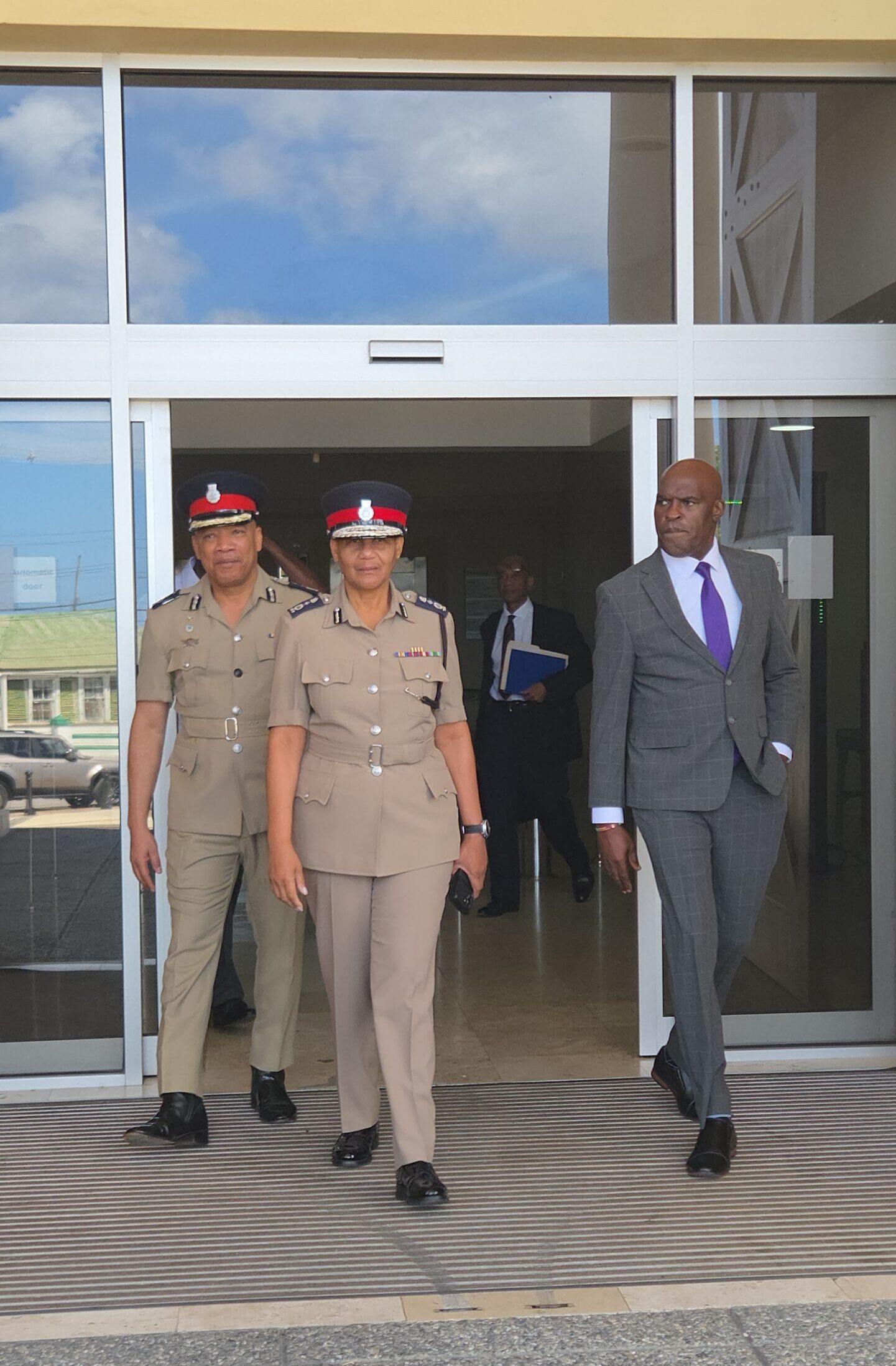
The inaugural session drew senior legal and law enforcement leadership, including Commissioner of Police Sonia Boyce and Deputy Commissioner Adrian Broomes, who attended to observe the proceedings. Senior Counsel Angella Mitchell-Gittings, speaking on behalf of the Barbados Bar Association, congratulated Justice Frederick on his elevation from the magistracy, praising his track record of careful, equitable rulings over his career. “We look forward to appearing before you, and we pledge our support to your court and coming here when required to do so,” Mitchell-Gittings said.