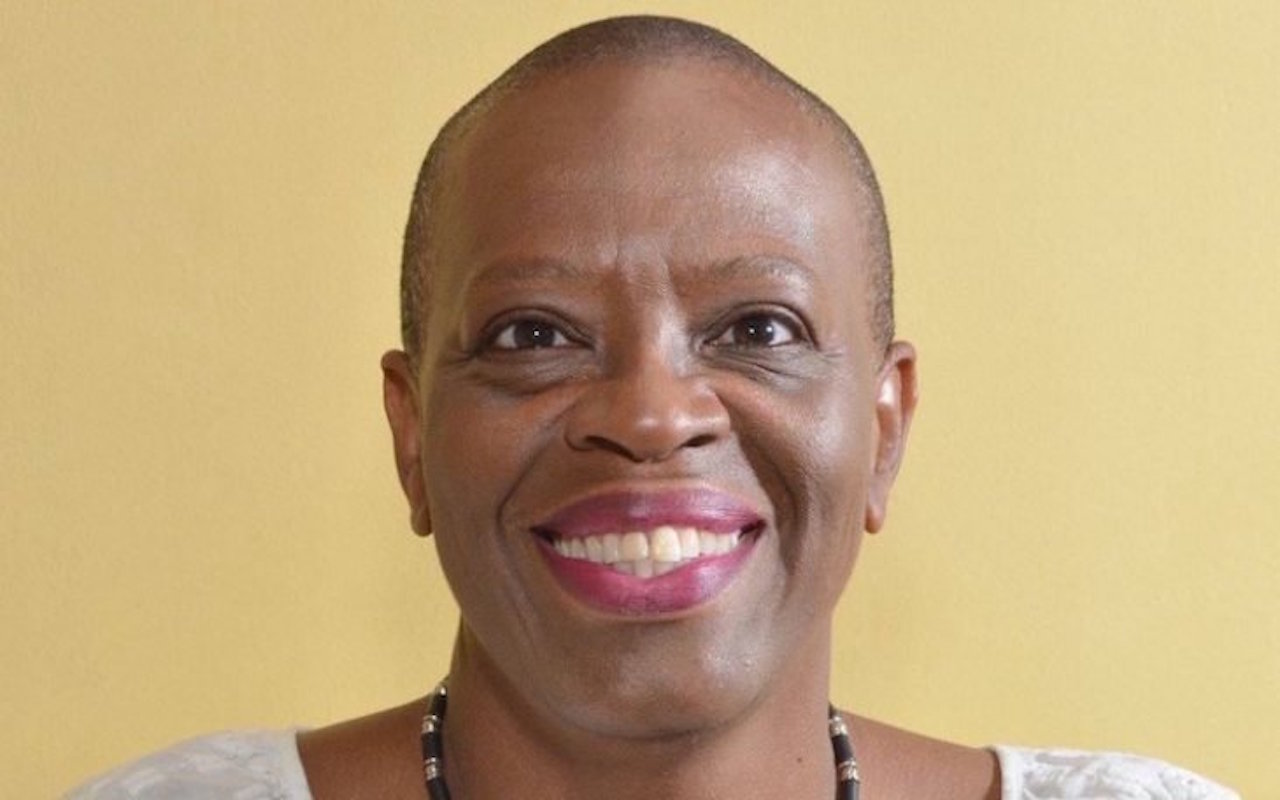
The true scale of elder abuse across Barbados remains vastly underreported, with thousands of cases hidden behind closed doors and largely invisible to public and official scrutiny, according to Barbara Daniel-Goddard, chair of the regional anti-abuse nonprofit Advocates Against Domestic Abuse (AADA).
Speaking in an interview with local outlet Barbados TODAY, Daniel-Goddard emphasized that the small number of elder abuse cases covered by print and broadcast media only represent a tiny fraction of the harm occurring daily. While AADA’s core work centers on supporting survivors of intimate partner violence, the organization has seen a steady stream of inquiries from older adults who are facing abuse at the hands of their own relatives, including adult children and grandchildren. The true extent of the crisis has been revealed through conversations between AADA representatives, medical workers, charity partners, outreach teams serving vulnerable communities and survivors who have reached out directly for help.
“What we see in the news is just a drop in the bucket compared to what’s actually happening out there,” Daniel-Goddard noted. Many elderly survivors, she explained, are trapped in abusive situations by systemic gaps and personal fear. The vast majority choose not to report their abusers out of a crippling concern that if their abusive caregiver is removed, they will be left without the life-sustaining support they rely on.
“There’s a pervasive culture of fear in older communities,” she said. “When you’re aging, the fear of being abandoned, the fear of being left alone, and the question of who will care for you if you get sick – that’s what keeps people silent.” Compounding this barrier is a widespread lack of awareness among seniors about the legal protections they are entitled to under current law, leaving many without the information to advocate for themselves.
Daniel-Goddard argued that the current approach to addressing elder abuse is fundamentally incomplete. While removing abusive relatives from a senior’s home and issuing legal protection orders are critical first steps, authorities and social services have failed to put in place the long-term, individualized support survivors need to thrive after an abuser is gone. Currently, most in-home support services for seniors only offer a few hours of assistance with basic tasks like cooking and cleaning each week, which does not come close to covering all the needs of an older adult living alone. A comprehensive support plan, she said, must address everything from transportation to medical appointments and medication adherence to regular social connection that combats the crippling loneliness many isolated seniors face. Emergency infrastructure, including 24/7 responsive alarm systems for medical or safety crises, is also a critical unmet need.
Right now, AADA refers survivors of elder abuse to Barbados’ Ministry of People Empowerment and Elder Affairs, but Daniel-Goddard said a more coordinated, customized response is required to ensure vulnerable seniors are not left to fend for themselves after an abuser is removed. Support plans need to cover practical administrative tasks too, she explained, from helping seniors collect their pension and manage their bank accounts to establishing clear guidelines for decision-making if a senior is hospitalized or passes away.
“It’s not just about removing the abuser,” she stressed. “We need a concrete, working plan for each survivor, and one size does not fit all – every older adult has unique needs that have to be centered.”
While updating legislation and expanding access to protection orders are important, Daniel-Goddard noted that legal reform alone cannot solve the crisis. “The law is necessary and relevant, but legislation is only as effective as the policies and procedures that follow it,” she said. She also called for better inter-agency coordination when police respond to reports of suspected elder abuse, arguing that officers should have direct access to specialized teams that can assess a survivor’s immediate psychological and medical needs when they arrive at a residence.
The need for clear, coordinated protocols is especially acute in cases involving underlying cognitive conditions like dementia or Alzheimer’s disease, Daniel-Goddard explained, sharing the story of an elderly woman who contacted AADA after her husband, who she believed had undiagnosed dementia, began abusing her. “When she went to police, they gave one answer, and when she called the psychiatric unit, they gave another – no one was able to help her in a constructive, coordinated way,” Daniel-Goddard said. This case, she argued, highlights a widespread systemic failure: Barbados currently lacks clearly tested, well-resourced protocols and sufficient trained staff to address complex elder abuse cases. “Right now, the answer to whether we have the policies and manpower we need is no,” she said.
Many older adults also lack support navigating the legal system, Daniel-Goddard added, noting that some seniors have never stepped foot in a police station and have no idea how to begin the process of applying for a protection order. To fill these gaps, Daniel-Goddard proposed that Barbados build a network of what she calls “elderly soldiers” – dedicated people and integrated systems tasked with continuously monitoring the wellbeing of older citizens and addressing needs that go far beyond basic physical care. She warned that meeting practical needs like providing food and housekeeping is not enough to address the deep psychological harm caused by the fear, isolation and loneliness that often accompany elder abuse and systemic neglect.