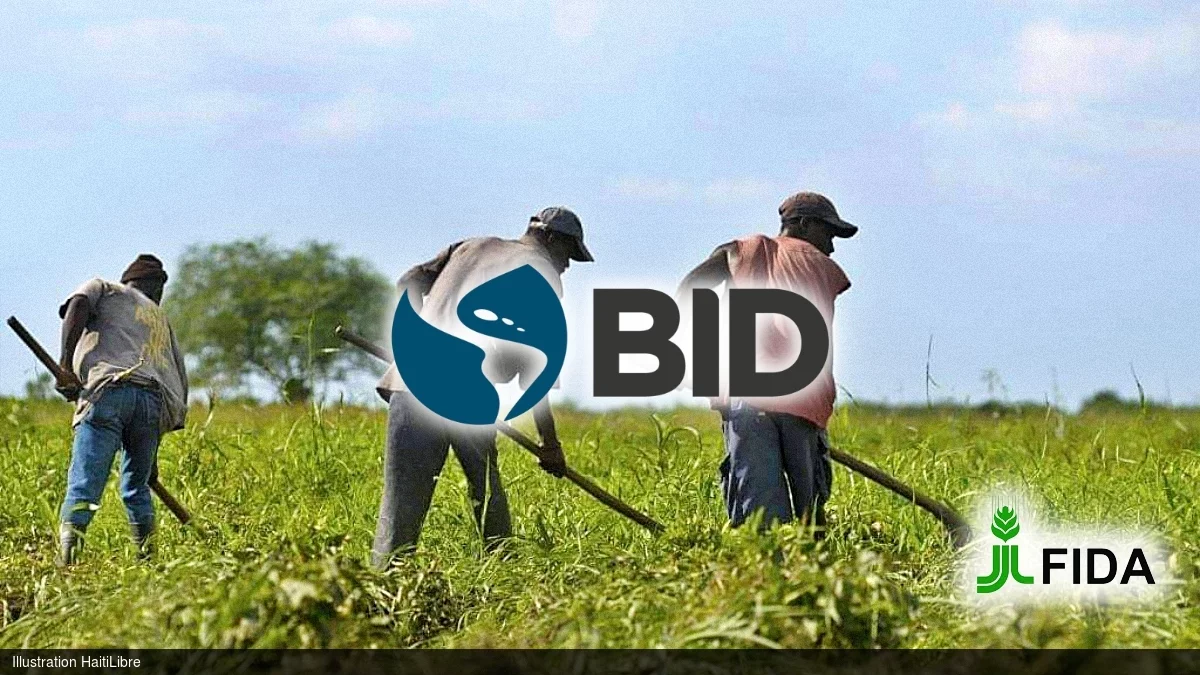
Haiti’s northern regions, long plagued by low agricultural productivity, heightened food insecurity and heightened vulnerability to climate shocks, are set to receive a transformative multi-million dollar investment to upgrade the country’s agri-food sector. On October 1, 2026, the Board of Directors of the Inter-American Development Bank (IDB) gave formal approval to a $38.7 million grant that will anchor a broader $47.9 million agricultural development initiative targeting Haiti’s North and Northeast departments. The remaining $9.2 million for the project is being contributed by the International Fund for Agricultural Development (IFAD), bringing together two major international development institutions to address systemic challenges in Haiti’s rural agricultural sector. The five-year program, officially named the Sustainable Agricultural Productivity Program in the North and Northeast, focuses on three core priority areas that align with long-term development goals for the region: expanding reliable, sustainable access to irrigation infrastructure, supporting smallholder farmers to adopt climate-resilient agricultural technologies, and strengthening producer organizations and small agri-food businesses across the value chain. The initiative is designed to deliver direct, tangible benefits to a broad cross-section of rural stakeholders in northern Haiti. Approximately 7,800 smallholder producers will see improved access to functional irrigation systems, gain training on climate-adapted farming techniques, and receive ongoing technical assistance to boost their output and income. Beyond individual farmers, the program will extend support to 155 micro, small, and medium-sized enterprises (MSMEs) and producer groups operating in the agri-food sector, providing targeted business development services and matching grants to help these organizations scale their operations. A key inclusion component of the initiative also expands technical and vocational training opportunities for young people in rural communities, creating pathways to stable employment in the growing agricultural sector. Project designers have integrated cross-cutting priorities that address longstanding gaps in rural development in Haiti. The program incorporates comprehensive environmental and social management frameworks to ensure projects do not harm local ecosystems or vulnerable communities, embeds climate resilience into all infrastructure and programming to help the region adapt to shifting weather patterns, and includes intentional mandates to boost the participation of women and young people in the agri-food economy. The ultimate goals of the investment are to raise overall agricultural output in northern Haiti, strengthen the economic livelihoods of rural households, lay the foundation for more sustainable and climate-resilient rural development, and help local communities better withstand the frequent climate-related shocks that have repeatedly disrupted agricultural production in the region. Before the IDB board approved the funding, project organizers carried out an extensive, grassroots consultation process to ensure the program responds to the actual needs of local stakeholders. Over the course of preparation, the development team held discussions with more than 1,000 local farmers, 400 value chain stakeholders, 340 MSMEs, farmer associations, community residents, local government leaders, and national civil society organizations operating across the project area, ensuring local input shaped the program’s design and priorities.