In Santo Domingo, a thought-provoking academic conference hosted by the General Archive of the Nation (AGN) has reshaped public and scholarly understanding of one of the island nation’s most pivotal 17th-century military encounters: the 1691 Battle of Sabana Real. The event centered on unpacking the underrecognized joint contributions of the Windward Fleet and local Dominican fighting forces to the Spanish-aligned victory, moving beyond traditional narratives that sidelined local Dominican involvement.
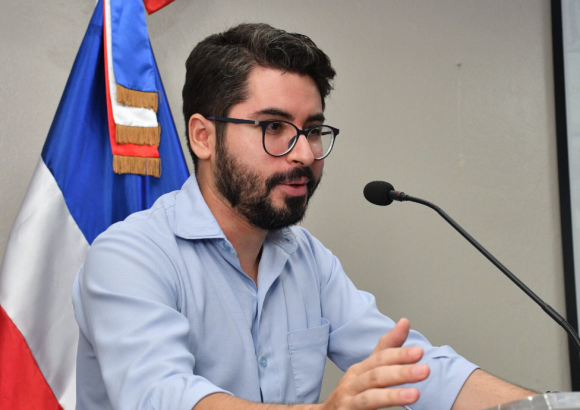
Leading the discussion was Mexican historian and independent researcher Sergio Muñoz, who brought newly compiled archival evidence to frame the battle not as an isolated colonial skirmish, but as a conflict connected to three overlapping geographic and political spheres: local Dominican affairs, wider Caribbean regional dynamics, and transatlantic imperial competition between European powers.
Muñoz’s research breaks down the multifaceted role of the Windward Fleet, a naval formation based out of New Spain—modern-day Mexico—far beyond its common framing as solely a military defense force. Beyond combat operations, the fleet carried critical supplies, protected merchant and military convoys traversing the Atlantic, and delivered situados: structured financial transfers designed to shore up the budgets of low-revenue Spanish colonial territories, Santo Domingo chief among them.
When the fleet set sail from the Veracruz port in 1691, it carried 827 personnel across five ships, bound for Hispaniola to aid in countering growing French territorial claims on the island. Upon arrival, Muñoz emphasized, the fleet forces were joined by hundreds of local Dominican combatants, including skilled Dominican lancers who were integral to the eventual Spanish victory. This collaboration between New Spain’s naval forces and local Dominican residents, the historian argued, was the core foundation of the success at Sabana Real—a detail that has often been omitted or downplayed in earlier historical accounts.
Muñoz further contextualized the battle within the broader scope of 17th-century European imperial rivalry, linking the troop movements, financial flows, and naval deployments that defined the campaign to larger conflicts between France and Spain playing out across the Atlantic. Through this framing, he demonstrated how the battle connected Santo Domingo to other Caribbean colonial holdings and New Spain, weaving a web of political and economic ties that shaped the entire region’s trajectory.
For attendees ranging from academic historians to local history enthusiasts, the conference offered a refreshing, expanded perspective on the Battle of Sabana Real, illuminating the complex political, economic, military, and maritime networks that defined late 17th-century Caribbean colonial life. The event also highlighted the ongoing work of archival institutions like the AGN to uncover and reframe underrepresented chapters of Dominican national history.