The Caribbean Development Bank (CDB) has launched the inaugural Caribbean Evaluation Space (C Eval Space), a landmark three-day regional forum hosted at the Wyndham Grand Barbados, Sam Lord’s Castle, that aims to embed a culture of data-driven, context-responsive decision-making across the region’s development sector. Opened on Tuesday, the gathering brings together a diverse cross-section of stakeholders: independent evaluators, national policymakers, academic researchers, and development practitioners from leading regional and global bodies including CDB’s own Office of Independent Evaluation (OIE), the Caribbean Evaluation International Network, the University of the West Indies, and the Community of Latin American and Caribbean States (CELAC).
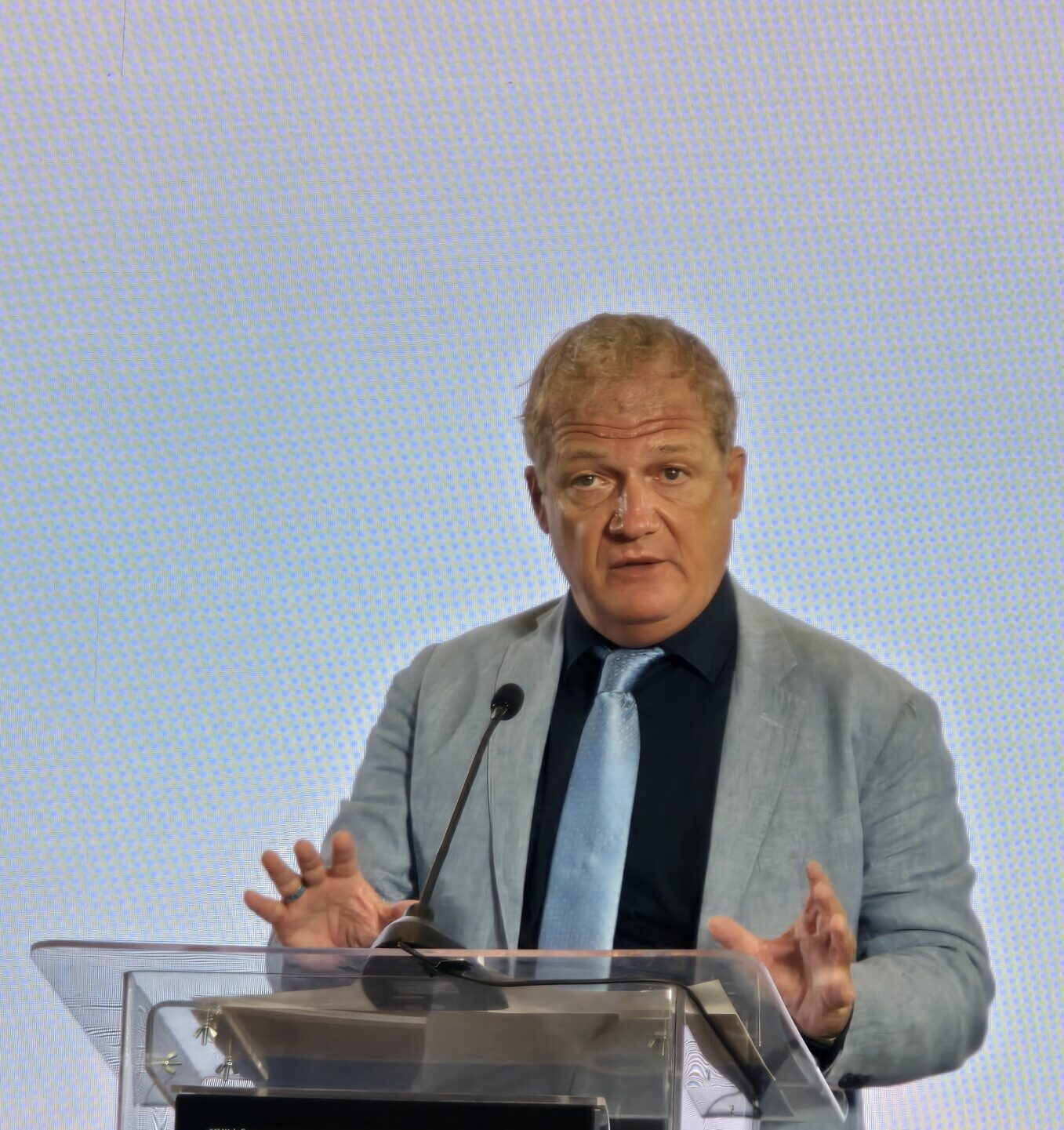
For decades, conversations about development evaluation for the Caribbean were framed as a side note in larger global discussions, where the region’s unique challenges and priorities were often sidelined. This new forum changes that narrative, putting Caribbean needs, experience, and leadership front and center. Dr. Roberto La Rovere, head of the OIE — the independent CDB unit tasked with assessing the bank’s policies, strategies, and projects to uphold accountability and drive organizational learning — emphasized that C Eval Space is the first regional evaluation platform designed explicitly “by the Caribbean and for the Caribbean.”
“For a long time, conversations about evaluation in our region have been part of broader global discussions. Certainly valuable, but the Caribbean was at times portrayed as a small part of a bigger region, of a larger story. So from today, the C for the Caribbean stands at the centre, also in evaluation,” La Rovere told attendees. He added that the new platform recognizes the Caribbean has its own distinct development realities, unique challenges, homegrown solutions, and valuable lessons to share with the global community, meaning all actionable insights must grow out of local evidence, local experience, and local leadership. The forum’s core long-term goal is to build a connected community of practice capable of asking tough questions, collecting rigorous, meaningful data, and turning evaluation findings into tangible policy and project action.
CDB President Daniel Best doubled down on the urgency of embedding an evaluation culture across the region, noting that today’s shifting development landscape demands far more than perfunctory post-project check-ins. Speaking to the opening of the forum, Best stressed that evidence-based decision-making is no longer optional for the Caribbean — it is an essential foundation for building resilient societies, strengthening public institutions, and ensuring that every development investment delivers tangible benefits to Caribbean citizens.
“This gathering marks an important shift in how we think about development in our region. It reflects a growing understanding that evidence is not optional; it is essential. Essential evidence informs better decisions, guides smarter investments, strengthens accountability, and ultimately delivers better results for the people we serve. Evaluation, therefore, is no longer something that happens at the end of a project. It helps institutions learn, adapt, and improve,” Best said.
He noted that the Caribbean is currently navigating a cascade of interconnected challenges: accelerating climate change impacts, tight fiscal constraints, competing development priorities, rapid digital transformation, and shifting demographic trends, all of which are reshaping the needs of Caribbean societies. At the same time, citizens across the region are increasingly demanding greater transparency, more effective public institutions, and improved public services. In this context, Best argued that transparency and accountability are not just abstract good governance principles — they are critical to upholding national, regional, and global commitments, building public trust, and ensuring that limited development resources deliver maximum impact.
As the independent body tasked with holding CDB accountable to the region, the OIE plays a central role in advancing this mission, Best added. Independent evaluation is core to CDB’s responsibility to steward the resources entrusted to it and deliver on the results it has promised to Caribbean people. This role is particularly critical as the bank implements its 2026–2035 strategic plan, which centers on boosting development effectiveness, tracking measurable results, and driving continuous improvement. Independent evaluation, Best explained, helps the institution understand not just what interventions work, but how to deliver results more effectively and sustainably over time.
Best also highlighted that youth development is a core pillar of CDB’s new strategic plan, noting that young professionals bring the fresh perspectives, digital expertise, and willingness to challenge convention that the evaluation sector needs to evolve. “Young professionals bring fresh perspectives, digital fluency and curiosity, and the courage to ask new questions. You will help redefine how evidence is generated, communicated, and most importantly, how it is used to improve lives. Many of you in this room may one day shape national policies, advise governments, lead institutions, and influence decisions that affect millions of Caribbean people,” he said.
Ultimately, the forum marks a key milestone in the region’s push to take ownership of its development trajectory. By centering Caribbean context and leadership in evaluation, stakeholders aim to build stronger, more accountable institutions that can deliver equitable, sustainable progress for the region for decades to come.