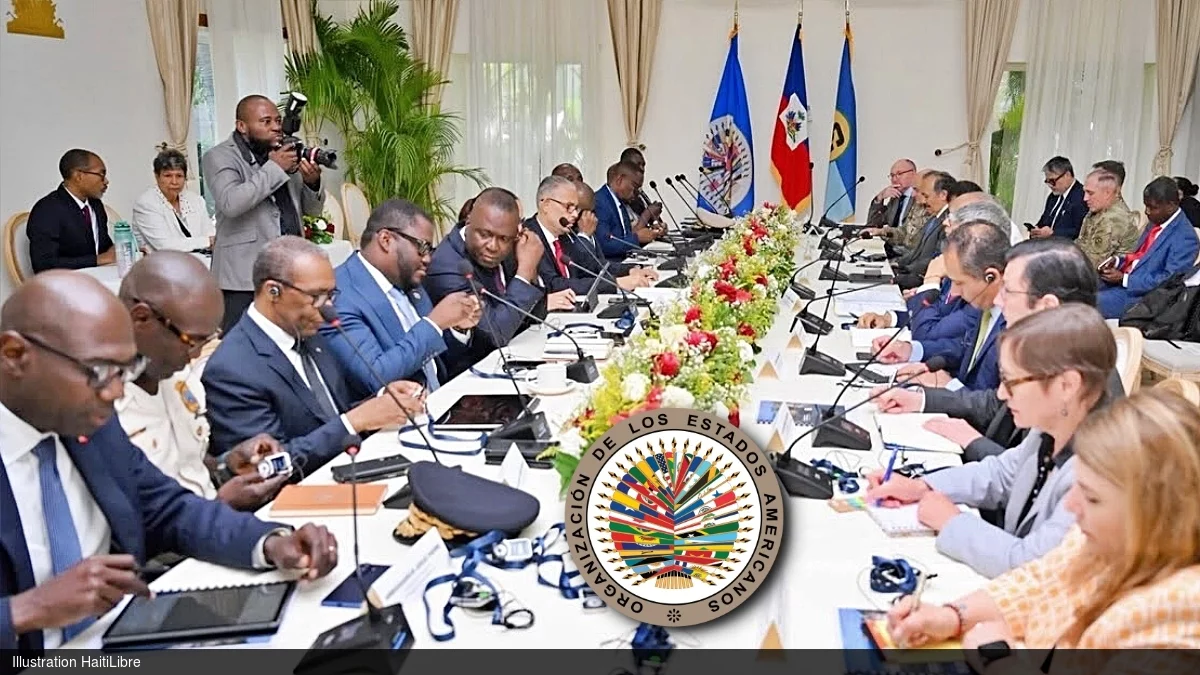
In the opening days of a high-level diplomatic visit to the Caribbean nation, Organization of American States (OAS) Secretary General Albert R. Ramdin has wrapped up the first round of constructive discussions with top Haitian government officials, centered on advancing the country’s democratic transition, stabilization and long-term recovery. Ramdin is leading a large inter-American delegation that remains on the ground in Haiti through August 19, 2026, after launching talks with the administration on August 17.
The core priority of the preliminary negotiations, Ramdin confirmed following the meetings, is accelerating pre-electoral preparations to lay the groundwork for a vote that will restore fully elected governing institutions. Participants in the talks included Haitian Prime Minister Alix Didier Fils-Aimé, the nation’s foreign minister, members of the national cabinet and multiple other senior government officials.
“Restoration of elected bodies is non-negotiable for Haiti’s democratic future, and for building the stability and public confidence that the country needs to pull itself out of its ongoing crisis,” Ramdin noted in his official statement. He added that meaningful progress on improving national security and advancing sustainable development must move in lockstep with the electoral timeline, as both are foundational to a successful democratic transition.
The OAS chief reaffirmed the organization’s unwavering commitment to supporting Haiti as it works to hold elections that are credible, inclusive and peaceful, all while upholding full respect for Haiti’s national sovereignty and domestic governing authority. A key point of discussion centered on streamlining work to update the national voter registry and expanding public civic education campaigns, steps designed to remove barriers for as many eligible Haitian voters as possible to exercise their democratic right to participate. The OAS stands prepared to deliver full technical assistance across every stage of the electoral process, and will deploy an official election observation mission once voting preparations are finalized, Ramdin confirmed.
Security remains the single most critical prerequisite for holding a successful election, the talks concluded. Ramdin commended ongoing efforts to strengthen Haiti’s core national security institutions, particularly the Haitian National Police and other domestic security stakeholders. One key ongoing initiative is the P4000 program, which receives backing from the U.S. State Department’s Bureau of International Narcotics and Law Enforcement Affairs. The OAS supports this work through complementary programming, including the establishment of forward operating bases, hands-on capacity building for Haitian National Police personnel, and targeted collaboration with the judicial police to improve tracking and disruption of illicit financial flows that fuel gang activity and instability. Attaining long-term sustained stability, Ramdin emphasized, will require continued coordinated international backing, ongoing investment in strengthening Haitian institutional capacity, and consistent alignment of efforts across all stakeholders.
Beyond electoral and security priorities, the discussions highlighted that Haiti’s democratic recovery must deliver tangible hope and improved opportunity for the Haitian people. Representatives from three major global and regional development institutions — the Inter-American Development Bank, CAF Development Bank of Latin America and the Caribbean, and the World Bank — joined portions of the talks to explore long-term development initiatives tailored to Haiti’s most pressing needs. Participants agreed that investments in education, public health, job creation and expanded economic opportunity cannot be delayed, and rank among the country’s most immediate priorities.
Talks also focused on improving coordination across international partners, multilateral development banks, the private sector and regional organizations to ensure all collective support aligns with the priorities identified by the Haitian government and people. The end goal uniting all these aligned efforts, Ramdin said, is clear: to help Haiti build the secure, functional institutional and social conditions that will allow Haitian citizens to select their own leaders through a fair democratic process, and set the nation on a path toward a more democratic, stable and prosperous future. “The entire Inter-American community stands in solidarity with the Haitian people, and we remain fully committed to supporting them every step of the way on this path,” Ramdin added.