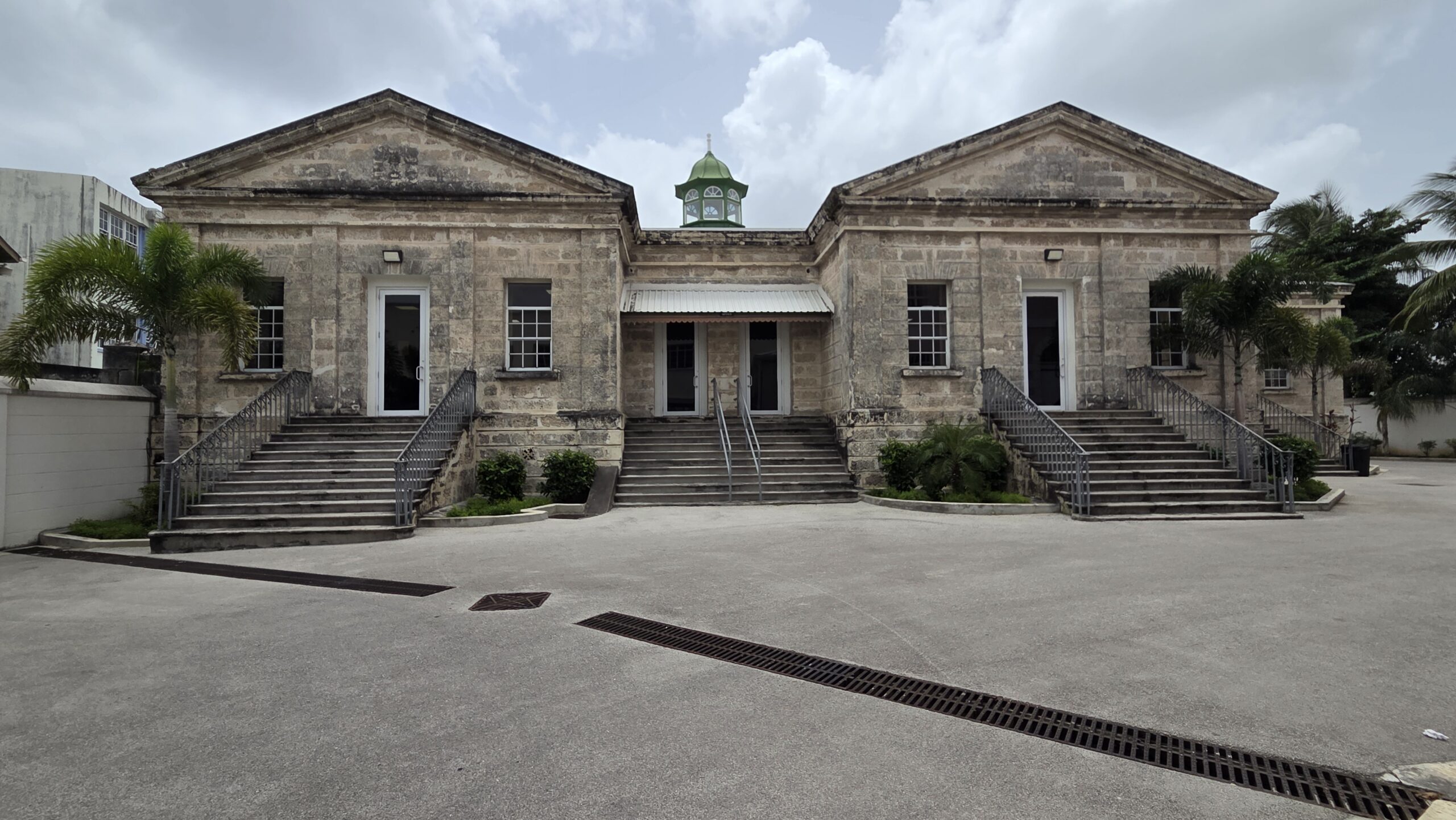
As a prominent disability rights advocate and sitting senator in Barbados, Janeil Odle, who is also an experienced attorney-at-law, is pushing for urgent, tangible action to guarantee that disabled people’s accessibility rights are fully protected across the country. Her call to action comes amid growing outcry from the disability and limited mobility communities, who have repeatedly documented significant barriers to entering key public facilities — including several of the island nation’s highest-traffic magistrates’ courts and traffic courts.
For decades, Odle emphasized in an exclusive interview with Barbados TODAY, disability advocates have pressed authorities to enforce existing accessibility requirements embedded in the country’s national building codes. These rules mandate that any new construction or renovation of public infrastructure must include accommodations for people with varying disabilities. What makes the ongoing inaccessibility crisis particularly frustrating, she argues, is that the regulatory framework to fix the problem already exists — it has simply never been properly put into practice.
“The crazy part is that we in Barbados have the building codes. We had it for a while now, but it’s not enforced,” Odle said.
The island’s recently passed Rights of Persons with Disabilities Act offers a critical new opening to address this long-standing gap, Odle noted. The law requires all public buildings to meet full accessibility standards within a three-year timeline, a mandate that creates clear accountability for government agencies and building owners. While Odle acknowledged that accessibility is a “progressive right” and that large-scale infrastructure changes cannot be completed in a single step, she stressed that delaying action indefinitely is not an option. “We can’t just decide not to do anything at all,” she said.
Priority for accessibility upgrades, Odle argued, should go to the core public facilities that disabled people rely on for essential services, starting with healthcare centers and the country’s court system. She voiced cautious optimism that meaningful progress is on the horizon, saying, “I am very hopeful that sometime soon, we can see these rights being realized, especially in buildings that we have to depend on every day, like health-care buildings, the courts, and different places that we have to rely on. I want to see these spaces done first actually as it relates to making buildings accessible.”
Odle also praised the ongoing accessibility audit launched by the Ministry of People Empowerment, which is conducting a comprehensive assessment of all public buildings to identify required upgrades. She described the audit as “a good step in the right direction”, but added that physical infrastructure changes are only one piece of the puzzle. True inclusion, she explained, requires addressing accessibility across all areas of public life, including transportation systems and access to communication and information.
“So even if we get it right tomorrow and have accessible roads and have accessible buildings, if we don’t have accessible transportation and accessible communication and information, we are still excluded,” Odle said.
Many proven solutions to common accessibility barriers already exist, Odle pointed out. Examples include assistive screen reading technology that allows visually impaired people to access official documents, and digital applications that convert spoken audio into real-time sign language for deaf community members. The biggest barrier to widespread adoption of these tools, she explained, is their prohibitive cost for most disabled people and underfunded public agencies. “The sad reality is that there are solutions to a lot of accessibility issues, but it’s extremely costly to have accessible devices and assisted devices,” she said.
In addition to systemic infrastructure changes and funding for assistive technology, Odle called for broader public and institutional education around simple, low-cost adjustments that can make public spaces and information far more inclusive. For visually impaired people, for example, providing official information in a digital format that is compatible with common voiceover and text-to-speech tools is a simple change that requires little additional work but makes a massive difference in access.
“It’s not that difficult to include people; it’s just more education is needed and awareness is needed so persons can understand what is needed to be done to include the community,” Odle said.
To avoid unnecessary delays, Odle stressed that officials do not need to wait to implement permanent, long-term fixes before taking action. Even temporary accommodations, such as removable ramps for public building entrances, can immediately improve access while plans for permanent upgrades are developed. “Whether it is a temporary ramp today, and tomorrow we’ll work more on it, and a few weeks down the line have an engineer or somebody else in place to make the permanent ramp, we need to take steps to ensure that the right of accessibility is respected,” she said.