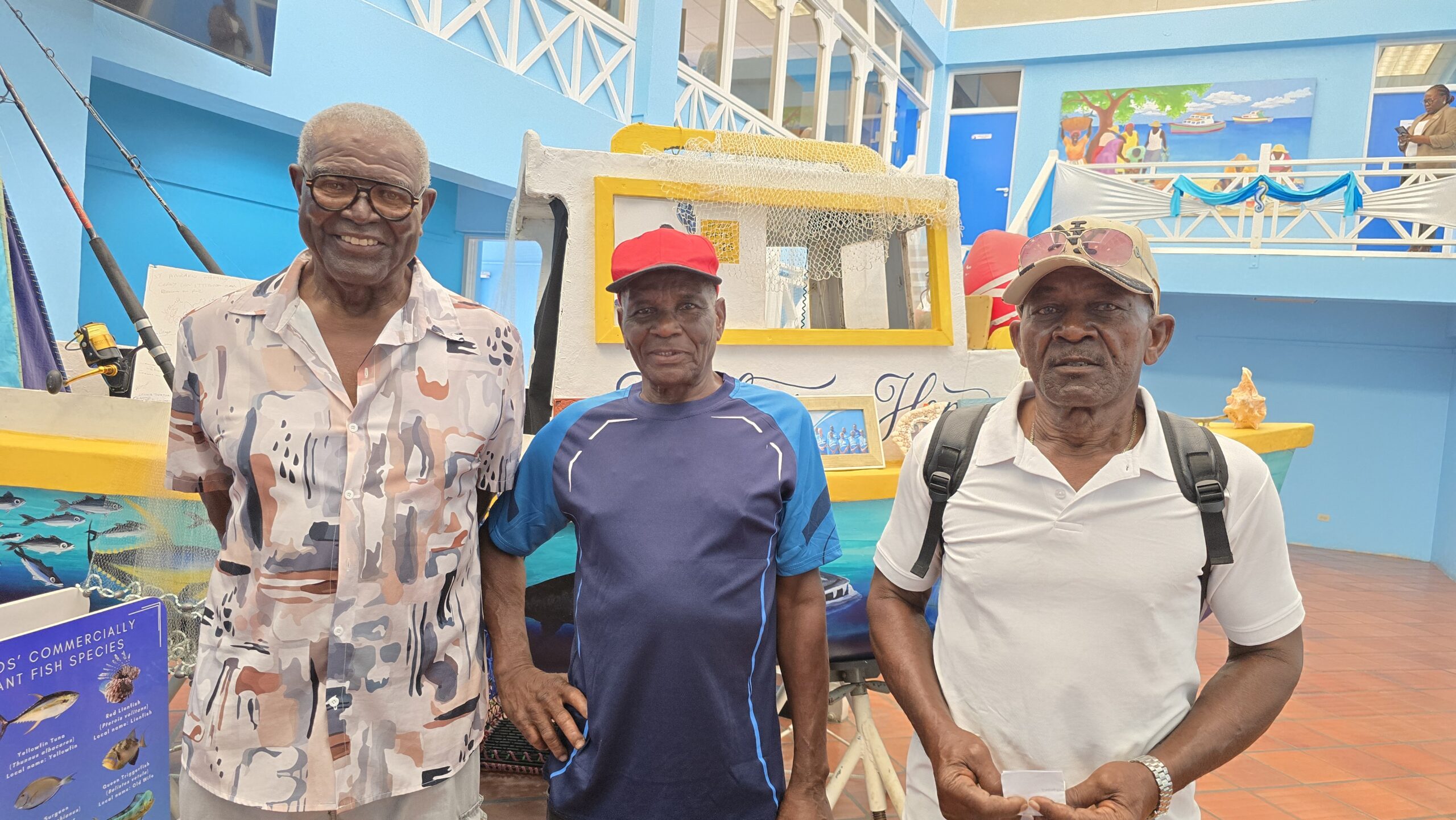
When Hurricane Beryl swept across Barbados in 2024, it left the island’s fishing industry in ruins: an estimated 90% of the coastal nation’s working fishing fleet — some 200 vessels in total — was damaged or destroyed by the powerful cyclone. Months later, official recovery efforts have crossed a critical milestone, with authorities announcing approval of the first 10 vessel replacement loans totaling $2.8 million under the government’s dedicated Beryl Emergency Response and Recovery Project. The announcement was made during a press briefing hosted at the national Fisheries Division, where officials laid out the full structure of the mixed loan-grant financing program designed to restart the critical local fishing sector.
Deputy Prime Minister Santia Bradshaw, who also holds the fisheries portfolio, told reporters that 17 additional applications are currently moving through different stages of the approval process, with more funding set to be disbursed in the coming weeks. Addressing public concerns over the program’s reliance on loan financing rather than fully grant-based support, Bradshaw clarified that the 75% loan / 25% grant structure was crafted to balance responsible fiscal management with flexible access to support for working fisherfolk.
“Our core goal is to rebuild a functional, sustainable fishing fleet that can support livelihoods for generations,” Bradshaw explained. “To do that responsibly, we need a financing model that vessel owners can manage long-term, which is why we’ve paired concessional loans with conditional grant support.” Bradshaw added that fisherfolk who have already fully or partially rebuilt their vessels out of pocket are not excluded from support: these operators can apply for grant-only financing, covering up to 25% of the completed vessel’s value, capped at $150,000 per applicant, as long as they submit required documentation including receipts, invoices, construction quotations, or a formal valuation from the program’s assigned marine surveyor.
To ensure no eligible fisherfolk is locked out of support due to personal circumstance, the program mandates case-by-case evaluations of all applications to remove barriers to access. For full replacement financing, the 4% annual interest loan covers 75% of a new vessel’s cost, with flexible repayment terms ranging from 10 to 25 years. Additional incentives are built in to reward on-time repayment: borrowers who make all required monthly payments for the full life of their loan qualify for a 10% rebate on total interest paid, cutting the effective interest rate to between 3.6% and 3.65%. The program also includes a staggered repayment start to give fisherfolk time to get their new vessels operational: a 12-month full grace period after disbursement, followed by an additional six months where borrowers only pay interest, no principal.
Ferdinand Straughn, Acting Chief Executive of Enterprise Growth Fund Limited (EGFL), the body administering the program, outlined the step-by-step application process. All applicants must submit a formal form collecting contact details, information about the vessel lost to Hurricane Beryl, specifications for the replacement vessel, requested financing amounts, and projections for the new vessel’s operating performance — data used to assess a borrower’s ability to meet repayment terms for loan requests. Beyond covering the cost of the new vessel, Straughn noted that approved financing can also cover first-trip operating expenses, the first year of insurance coverage, and all associated legal and administrative fees. Once submitted, applications are reviewed first by an internal review committee, then by a cross-functional grant and loan approval committee. After final approval, borrowers sign a funding agreement with EGFL, and secure the loan with a bill of sale for the new vessel, which remains held as collateral until the loan is fully repaid.
Deputy Chief Fisheries Officer Christopher Parker contextualized the scale of the disaster that prompted the recovery program, noting that nearly all of the damaged vessels were uninsured at the time of the storm. “The reality is that 90% of our affected fleet had no insurance coverage,” Parker explained. “Without that coverage, the private sector cannot take on the risk of recovery, so that responsibility falls to the government, working with our international partners, to make sure our fisherfolk do not have to face this devastation alone.” Parker added that the program is designed to address more than just economic damage: it aims to mitigate the social and human toll of the storm on coastal fishing communities that rely on the industry for livelihoods and food security.
In total, the government has allocated up to $18 million for the combined loan and conditional grant program, a figure Parker emphasized is a floor, not a ceiling for government commitment. “Our goal is not just to replace what was lost,” he said. “It’s to build back better, so that when the next major storm hits, our fleet and our fisherfolk are far more resilient than they were before.” To date, 87 damaged vessels have already been repaired and returned to active service, with more set to rejoin the fleet as additional funding is disbursed through the program.