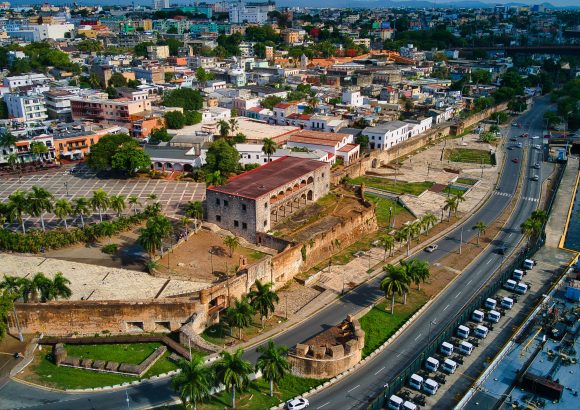
On Wednesday, the Caribbean city of Santo Domingo, the capital of the Dominican Republic, marked a major milestone: the 528th anniversary of its founding. Globally recognized as the first permanent European settlement built in the Americas, this centuries-old city stands today as one of the region’s most significant cultural and historical landmarks, drawing visitors and scholars from across the globe.
The story of Santo Domingo dates back to August 5, 1498, when it was established by Bartholomew Columbus, the younger brother of famed explorer Christopher Columbus, on the fertile eastern bank of the Ozama River. In the decades following its founding, the settlement quickly grew into the central administrative base for Spain’s territorial expansion across the Americas. During the earliest era of European colonial activity in the New World, it emerged as the primary political, economic, and religious hub for all Spanish holdings in the region.
More than 500 years after its founding, Santo Domingo retains one of the most intact and extensive collections of colonial-era architecture in the entire Western Hemisphere. In recognition of its unparalleled historical importance and its high concentration of the earliest European-built structures in the Americas, the city’s iconic Colonial City district was granted the status of a UNESCO World Heritage Site in 1990, cementing its place as a site of global cultural significance.
The Colonial City district is home to a host of iconic, one-of-a-kind landmarks that tell the story of early European settlement in the Americas. These include the First Cathedral of America, the oldest cathedral built on the continent; Alcázar de Colón, the former royal residence of Diego Colón, son of Christopher Columbus; and Ozama Fortress, widely documented as the oldest surviving military fortification constructed by Europeans in the Americas. With its winding cobblestone streets, tree-lined historic plazas, and well-preserved centuries-old structures, the district continues to draw millions of visitors annually, while carefully protecting and preserving the unique colonial legacy of the city.
Beyond its unrivaled historical importance, modern Santo Domingo has grown into the beating heart of the Dominican Republic, serving as the country’s political, economic, and cultural capital. Today, the city seamlessly weaves its 500-year-old history together with cutting-edge modern urban development. It remains the nation’s largest metropolitan area, and a top global destination for international tourism, cross-regional commerce, higher education, and national government activity.