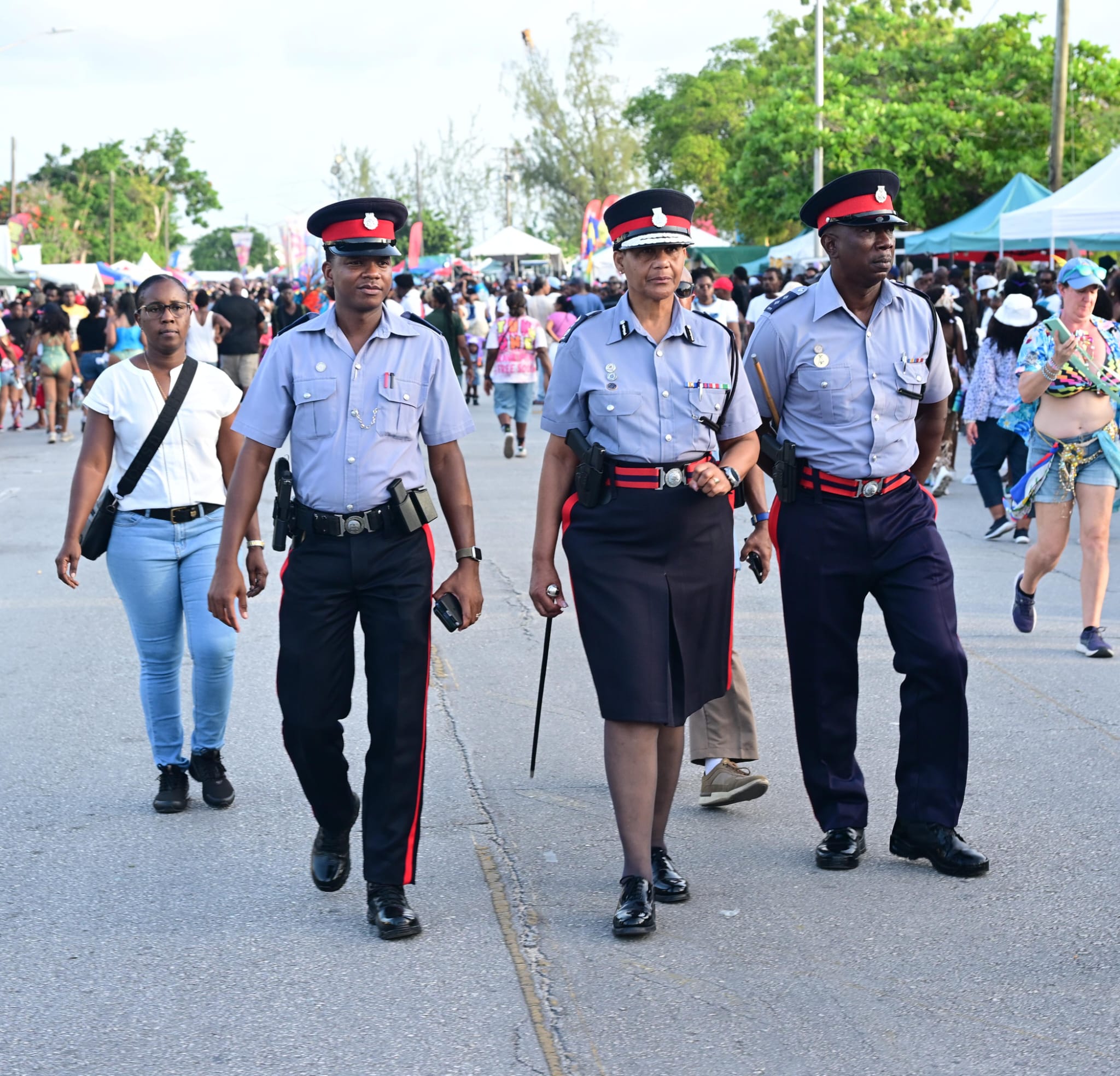
Barbados’ iconic Crop Over festival reached its long-awaited, high-energy climax on Kadooment Day this year, marking the first major public festival managed under newly appointed Commissioner of Police Sonia Boyce. In a post-event statement, Boyce celebrated that the day closed with zero recorded violent incidents or major disruptions, an outcome she credited to both responsible public behavior and robust, collaborative security planning.
Commissioner Boyce extended public recognition to both local Barbadians and international travelers who took part in the festivities, noting that widespread public cooperation was a core pillar of the event’s safety. Beyond public conduct, she highlighted that the incident-free outcome grew out of months of detailed preparation, intentionally high-visibility law enforcement deployment, and unprecedented cross-agency coordination between national security bodies.
“I am pleased to share that Grand Kadooment was concluded without any major incidents,” Commissioner Boyce confirmed in her official remarks. “As Commissioner of Police, I am proud of the way Barbadians and visitors conducted themselves throughout the day, and of the strong partnership among our security services that helped keep everyone safe.”
To secure the sprawling parade route stretching from Princess Alice Highway to Mighty Grynner Highway, law enforcement implemented a multi-layered security strategy that combined traditional on-the-ground policing with cutting-edge surveillance technology. Thousands of uniformed officers were stationed at regular intervals along the entire parade path, ensuring a constant visible presence designed to deter potential unrest and allow for immediate intervention if needed.
Meanwhile, centralized command centers leveraged an expansive network of closed-circuit television cameras and aerial drone surveillance to maintain real-time, full-coverage situational awareness across the entire event zone. These digital and aerial monitoring tools were complemented by strategically placed security checkpoints for targeted screening, dedicated teams to manage rerouted traffic flow, and rapid-response tactical units positioned to address any emerging disruptions within minutes.
Boyce placed particular emphasis on the joint operations model that brought multiple national security bodies together, especially in high-density crowd zones along the parade that have historically posed management challenges. “From the outset, my team and I placed great emphasis on careful planning, high visibility policing, traffic management, closed-circuit television and drone monitoring, checkpoint screening, rapid response capacity, medical support, and close coordination with the Barbados Defence Force,” she explained.
BDF soldiers deployed alongside civilian police to strengthen response capacity and maintain order across the parade route, with extra focus placed on traditional bottleneck areas that regularly see extreme crowd pressure during the festival. “BDF soldiers worked side by side with the Barbados Police Service to strengthen our ability to respond swiftly and maintain public order across the route,” Boyce noted.
The tight access controls required to manage the massive event unavoidably disrupted regular traffic and local movement for residents and businesses located along the parade route. Commissioner Boyce publicly thanked local property owners, business operators, and residents for their patience and cooperation as they navigated pass-based entry restrictions and mandatory security checkpoints.
“Our officers, together with our partners from the Barbados Defence Force and the emergency services, worked closely with residents and businesses along the route to manage authorised movement… and to minimise inconvenience wherever possible,” Boyce said. “I know this requires patience and understanding, and I am grateful to all who cooperated with these arrangements.”
Looking beyond the festival, Commissioner Boyce argued that the collaborative operational framework that delivered a safe Grand Kadooment offers a replicable model for improving everyday national public safety across Barbados. “What we achieved today is a reminder of what is possible when national celebration is marked by public discipline, respect for lawful directions, and genuine partnership,” Boyce said. “I see clearly that this kind of partnership is essential to keeping Barbados safe, not only during major events, but every day.”
She closed her statement by extending gratitude to all stakeholders who contributed to the successful event, including festival revelers, band leaders, street vendors, emergency medical personnel, and frontline law enforcement officers, whose combined dedication delivered both a secure and memorable celebration for all attendees.