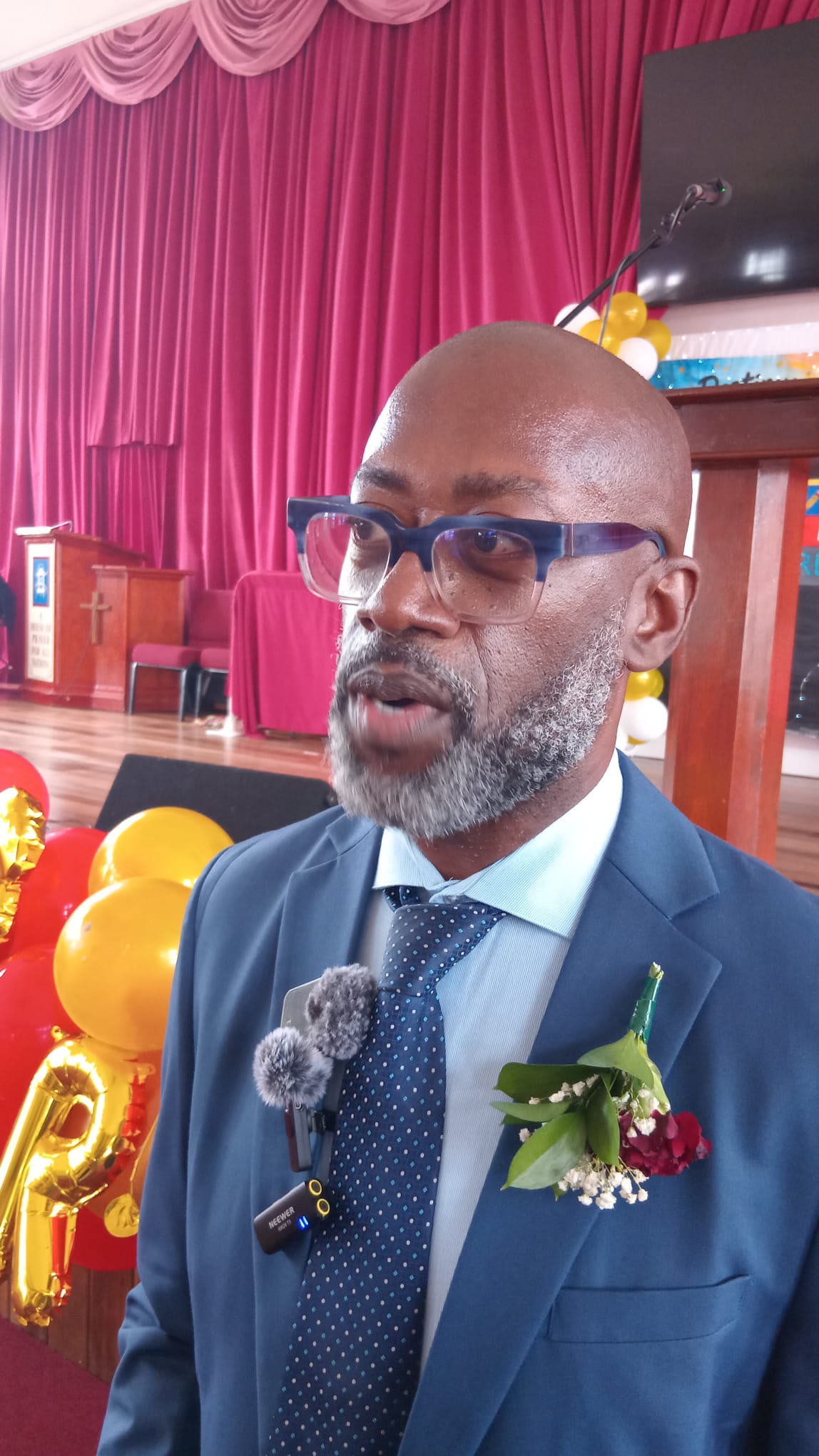
Barbados’ largest educators’ organization, the Barbados Union of Teachers (BUT), is pressing national legislators to revise the upcoming Protection of Wages Bill to close a critical gap that excludes public sector employees from the same timely wage protections and dispute remedies available to private-sector workers. The organization argues that the current draft of the legislation creates a two-tier system of worker rights, leaving public officers like teachers and civil servants without recourse when their salaries are issued late.
BUT President Rudy Lovell emphasized that while the union fully supports the bill’s overarching goal of enshrining a worker’s legal right to receive earned compensation on schedule, this fundamental protection should not be limited to only private-sector staff. Lovell noted that public servants, including the island’s teachers, rely on consistent, predictable pay dates to manage their household finances, and even isolated delays can trigger cascading personal and financial hardship.
“Our goal is to see this legislation updated so that teachers and all other public officers can have full confidence their salaries will arrive when expected, which eliminates the unnecessary personal and financial strain that comes with delayed wage payments,” Lovell stated.
The union leader went on to explain that steady, on-time pay is non-negotiable for educators and civil servants, many of whom live on moderate incomes that leave little room for unexpected scheduling disruptions. Even one-off delayed payments can throw off household budgeting for routine basic expenses, he pointed out. Late salary deposits often lead to extra costs that workers never budgeted for, including penalty fees for late loan payments, mortgage installments, and monthly utility bills.
Beyond extra financial charges, Lovell noted that delayed pay can leave families temporarily unable to cover core necessities, from groceries and rent to essential transportation to and from work. That financial uncertainty also spills over into the workplace, generating chronic stress that erodes public employees’ overall well-being and job performance.
“ We know that teachers and other public officers deal with late salary payments on occasion. These delays create real financial hardship: added interest on late loans and mortgages, an inability to afford food, struggles to cover rent and utility bills, and challenges meeting transportation costs. At the end of the day, late pay upends family life and causes unnecessary stress that no worker should have to deal with,” Lovell said.
A core demand of the BUT’s proposed amendments centers on the bill’s enforcement and penalty framework. Under the current draft, government agencies are explicitly exempt from the financial penalties that apply to private employers that miss pay deadlines. This exclusion removes any meaningful deterrent for pay delays and eliminates accessible remedies for affected public workers, a flaw the union is urging policymakers to reverse.
“Right now, the government is exempt from the bill’s penalty rules, and will not be held accountable in the same way that private-sector employers are,” Lovell explained. “There is effectively no check in place to ensure government agencies meet their pay obligations on time, and no fast-track process to deliver immediate, meaningful remedies for public officers who face delayed wages.”
To illustrate the tangible impact of pay delays on education delivery, Lovell shared a firsthand anecdote from a senior Barbadian civil servant who began his career in teaching. The official recalled that during his early years in the classroom, on the multiple occasions his pay was late, he waited in the school staff room until his paper check arrived—never disclosing how many hours he waited before receiving payment. Lovell warned that if this becomes a common experience for teachers, it could lead to routine disruptions across the island’s entire public school system, as educators are forced to step away from their instructional duties to resolve pay issues.
To protect the long-term stability of Barbados’ education system and guarantee equal rights for all workers across the country, the BUT is calling for uniform regulatory standards that apply equally to public and private employers. The union says equal standards will give public sector workers the same certainty about pay that private-sector employees already enjoy.
“The BUT wants all workers across Barbados to be paid on time, and we want the government to be held to the exact same standards as private employers, to fully enforce this fundamental worker right,” Lovell affirmed. “This reform will give all government workers—including our teachers—peace of mind, knowing their earned wages will be issued promptly, and that they will have access to fair, meaningful remedies if payments are ever delayed.”